
What is Snorkeling?
Snorkelling is the easiest way to experience the underwater world. Everything you need to know: gear, technique, safety and the best spots worldwide.
Snorkelling at a glance:
What: Swim at the surface and watch the underwater world through a mask – no oxygen tank, no diving certificate required
Who it's for: Everyone. Children from age 4, beginners, families, glasses wearers – basic swimming skills are all you need
Gear: A mask, fins optional. A full-face mask makes getting started the easiest
Where: Anywhere the water is clear – from Croatia to the Maldives

Snorkelling is one of the most beautiful water sports in the world – and also one of the easiest. You don't need expensive gear, a diving certificate or any special level of fitness. Pop on a mask, put your head in the water, and you're instantly part of a world most people only ever see in documentaries.
What a lot of people underestimate: the most fascinating encounters don't happen 30 metres down – they happen right at the surface. Turtles coming up for air. Shoals of fish glinting in the sunlight. Corals in colours no screen can ever truly capture. You experience all of this while snorkelling – no course, no certificate, no weeks of preparation needed.
1. What exactly is snorkelling?
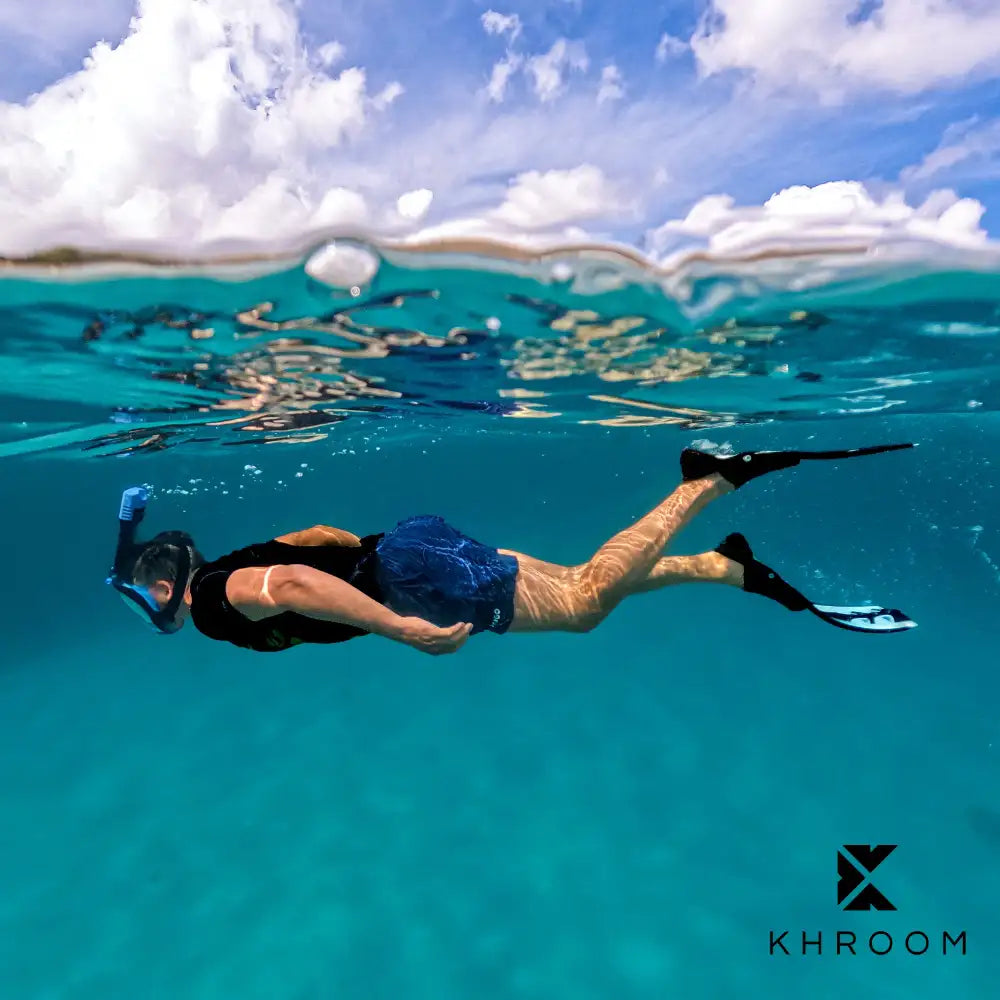
Snorkelling (also spelled snorkeling) means swimming at the surface of the water while breathing through a snorkel. You look down into the water with your face submerged and observe the underwater world – coral reefs, tropical fish, turtles, rays, and sometimes even dolphins or whale sharks.
Unlike diving, with snorkelling you stay at the surface the whole time. You don't need an oxygen tank, a regulator or a diving certificate. The barrier to entry is practically zero – which is exactly why snorkelling is so popular with families, holidaymakers and anyone who loves the sea.
And the best part: nature does the work for you. The salt water keeps you buoyant, the mask gives you clear vision, and the underwater world comes to you. All you have to do is be there.
2. What gear do you need?
The basic kit consists of just one single item: a mask. Everything else is optional – but it can make all the difference.
Option 1: Classic snorkel set
Separate swim goggles plus a snorkel with a mouthpiece that you hold between your teeth. Pro: good for duck-diving. Con: you can only breathe through your mouth, the mouthpiece starts to feel uncomfortable after a while, and the gag reflex is a real problem for a lot of people. Your field of vision is also limited to the size of the goggles. Full comparison: Snorkel mask vs. snorkel set
Option 2: Full-face snorkel mask
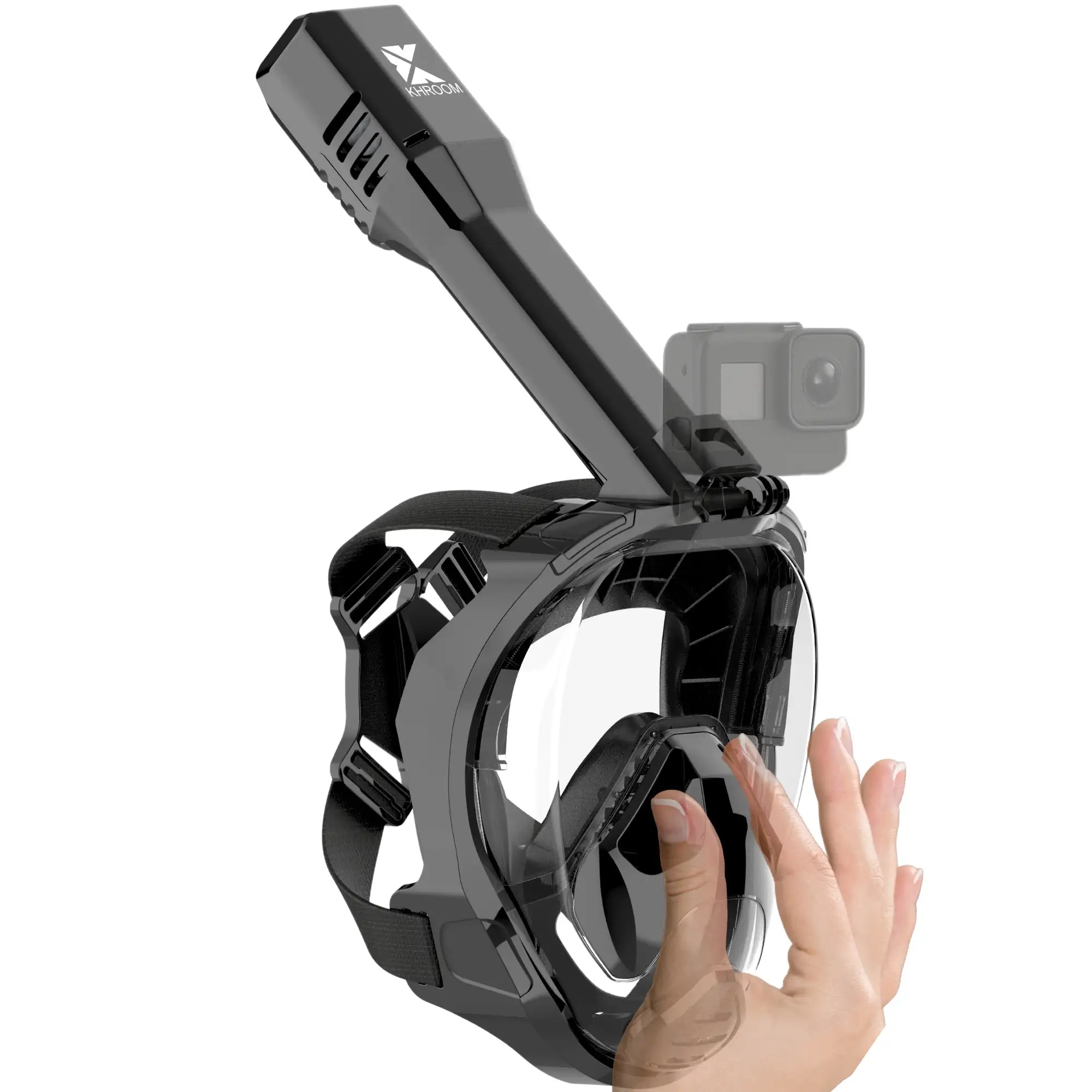
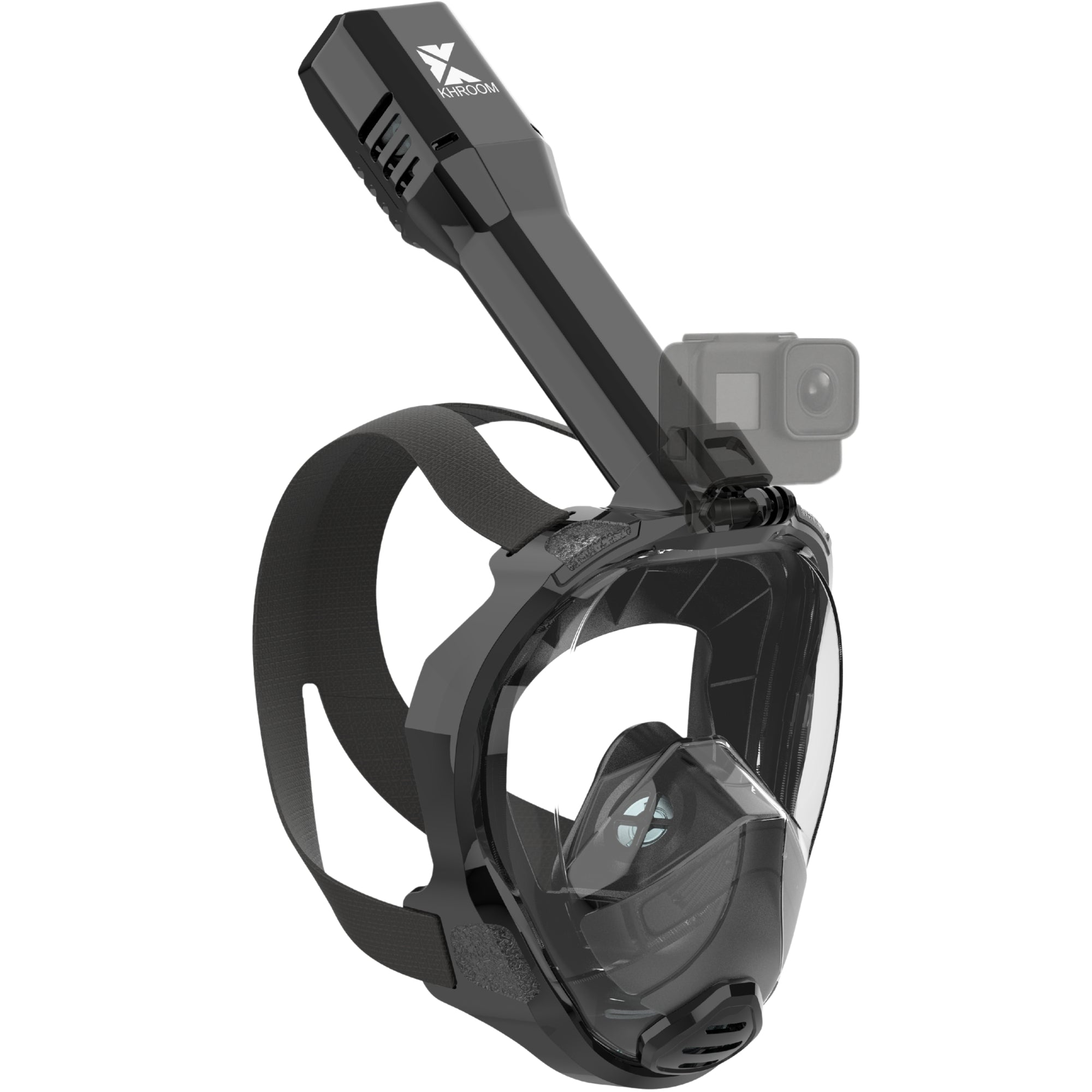
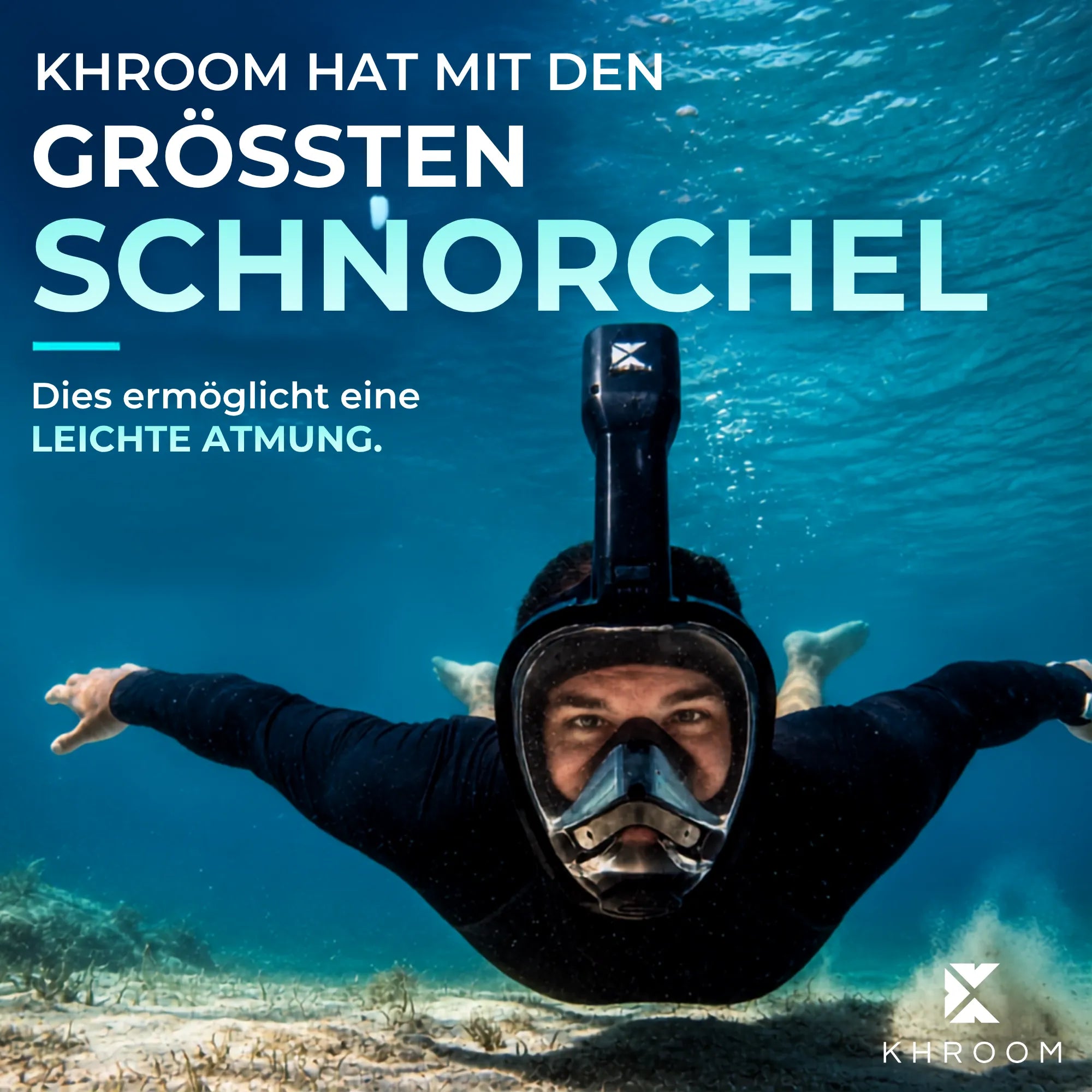
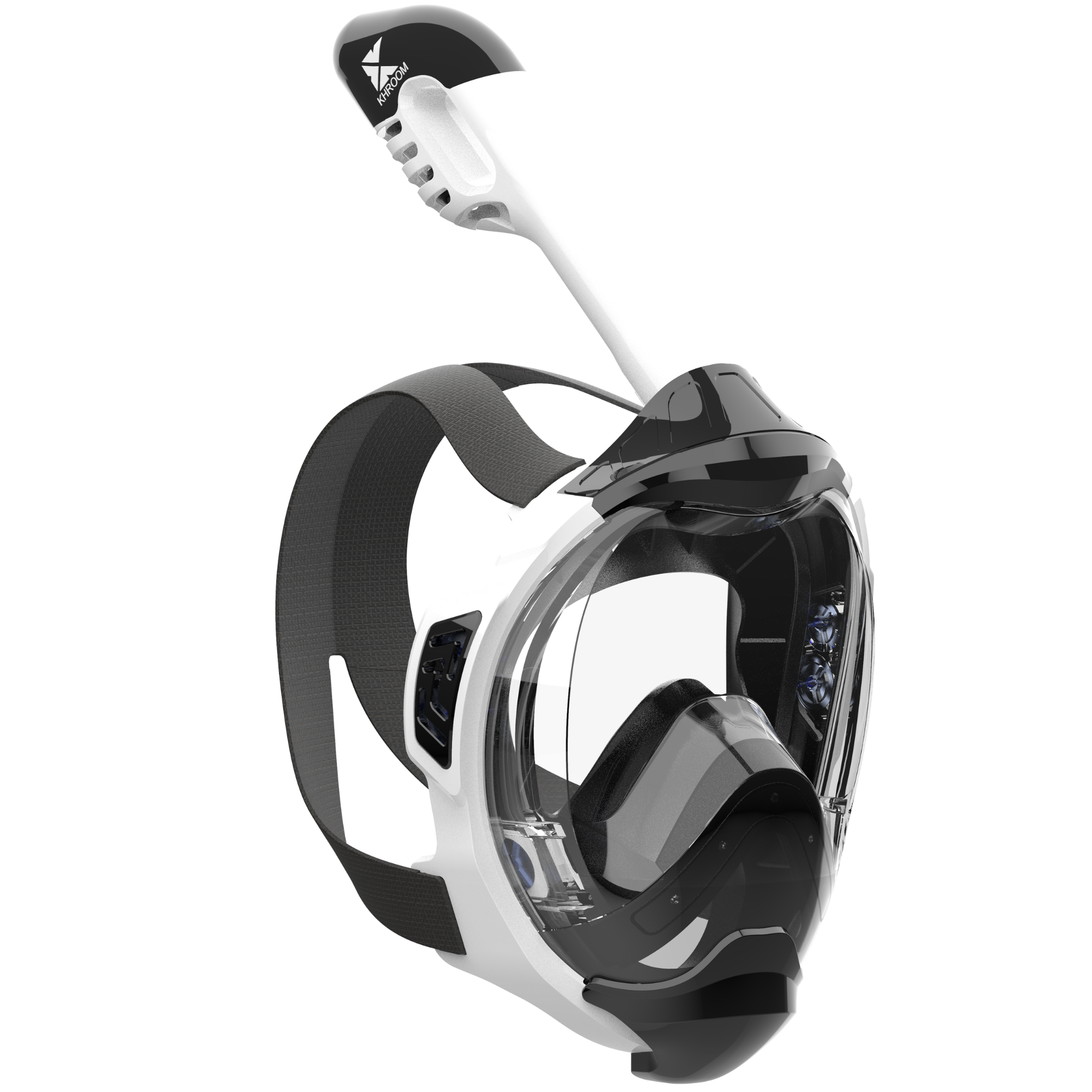
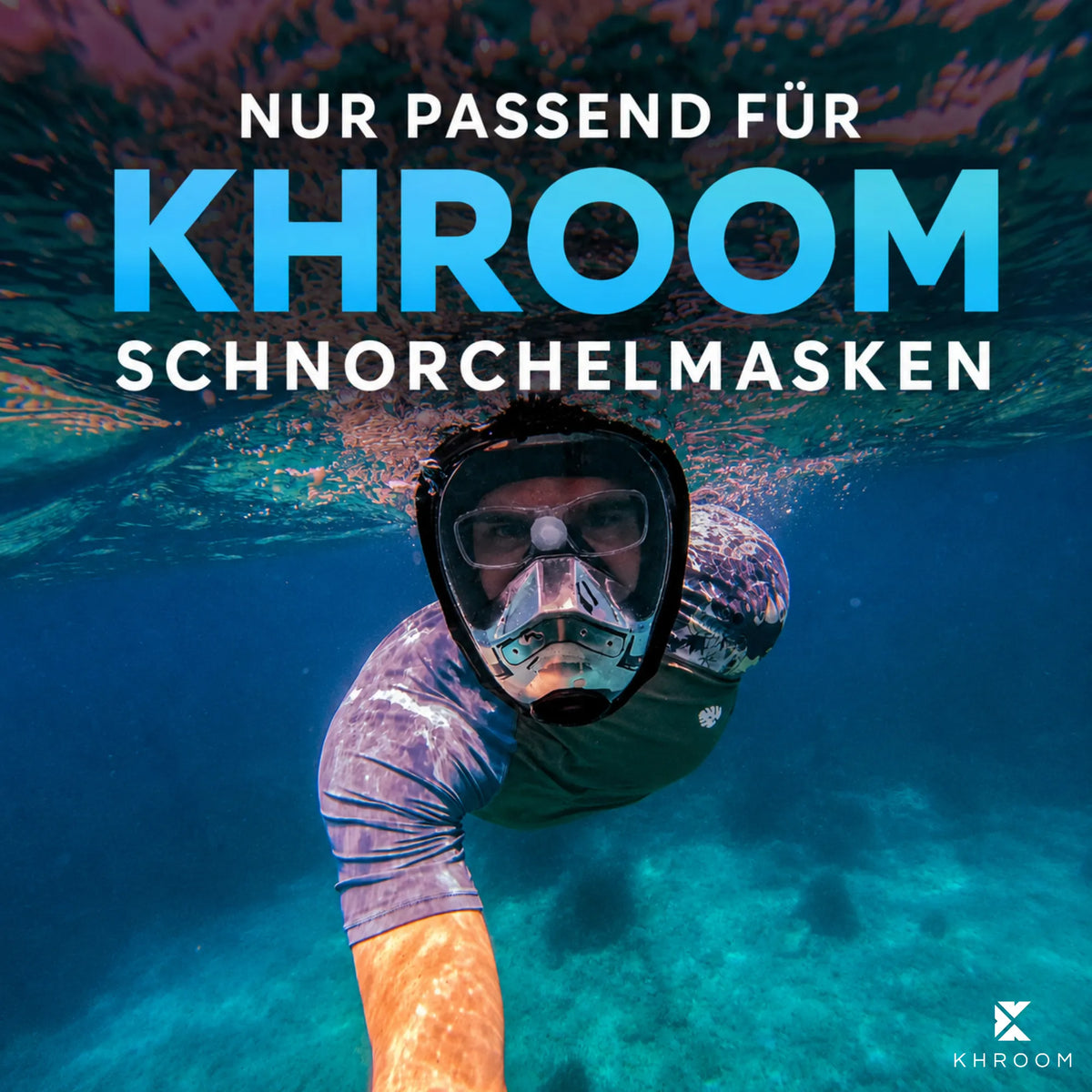
The full-face mask has transformed snorkelling for millions of people in recent years. It covers your whole face – so you breathe completely naturally through your mouth and nose, just like on land. No mouthpiece, no gag reflex, no special breathing technique to learn. The 180° panoramic field of view gives you a view of the underwater world that a classic pair of goggles simply can't match.
Khroom Seaview Pro – our best-seller
SGS-certified to EN 136, 180° panoramic view, triple-widened breathing channel, anti-fog system, dry-top snorkel and a GoPro mount. Suited to beginners and experienced snorkellers alike – fits virtually any face shape. Available in S/M and L/XL.
Premium option: Bundle with long fins
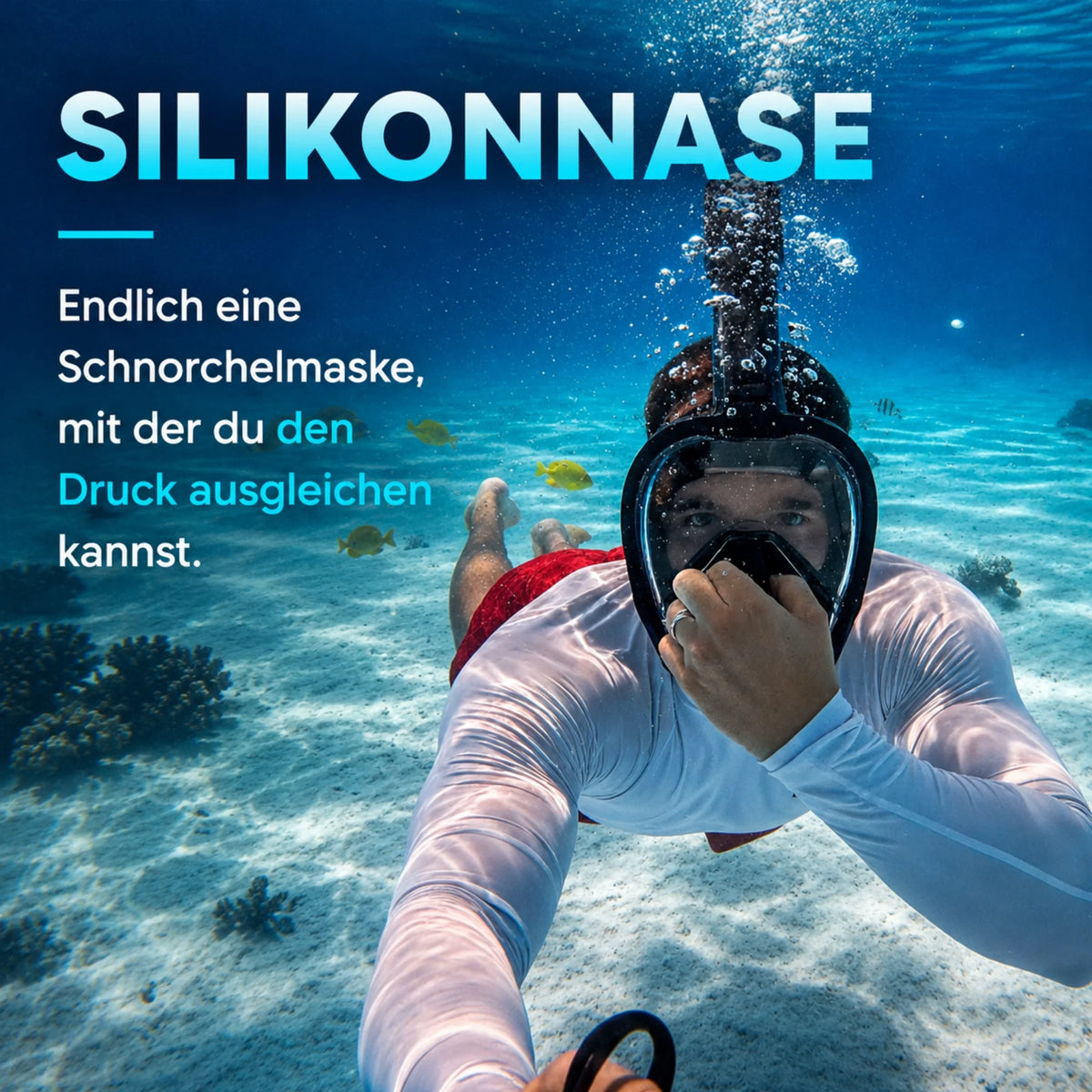
If you'd like to dive down a few metres as well, go for the Seaview Pro Plus – the only full-face mask with built-in pressure equalisation.
You'll find the full breakdown of the differences between mask types here: What's the advantage of a full-face mask?
Optional accessories – that make a real difference to your experience
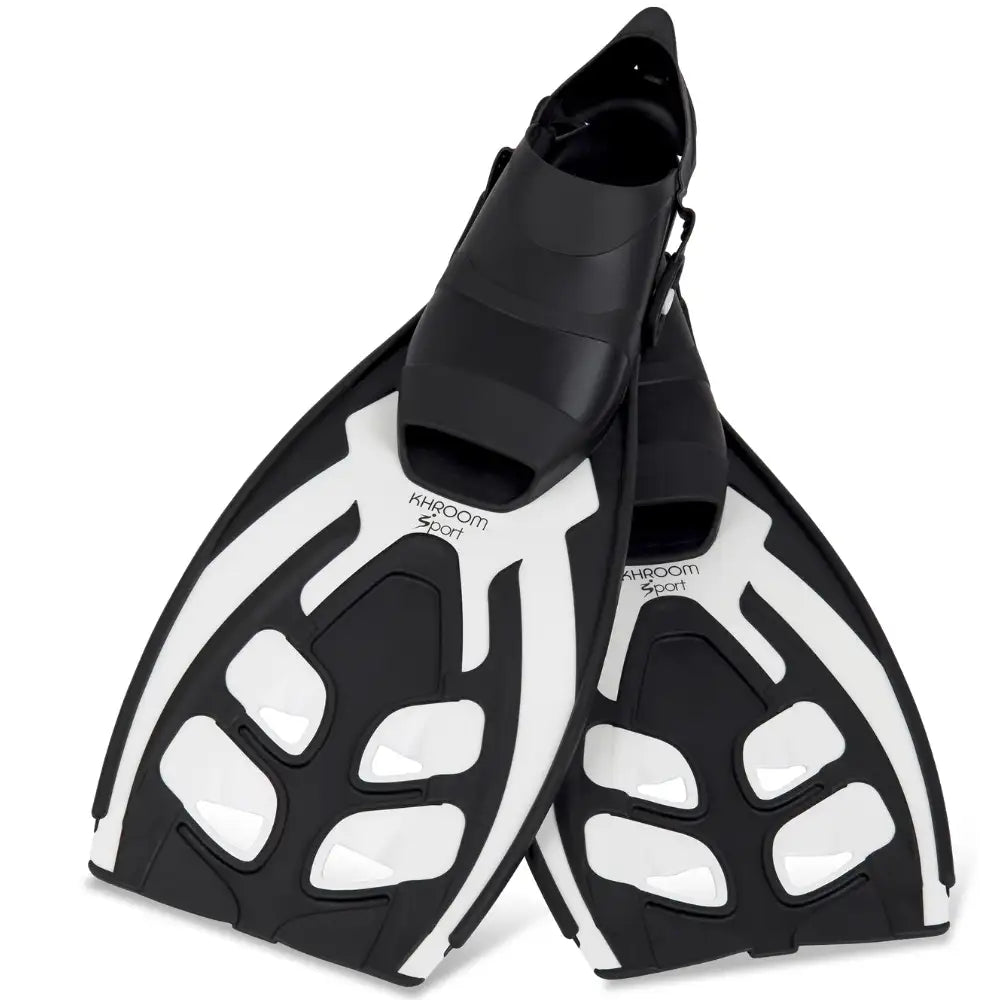
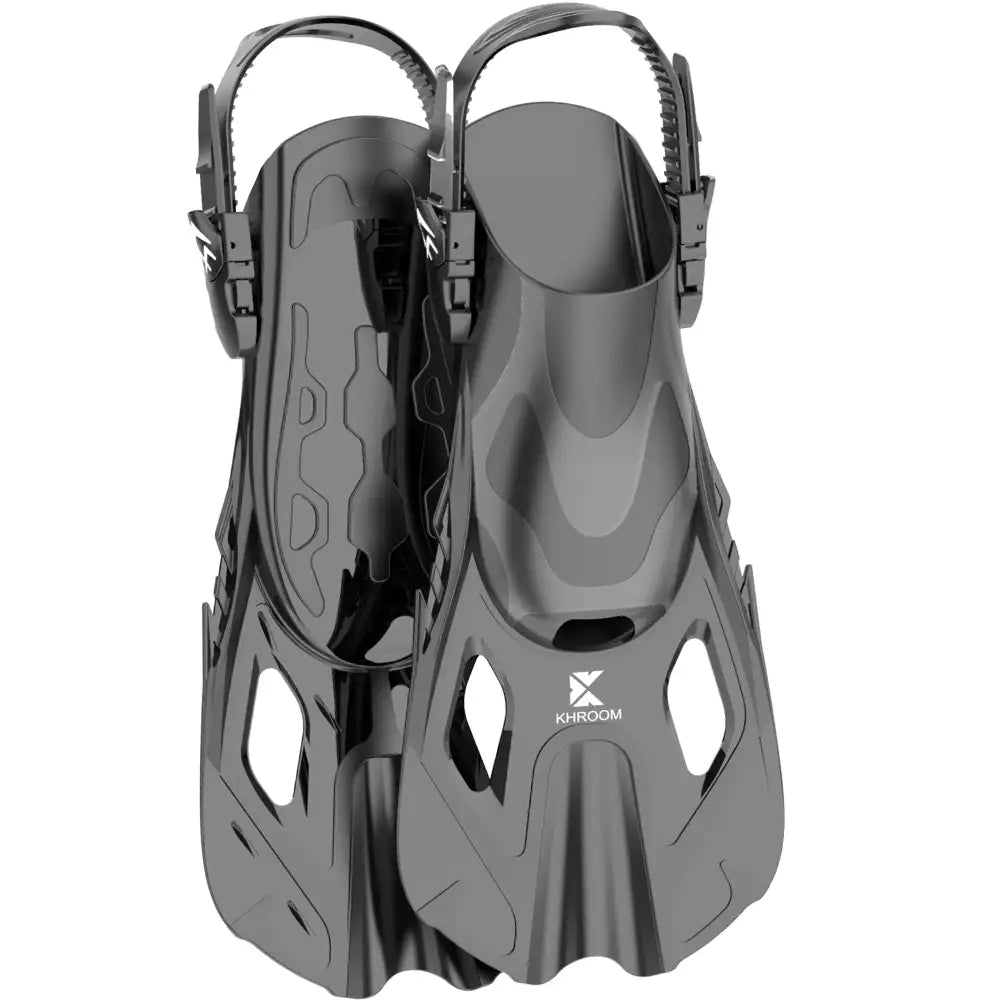
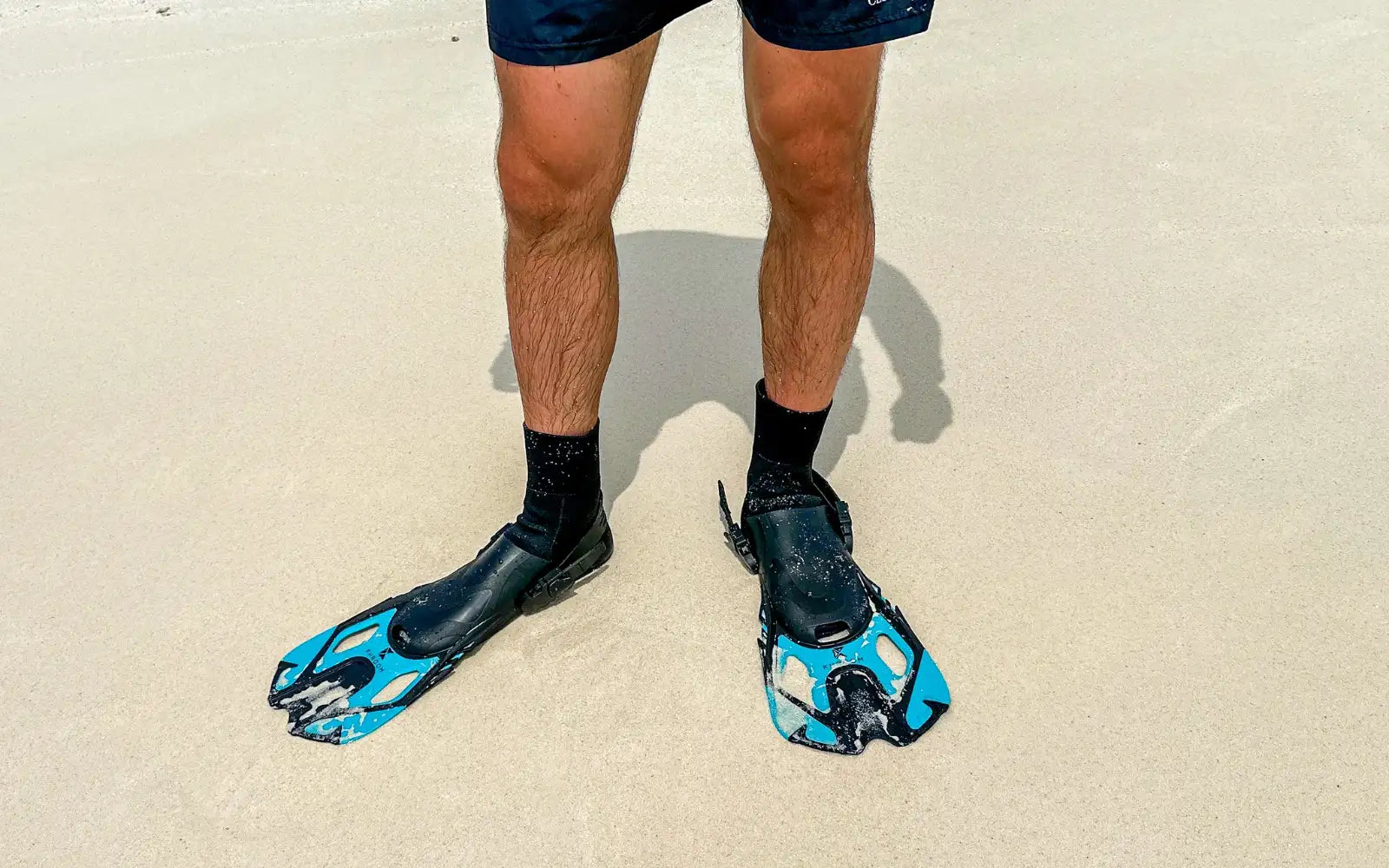
- Short adjustable fins – give you gentle, effortless propulsion and are compact enough for hand luggage. For more power: Long fins (Thesis Fins). Which ones suit you best: Fin comparison
- Neoprene socks (3 mm) – protect your feet from sharp coral, sea urchins and hot sand. Pretty much essential on rocky coastlines (Croatia, Greece, the Canaries). More on that: When do you need neoprene socks?
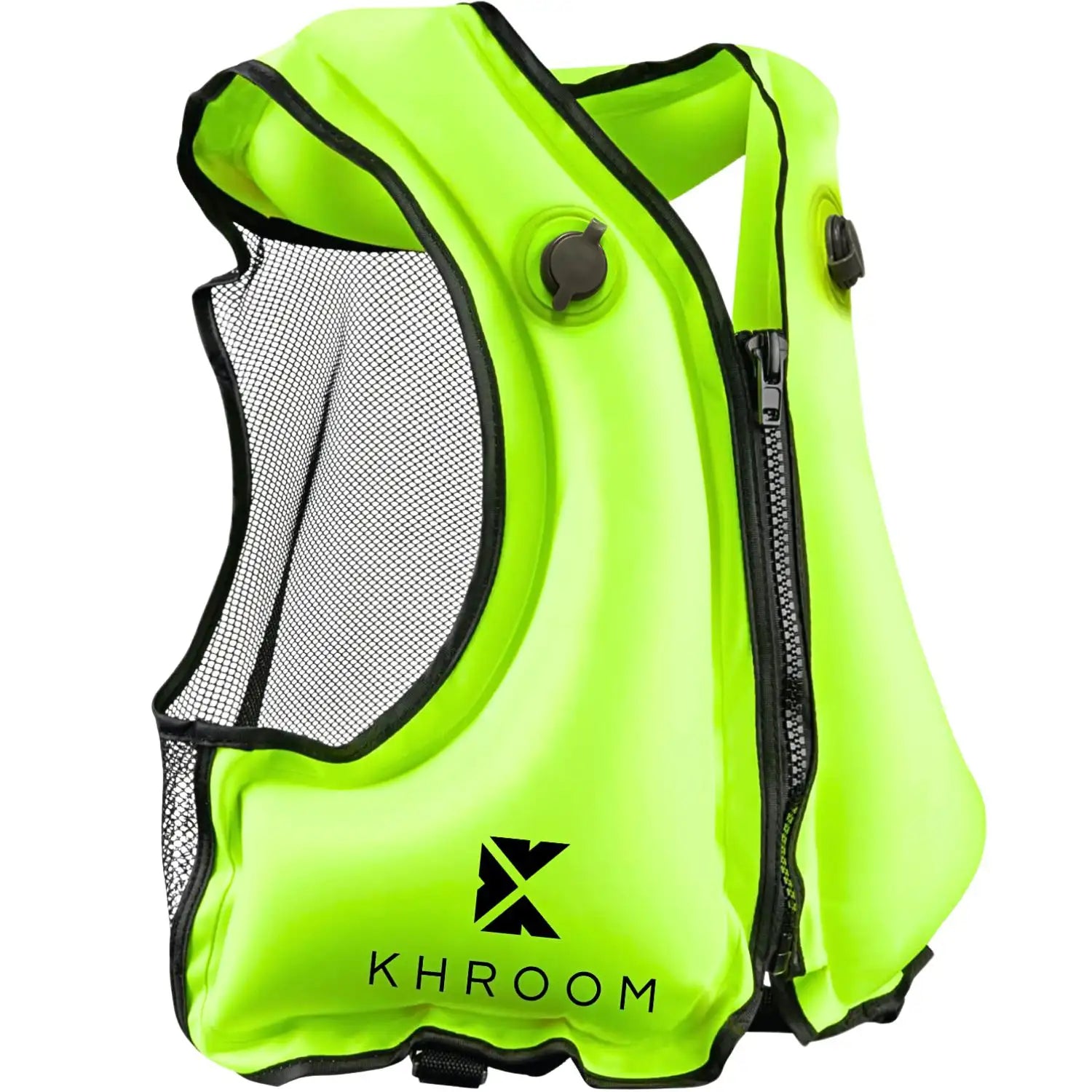
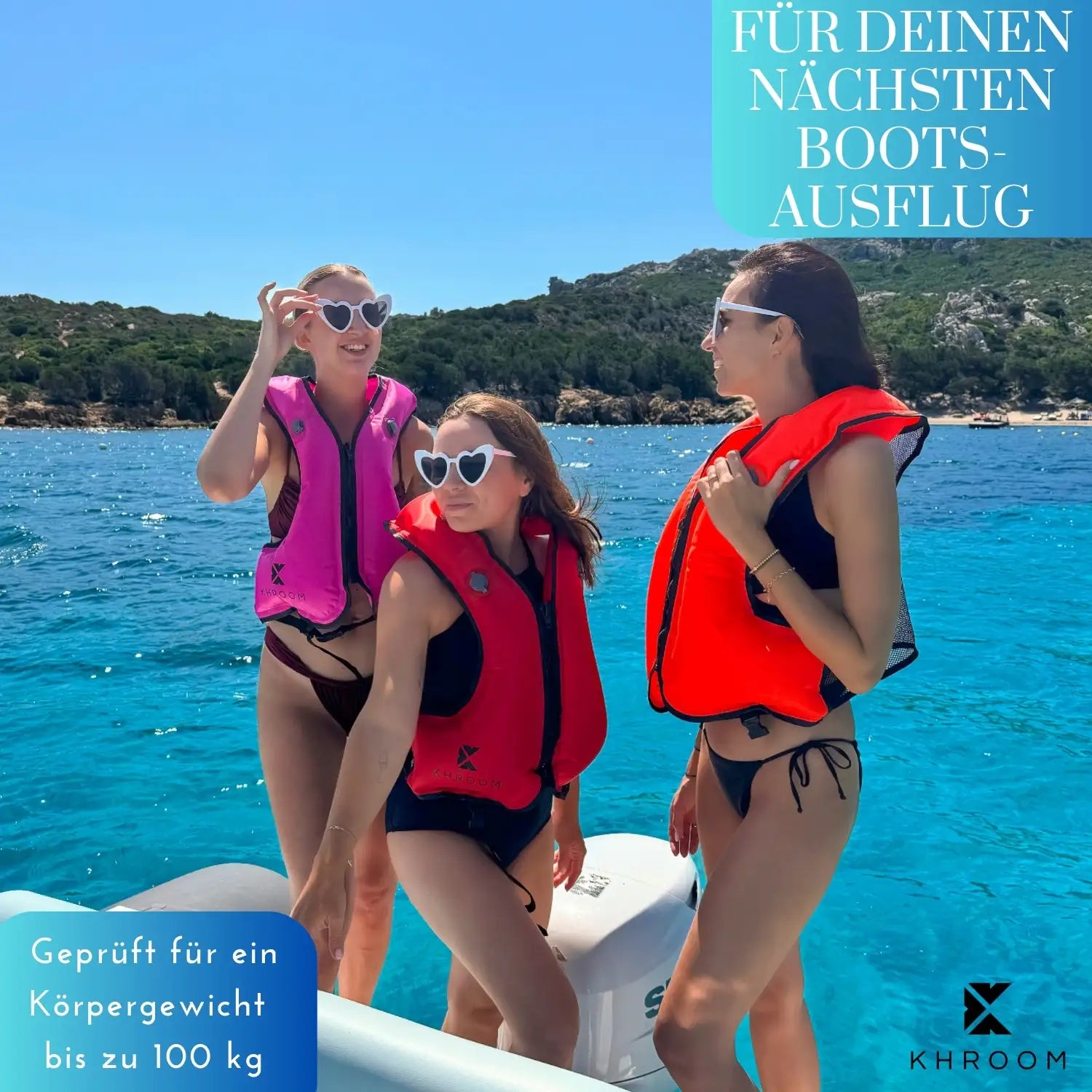
- Snorkel vest – an inflatable buoyancy aid for extra lift and safety, especially useful for beginners and kids
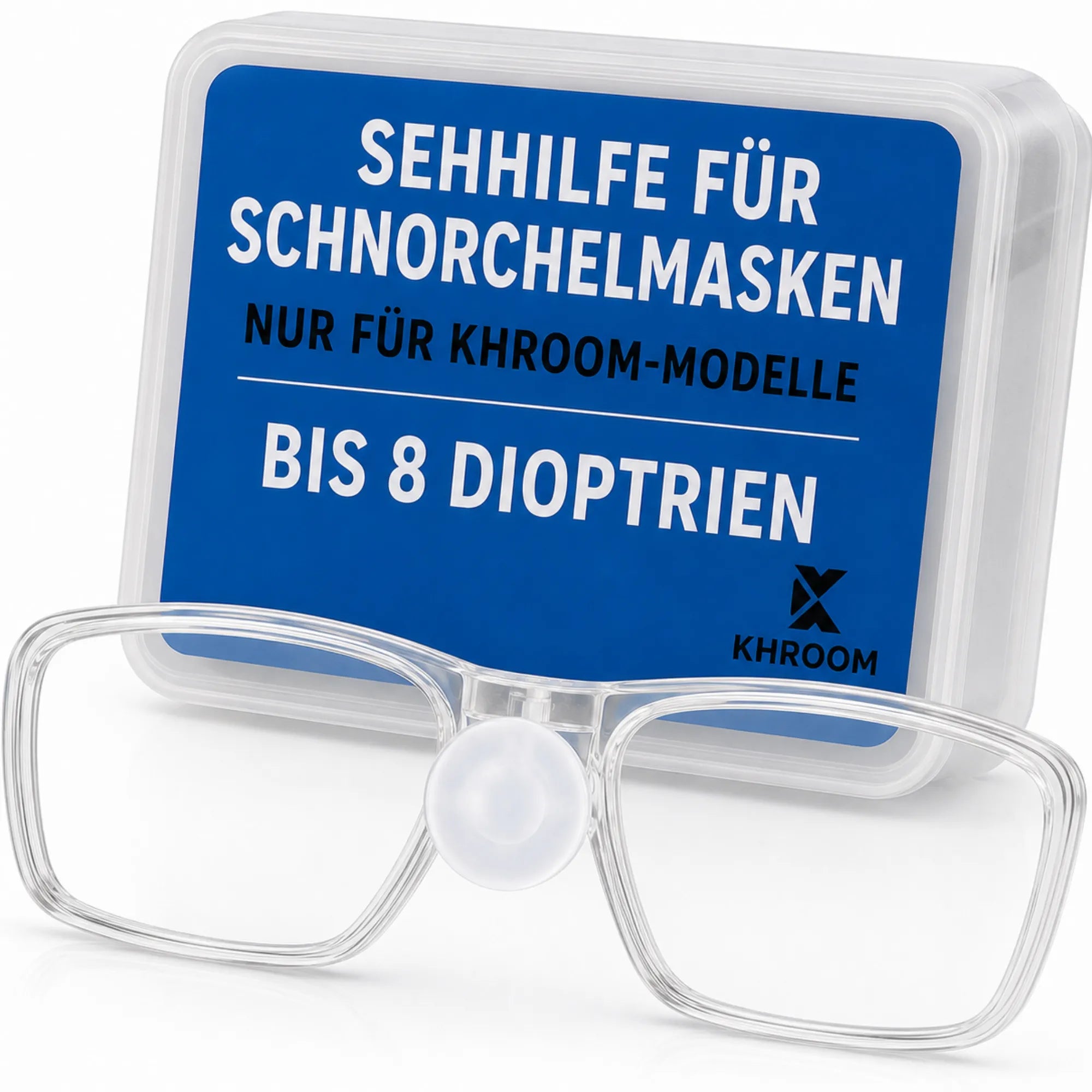
- Optical inserts – for glasses wearers, from –8.0 to +8.0 dioptres, compatible with all Khroom masks. Guide for glasses wearers
3. How snorkelling works – step by step
Learning to snorkel doesn't take five minutes. Even so, it's worth taking a considered approach to getting started – because knowing the basics means more fun from the very first second.
- Put on the mask: Fit your chin into the silicone frame first, then bring the rest of the mask up over your nose and forehead. Adjust the strap – tight enough that nothing slips, but not so tight that it digs in. Over-tightening deforms the silicone frame and ruins the seal.
- Head into shallow water: Start out in waist-deep water. Lie flat on the water and take a few calm breaths through the mask. Get used to the feeling – it's easier than you think.
- Face down: Look down into the water with your face submerged. The snorkel sticks up above the surface and keeps you supplied with air. The dry-top valve on our masks keeps water from getting in.
- Breathe calmly: Steady and even – like going for a relaxed walk. No rushing, no deep gasping breaths. The calmer you breathe, the less your mask fogs up, and the longer your energy lasts.
- Let yourself glide: Gentle fin kicks, or just drift. The underwater world comes to you – you don't need to chase after it.

Detailed guide covering the 7 most common beginner mistakes: Learning to snorkel – how to do it right
Everything on proper breathing technique: Breathing correctly while snorkelling
4. Where can you go snorkelling?
Anywhere the water is clear enough to see the bottom. You don't have to fly halfway round the world – fascinating underwater worlds are waiting in the Mediterranean and along the Atlantic coast too. But of course, some places really are especially spectacular.
Croatia – 1,000 islands, hundreds of underwater caves and the legendary Blue Grotto. Reachable by car.
Egypt – coral reefs right by the hotel, dugongs, dolphins and 22–30°C year-round. Just a 4–5 hour flight.
Greece – turtles off Zakynthos, sunken ruins on Crete and the famous Navagio shipwreck beach.
Majorca – pirate caves, Posidonia seagrass meadows and visibility up to 50 metres. A 2-hour flight.
Tenerife – the only European destination where you can snorkel with sea turtles all year round.
Italy – Ustica, La Maddalena, Capri – over 7,600 km of coastline with spectacular marine protected areas.
The Maldives – whale sharks, manta rays, house reefs right off the beach. The ultimate destination.
Thailand – tropical coral reefs, harmless reef sharks and clownfish. 28–32°C all year round.
More destinations: Fuerteventura | Gran Canaria | Crete | Turkey | Sardinia | Spain
5. Is snorkelling safe?
Yes – as long as you stick to a few basic rules. Snorkelling is one of the safest water activities there is. The biggest risks don't come from snorkelling itself, but from poor-quality gear or simply not being aware of your surroundings.
- Never snorkel alone – always go with a buddy or stay within sight of other people
- Watch out for currents – find out about local conditions beforehand. Guide: currents
- Don't forget sun protection – your back is exposed to the sun for hours at a time. A UV shirt works better than sunscreen
- Use a CO₂-safe mask – cheap masks without a separate ventilation system can be dangerous. Guide: CO₂-safe snorkel masks
- Children only with supervision – always within arm's reach, even when wearing a buoyancy aid. Snorkelling safely with children
- Don't touch corals or animals – to protect the reef and your hands
In detail: How dangerous are snorkel masks really? | Using snorkel masks correctly
6. Who is snorkelling suitable for?
Literally anyone. You don't need to be a strong swimmer – a Snorkel Vest gives you extra security. You don't need any particular level of fitness – snorkelling is about as strenuous as swimming slowly. And you don't need any experience – you'll have the hang of it after five minutes in the water.
Families with children

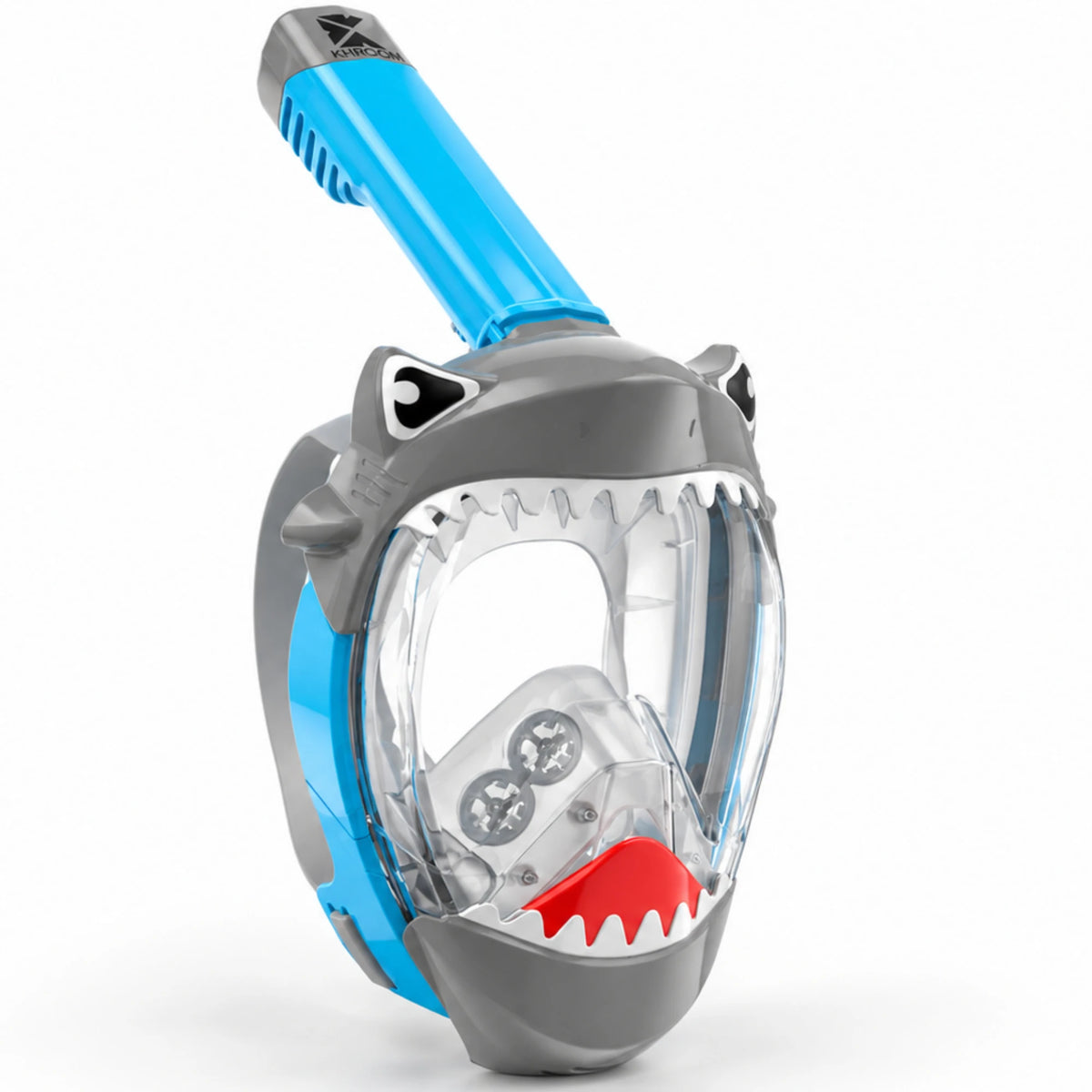
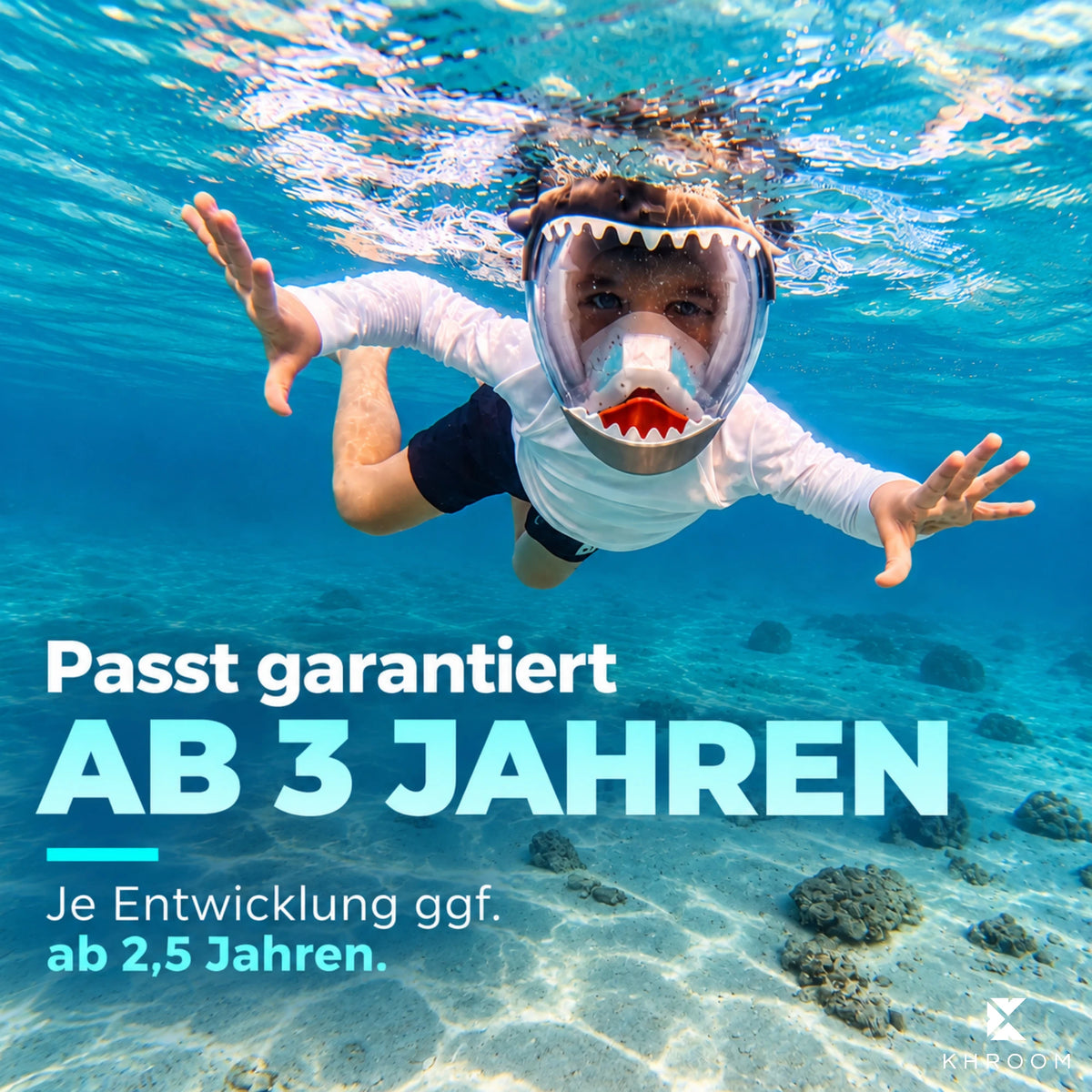
With the Seaview Kids even children from age 4 can snorkel safely – thanks to separate inhale and exhale channels. Available in three designs (shark, unicorn, dog) and as a bundle with free fins.
Is your child ready? From what age can children snorkel?
Glasses wearers
Wearing glasses under a mask doesn't work – and contact lenses are risky in salt water. Our solution: Optical inserts from –8.0 to +8.0 dioptres, which fit into every Khroom mask. No tools needed, fitted in 30 seconds.
Narrow faces
If a standard mask doesn't seal properly along the sides, the Seaview Y is the answer – our narrowest model, SGS-certified, designed specifically for narrow and oval face shapes. Also available with a soft case.
Beginners & holidaymakers
The Seaview Pro is the all-rounder: put it on, adjust the straps, start snorkelling. No mouthpiece, no learning curve, fun straight away. More on that: Which snorkel mask is best for beginners?

7. Snorkelling vs. diving – what's the difference?
| Criterion | Snorkelling | Scuba diving |
|---|---|---|
| Depth | Surface (0–3 m) | Up to 40 m+ |
| Gear | Mask + fins, if desired | Tank, BCD, regulator, weights, wetsuit |
| Training | None needed | Diving certificate (PADI, SSI, etc.) |
| Cost | EUR 30–80 | EUR 500–2,000+ |
| Getting started | Straight away, anywhere | After a course (3–5 days) |
| Who it's for | Everyone, including children from age 4 | Ages 10–12 and up, in good health |
| Diving down | Surface only (exception: Seaview Pro Plus with pressure equalisation) | Yes, with pressure equalisation |
Snorkelling is the perfect way into the underwater world. Plenty of divers started out exactly this way – with a snorkel mask on holiday. The full comparison: Snorkel mask vs. diving mask – which is better?
8. Ready for your first snorkelling adventure?
You don't need much: a good mask, a sunny day and a patch of sea. Nature takes care of the rest.
Get started quickly – our recommendations:
Seaview Pro – best-seller, SGS-certified, 180° panoramic view
Seaview Pro Plus – premium, with pressure equalisation for diving down
Seaview Kids – CO₂-safe, for children from age 4
Seaview Y – for narrow faces, SGS-certified
Short adjustable fins – compact, travel-friendly
Neoprene socks (3 mm) – protection from sea urchins and hot sand
Snorkel Vest – for beginners and children
Optical inserts – for glasses wearers
Related articles
- Snorkel mask test 2026: the best masks compared
- The best snorkel mask 2026 – buying guide
- Learning to snorkel – how to do it right
- Breathing correctly while snorkelling
- Guide: CO₂-safe snorkel masks
- Which snorkel mask is best for beginners?
- Snorkelling safely with children
- Snorkel mask for glasses wearers
- Children's snorkel mask: safety & CO₂-safe design
- Frequently asked questions about snorkel masks
- Dangers of CO₂ build-up in snorkel masks
- The right way to handle currents
- Short fins, long fins, adjustable fins – the comparison
- Comparison of the best snorkel masks for adults
How does snorkelling work?
When snorkelling, you swim face-down at the surface of the water and keep breathing completely normally through a tube – the snorkel. A mask gives you a clear view underwater, and fins provide propulsion, so you can drift comfortably over reefs or in shallow water.
The basic technical kit for this is called ABC gear: mask, snorkel (breather) and fins. You'll find details on the individual steps above, in the guide.
How does a snorkel work?
A snorkel is a short breathing tube, usually around 35 cm long, with a mouthpiece. Its upper end sticks up out of the water so you can breathe in and out normally through your mouth while your face is down in the water. If water gets into the tube, a firm exhale blows it back out.
Important: a snorkel can't just be any length. If it's too long, you keep rebreathing your own already-used air (known as dead air space), which increases breathing resistance and can lead to headaches.

Written by Christian Hanauer