
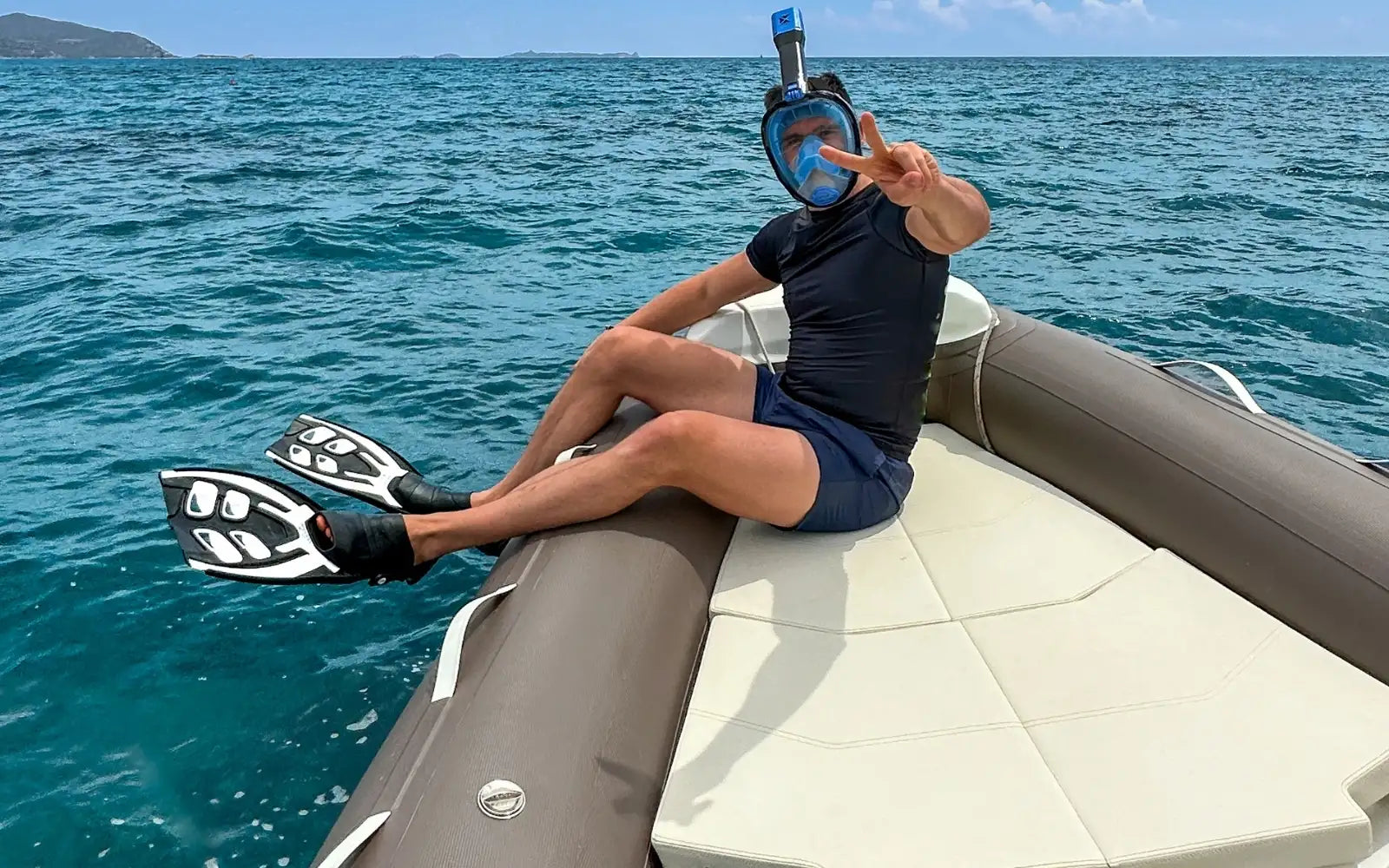
Snorkeling in Gran Canaria: 400 Fish Species & the 10 Best Spots
Snorkeling in Gran Canaria – Key Facts at a Glance:
Top Spot: El Cabrón (Arinaga) – marine reserve with over 400 documented fish species
Unique: Angel sharks – harmless sharks up to 2 m long, regularly spotted almost exclusively around the Canary Islands
Family Favorite: Playa de Las Canteras – city beach with a natural reef, lifeguards, and excellent infrastructure
Best Time to Visit: Year-round (18–25 °C), ideal in September & October
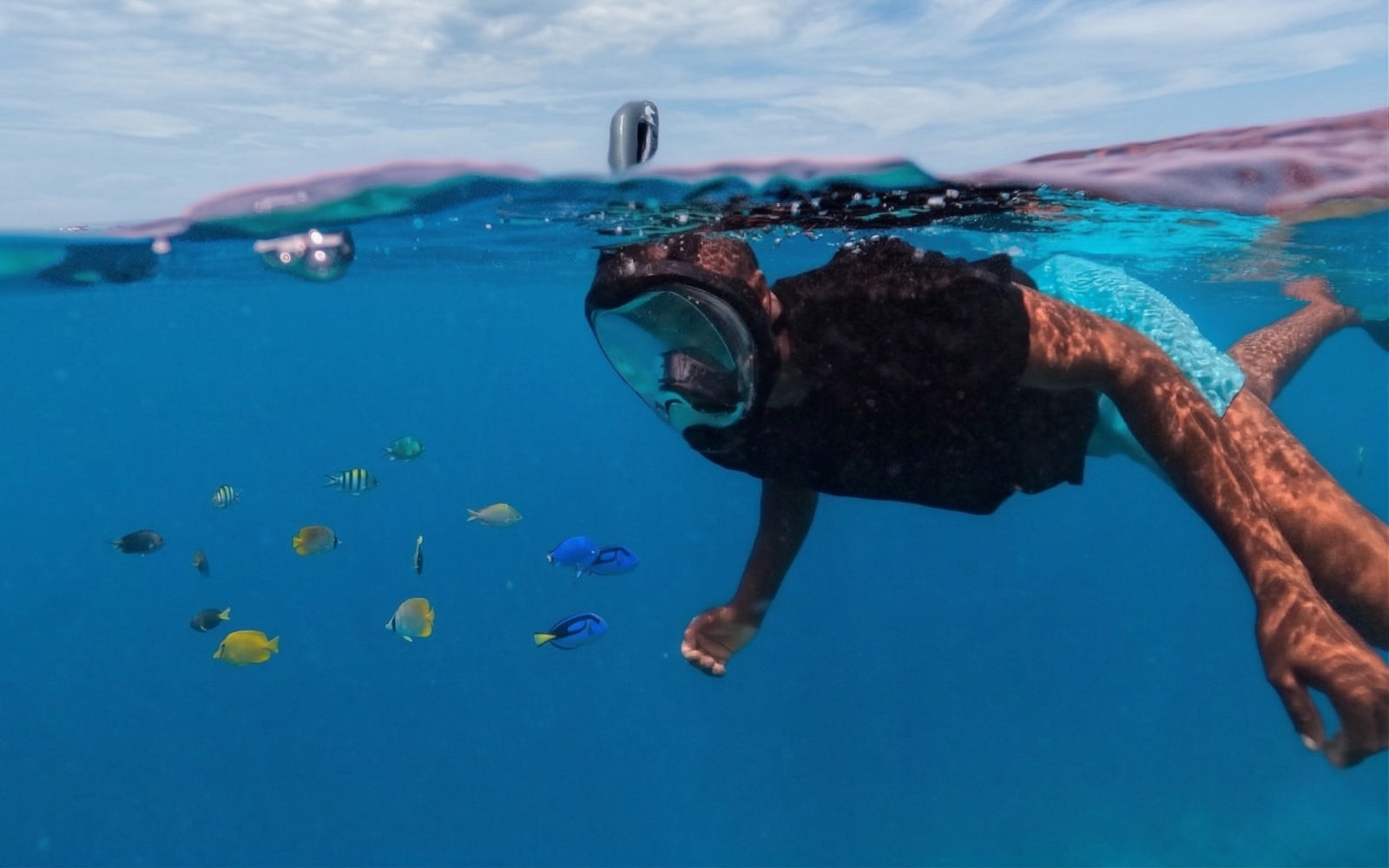
Gran Canaria is often called the “miniature continent” – and that description also applies underwater. The nearly circular island offers an incredible diversity of marine life in a very small area: more than 400 fish species have been documented in the El Cabrón marine reserve alone. Add angel sharks, which are now found almost exclusively around the Canary Islands in Europe, seahorses hidden in secluded bays, and volcanic reef landscapes that transform the Atlantic into a giant aquarium.
What makes Gran Canaria especially attractive is that snorkeling is possible all year round. Even in January, water temperatures rarely fall below 18 °C. In this guide, you’ll discover the 10 best snorkeling spots, learn about the island’s unique marine life, and find the right gear for your underwater adventure.
1. Why Gran Canaria Is a Snorkeling Paradise
What makes Gran Canaria special for snorkelers:
- Exceptional biodiversity: El Cabrón is considered one of the most diverse snorkeling areas in Europe. Over 400 documented fish species in a single reef section – truly world-class.
- Angel sharks: Gran Canaria is one of the last places in the world where angel sharks (Squatina squatina) can still be seen regularly. These harmless sharks, up to two meters long, rest camouflaged on the sandy seabed – an encounter you can hardly experience anywhere else.
- Perfect conditions year-round: The Canary Islands are known as the “Islands of Eternal Spring.” Water temperatures remain between 18 and 25 °C throughout the year – no wetsuit needed in summer, and a thin 3 mm suit is enough in winter.
- Volcanic underwater landscapes: Lava formations, caves, crevices, and dramatic rock structures provide countless hiding places for marine life and create a spectacular underwater environment.
- City-beach snorkeling: Las Canteras in Las Palmas is one of the few urban beaches in the world where you can snorkel exceptionally well – thanks to a natural offshore reef called “La Barra.”
2. The 10 Best Snorkeling Spots in Gran Canaria
2.1 El Cabrón (Arinaga) – 400+ Fish Species
Level: All levels (shallow and deep areas) · Visibility: 15–25 m
The undisputed star among Gran Canaria’s snorkeling spots. The official marine reserve near Arinaga hosts over 400 documented fish species – a number that rivals even tropical reefs. Volcanic reefs form a labyrinth-like underwater landscape inhabited by angel sharks, octopuses, cuttlefish, rays, sea cucumbers, colorful starfish, and sponges. Both shallow entry areas for beginners and deeper sections for experienced snorkelers are available.
Tip: Direct beach access with free parking. Visit early in the morning for the best visibility and calmest sea.
2.2 Playa de Las Canteras (Las Palmas)
Level: Beginners & families · Visibility: 10–20 m
A world-class city beach: the natural reef “La Barra” runs parallel to the shore and breaks the Atlantic waves, creating a calm, shallow snorkeling area behind it. Schools of fish, sea urchins, octopuses, and occasionally even sea turtles can be seen right in the capital city. Lifeguards, showers, restaurants, and full beach services are available.
Tip: The best snorkeling areas are at the northern end (Playa Grande) and near El Confital. Playa Chica (part of the Las Canteras complex) has a maximum depth of only 5 meters – perfect for children.
2.3 Tufia (Telde)
Level: Beginners & families · Visibility: 15–25 m
A protected natural area with the charm of a traditional fishing village – including cave houses and authentic Canarian atmosphere. Underwater you’ll find a healthy ecosystem with gorgonians (fan corals), seahorses, and – occasionally – sharks or turtle sightings. The sheltered location keeps wave activity minimal. Free parking available.
Tip: One of the most atmospheric snorkeling spots on the island. Take time to explore the cave houses and fishing village above water as well.
2.4 Sardina del Norte (Gáldar)
Level: Beginner to advanced · Visibility: 15–25 m
This traditional fishing village in the northwest is one of the most reliable places to encounter angel sharks on Gran Canaria. The sheltered bay has minimal currents, and besides angel sharks you may also see rays (electric rays and butterfly rays), seahorses, and large schools of fish. The volcanic underwater formations are impressive.
Tip: Angel sharks are completely harmless – they rest camouflaged on the sandy seabed. Still, keep a respectful distance and never touch them.
2.5 Risco Verde (Arinaga)
Level: Advanced · Visibility: 20–30 m
The neighboring bay of El Cabrón offers the best underwater visibility on the island – up to 30 meters in calm conditions. Moray eels, octopuses, barracudas, groupers, and peacock wrasse inhabit these clear waters. Far less crowded than its famous neighbor – a true insider experience.
Tip: Perfect for snorkelers who already know El Cabrón and want a quieter alternative with outstanding visibility.
2.6 Puerto de Mogán
Level: Beginners & families · Visibility: 15–25 m
The “Venice of the Canary Islands,” with its charming streets and bridges, also offers surprises underwater: colorful fish and fascinating rock formations in crystal-clear water. Entry on the left side of the beach near the pier is easy and suitable for families. After snorkeling, some of the island’s most charming restaurants await.
2.7 Playa de Amadores
Level: Beginners · Visibility: 15–20 m
White sand and turquoise water in a bay protected by artificial breakwaters – snorkeling doesn’t get easier than this. Sole, sea bream, and triggerfish inhabit the rocky ends of the bay. Full tourist amenities available on site. Ideal for first-time snorkelers.
2.8 Las Merinas (Agaete)
Level: Beginner to advanced · Visibility: 15–25 m
Located on the outskirts of Agaete, Las Merinas offers a rocky seabed with impressive biodiversity in surprisingly calm water. Quiet, authentic, and perfect for longer snorkeling sessions where you can observe marine life at your own pace.
2.9 Playa Chica (Las Palmas)
Level: Kids & beginners · Depth: max. 5 m
Part of the Las Canteras complex but worth highlighting: the maximum depth is only five meters. Colorful reef life in completely safe, shallow water – the perfect spot for children’s first snorkeling experiences. Easy access from the beach, with all city services nearby.
2.10 Caleta Baja (Gáldar)
Level: Advanced · Visibility: 15–25 m
Caleta Baja is the place for snorkelers hoping for a big wildlife encounter: dolphin sightings and rays are possible at this remote spot on the north coast. The entry is slightly more challenging due to rocky terrain, but the experience can be spectacular.
3. Best Time to Visit & Water Temperatures
Gran Canaria is a true year-round destination – the Canary Islands fully deserve their nickname “Islands of Eternal Spring.” Even in the coolest month (February), water temperatures rarely drop below 18 °C.
| Period | Water Temp. | Conditions | Wetsuit? |
|---|---|---|---|
| Sep & Oct | 23–25 °C | Optimal – warmest water, best visibility, fewer tourists | Not necessary |
| Jun – Aug | 20–23 °C | Very good – warm water, long sunny days | Not necessary |
| May & Nov | 19–21 °C | Good – pleasant temperatures, fewer crowds | Optional (2–3 mm) |
| Dec – Apr | 18–19 °C | Possible year-round – cooler but still comfortable | Recommended (3 mm) |
Wind & Currents
The northeast trade winds blow year-round, usually moderately (3–5 Beaufort). The south and east coasts are significantly more sheltered than the north. On windy days, head to Las Canteras (natural reef), Tufia (sheltered bay), or Amadores (artificial breakwaters) for calmer conditions.
4. Marine Life: Over 400 Fish Species & Angel Sharks
The underwater world around Gran Canaria is exceptionally diverse – a fascinating mix of Atlantic, Mediterranean, and subtropical species, enriched by endemic Canary Islands marine life.
Angel Sharks – The Highlight
The angel shark (Squatina squatina) is critically endangered across much of Europe, but around the Canary Islands it is still seen regularly. These flat-bodied sharks, which can grow up to two meters long, rest camouflaged on the sandy seabed and are completely harmless to humans. Encountering one while snorkeling is a rare privilege you can hardly experience anywhere else. Best locations: Sardina del Norte and El Cabrón.
Other Marine Life
- Parrotfish: Colorful and present at almost every snorkeling spot.
- Sea bream & groupers: Often seen in schools – including gilthead bream, damselfish, and ornate wrasse.
- Barracudas: Frequently spotted in schools, especially near Risco Verde and El Cabrón.
- Rays: Stingrays, electric rays, and the rare butterfly ray – especially near Sardina del Norte.
- Seahorses: Found in the sheltered waters of Tufia – look carefully among the gorgonian corals.
- Octopus & cuttlefish: Hidden among volcanic rocks – masters of camouflage.
- Moray eels: Often visible in rock crevices, especially around Risco Verde. Do not touch.
- Gorgonians (fan corals): Particularly impressive near Tufia – bright red and orange.
- Triggerfish: Found around the rocky ends of southern beaches such as Amadores and Mogán.
- Sea urchins: Common on volcanic rocks – neoprene socks are highly recommended.
5. The Right Snorkeling Gear for Gran Canaria
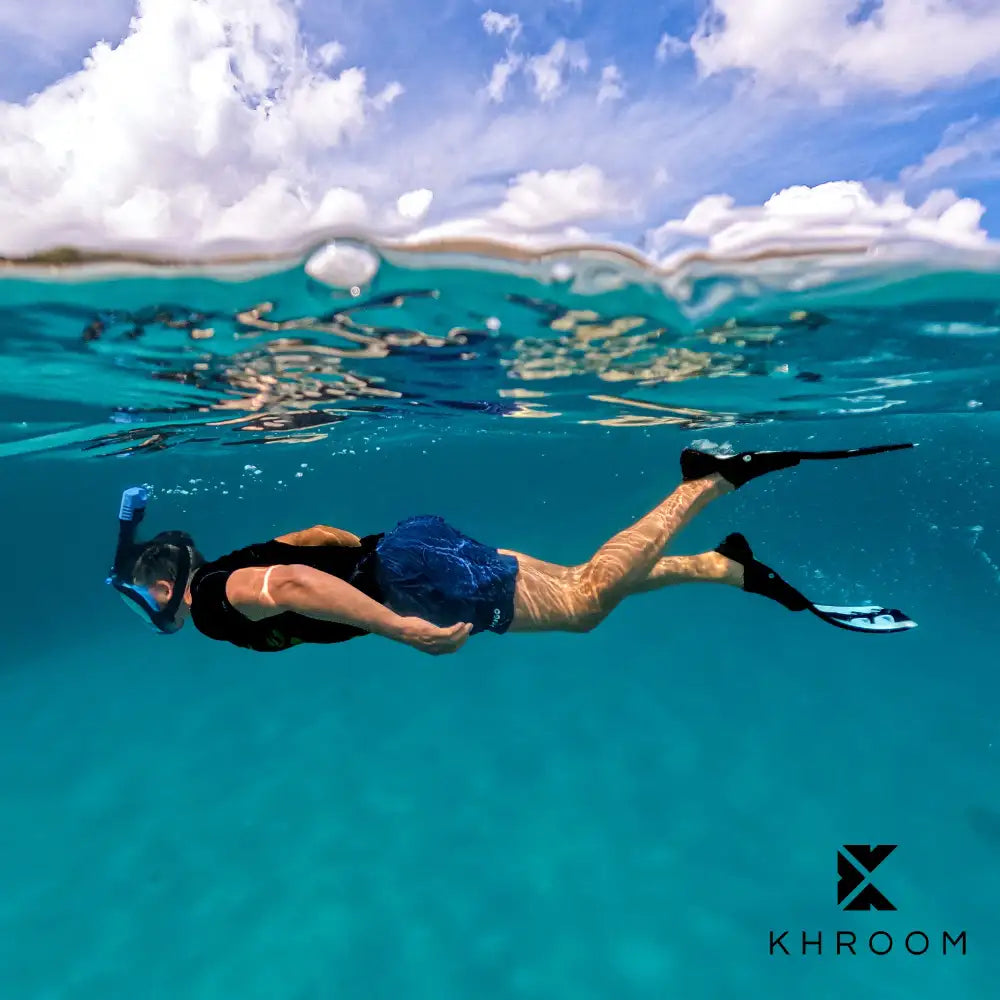
The incredible biodiversity of Gran Canaria deserves a high-quality mask with panoramic visibility – with over 400 fish species, you won’t want to miss a single detail. Bringing your own gear is especially worthwhile at remote spots such as Tufia, Las Merinas, or Caleta Baja, where rental stations are limited.
Recommended Masks
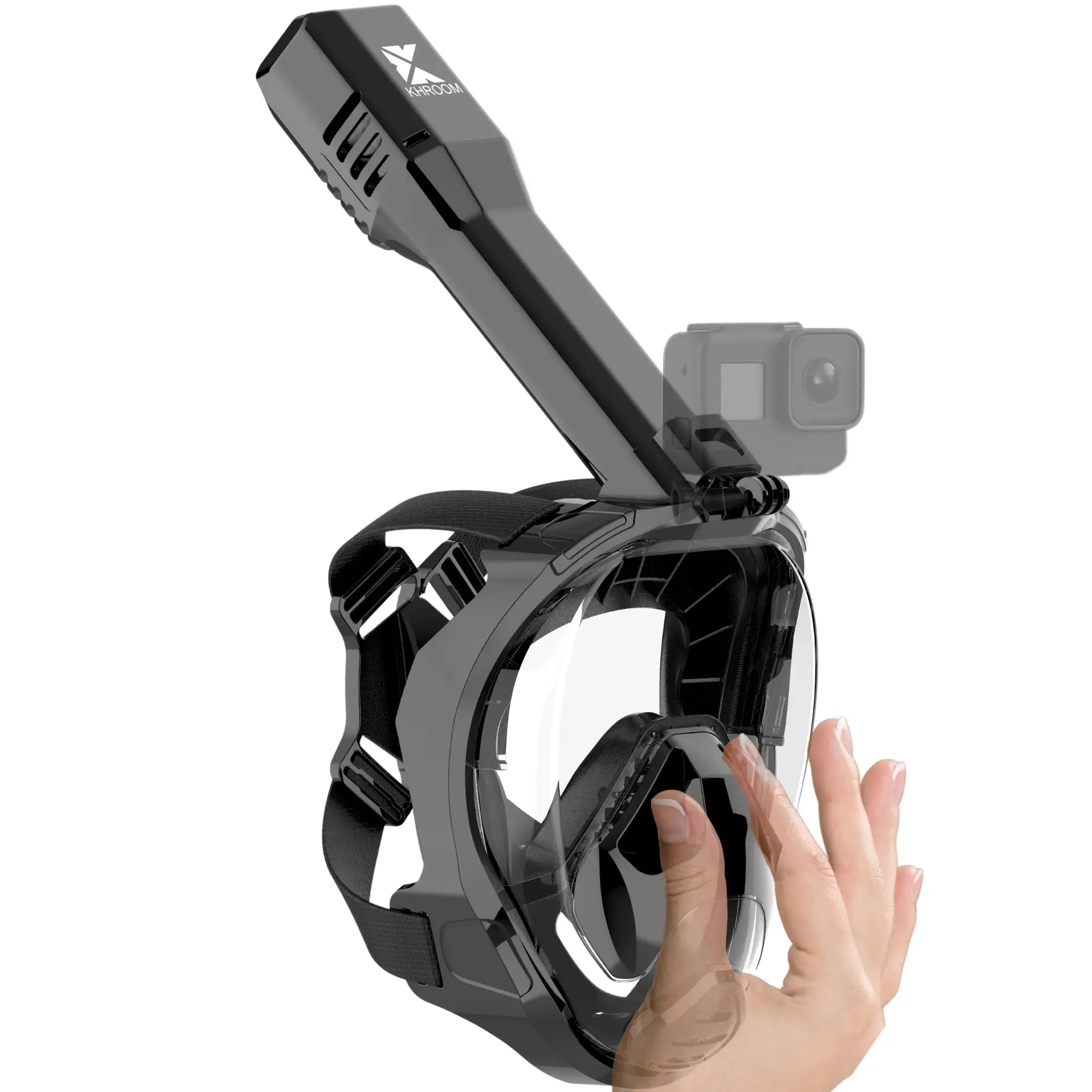
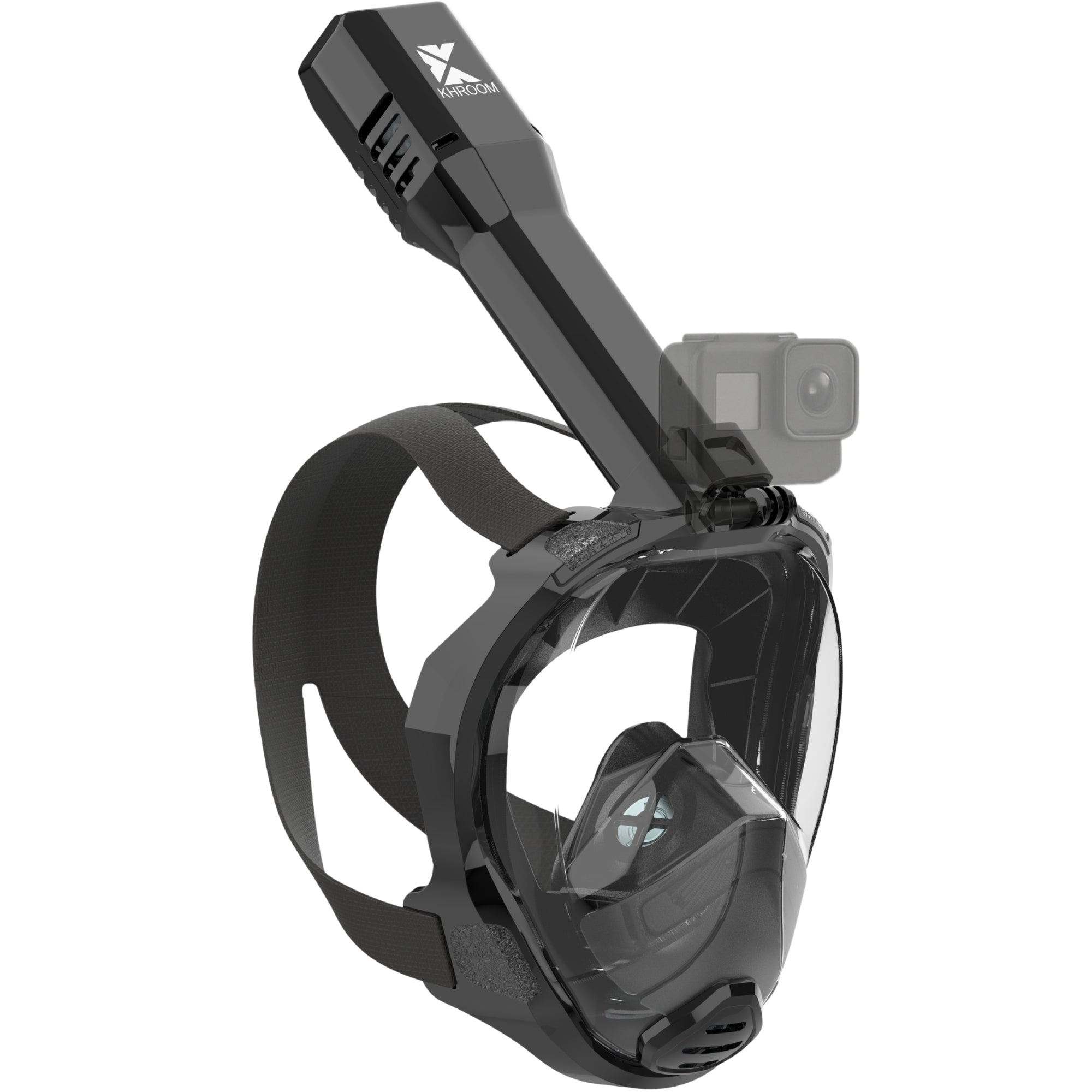
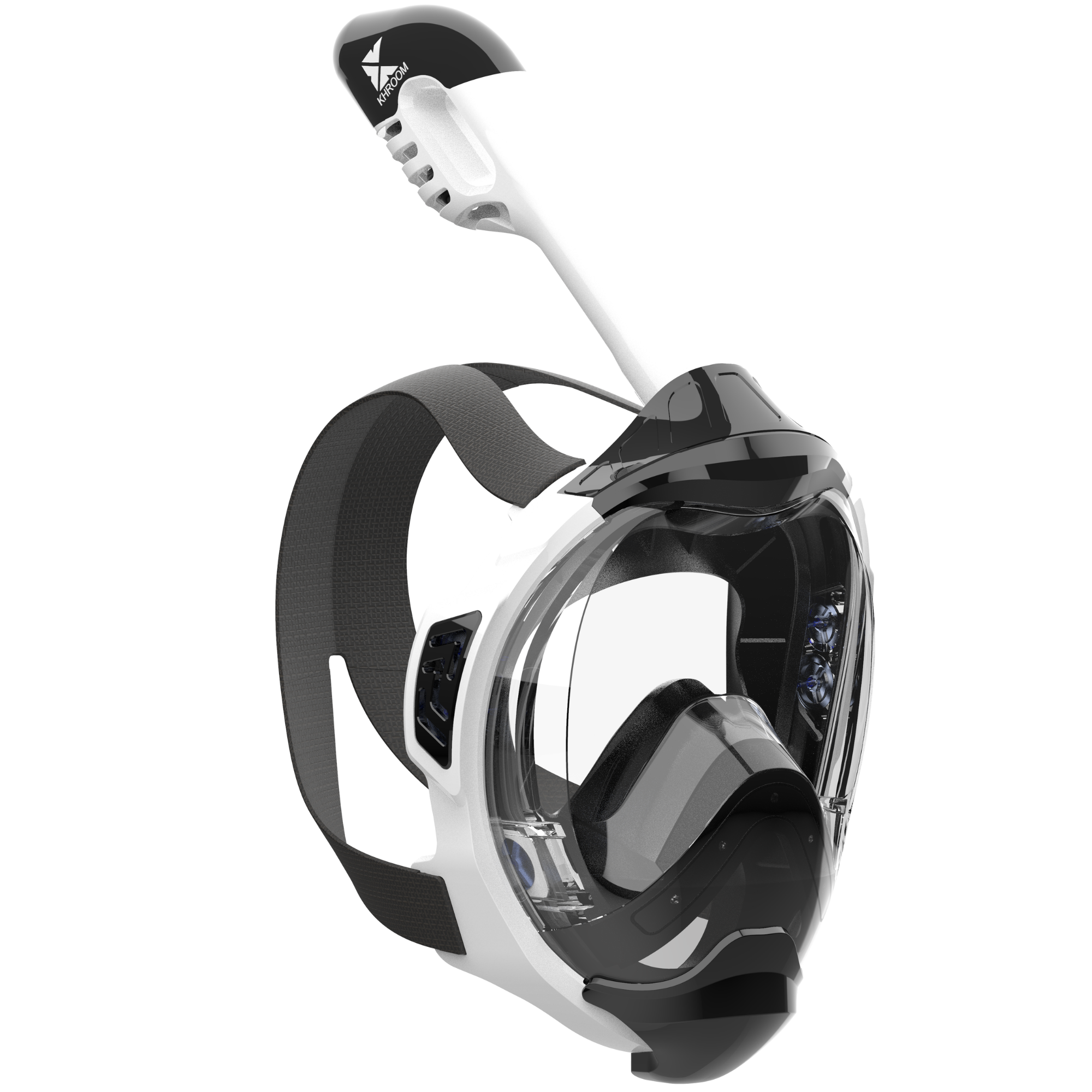
- Khroom Seaview Pro – SGS tested with 180° panoramic view. The wide field of vision is a real advantage when exploring Gran Canaria’s rich marine life. Best-selling mask with excellent value.
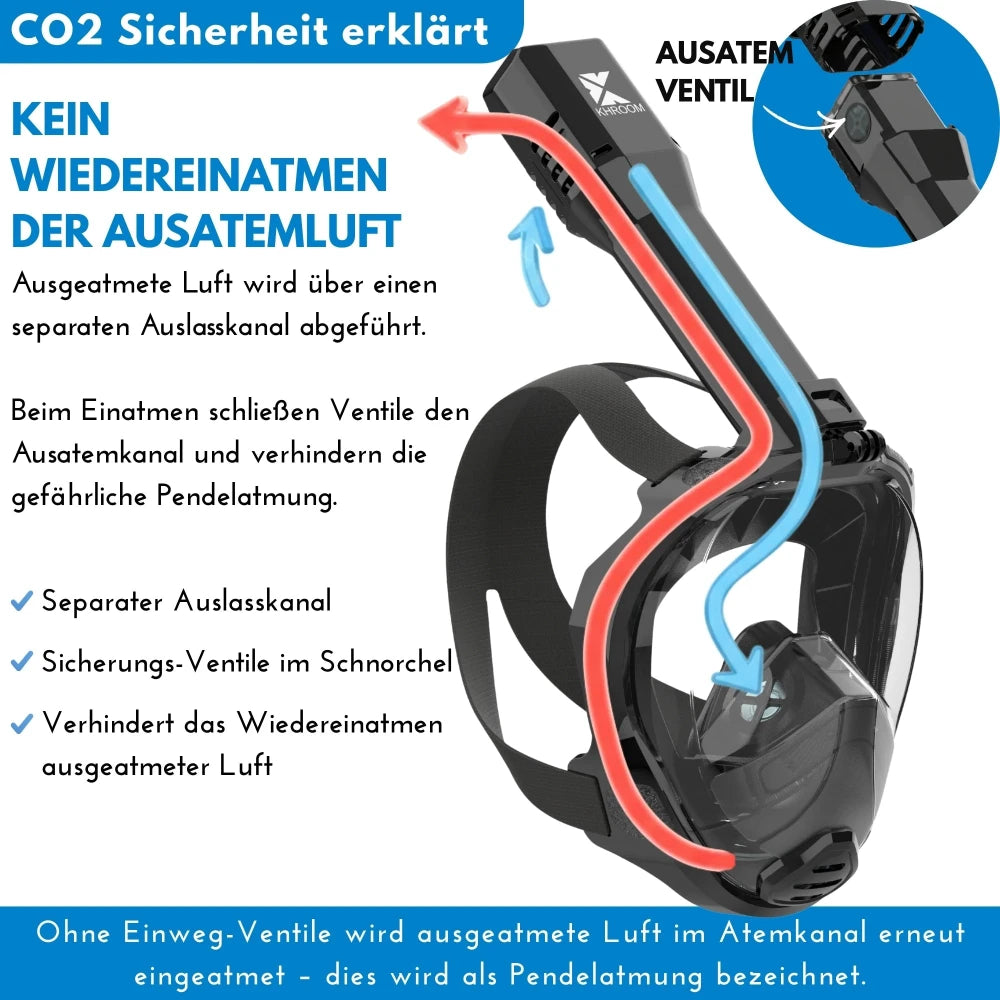
- Khroom Seaview Pro Plus – CO₂-tested with pressure equalization capability. Ideal if you want to explore underwater caves and rock formations at El Cabrón.
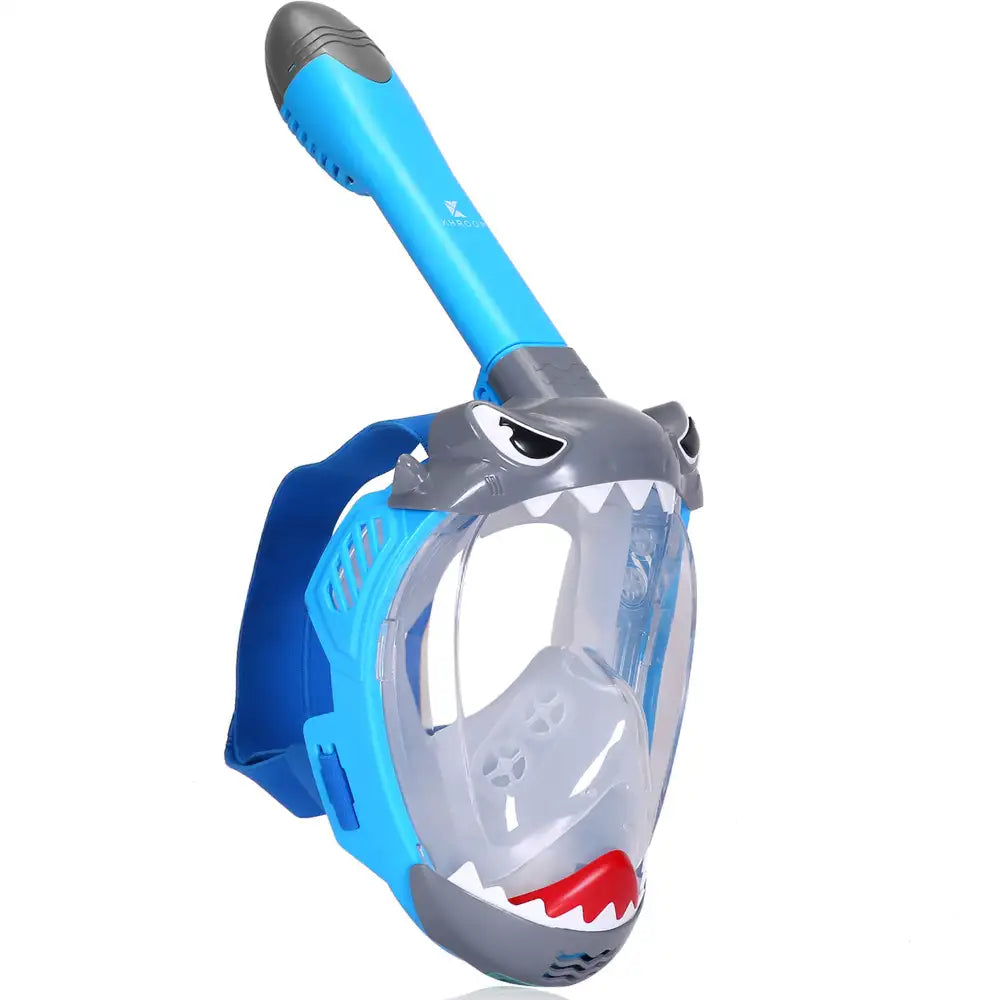
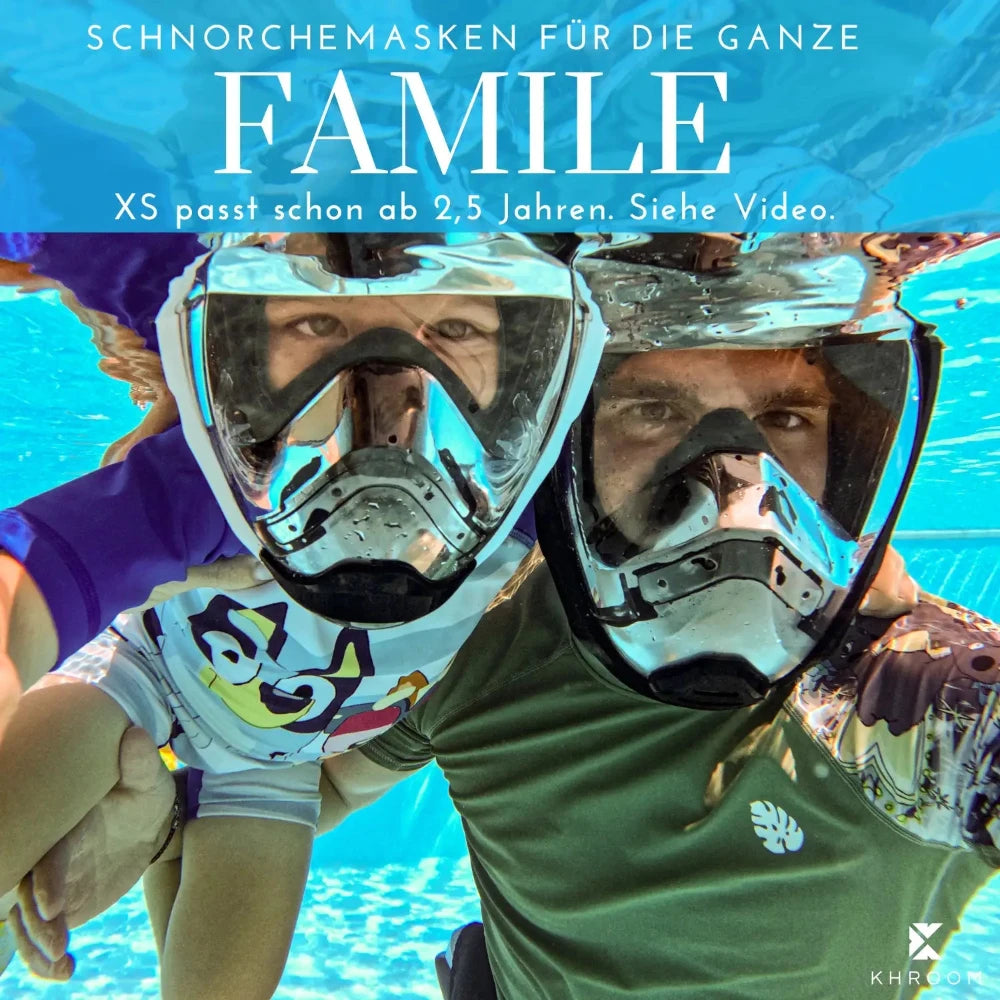
- Khroom Seaview Kids – the only TÜV-certified snorkeling mask for children. Perfect for Las Canteras and Playa Chica.
Why CO₂ safety matters: Guide: CO₂-safe snorkel masks | Full comparison: Snorkel Mask Test 2026
Additional Equipment
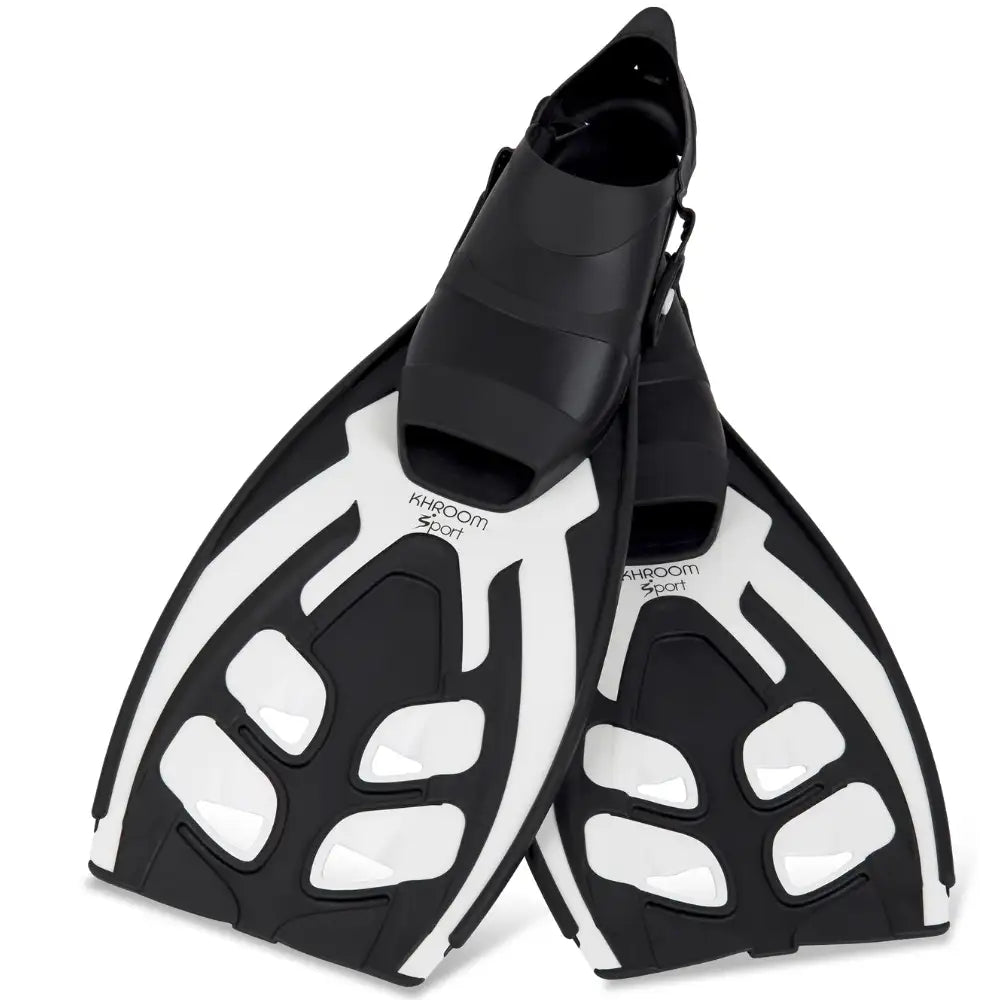
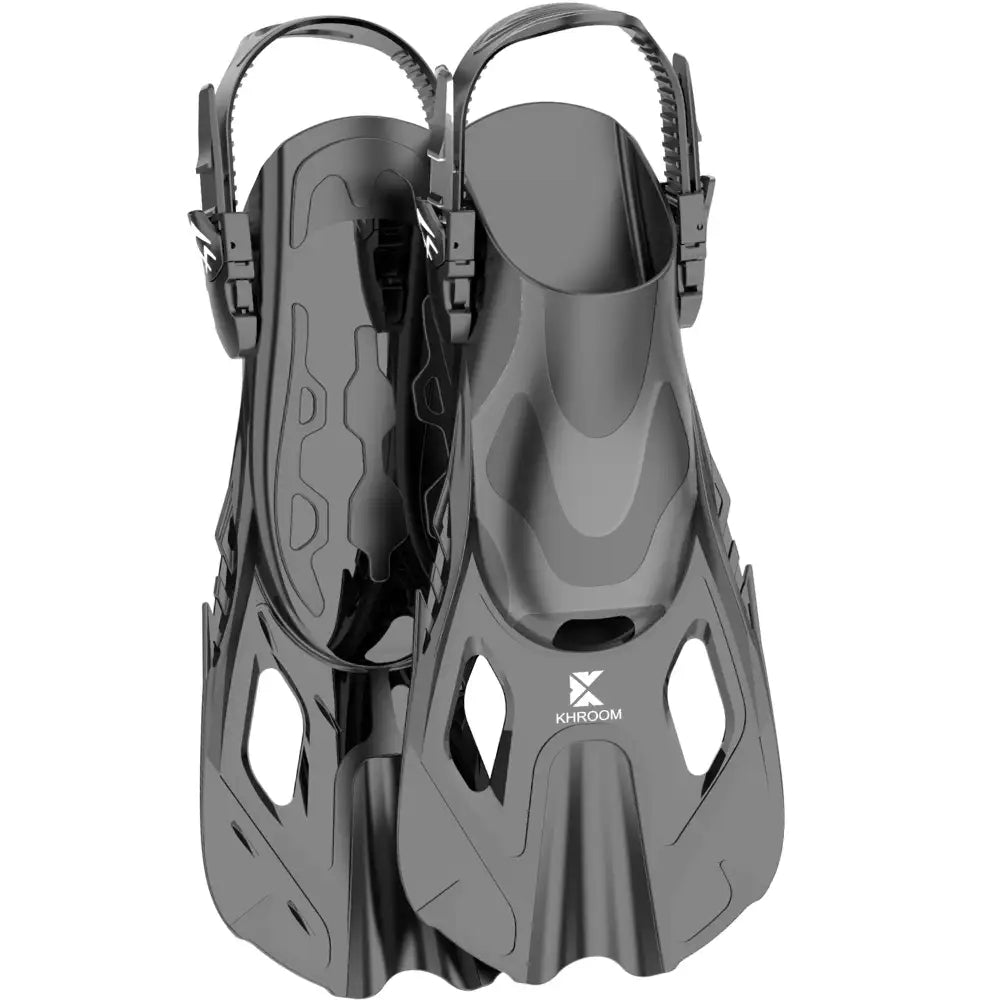
- Adjustable short snorkeling fins – compact and travel-friendly
- Neoprene socks (3 mm) – essential on Gran Canaria: volcanic rocks and sea urchins are common
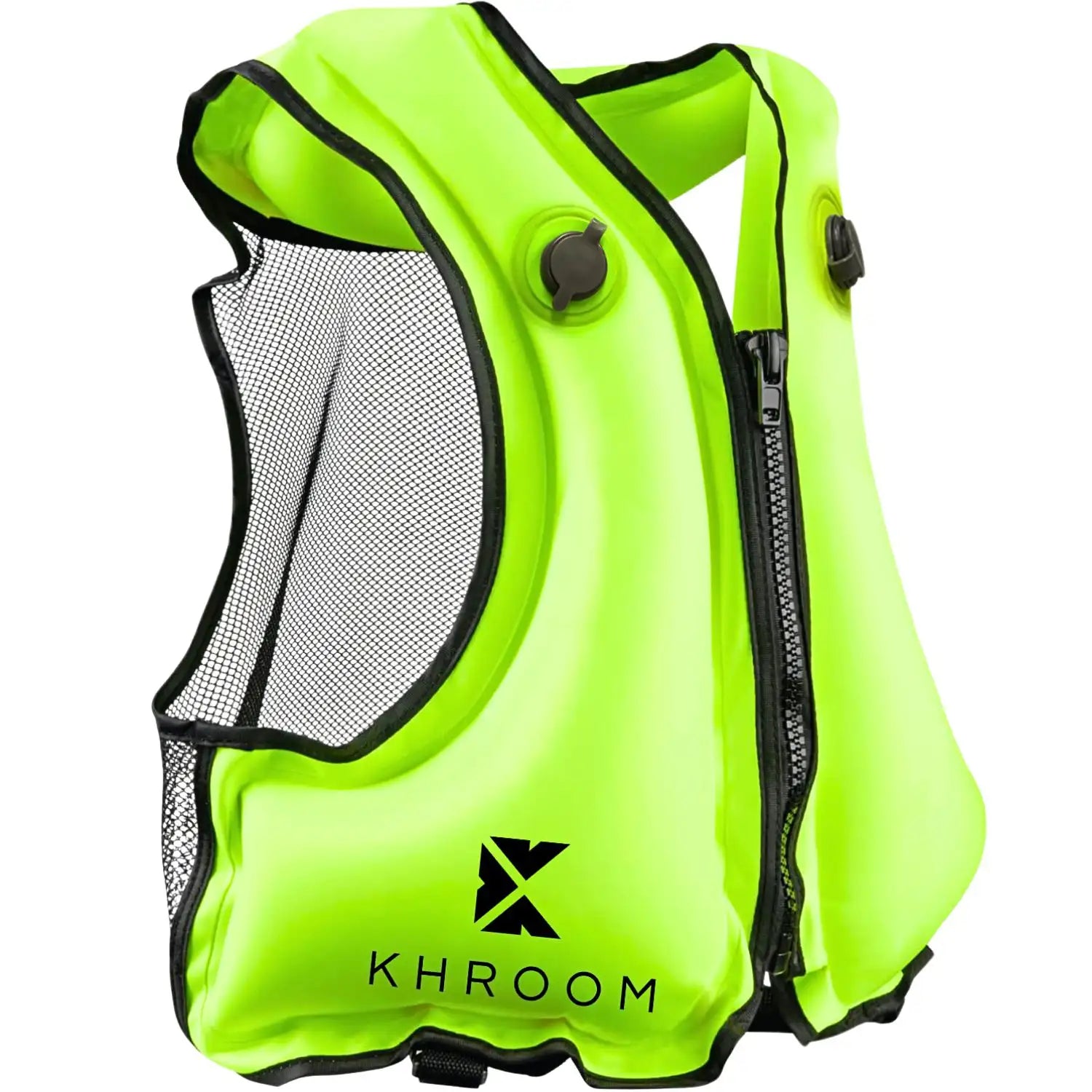
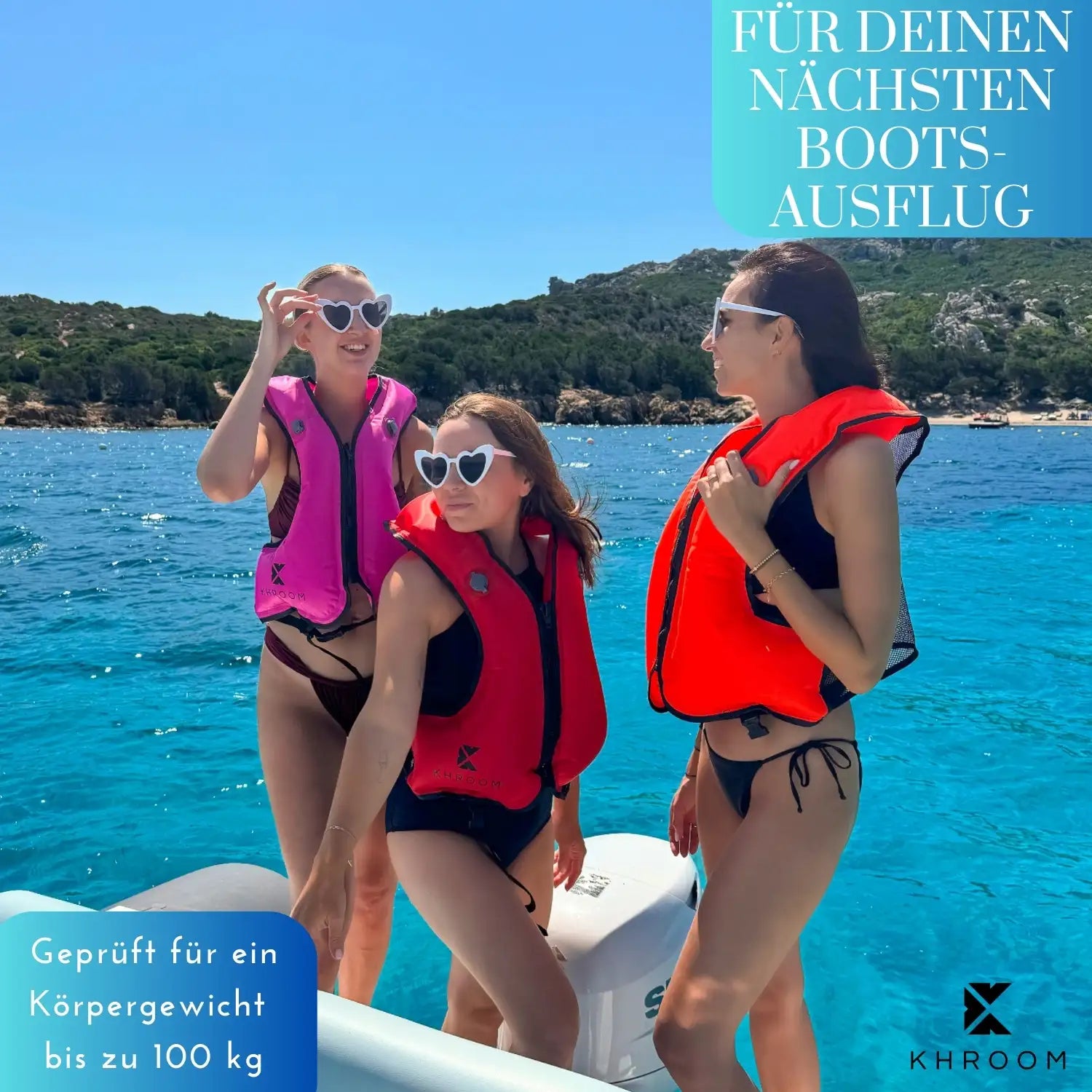
- Snorkel Vest – helpful for beginners and children
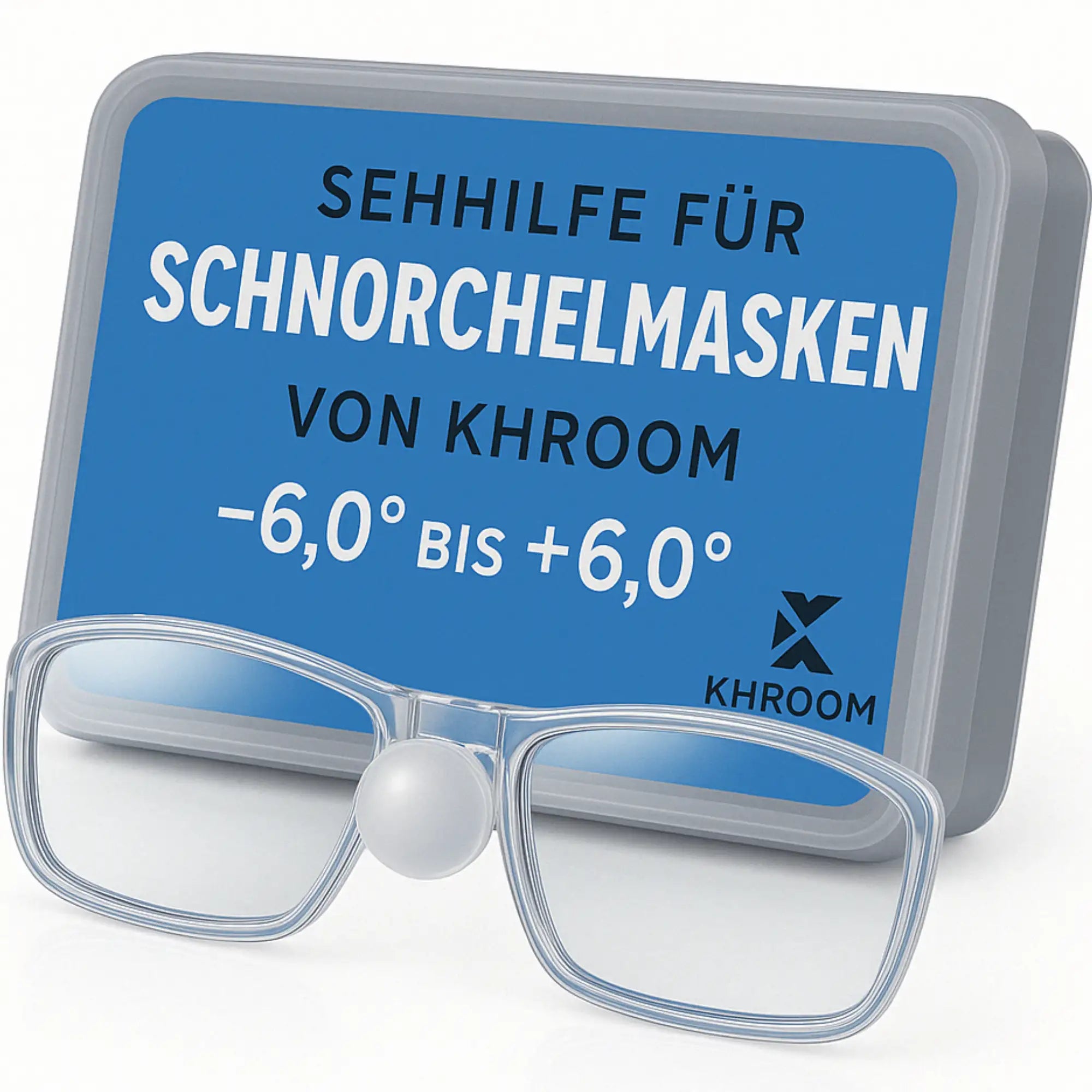
- Optical inserts (-6.0 to +6.0 dpt) – for glasses wearers. Guide for glasses wearers
- UV shirt – the Canary Islands sun is intense, even in the water
- Underwater camera – with 400+ fish species, you’ll want photos
6. Snorkeling with Kids in Gran Canaria
Gran Canaria is an excellent snorkeling destination for families thanks to its city beaches with great infrastructure, sheltered bays, and mild water temperatures throughout the year.
Best Spots for Kids
- Playa Chica (Las Palmas): Max depth 5 m, colorful reef ecosystem – the perfect starting point.
- Las Canteras (Las Palmas): Natural reef protects against waves, lifeguards, showers, and restaurants.
- Tufia: Calm water, authentic fishing village, free parking.
- Amadores: Artificially protected bay with white sand and turquoise water.
- Puerto de Mogán: Charming harbor, easy water entry, great restaurants nearby.
Detailed guide: Safe snorkeling with children | At what age can kids start snorkeling?
Family Tips
- Short sessions: 15–30 minutes, then take a break – children cool down faster even at 23 °C.
- Neoprene socks required: volcanic rocks and sea urchins – neoprene socks are essential.
- UV protection: the Canary Islands sun is strong even in winter. UV shirts for children are recommended.
- One adult per two children in the water – always within arm’s reach.
7. Travel Tips & Safety Rules
Getting There
Gran Canaria Airport (LPA) is located just 18 km south of the capital. Direct flights operate year-round from major German cities with airlines such as Condor, Eurowings, TUIfly, Ryanair, and Lufthansa. Flight time: about 4–5 hours. Transfer times to snorkeling spots: Las Canteras 20 min, El Cabrón 15 min, southern spots 30–45 min.
On the Island
- Rental car recommended: snorkeling spots are distributed around the island.
- Start early: mornings offer the calmest sea and best visibility.
- South and east coasts during wind: switch to the sheltered side of the island when trade winds are strong.
Safety Rules
- Never snorkel alone – always go with a partner.
- Wear neoprene socks – volcanic rocks and sea urchins.
- Do not touch angel sharks – they are harmless but deserve respect and distance.
- Sun protection – the Canary Islands sun is strong even underwater. Use a UV shirt or reef-safe sunscreen.
- Respect marine reserves – special rules apply in El Cabrón.
- Use CO₂-tested masks only – Are full-face snorkel masks safe?
- Leave the water immediately if you feel unwell – dizziness or headaches are warning signs.
8. Conclusion & Packing List
Gran Canaria is the perfect snorkeling destination for anyone looking for biodiversity, year-round conditions, and unique wildlife encounters. With more than 400 fish species at El Cabrón, angel sharks near Sardina del Norte, seahorses around Tufia, and a reef city beach in Las Palmas, the island offers one of Europe’s most diverse underwater experiences.
Our recommendations by category:
- Best biodiversity: El Cabrón (400+ species), Risco Verde (best visibility)
- Best for angel sharks: Sardina del Norte, El Cabrón
- Best for families: Las Canteras, Playa Chica (max 5 m), Amadores, Puerto de Mogán
- Best hidden gems: Tufia (fishing village), Las Merinas, Caleta Baja (dolphins)
- Best for beginners: Amadores, Playa Chica, Las Canteras
Gran Canaria Snorkeling Packing List:
Seaview Pro or Seaview Pro Plus – CO₂-tested snorkel mask
Seaview Kids – TÜV-certified for ages 3–10
Adjustable short fins – compact and travel-friendly
Neoprene socks (3 mm) – essential for volcanic rocks & sea urchins
Snorkel Vest – helpful for beginners and children
Optical inserts – for glasses wearers
UV shirt – strong Canary Islands sun
Underwater camera – capture 400+ fish species and angel sharks
Further Reading
- Snorkel Mask Test 2026: The Best Masks Compared
- Safe snorkeling with children
- Guide: CO₂-safe snorkel masks
- Which snorkel mask is best for beginners?
- Snorkel masks for glasses wearers
- Dangers of CO₂ buildup in snorkel masks
- How to breathe properly while snorkeling
- Learn how to snorkel – step by step

Written by Christian Hanauer


%20%E2%80%93%20marine%20reserve%20with%20over%20400%20documented%20fish%20species%0A%20%20%20%20%0A%20%20%20%20%0A%20%20%20%20%20%20%20%20Unique:%20A...)