
Snorkeling in Thailand: Coral Reefs, Reef Sharks & the Best Spots
Snorkeling in Thailand – Key Facts at a Glance:
World-class spot: Similan Islands – 20–40 m visibility, sea turtles, leopard sharks (Nov–Apr)
Turtle island: Koh Tao – year-round snorkeling with green sea turtles
Movie location: Maya Bay (Koh Phi Phi) – “The Beach” with juvenile reef sharks
Water temperature: 28–32 °C year-round – no wetsuit needed
Important: Box jellyfish warning May–Oct – follow safety guidelines carefully!
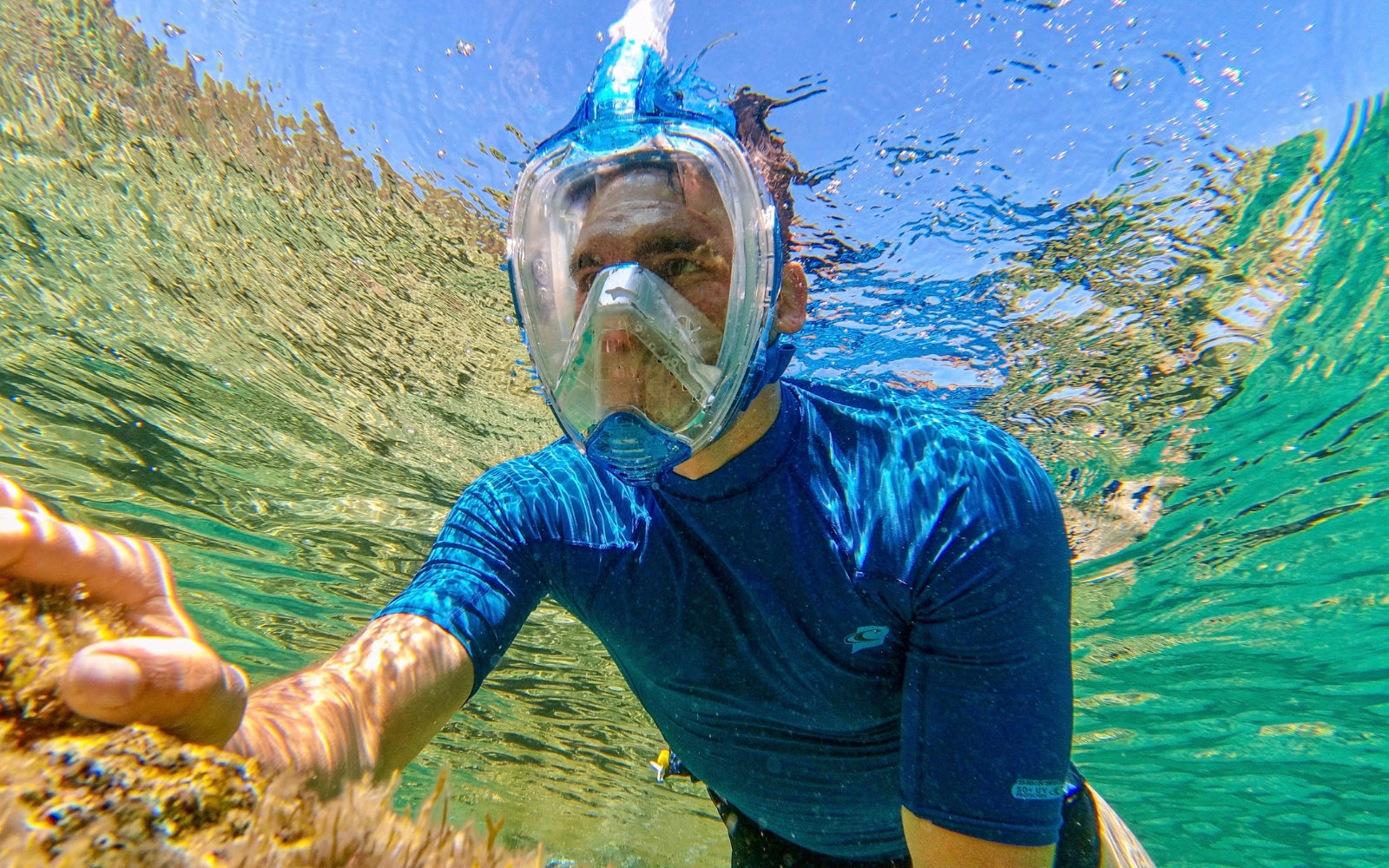
Thailand is the Champions League of snorkeling. What feels extraordinary in Europe – clear water, colorful fish, sea turtles – is simply normal here. Warm tropical water all year round (28–32 °C), spectacular coral reefs with visibility up to 40 meters, harmless reef sharks, sea turtles, and an explosion of underwater colors that leaves every snorkeler speechless.
From the legendary Similan Islands to the turtle island Koh Tao and the iconic film location Maya Bay on Koh Phi Phi: in this guide you will discover the best snorkeling spots in six regions, everything about Thailand’s split seasons (Andaman Sea vs. Gulf of Thailand), and the essential safety information – because besides its beauty, Thailand also has serious risks you should be aware of.
1. Why Thailand Is a Snorkeling Paradise
- Tropical coral reefs: Hard corals, soft corals, sea fans, staghorn corals – the biodiversity is breathtaking and unmatched in Europe.
- Reef sharks up close: Blacktip reef sharks (1–1.5 m) are harmless and regularly seen around Koh Tao and Koh Phi Phi – an unforgettable experience.
- Sea turtles year-round: Green sea turtles and hawksbill turtles are commonly seen around Koh Tao, the Similan Islands, and Koh Lipe.
- No wetsuit needed: Water temperatures of 28–32 °C all year – swimwear is enough.
- Outstanding value: Full-day snorkeling tours from about €60 including equipment and lunch; rental masks from around €3 per day.
- Two seasons, double opportunity: When the monsoon hits the west coast, the east coast usually has perfect conditions – there is always a good snorkeling region somewhere in Thailand.
2. The 6 Best Regions & Their Top Spots
Koh Tao – The Turtle Island
Koh Tao in the Gulf of Thailand lives up to its name: “Turtle Island.” Here you can snorkel with reef sharks, encounter green sea turtles year-round, and explore spots for every skill level – from shallow coral gardens to deeper bays.
2.1 Shark Bay (Thian Og Bay) – Koh Tao
Level: Advanced (currents) · Visibility: 15–25 m
The name says it all: Shark Bay regularly offers encounters with harmless blacktip reef sharks in shallow water – an experience that will truly take your breath away. These sharks grow to around 1–1.5 meters and pose no danger to humans. Best time: early morning (6–8 am) or late afternoon.
Tip: Reachable by longtail boat or via a challenging hiking trail. Float calmly on the surface – the sharks usually approach naturally.
2.2 Aow Leuk & Japanese Gardens – Koh Tao
Level: Beginners & families · Visibility: 15–25 m
Aow Leuk is the perfect beginner spot: crystal-clear water, vibrant coral gardens, clownfish in sea anemones, parrotfish, and sea turtles – all accessible directly from the beach. The Japanese Gardens on nearby Koh Nang Yuan (famous for its sandbar connecting three islands) feature gently sloping coral gardens ideal for families. Entry fee Koh Nang Yuan: 100 THB (approx. €2.50).
Similan Islands – World-Class Snorkeling
The Similan Islands in the Andaman Sea are the ultimate snorkeling destination in Thailand – and among the best in the world. Visibility up to 40 meters, nearly untouched coral reefs, and marine life ranging from leopard sharks to sea turtles. Important: Open only from November to April.
2.3 Donald Duck Bay & Coral Bay – Similan Islands
Level: All levels · Visibility: 20–40 m · Season: November–April
Donald Duck Bay (Island 8) is the postcard location of the Similan Islands: white sand beaches, granite boulders, and underwater visibility of up to 40 meters. Coral Bay (Island 6) offers spectacular coral reefs in shallow water where sea turtles and leopard sharks are regularly seen. Suitable for both beginners and experienced snorkelers.
Tip: Day trips depart from Khao Lak or Phuket (approx. 1.5 hours by boat). National park fee: about €11 for adults, €5.50 for children. Book early – visitor numbers are limited.
Koh Phi Phi – The Movie Location
Koh Phi Phi became world famous through the film “The Beach” starring Leonardo DiCaprio – and the underwater scenery lives up to the hype. Juvenile blacktip reef sharks patrol Maya Bay, pristine reefs surround Bamboo Island, and the turquoise lagoon of Pileh Bay looks almost surreal.
2.4 Maya Bay & Pileh Bay – Koh Phi Phi Leh
Level: Advanced · Visibility: 10–20 m
Maya Bay reopened after a conservation closure, and the ecosystem has recovered impressively. Juvenile blacktip reef sharks patrol the bay and coral reefs are slowly regenerating. Nearby Pileh Bay is a surreal lagoon surrounded by towering cliffs with turquoise water and coral formations on sandy seabeds.
Tip: Accessible only by boat tours. Swimming directly from the beach in Maya Bay is prohibited – snorkeling takes place in the surrounding areas. The bay closes annually in August–September.
2.5 Bamboo Island & Hin Klang – Koh Phi Phi
Level: Beginner to advanced · Visibility: 10–20 m
Bamboo Island offers the quieter side of Koh Phi Phi: pristine beaches, healthy coral reefs, and abundant marine life. Hin Klang near Laem Tong Beach is considered one of the best snorkeling spots in southern Thailand – an underwater reef with crystal-clear water and remarkable biodiversity.
Koh Lipe – The Maldives of Thailand
Koh Lipe in the far south is often called the “Maldives of Thailand.” Powder-white beaches, turquoise water, and colorful coral reefs accessible directly from the shore make it a dream destination. It is also quieter and less touristy than Phi Phi or Phuket.
2.6 Sunrise Beach & Pattaya Beach – Koh Lipe
Level: Beginners & families · Visibility: 15–25 m
At Sunrise Beach (east coast) you will find colorful coral reefs just a few meters from the shore – no boat needed, simply put on your mask and swim out. Pattaya Beach (south coast) is the island’s main beach with good infrastructure and particularly calm water, making it ideal for children.
2.7 Surin Islands – Thailand’s Last Intact Coral Reef
Level: Advanced · Visibility: 20–40 m · Season: November–April
The Surin Islands National Park north of the Similans is home to one of Thailand’s last nearly untouched coral reef systems. Remote and accessible only via multi-day boat tours, the islands remain largely protected from mass tourism – perfect for snorkelers seeking a true wilderness experience.
2.8 HTMS Chang Wreck & Koh Wai – Koh Chang
Level: Advanced (wreck) / beginners (Koh Wai) · Visibility: 10–15 m
Thailand’s largest shipwreck – the HTMS Chang – serves as an artificial reef and attracts a wide variety of marine life. The upper sections of the wreck can be seen from the surface. Nearby islands such as Koh Wai and Koh Mak offer a completely different experience with calm, family-friendly snorkeling conditions, crystal-clear water, and far fewer tourists.
3. Best Time to Visit – Two Seasons to Consider
Thailand has a split weather system – and that’s actually an advantage. When one coast experiences the monsoon, the other usually has its high season. That means you can find excellent snorkeling conditions year-round if you know where to go.
| Region | Best Months | Avoid | Water Temp. |
|---|---|---|---|
| Andaman Sea (Similan, Phi Phi, Lipe, Phuket) | November – April | May – October (monsoon) | 28–31 °C |
| Similan & Surin Islands | November – April | May – October (CLOSED) | 28–30 °C |
| Gulf of Thailand (Koh Tao, Samui, Phangan) | March – September | October – February (more rain) | 28–32 °C |
| East Coast (Koh Chang) | November – April | May – October (monsoon) | 28–30 °C |
4. Marine Life: Reef Sharks, Clownfish & Coral Reefs
Thailand’s underwater world is in a completely different league compared with the Mediterranean. Tropical biodiversity is overwhelming – in a single snorkeling session you will often see more colors and species than during an entire Mediterranean holiday.
- Blacktip reef sharks: 1–1.5 m long and completely harmless – frequently seen at Koh Tao (Shark Bay) and Koh Phi Phi (Maya Bay).
- Leopard sharks: Resting on sandy seabeds – often found around the Similan Islands.
- Sea turtles: Green turtles and hawksbill turtles – common year-round at Koh Tao and seasonally around the Similans.
- Clownfish: The famous “Nemo” fish living in sea anemones – especially common at the Similan Islands and Koh Tao. A highlight for children.
- Parrotfish & angelfish: Large, colorful, and widespread across Thai reefs.
- Barracuda schools: Often seen in deeper water forming impressive silver walls.
- Blue-spotted stingrays & eagle rays: Gracefully gliding above sandy seabeds.
- Giant moray eels: Hiding in rock crevices – particularly impressive at Koh Tao (Tanote Bay). Do not touch.
- Coral diversity: Table corals, staghorn corals, soft corals, sea fans – the color diversity is breathtaking.
5. Safety: Box Jellyfish & Other Hazards
LIFE-THREATENING: Box Jellyfish (May–October)
The box jellyfish is one of the most venomous animals in the world and occurs in Thai waters – especially in the Gulf of Thailand and near Phuket beaches. The main season is May to October, with peak activity between July and October.
Symptoms: Extreme pain, respiratory paralysis, cardiac arrest – potentially life-threatening.
Protection measures:
- Wear a stinger suit during jellyfish season
- Always follow local warnings and ask locals before entering the water
- Prefer beaches with protective nets
- Never touch jellyfish on the beach – even dead ones can sting
First aid: Call emergency medical help immediately. Pour vinegar on the wound (neutralizes stinging cells). Do not rub and do not rinse with fresh water.
Other Hazards
- Portuguese man o’ war: Occasionally appears near Phuket beaches – causes extremely painful stings.
- Triggerfish: Territorial and aggressive during breeding season – keep your distance.
- Stonefish: Perfectly camouflaged on the seabed and extremely venomous – never touch the bottom.
- Sea urchins: Common on coral and rocks – wear neoprene socks or water shoes.
- Currents: Often strong near rocky headlands – never swim against the current.
- UV radiation: Extremely high year-round. Use SPF 50+, wear a UV shirt, and reapply sunscreen every 30 minutes.
6. The Right Snorkeling Equipment
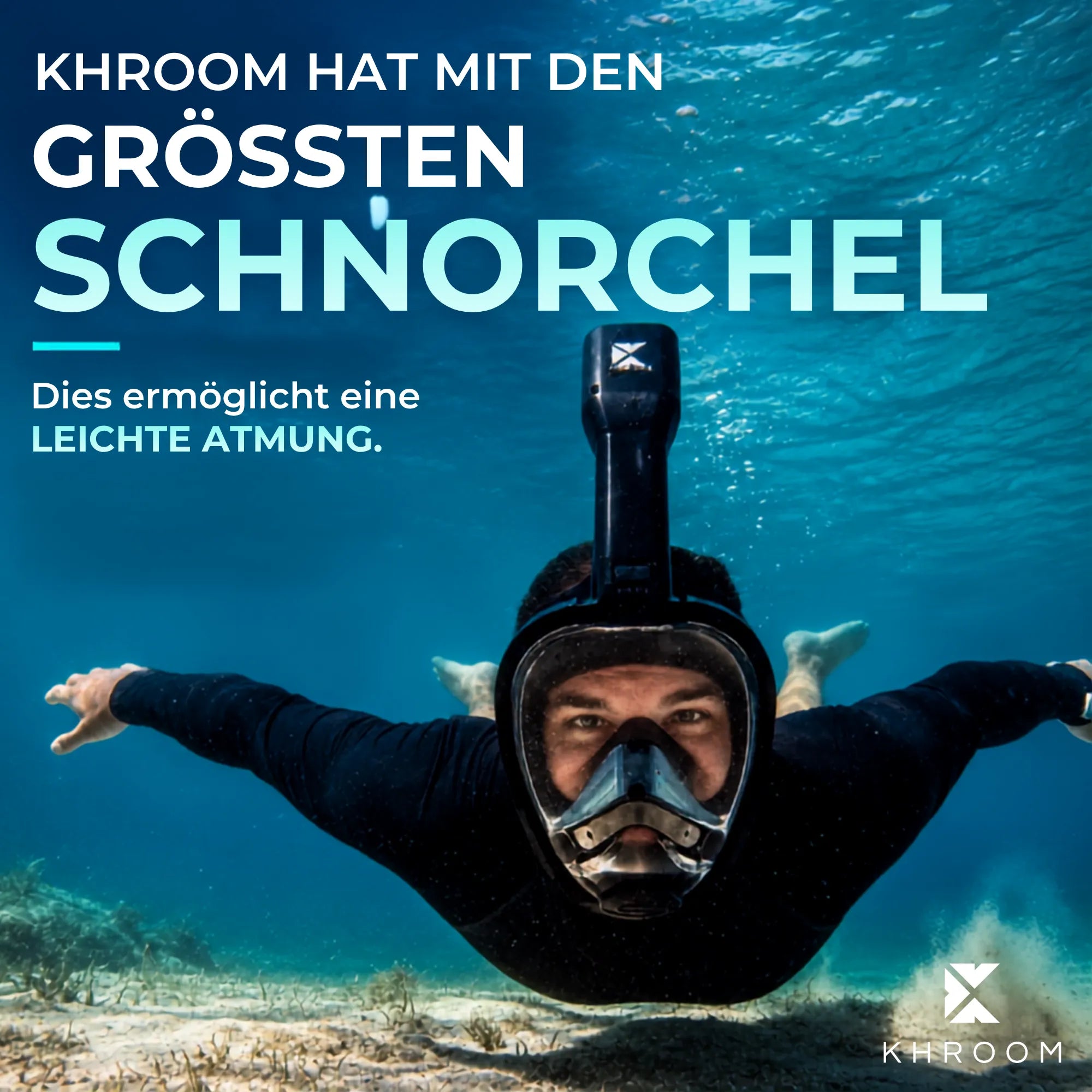
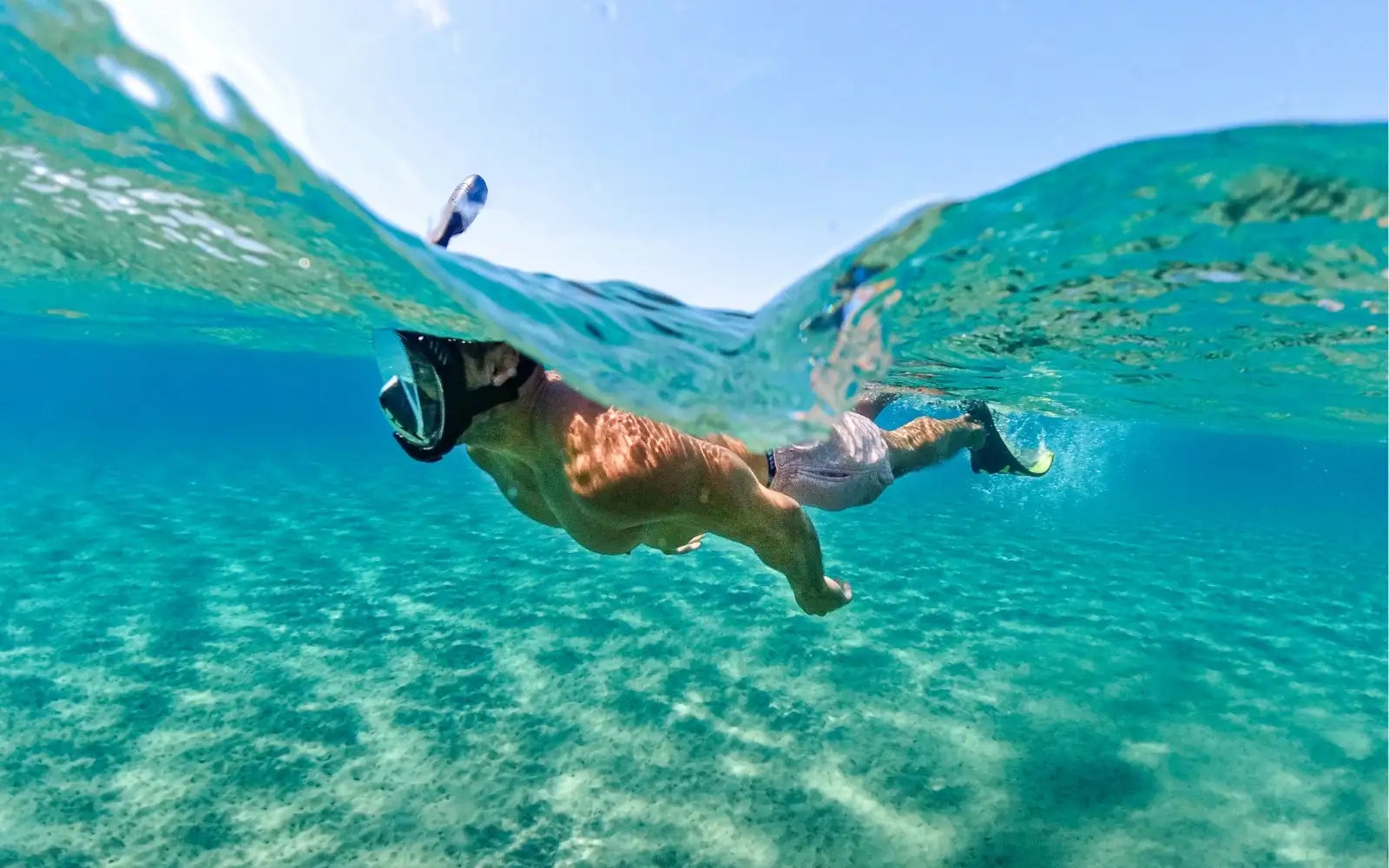
Rental gear is available on almost every Thai beach (from about €3/day). However, quality can be questionable – worn masks, leaking seals, and no CO₂ safety testing. Because snorkeling sessions in Thailand often last two to three hours in warm water, bringing your own equipment is highly recommended.
Mask Recommendations
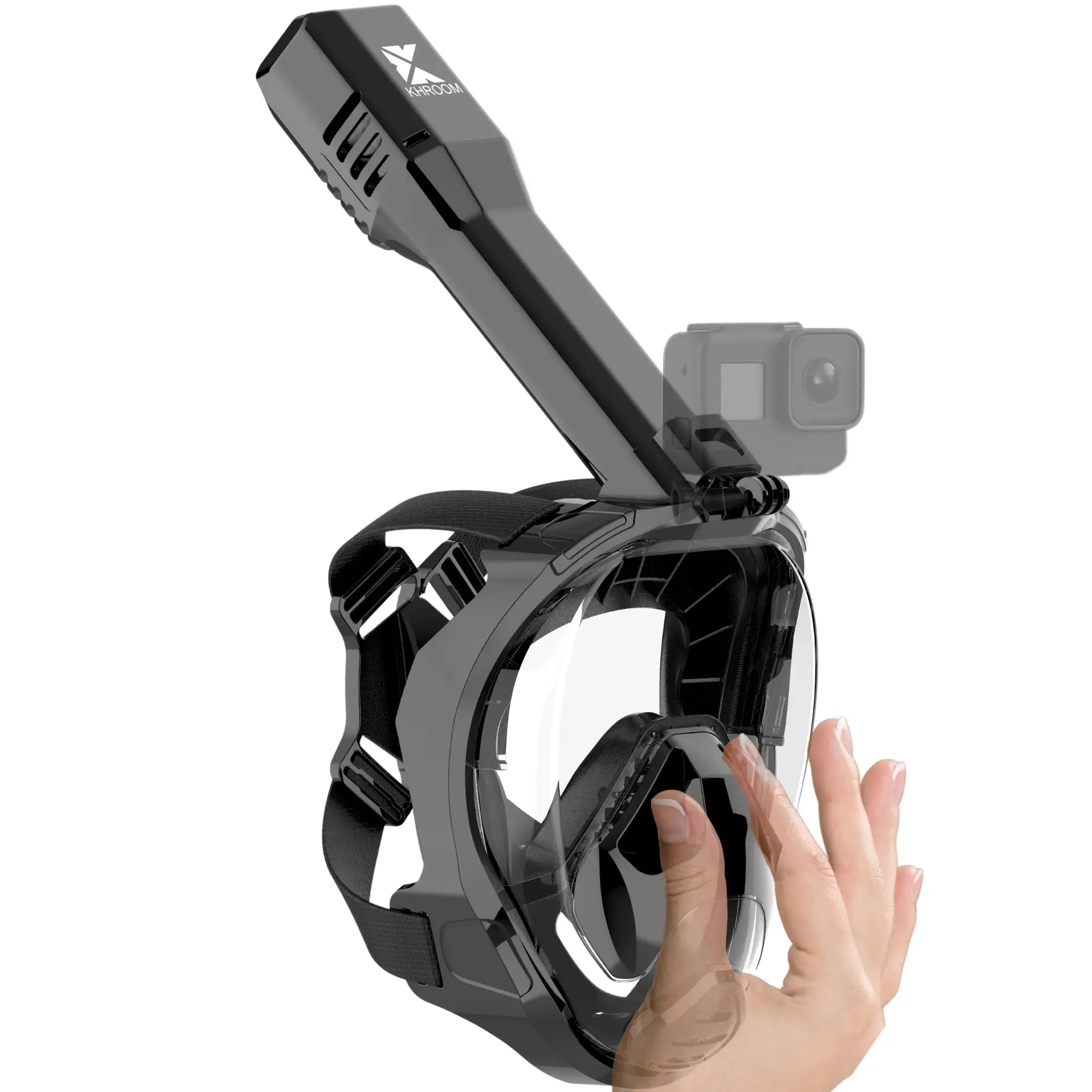
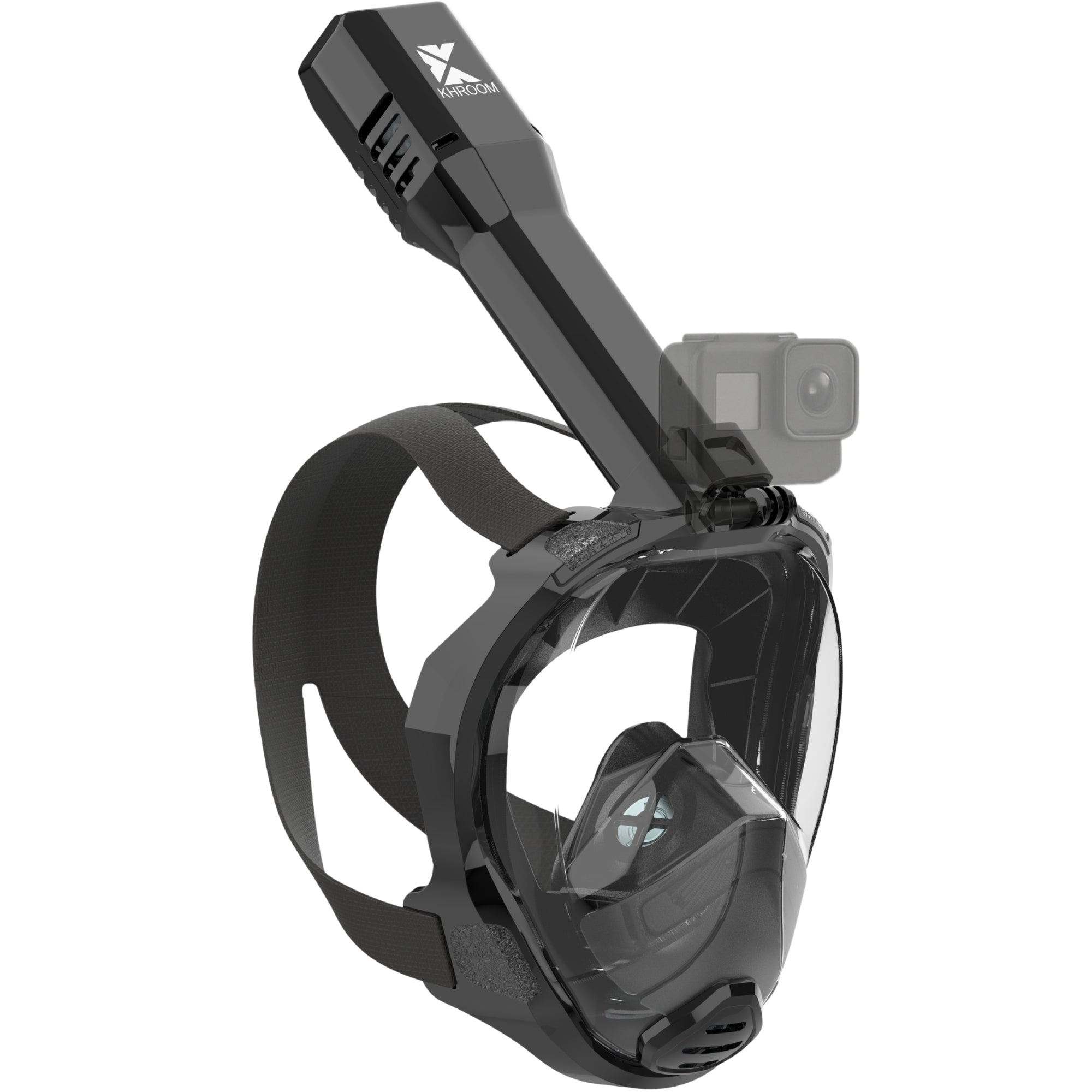
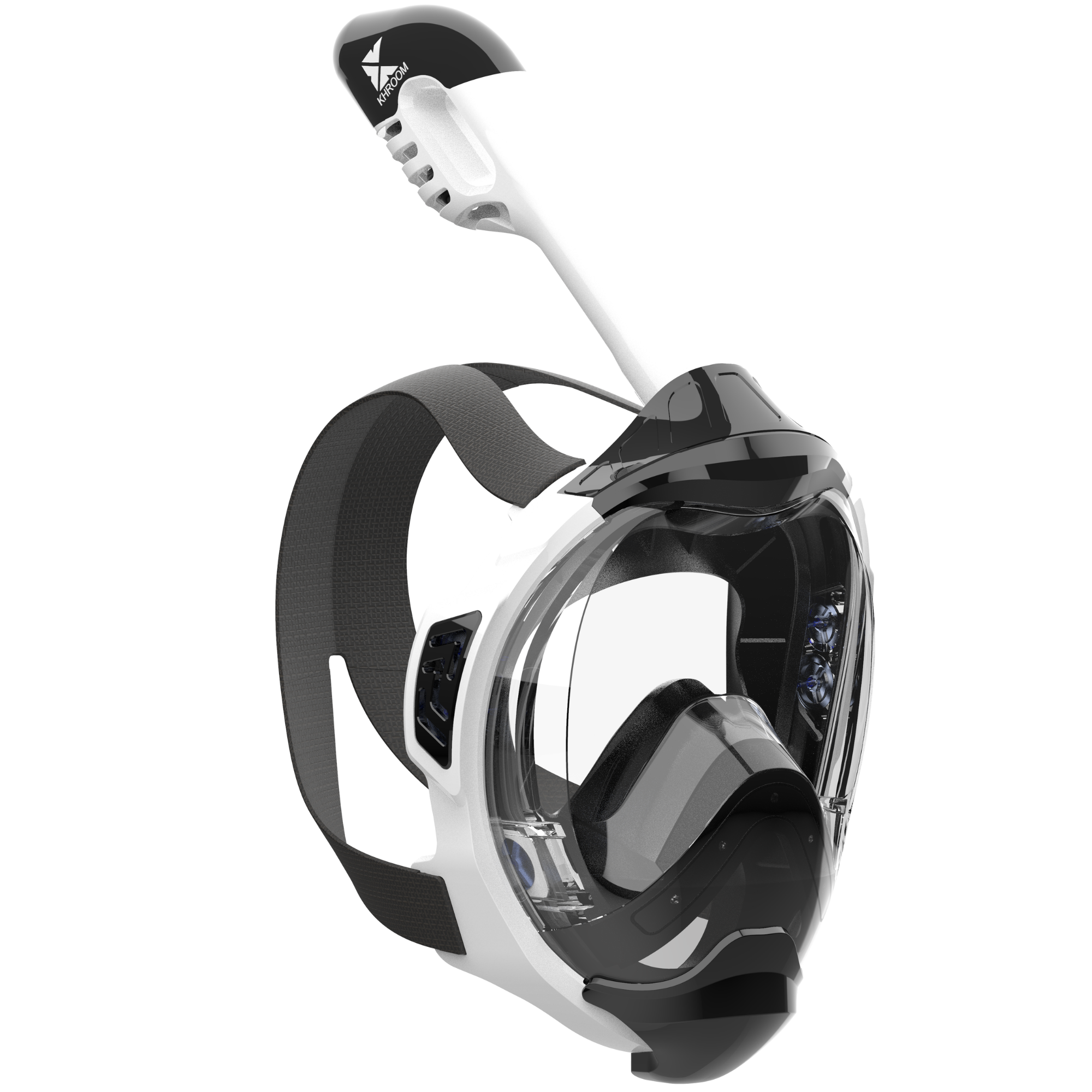
- Khroom Seaview Pro – SGS-tested with a 180° panoramic view. Perfect for Thailand’s vibrant underwater scenery.
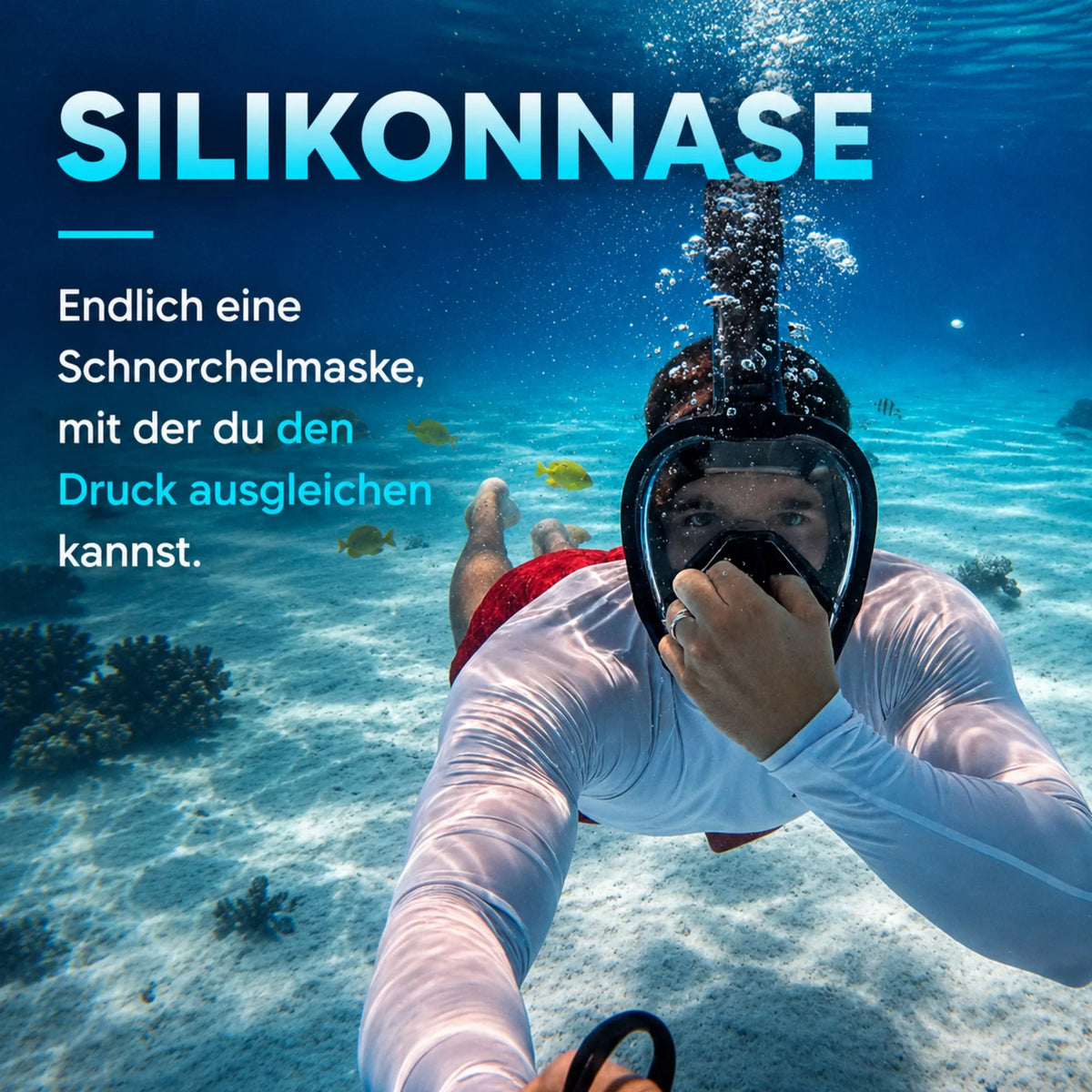
- Khroom Seaview Pro Plus – CO₂-tested with pressure equalization, ideal if you want to dive a few meters to explore coral gardens.
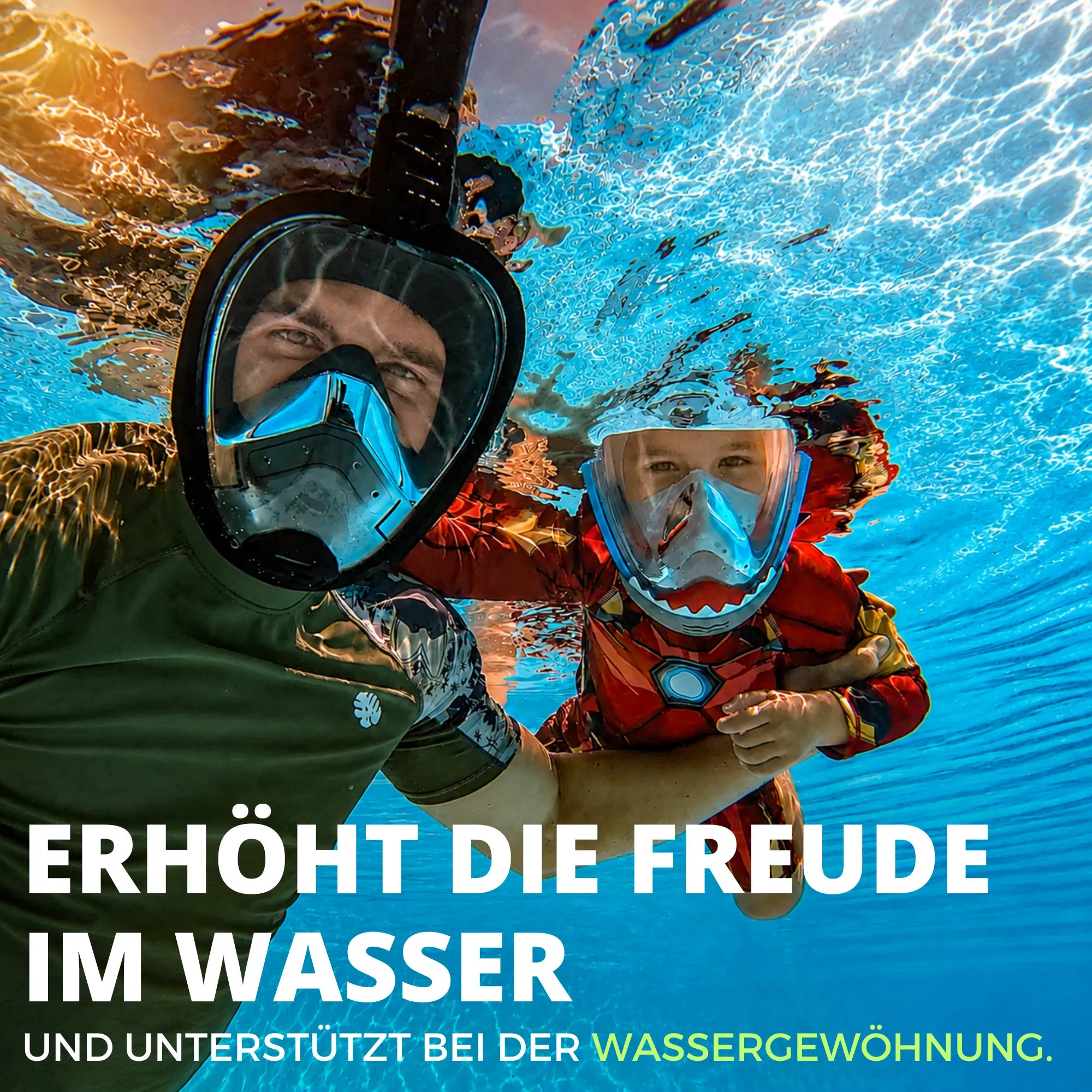
- Khroom Seaview Kids – the only TÜV-certified snorkel mask for children.
Additional Equipment
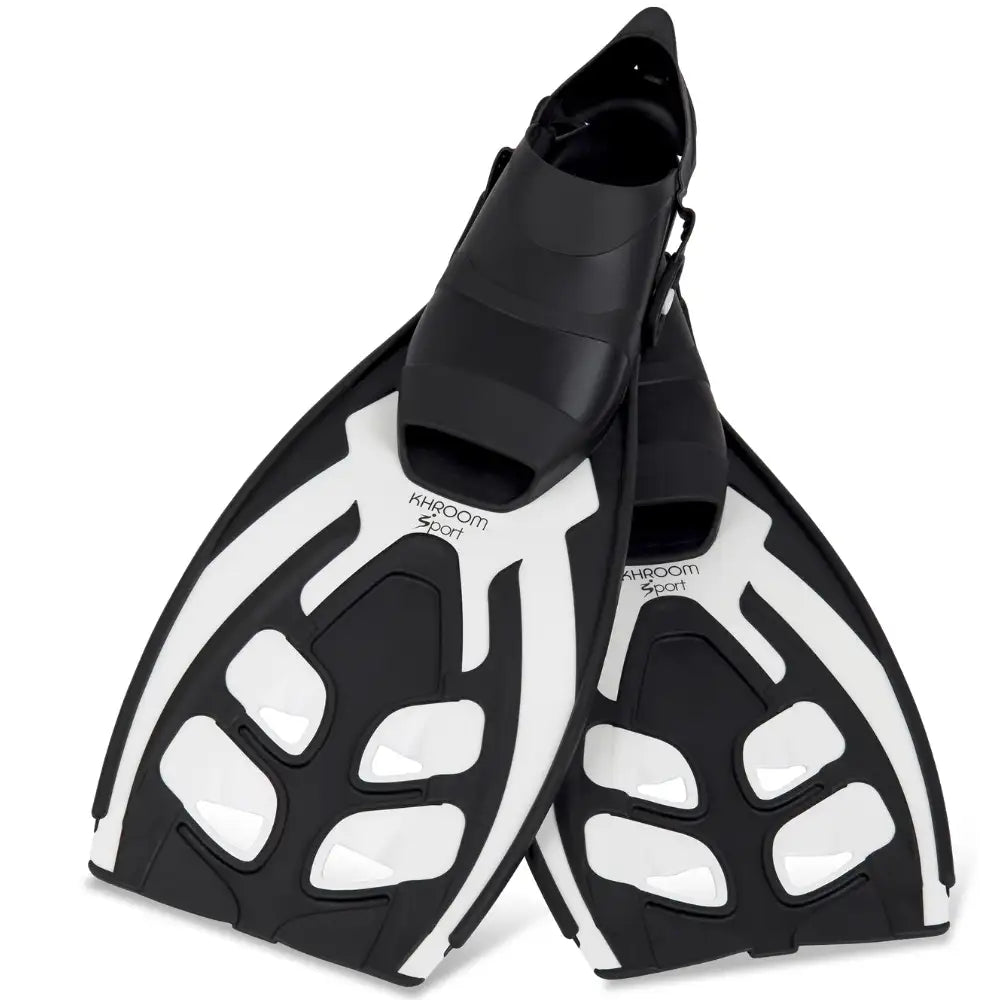
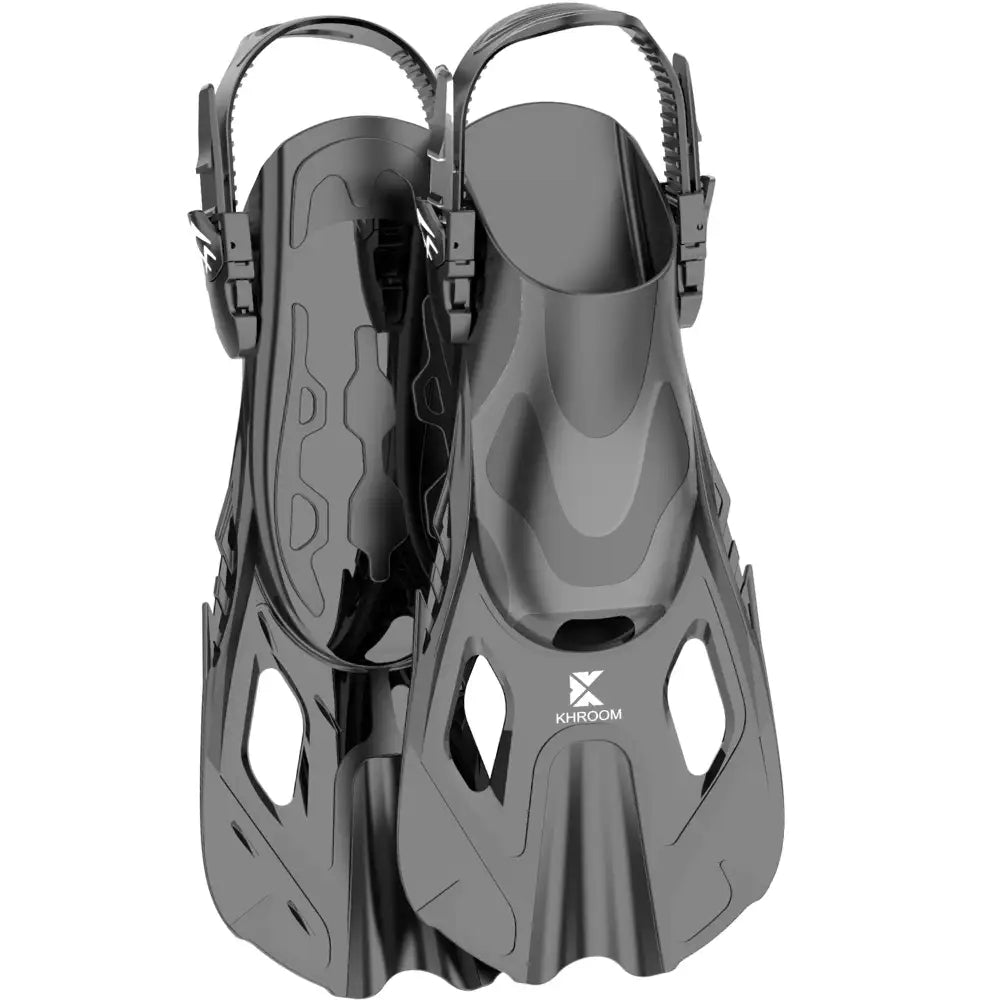
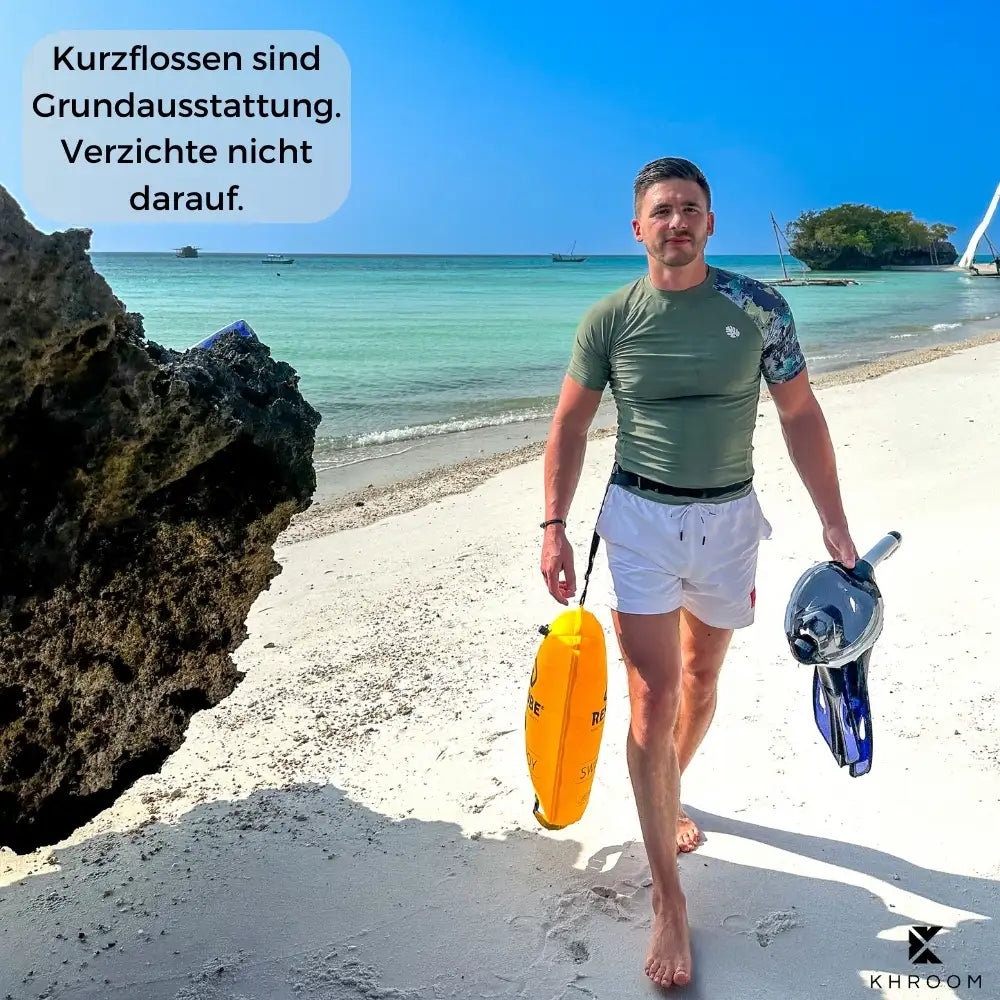
- Adjustable short snorkeling fins
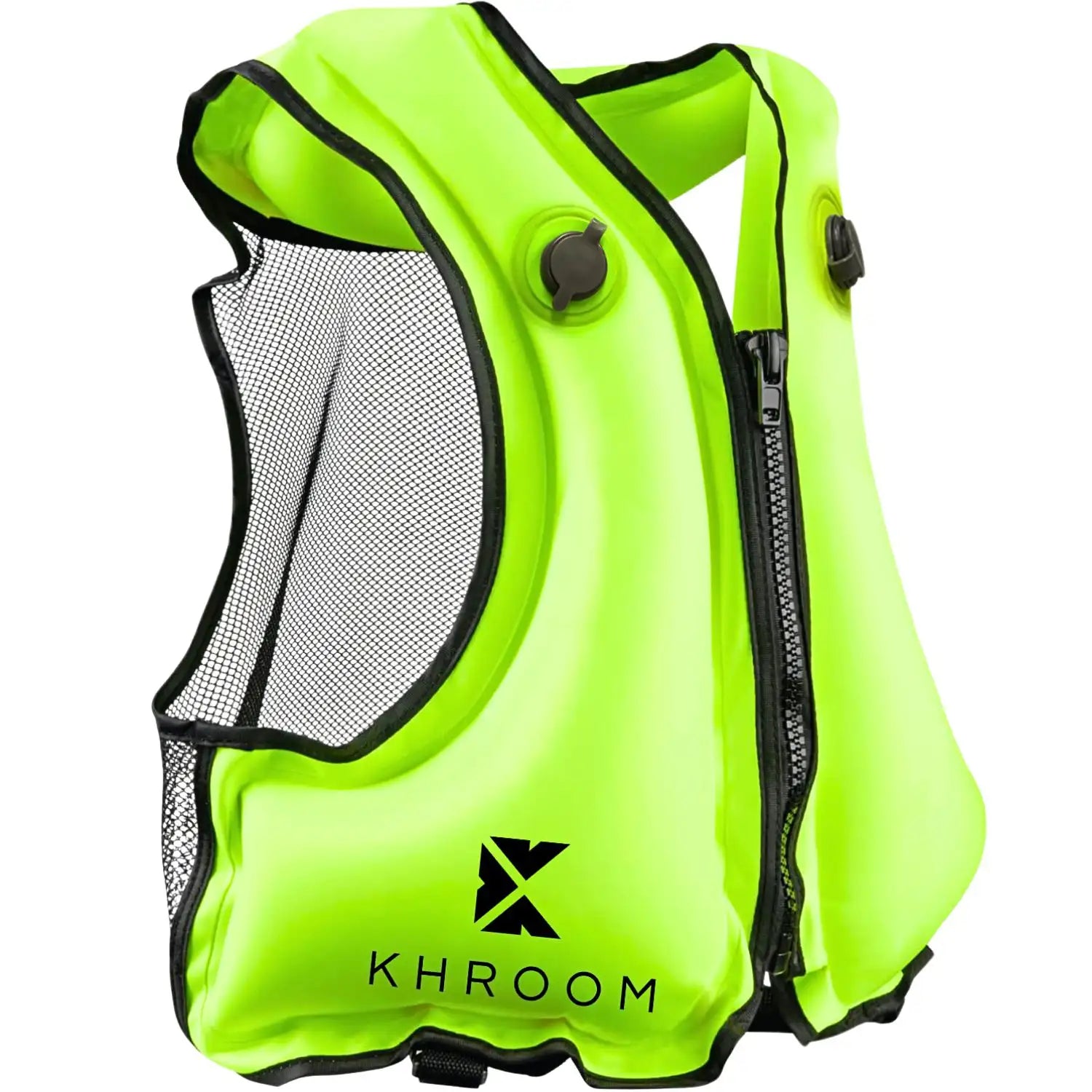
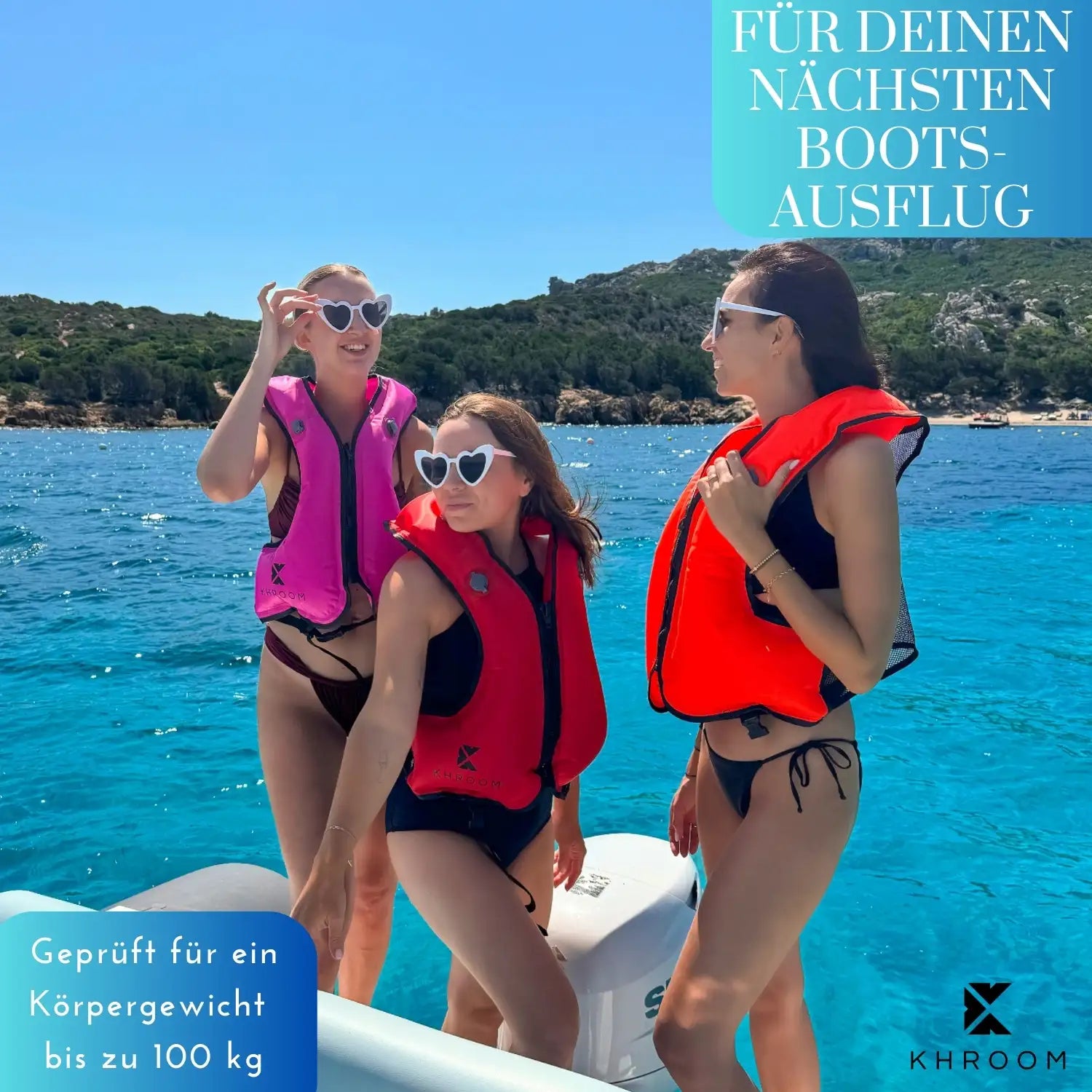
- Snorkel Vest – extra safety for beginners and children
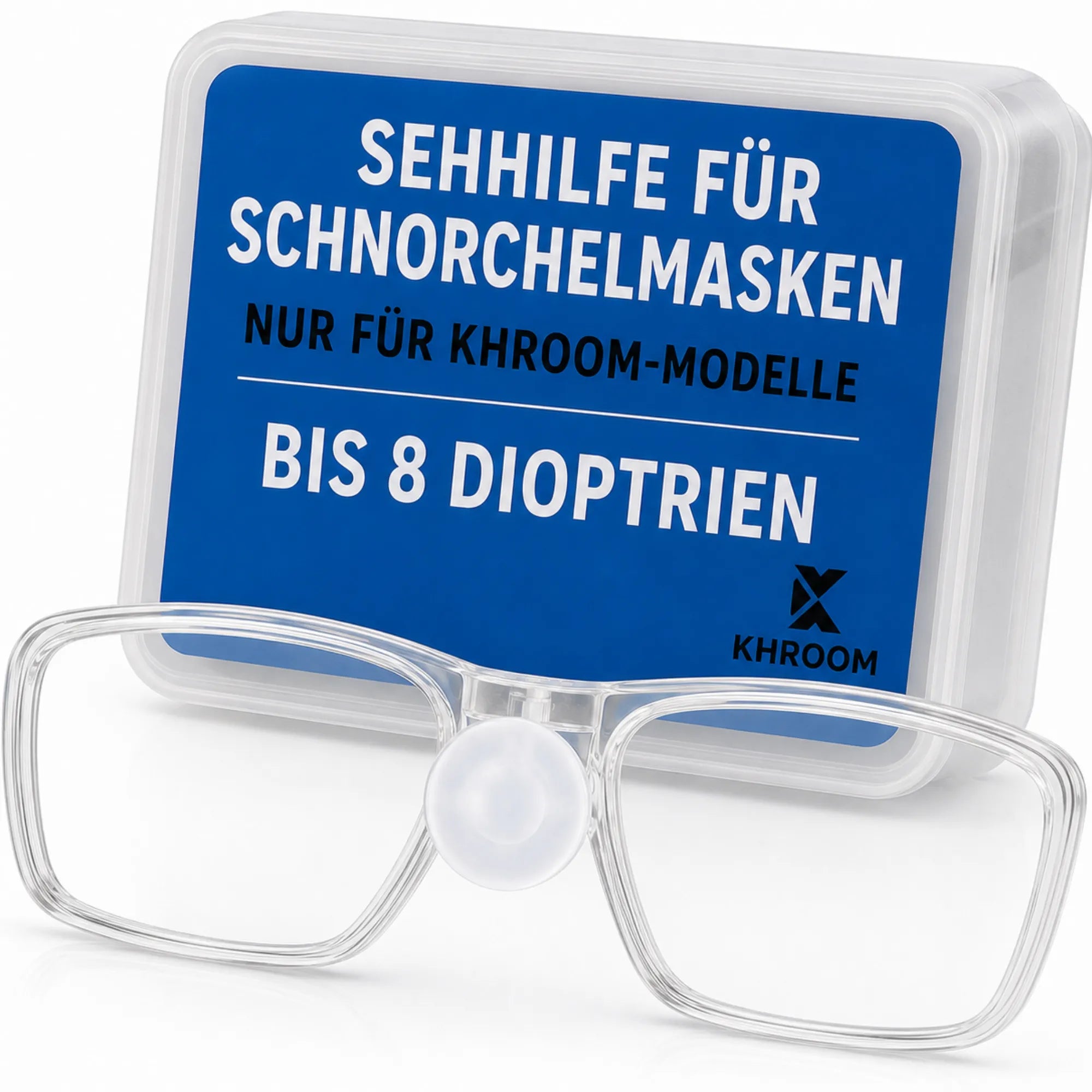
- Optical inserts for glasses wearers
- UV shirt (rash guard) – essential in Thailand due to intense tropical sun
- Reef-safe sunscreen
- Underwater camera – Thailand’s marine colors are spectacular
7. Snorkeling with Kids in Thailand
Thailand is a fantastic snorkeling destination for families thanks to warm water, gentle coral gardens, and the famous “Nemo” clownfish. However, jellyfish risks require extra caution.
Best Spots for Kids
- Japanese Gardens (Koh Tao): gentle slope, protected area, clownfish
- Coral Bay (Similan Islands): shallow reefs and sea turtles
- Pattaya Beach (Koh Lipe): calm water and sandy entry
- Bamboo Island (Koh Phi Phi): pristine and quiet snorkeling conditions
8. Conclusion & Packing List
Thailand offers snorkeling experiences Europe simply cannot match: world-class tropical reefs, reef sharks within arm’s reach, clownfish for the kids, and water temperatures so warm that wetsuits are unnecessary. With two different seasons, there are always great snorkeling conditions somewhere in the country – as long as you know where to go.

Written by Christian Hanauer


%0A%20%20%20%20%0A%20%20%20%20%0A%20%20%20%20%20%20%20%20Turt...)