
Snorkel Mask for Glasses Wearers | Vision Correction Guide 2026
Snorkel mask for glasses wearers – The solution at a glance:
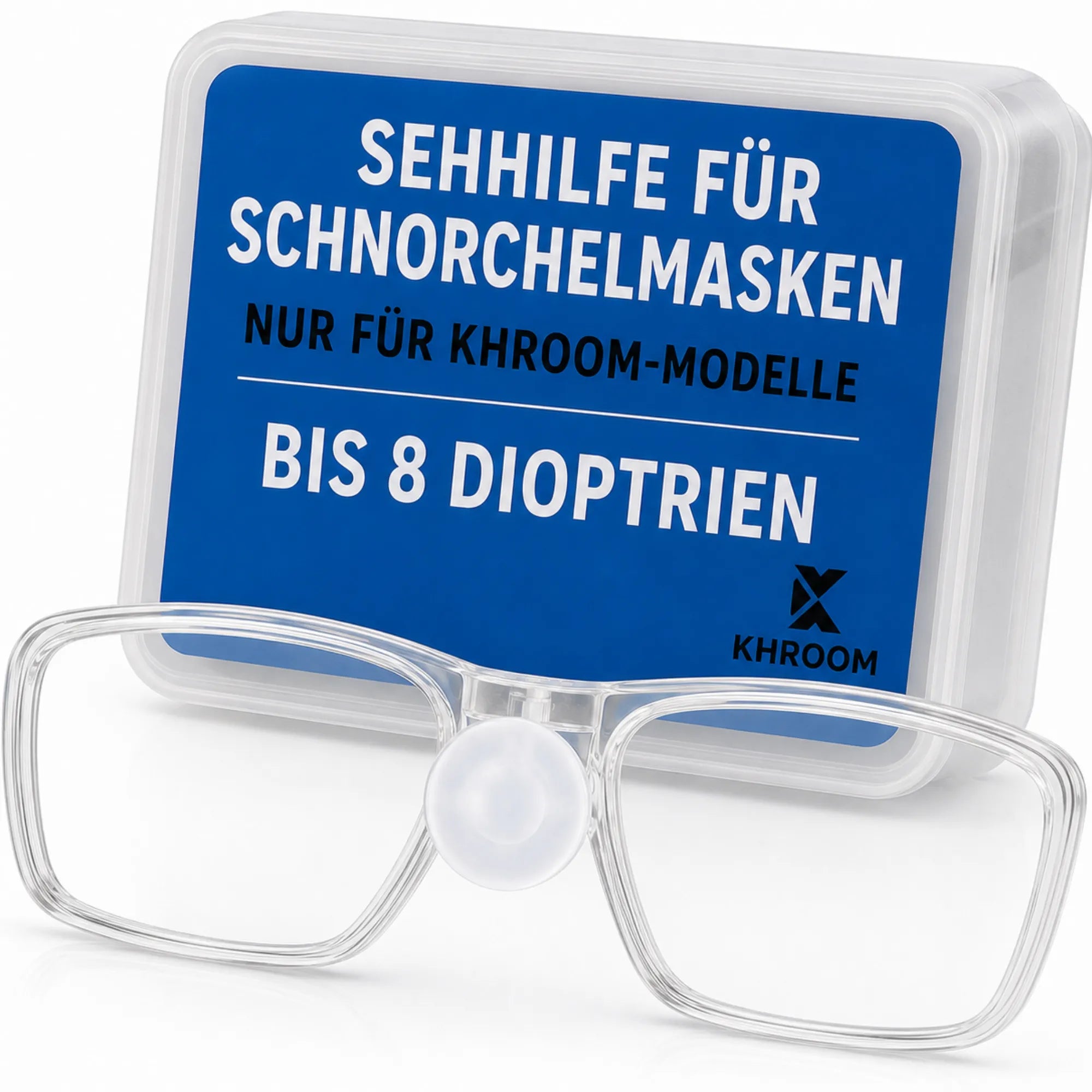
Best solution: Khroom optical inserts – available from -8.0 to +8.0 diopters, compatible with all Khroom Seaview masks.
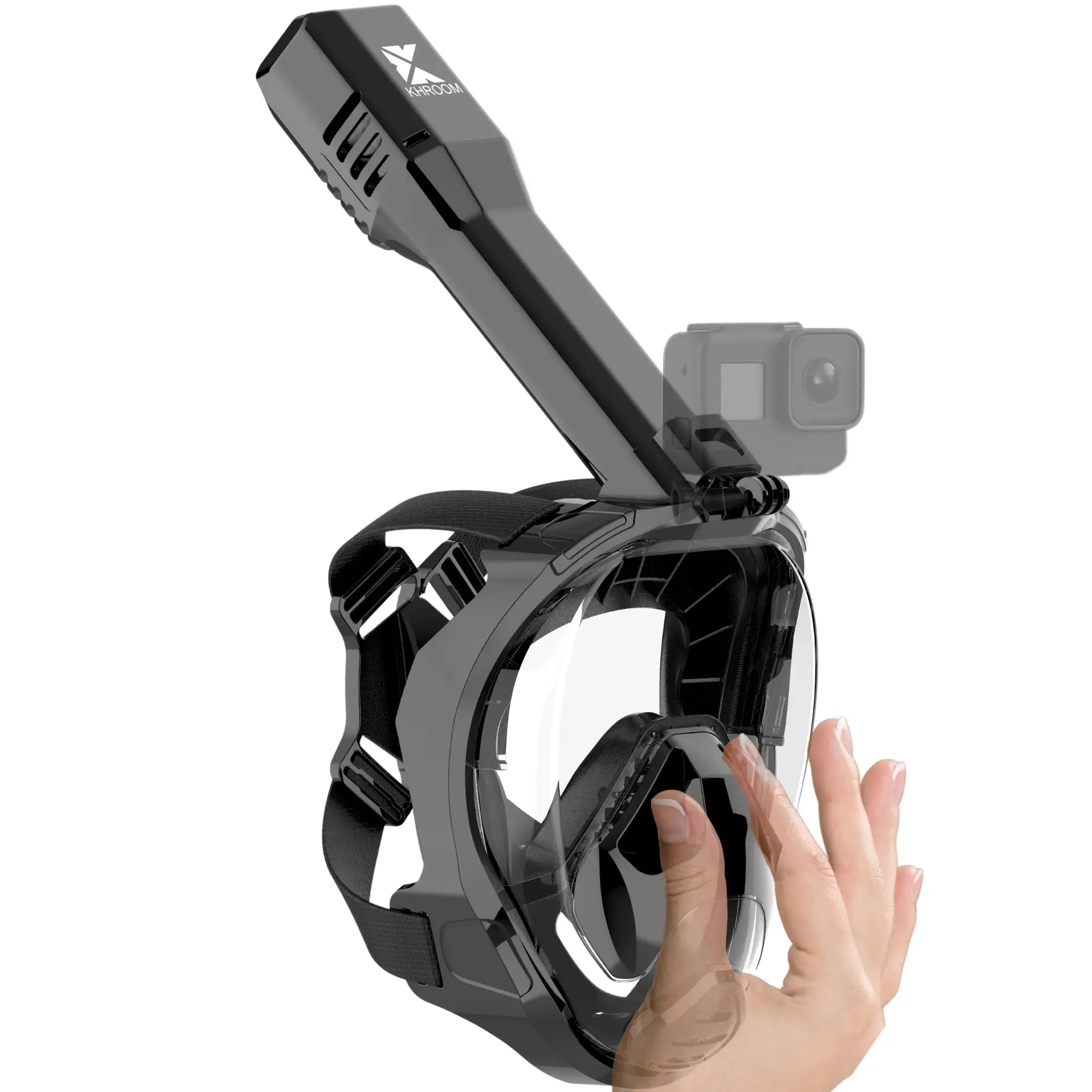
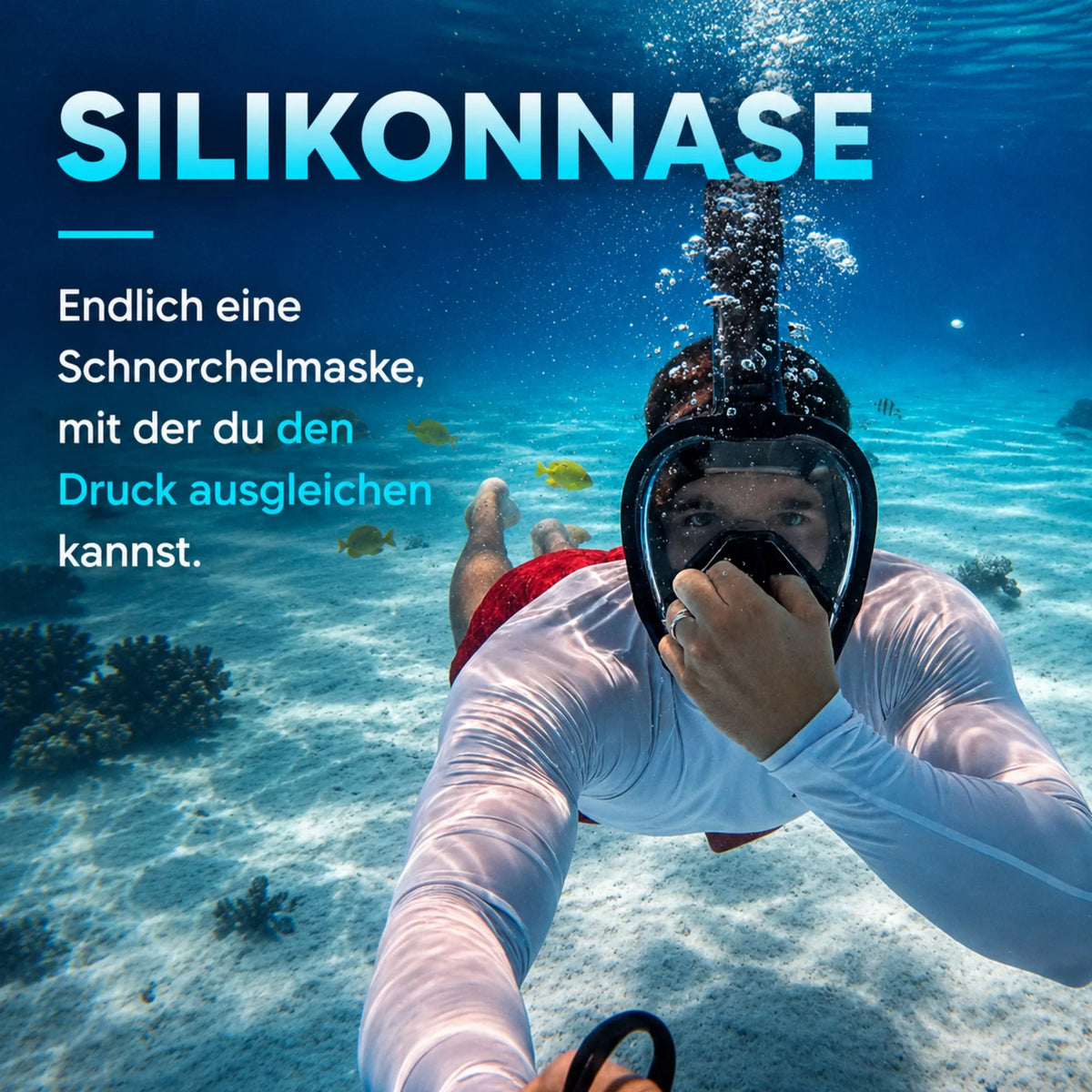
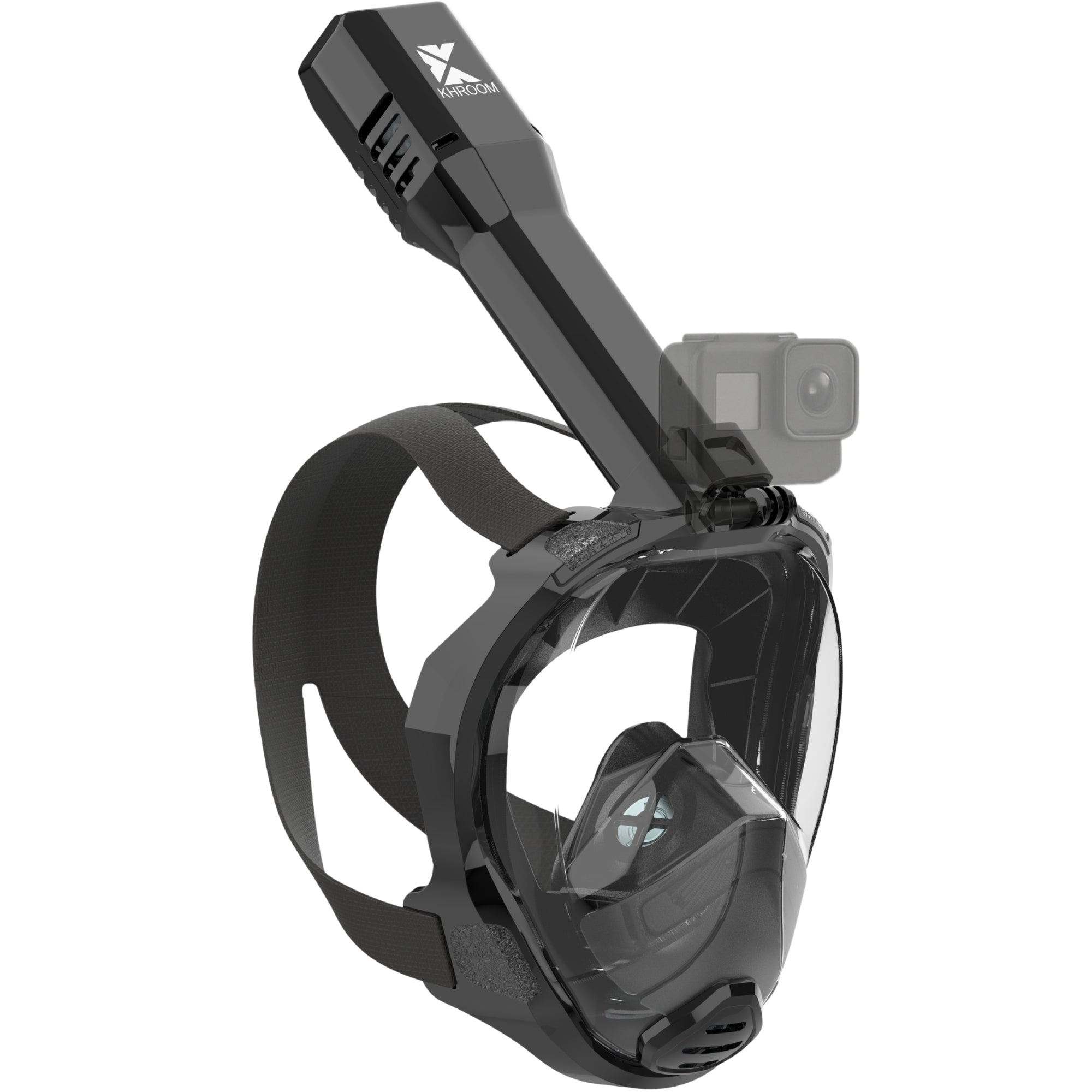
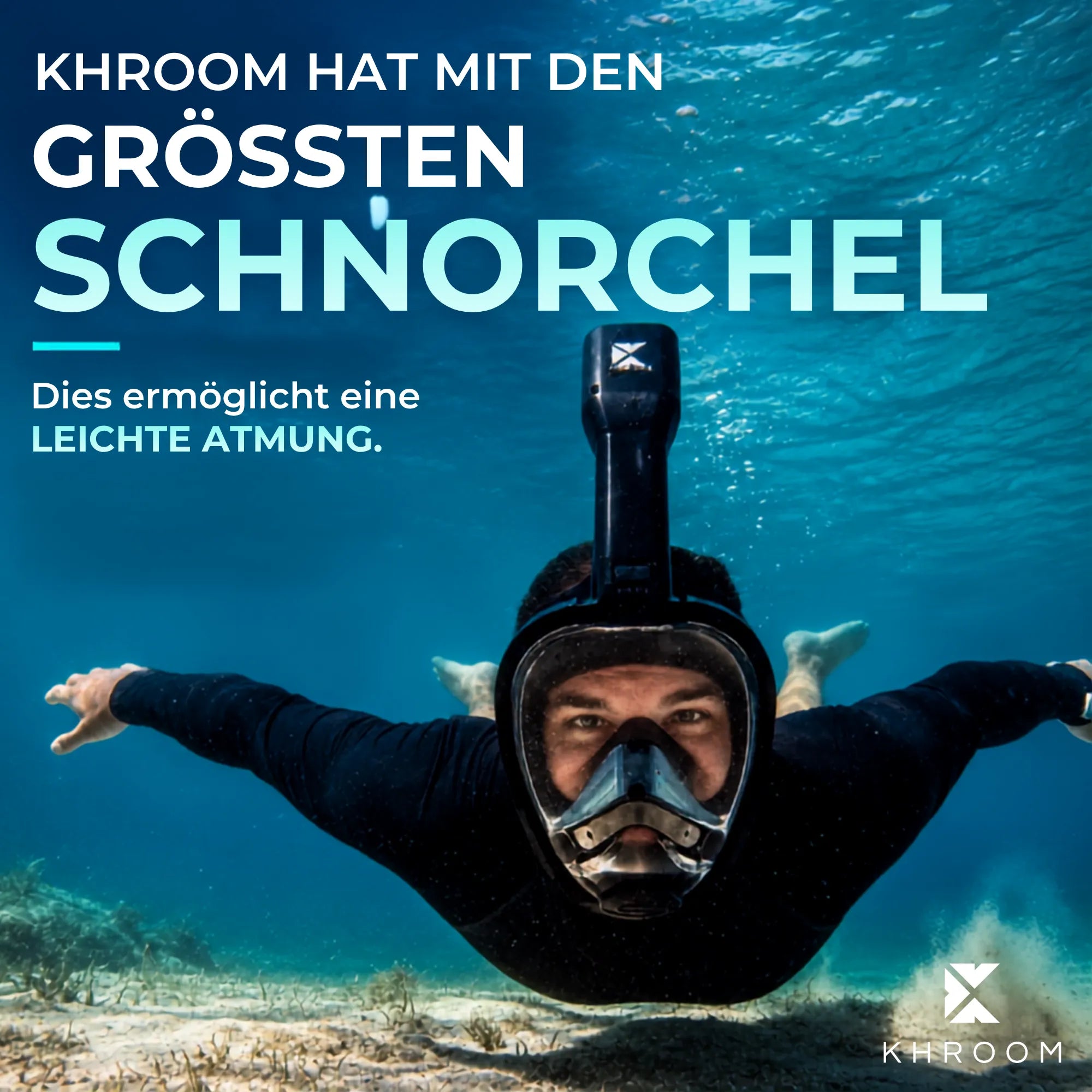
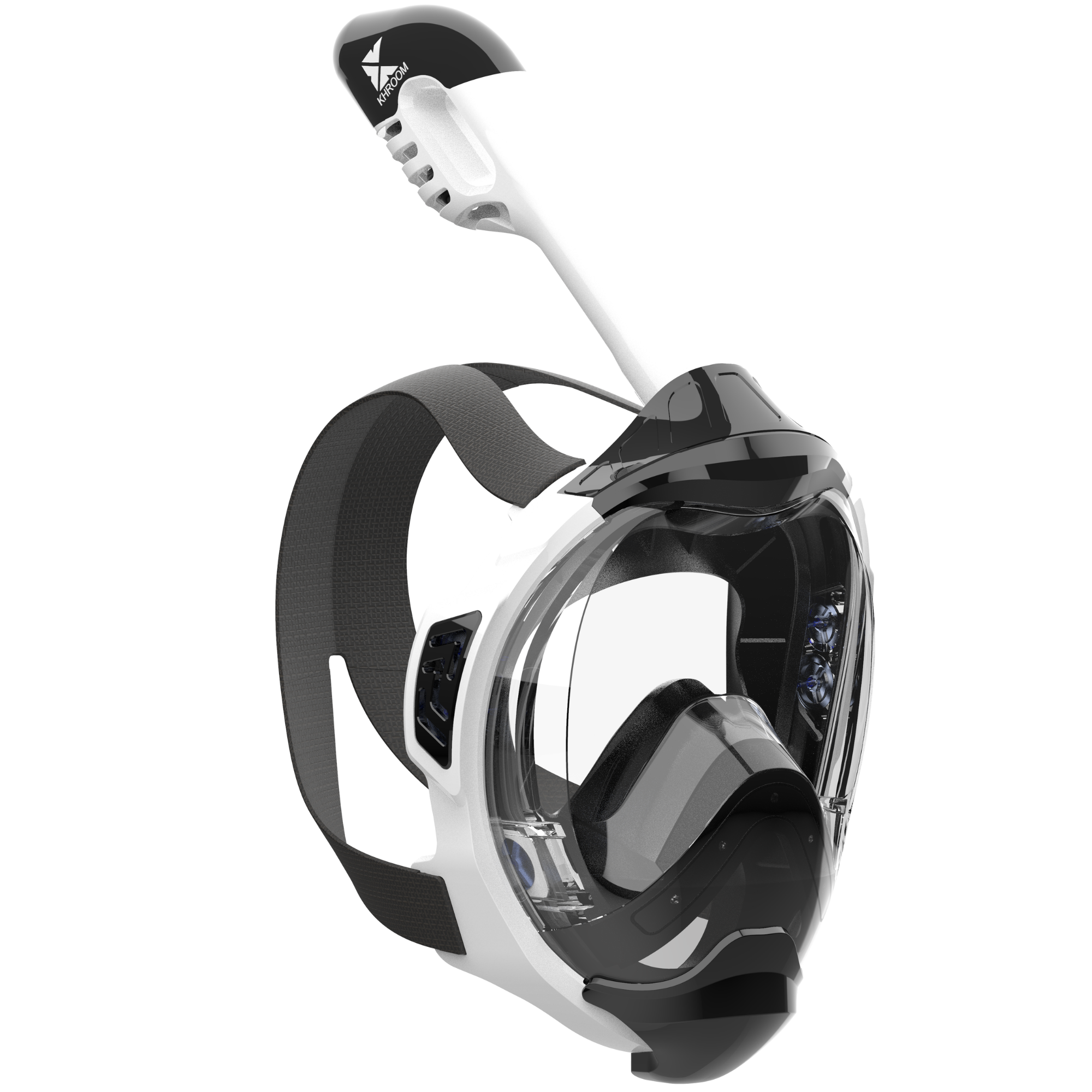
Recommended mask: Khroom Seaview Pro (SGS-certified, 180° panoramic view) or Seaview Pro Plus (with pressure equalization).
Installation: No tools, no glue – simply clip them in and start snorkeling.
Do you wear glasses and want to go snorkeling? Then you probably know the problem: without vision correction, everything underwater looks like blurry shapes instead of tropical fish. Wearing glasses under a mask causes pressure, leaks, and fogging. And contact lenses in salt water? Risky.
The good news: there is a simple, comfortable, and reliable solution. In this guide, you’ll learn about the different options for glasses wearers – and why optical inserts are by far the best choice.
1. The glasses wearer’s dilemma when snorkeling
Around 60% of adults in Germany wear glasses or contact lenses. When snorkeling, they face three common challenges:
Problem 1: Glasses don’t fit under the mask
Wearing regular glasses under a full-face snorkel mask doesn’t work. The temples prevent the mask’s sealing skirt from fitting properly against the face. The result: water leaks in, the mask sits unevenly, and the snorkeling experience is over after two minutes.
Problem 2: Without vision correction you can’t see clearly
Snorkeling is all about visual impressions – colorful corals, exotic fish, and the play of light underwater. Anyone snorkeling without correction from about -1.5 diopters will miss exactly what they came to see. From around -3.0 diopters, it can also become a safety issue: obstacles, currents, and other swimmers may not be visible in time.
Problem 3: Fogging lenses
People who wear glasses know the fogging issue from everyday life. Inside a snorkel mask it can become even stronger: warm exhaled air meets the cooler viewing lens. With well-ventilated masks this can be controlled – but with low-quality masks, fogging quickly becomes a constant problem.
2. Three solution approaches compared
Solution 1: Contact lenses
Advantages
- No additional equipment required
- Full visibility with no restriction of the field of view
- Works with any mask
Disadvantages
- Salt water can irritate the eyes and damage lenses
- Risk of infection (Acanthamoeba) from contact with seawater
- Lenses may be washed out if water enters the mask
- Ongoing cost for daily lenses (approx. €1–2 per use)
- Not suitable for all prescriptions or eye conditions
Solution 2: Optical inserts (recommended)
Advantages
- Safe: No contact between vision correction and water
- Comfortable: Securely positioned in the mask, no slipping
- Easy: Install and remove without tools
- Wide range: -8.0 to +8.0 diopters
- One-time purchase: lasts for many seasons
- No eye irritation from salt water
Disadvantages
- Only usable with compatible masks
- No correction for astigmatism
Solution 3: Custom lenses from an optician
Advantages
- Exact correction including astigmatism and progressive lenses
- Perfectly adapted to your eyes
Disadvantages
- High cost (€150–€400)
- Long delivery time (2–4 weeks)
- Made only for one specific mask model
- Not practical if your prescription still changes
Comparison overview
| Criterion | Contact lenses | Optical inserts | Custom lenses |
|---|---|---|---|
| Cost | €1–2 per use | €29.99 | €150–€400 |
| Diopter range | Depends on lens type | -8.0 to +8.0 | Individual |
| Astigmatism | Toric lenses possible | No | Yes |
| Comfort | Medium (saltwater risk) | High | High |
| Safety | Risk of infection | No risk | No risk |
| Delivery time | Immediate | 1 business day | 2–4 weeks |
| Durability | Disposable | Many seasons | Many seasons |
3. Khroom Vision Correction in Detail

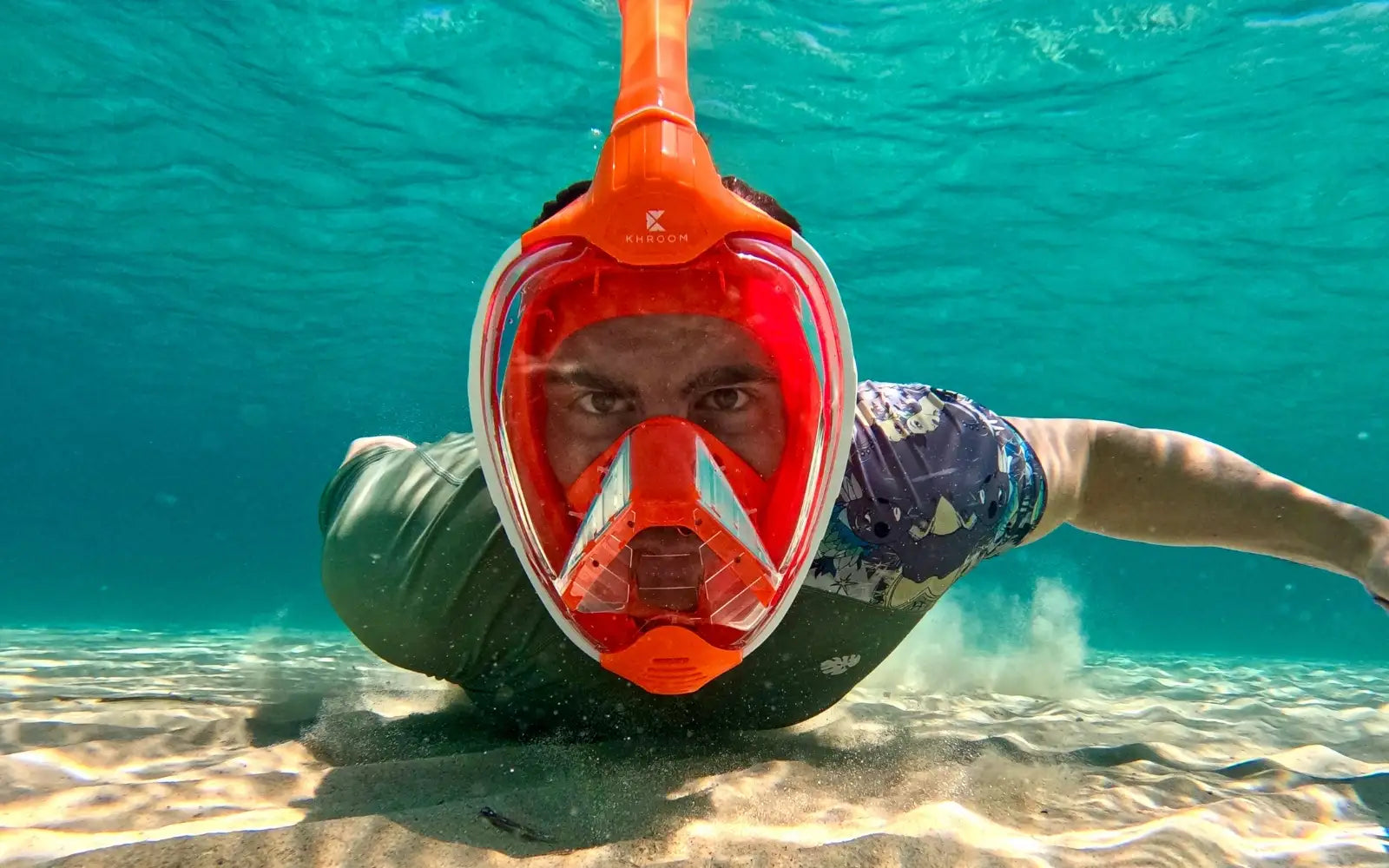
The Khroom optical inserts were specifically developed for the Khroom Seaview mask family. They simply clip into the mask – no tools, no glue, no complicated installation. In less than 30 seconds, the mask is ready to use.
Technical specifications
- Diopter range: -8.0 to +8.0 (in 0.5 increments)
- Compatibility: All Khroom Seaview masks (Pro Plus, Pro, X, Y, 180)
- Material: Optically clear polycarbonate, scratch-resistant
- Installation: Tool-free clip system
- Included: 2 lenses (left + right), identical or different strengths available
Who is it suitable for?
- Nearsightedness (myopia): -0.5 to -8.0 diopters
- Farsightedness (hyperopia): +0.5 to +8.0 diopters
- Different prescriptions: Left and right lenses can have different strengths
Compatible masks: Which mask should you choose?
The optical inserts fit all Khroom Seaview masks. Depending on the intended use, we recommend:
| Use case | Recommended mask | Special feature |
|---|---|---|
| All-rounder / best value | Seaview Pro | SGS-certified, 180° panoramic view |
| Premium / also suitable for diving down | Seaview Pro Plus | Pressure equalization, CO₂ tested |
| Maximum field of view | Seaview 180 | Largest panoramic field |
| Budget entry | Seaview Y or Seaview X | SGS or DEKRA certified |
4. Adjustment Guide: How to find the right strength
You don’t need a special measurement for your snorkel mask. Your current glasses or contact lens prescription is perfectly sufficient as a reference.
Step 1: Check the spherical value
Take your current prescription or eye doctor’s report. You need the spherical value (SPH) for each eye. Example: R (right): -2.5 dpt / L (left): -3.0 dpt.
Step 2: Round to 0.5 increments
Khroom inserts are available in 0.5 steps. If your value falls between two options (e.g., -2.75), round toward the weaker correction – in this case to -2.5. It is better to be slightly undercorrected than overcorrected while snorkeling, since you are usually closer to objects underwater anyway.
Step 3: Check the cylinder value
If your prescription includes a cylinder value (CYL), note the following: when CYL is below 1.0 dpt, spherical correction is usually sufficient. Many opticians recommend using the spherical equivalent: SPH + (CYL ÷ 2). Example: SPH -2.0 / CYL -0.75 → spherical equivalent = -2.0 + (-0.375) = -2.375 → rounded to -2.5.
Step 4: Place your order
Select the appropriate strength for each eye in the shop. If both eyes have the same strength, a single selection is sufficient. If they differ, choose separate values for left and right.
5. Step-by-step: Installing the lenses

The installation of the optical inserts is very simple and takes less than 30 seconds.
- Prepare the mask: Place the mask on a table with the inside facing upward. The snorkel can remain attached.
- Position the insert: Take the optical insert and position it above the viewing lens. The marked side (L/R) indicates which lens belongs to which eye.
- Clip it in: Gently press the insert into the designated holder until it clicks into place.
- Check the fit: The insert should sit firmly and should not move. If it feels loose, press it in again.
- Done: Put on the mask and check the clarity of your vision.
To remove: simply grip the edge of the insert and gently pry it out. This also allows the mask to be easily shared with others who do not need vision correction.
6. Anti-fog tips for glasses wearers
People who wear glasses know fogging all too well – and unfortunately it can also occur while snorkeling. With the following tips you can minimize the problem:
Before snorkeling
- Prepare a new mask: New masks often have a thin silicone film from production on the lens. Before first use, clean the inside of the lens thoroughly with toothpaste (not gel toothpaste) or dish soap. Rub it in, let it sit for 10 minutes, then rinse thoroughly.
- Anti-fog spray: Lightly spray the inside of the lens and the optical inserts. Let it dry briefly, then rinse lightly.
- Baby shampoo: Spread a drop of baby shampoo on the inside of the lens and do not rinse it off – the film prevents fogging. It is cheaper than special sprays and just as effective.
During snorkeling
- Breathe calmly: Rapid, shallow breathing produces more warm moisture. Slow and steady breathing through the nose significantly reduces fogging.
- Do not lift the mask: Each time you lift the mask, warm and humid outside air enters and increases fogging.
More breathing tips: How to breathe properly while snorkeling
7. Troubleshooting: Common problems & solutions
Slight dizziness during the first minutes
Cause: Your brain is adapting to the combination of underwater light refraction and corrected vision. This is normal with both optical inserts and contact lenses.
Solution: Start in shallow water and give your eyes 2–3 minutes to adjust. The effect usually disappears quickly.
The insert sits loosely or falls out
Cause: Older production batch.
Solution: Contact Khroom customer support.
My prescription is outside ±8.0 diopters
Solution: For prescriptions above ±8.0 we recommend a custom solution from an optician. Alternatively, contact lenses in combination with the mask without optical inserts may be an option – it is best to discuss this with your eye doctor.
8. Conclusion & recommendation for glasses wearers
Glasses wearers do not have to give up clear vision underwater. The combination of a CO₂-safe Khroom mask and matching optical inserts is the most comfortable, safest, and most economical solution – no salt water in the eyes, no infection risk, and no ongoing costs.
Our recommendation for glasses wearers:
- Optical inserts: Khroom optical lenses (-8.0 to +8.0 dpt)
- All-rounder mask: Khroom Seaview Pro – SGS-certified, 180° panoramic view, excellent value for money
- Premium option: Khroom Seaview Pro Plus – with pressure equalization, for more demanding snorkelers
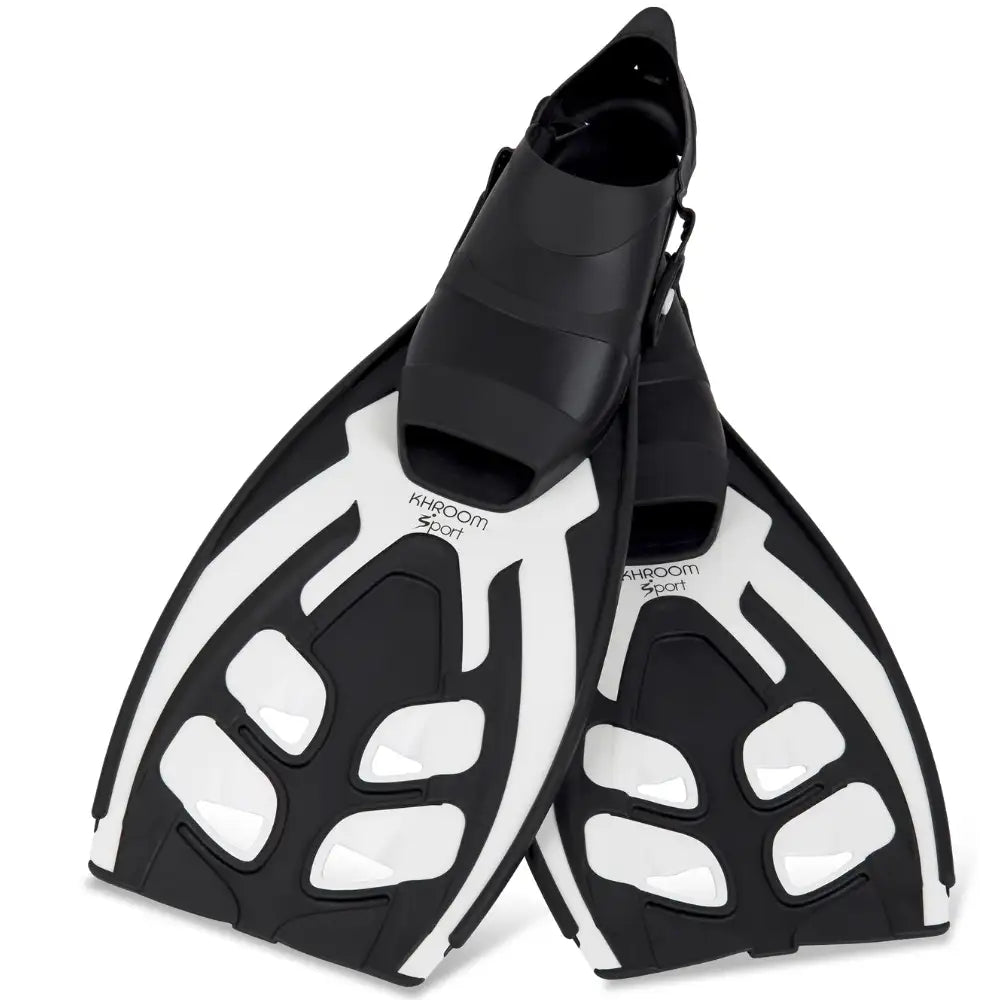
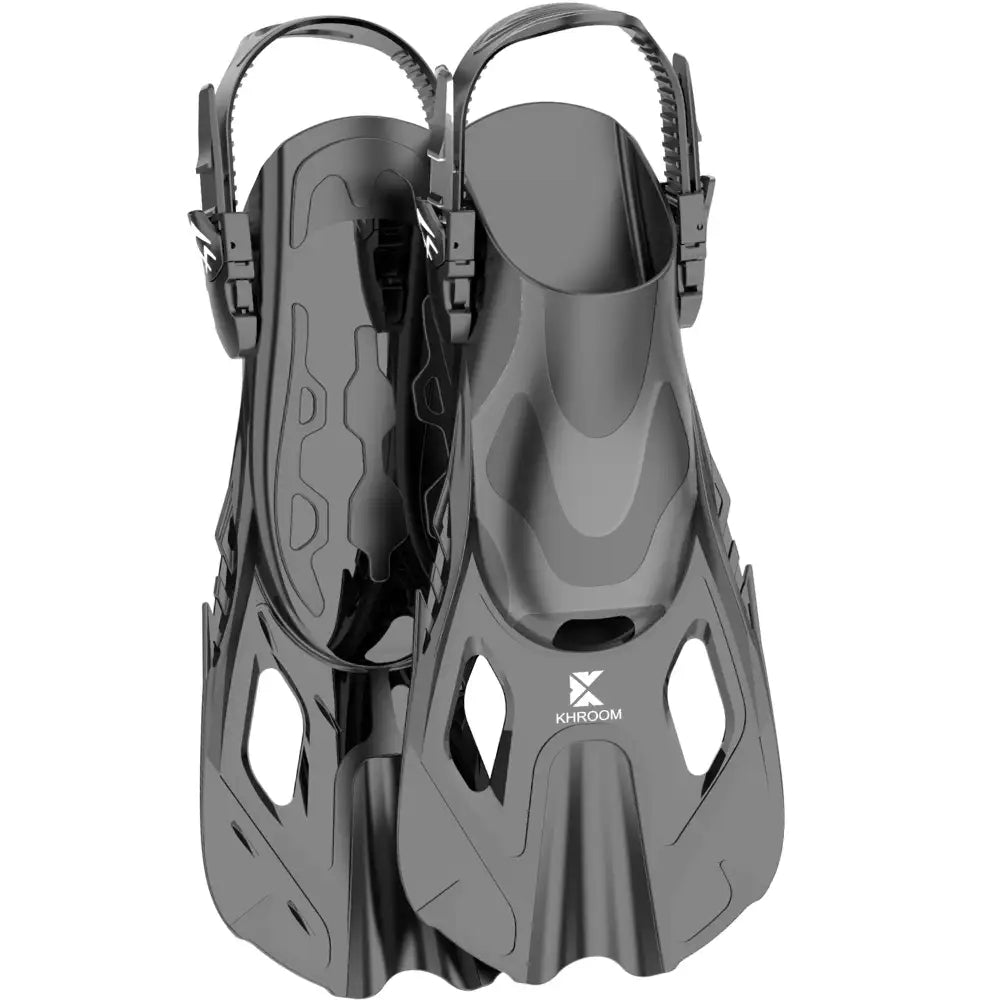
- Complete set: Mask + inserts + short fins + neoprene socks
All Khroom masks are CO₂ tested by independent institutes (TÜV, DEKRA, SGS), developed in Germany, and offer individually replaceable spare parts – including for the optical inserts. Known from Die Höhle der Löwen.
Not sure which mask or lens strength you need?
Write to us at info@khroom-sport.com – we will personally advise you and help you choose the right option. German customer support with fast response.
Further reading
- Snorkel Mask Test 2026: All masks compared
- Which snorkel mask is best for beginners?
- Comparison of the best snorkel masks for adults
- Guide: CO₂-safe snorkel masks
- Dangers of snorkel masks caused by CO₂ buildup
- Snorkel mask vs. diving mask – which is better?
- How to breathe properly while snorkeling
- Frequently asked questions about snorkel masks
- What are the advantages of a snorkel mask?

Written by Christian Hanauer