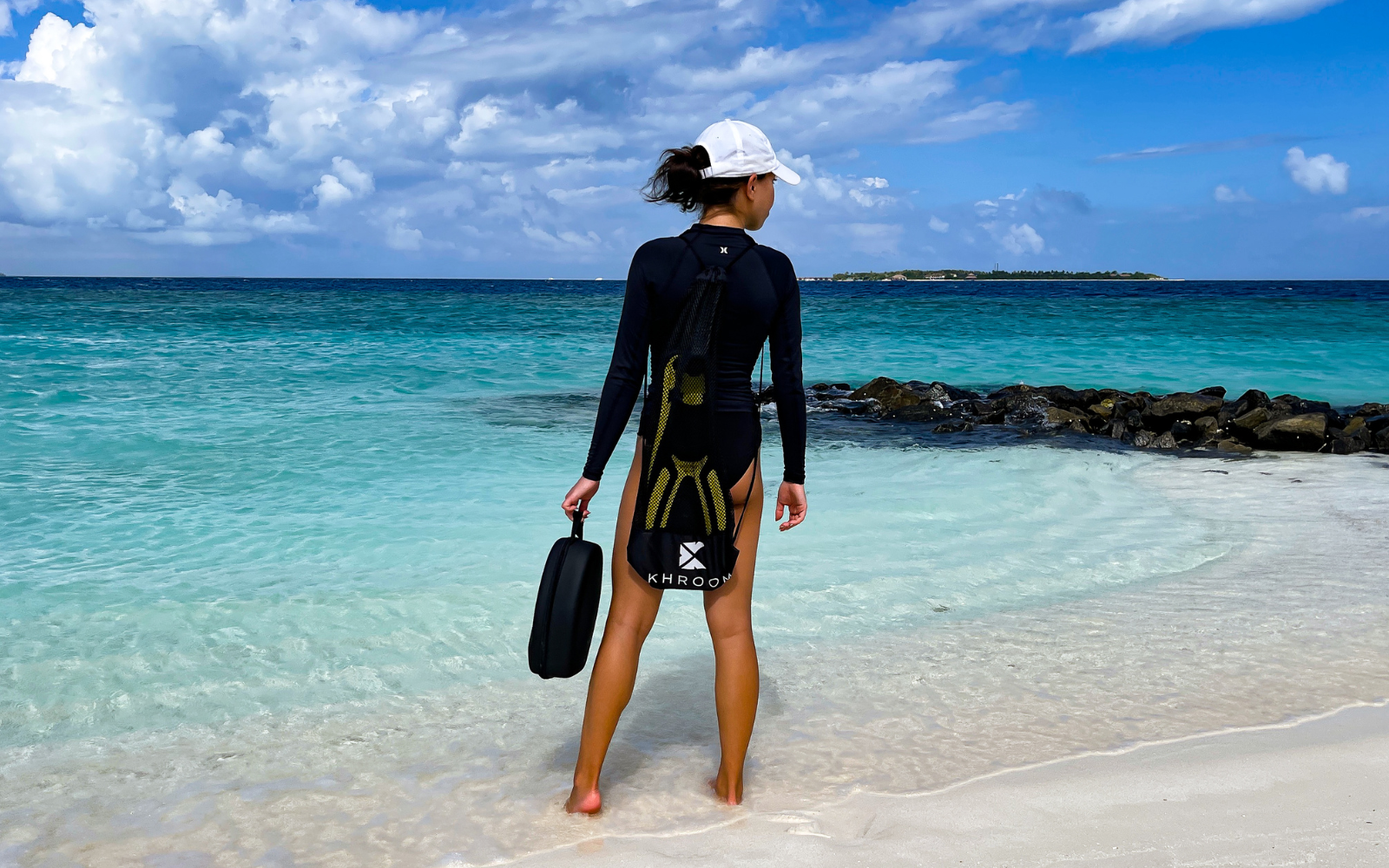
Snorkeling in the Maldives: Whale Sharks, Mantas & the Best Atolls
Snorkeling in the Maldives — Key Facts:
Globally unique: Swim with whale sharks year-round — the South Ari Atoll is one of the few places on Earth where this is possible
UNESCO highlight: Hanifaru Bay (Baa Atoll) — up to 100 manta rays at the same time (May–November)
House reef paradise: Many resorts have their own reefs — snorkel directly from the beach, no boat needed
Water temperature: Year-round 80–86 °F (27–30 °C) — no wetsuit ever needed
Best time to visit: December to April (dry season, best visibility), May–November for mantas & whale sharks
The Maldives are the snorkeling destination that all others are measured against. 1,200 coral islands across 26 atolls, year-round water temperatures of 80–86 °F (27–30 °C) with visibility up to 100 ft (30 m), over 200 coral species and more than 1,000 fish species — plus the chance to swim alongside the largest fish in the world: whale sharks and manta rays.
What makes the Maldives special: many resorts have their own house reefs right at their doorstep. You don't need a boat, a guide, or a tour — just glide into the water from the beach or jetty and enter a world that looks like someone turned the color saturation to maximum.
In this guide, you will find the 6 best atolls for snorkeling, everything about the split season (dry season vs. manta season), the fascinating marine life, and the right gear for your underwater adventure in paradise.
1. Why the Maldives Are the Ultimate Destination
- Whale sharks — year-round: The South Ari Atoll is one of the few places on Earth where whale sharks are spotted all year round — the gentle giants of the ocean, up to 40 ft (12 m) long and completely harmless.
- Manta ray spectacle: In Hanifaru Bay (Baa Atoll, UNESCO Biosphere Reserve), between May and November, up to 100 manta rays gather at the same time — a natural spectacle that exists nowhere else on the planet.
- House reefs: The concept of Maldivian resort islands is unique: every island is surrounded by a reef. Many resorts offer world-class snorkeling right from the beach — no boat trip needed, just swim in.
- 1,000+ fish species, 200+ coral species: From clownfish to reef sharks to eagle rays — the biodiversity is overwhelming.
- No wetsuit ever needed: 80–86 °F (27–30 °C) all year round — swimwear is always enough.
- Every level: Shallow lagoons for beginners and families, channels with currents for experienced snorkelers, whale shark tours for adventurers.
2. The 6 Best Atolls & Their Top Spots
2.1 South Ari Atoll — Year-Round Whale Sharks
Highlights: Whale sharks, manta rays, sea turtles, reef sharks · Visibility: 65–100 ft (20–30 m)
The South Ari Atoll is the most famous snorkeling spot in the Maldives — and one of the few places in the world where you can swim with whale sharks all year round. Near Dhigurah and Maamigili ("Whale Shark Island"), organized tours to "Whale Shark Point" are offered — a 6-mile (10 km) area where the gentle giants regularly surface. Add manta rays (especially May–November at cleaning stations), sea turtles, and colorful coral reefs.
Top spots: Maaya Thila (one of the best snorkeling and dive spots in the Maldives), Maamigili Reef, Manta Point
Tip: Approx. 30-minute flight or 1.5-hour speedboat from Malé. Book whale shark tours early.
2.2 Baa Atoll — Hanifaru Bay & 100 Mantas
Highlights: Mass manta ray gatherings, whale sharks, pristine reefs · Visibility: 50–80 ft (15–25 m)
Hanifaru Bay in the Baa Atoll is a UNESCO Biosphere Reserve and one of the most famous snorkeling sites in the world. Between May and November, up to 100 manta rays gather here simultaneously, attracted by the plankton-rich waters — a natural spectacle without equal. Important: Hanifaru Bay is a snorkeling-only site — scuba diving is prohibited. Even outside manta season, the Baa Atoll offers excellent snorkeling with whale sharks, reef fish, and colorful corals.
Top spots: Hanifaru Bay, Dhonfanu, Thulhaadhoo
Tip: Many resorts in the Baa Atoll (Soneva Fushi, Anantara Kihavah, Milaidhoo) offer guided manta tours to Hanifaru Bay.
2.3 North Malé Atoll — Banana Reef & House Reefs
Highlights: Banana Reef, wrecks, reef sharks, nurse sharks · Visibility: 50–80 ft (15–25 m)
The atoll surrounding the capital Malé is the quickest to reach and still offers world-class snorkeling. Banana Reef (named after its shape) is one of the most famous spots in the Maldives — overhangs and boulders shelter schools of bluestripe snappers, moray eels, and bannerfish. Many resorts (Bandos, Baros, Kurumba) have excellent house reefs just meters from the beach. Reef sharks and nurse sharks are regular visitors.
Tip: Bandos is only 4.3 miles (7 km) from the airport — ideal for families who want to get to the reef fast.
2.4 Vaavu Atoll — Hammerhead Sharks & Manta Channels
Highlights: Hammerhead sharks, reef sharks, mantas, barracudas · Visibility: 50–80 ft (15–25 m)
The small Vaavu Atoll with only 19 islands is a true hidden gem for experienced snorkelers. Fotteyo Kandu is considered one of the best dive and snorkel spots in the entire Maldives — healthy coral reefs, large schools of fish, and with luck, hammerhead sharks. The Miyaru Kandu channel is known for its variety of pelagic fish. Caution: currents can be strong — for experienced snorkelers only.
2.5 North Ari Atoll — Manta Cleaning Stations
Highlights: Manta rays, coral gardens, sea turtles · Visibility: 65–100 ft (20–30 m)
The North Ari Atoll is home to several manta cleaning stations — spots where smaller fish clean parasites off the manta rays. Here you can observe the majestic creatures up close as they slowly glide over the reef. The resort Kandolhu offers dozens of snorkeling spots nearby — mackerel schools, sea turtles, reef sharks, and occasionally dolphins.
2.6 Lhaviyani Atoll (Faadhippolhu) — Untouched Jewel
Highlights: Pristine reefs, moray eels, sea turtles, rays · Visibility: 65–100 ft (20–30 m)
Away from the more well-known atolls, the Lhaviyani Atoll offers a breathtaking underwater world that has largely been spared from mass tourism. The reefs extend just a few feet below the surface — perfect for snorkelers. Colorful schools of fish, curious moray eels, sea turtles, and numerous species of rays. The snorkeling spot Hinnavaru Kandu is a highlight.
3. Best Time to Visit — Two Seasons, One Advantage
The Maldives offer excellent snorkeling conditions year-round — but the two seasons each bring their own advantages.
| Season | Months | Conditions | Special Encounters |
|---|---|---|---|
| Dry Season (Northeast Monsoon) | December – April | Sunny, calm seas, best visibility (up to 100 ft / 30 m), little rain | Whale sharks (year-round in Ari Atoll), sea turtles, reef sharks |
| Wet Season (Southwest Monsoon) | May – November | Brief showers, slightly rougher seas, but warm and clear, fewer tourists | Manta ray peak season (Hanifaru Bay!), whale sharks, more plankton = more pelagic fish |
4. Marine Life: Whale Sharks, Mantas & 1,000 Fish Species
The Maldives rank among the absolute best in the world — the marine life is so diverse and colorful that every snorkeling session is a new experience.
The Big Ones
- Whale sharks: Up to 40 ft (12 m) long, completely harmless, feeding on plankton. Year-round in the South Ari Atoll — an experience you will never forget.
- Manta rays: Up to 16 ft (5 m) wingspan, elegant and majestic. Hanifaru Bay (May–Nov) and Ari Atoll (cleaning stations).
- Reef sharks: Blacktip and whitetip reef sharks, nurse sharks — harmless and regularly seen at house reefs.
- Eagle rays & stingrays: Elegantly gliding over sandy bottoms.
- Sea turtles: Green sea turtles and hawksbill turtles — frequently spotted at house reefs.
- Dolphins: Spinner dolphins and bottlenose dolphins — often seen from boats, occasionally while snorkeling.
The Colorful Ones
- Clownfish (anemonefish): In sea anemones — the "Nemo" factor thrills kids especially.
- Parrotfish: Large, colorful, and audibly crunching on coral.
- Angelfish & sweetlips: Spectacular colors and patterns.
- Bluestripe snappers: In massive schools at reefs.
- Moray eels: Large giant morays in rock crevices — impressive, but don't touch.
- Octopuses: Masters of camouflage among corals.
The Reefs
Over 200 coral species form the foundation of the Maldivian underwater paradise: table corals, staghorn corals, soft corals, and colorful sea fans. The house reefs of many resorts are in excellent condition — accessible directly from the beach.
5. The Right Snorkeling Gear
Many resorts offer free loaner masks — but quality varies widely. In the Maldives, bringing your own gear is especially worthwhile: you will often snorkel 2–3 hours a day right from the house reef, and a quality panoramic mask makes a decisive difference in this explosion of color.
Mask Recommendation
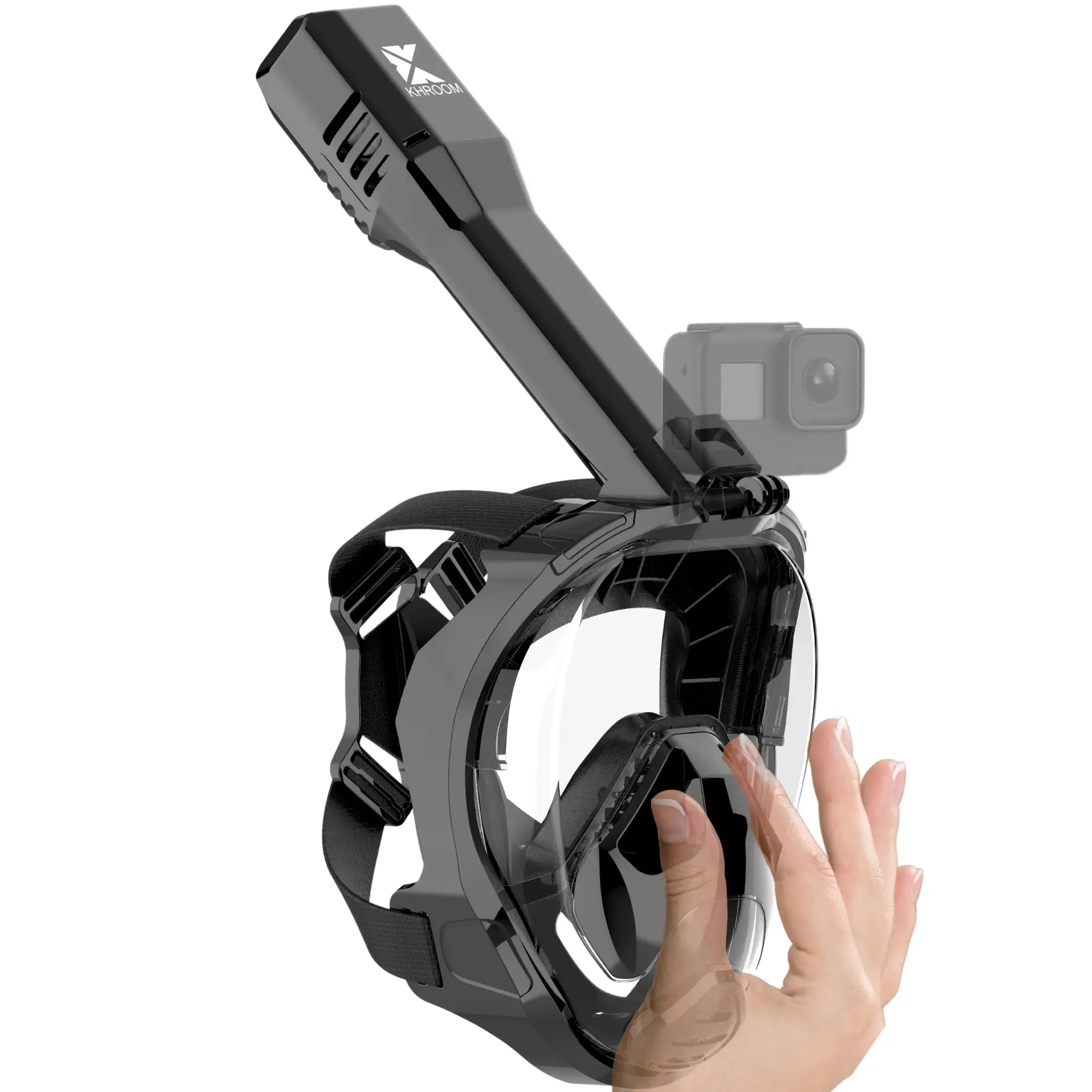
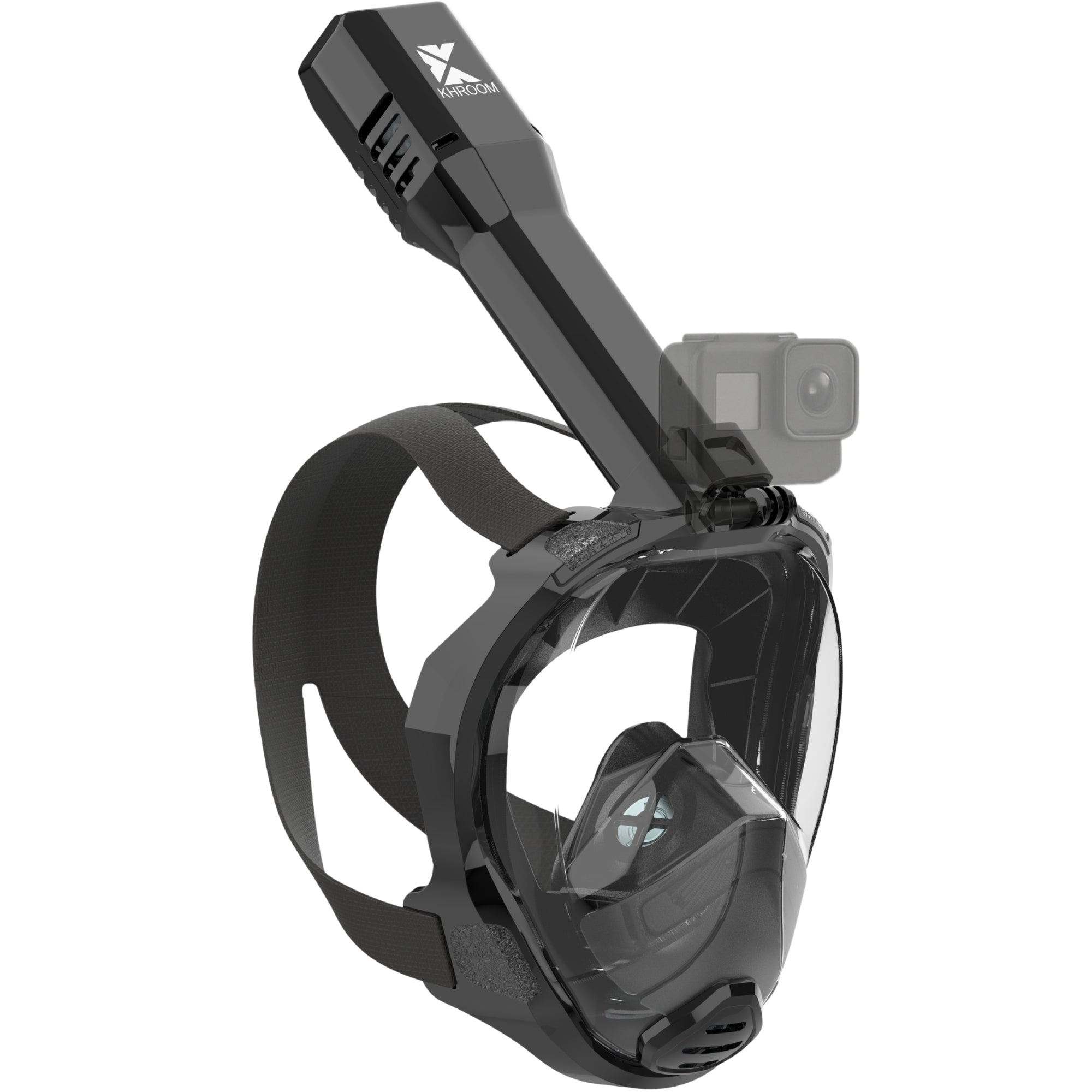
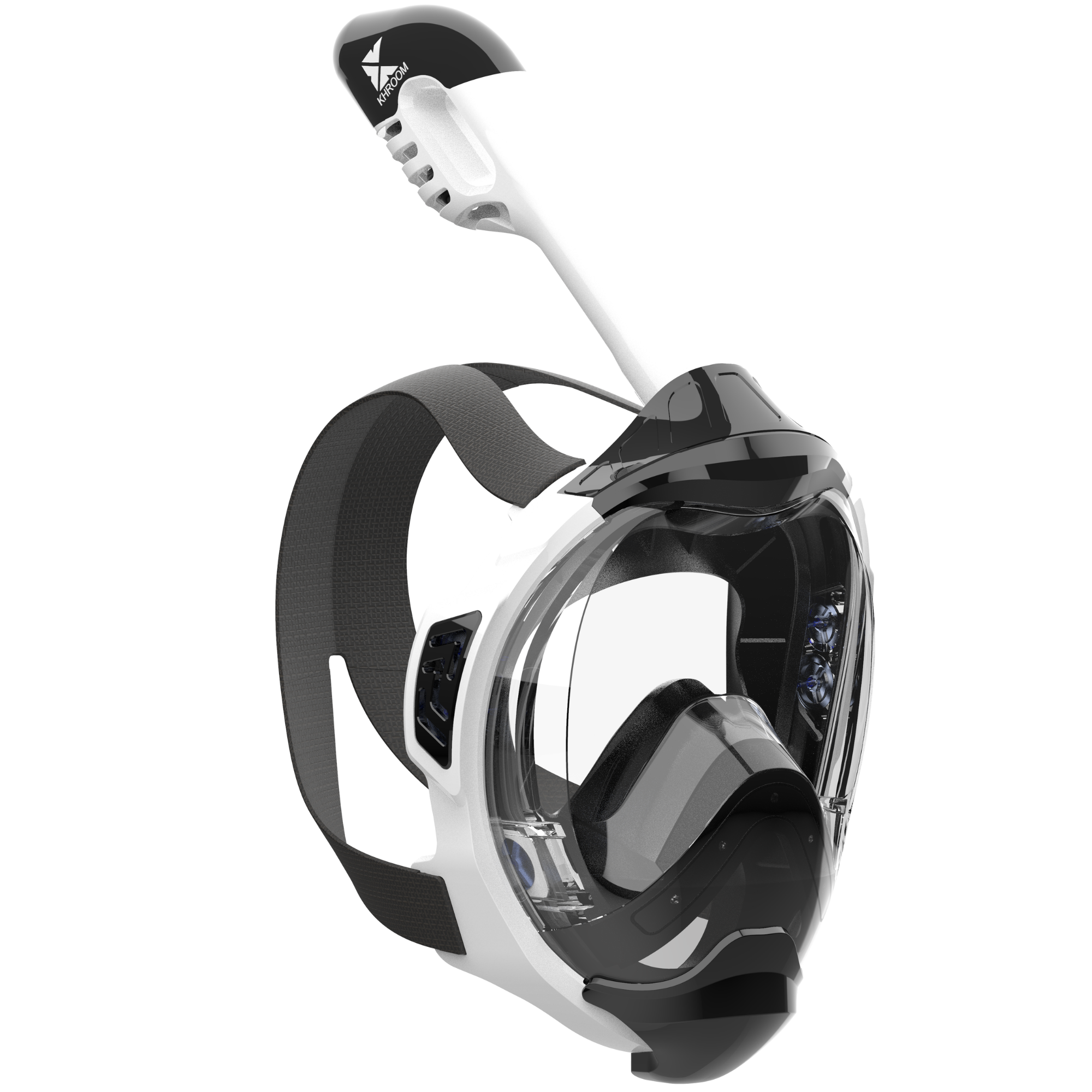
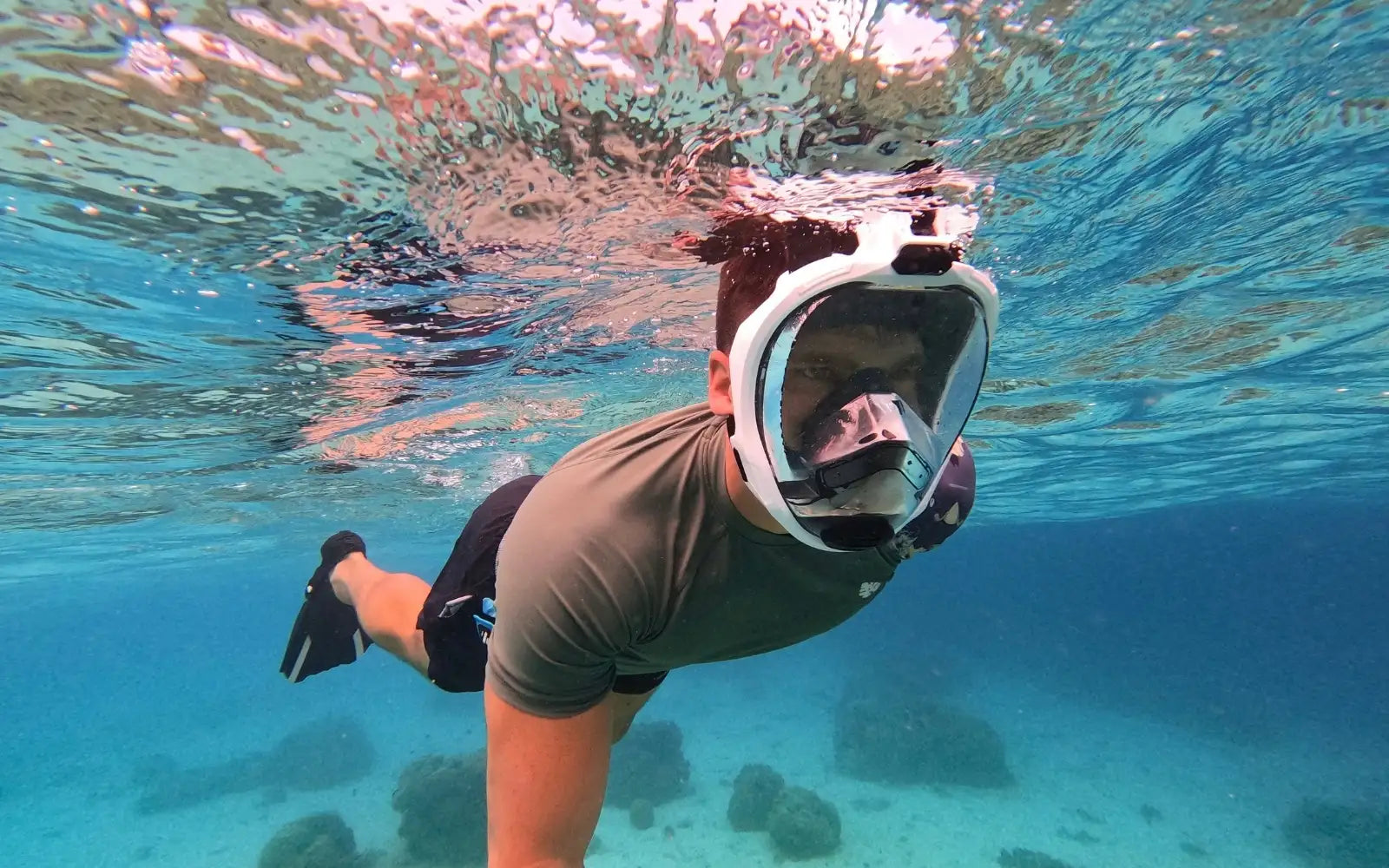
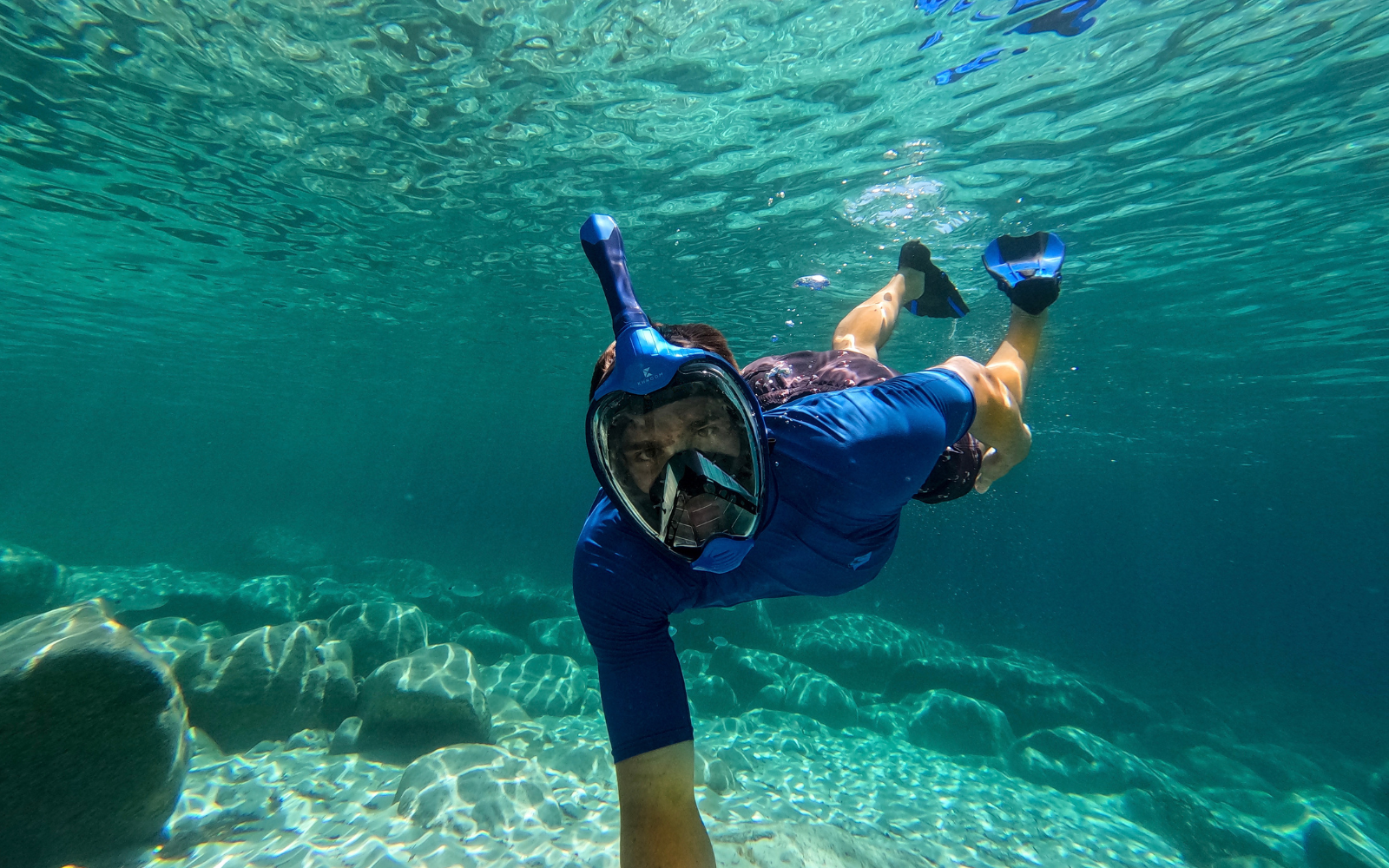
- Khroom Seaview Pro — SGS-certified, 180° panoramic view. In the Maldivian kaleidoscope of colors, the full field of view comes into its own like nowhere else. Bestseller and best value.
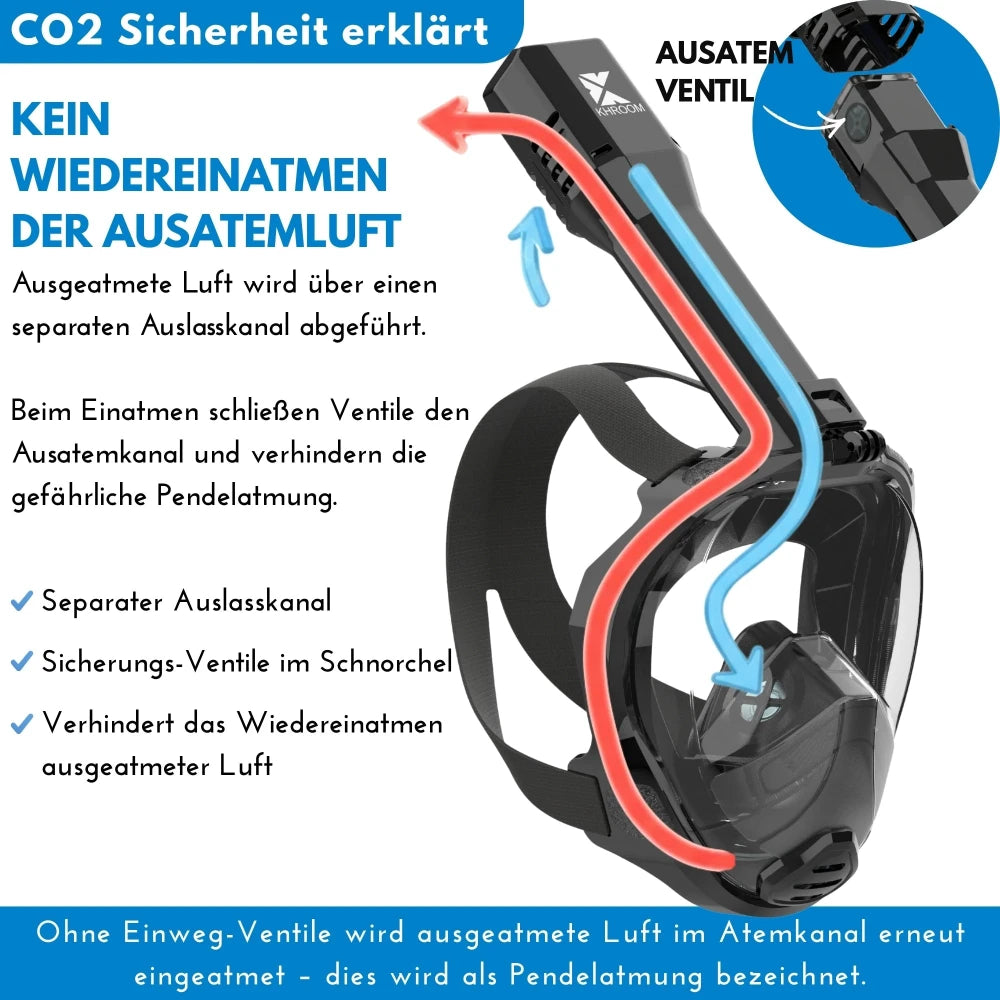
- Khroom Seaview Pro Plus — CO₂-tested with pressure equalization. Ideal if you also want to dive down a few meters to the coral gardens.
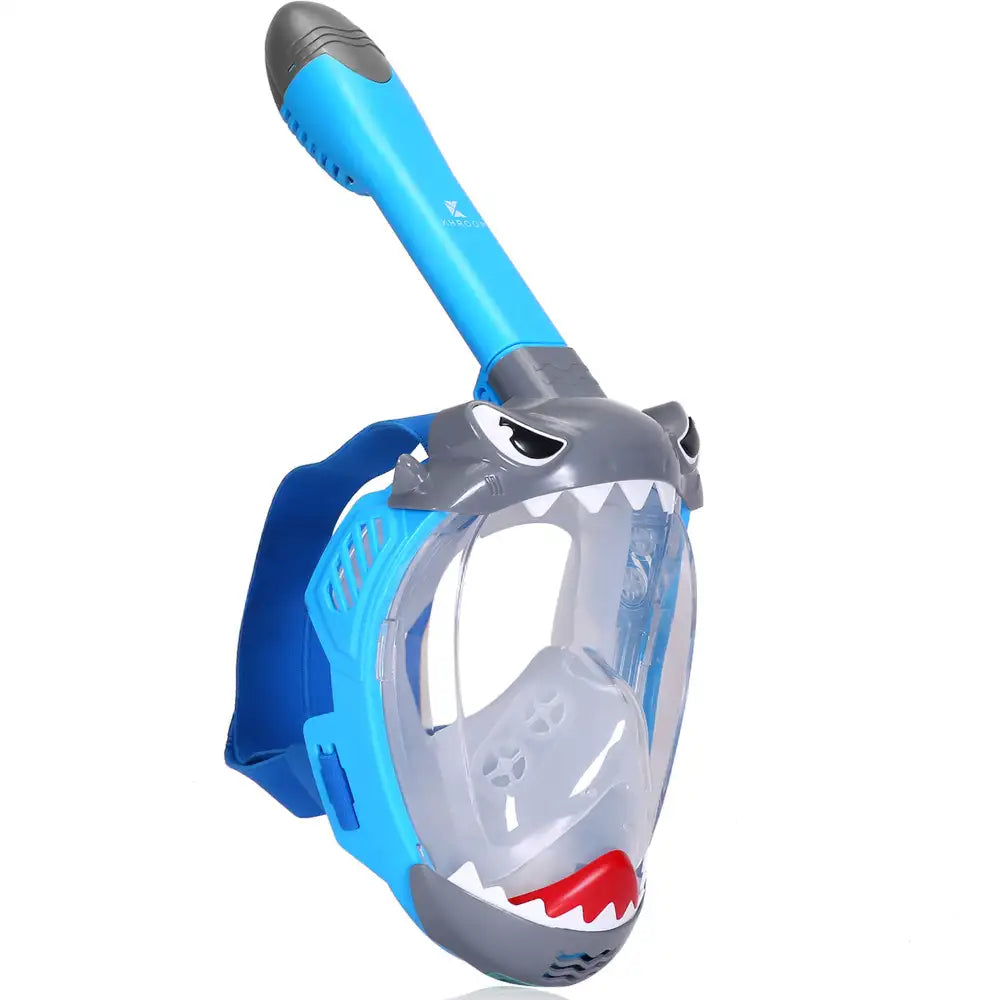
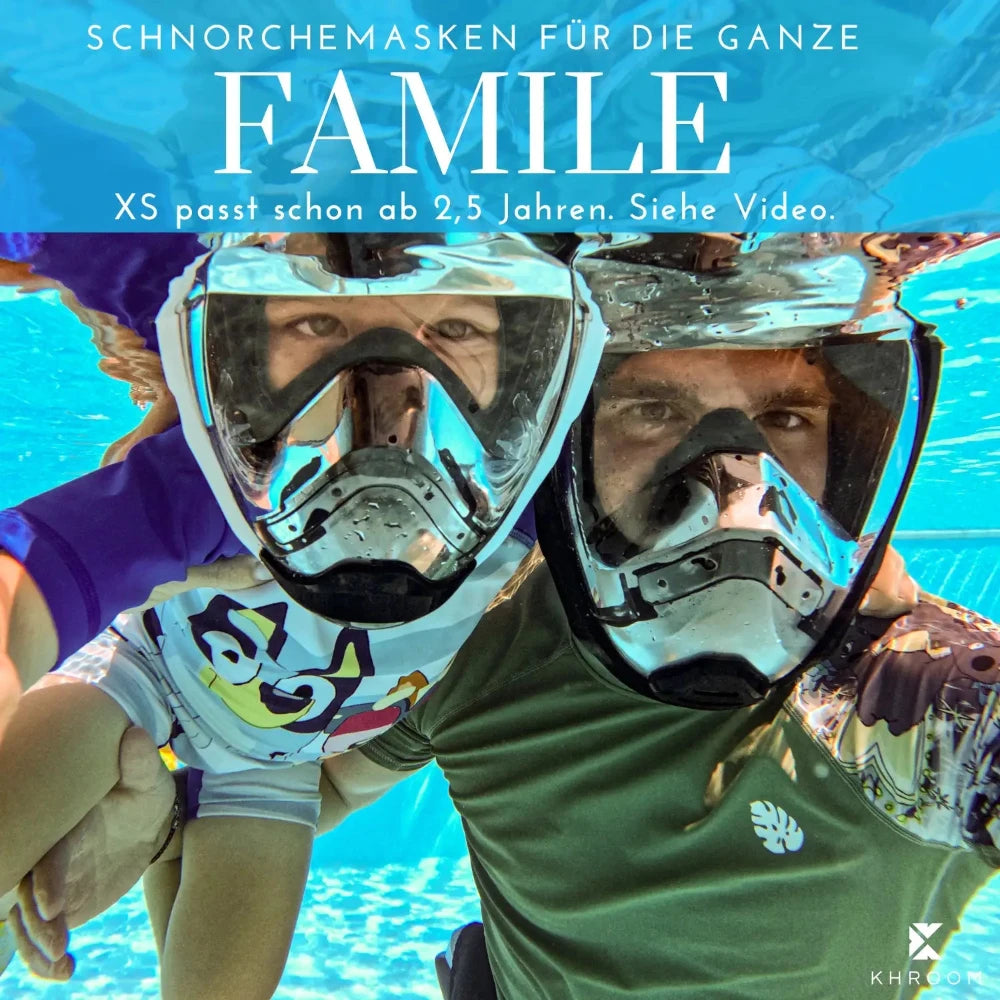
- Khroom Seaview Kids — The only TÜV-certified children's snorkel mask. Clownfish, sea turtles, and reef sharks — the Maldives will captivate your child.
Why CO₂ safety matters: Snorkel Mask Test 2026
Additional Equipment
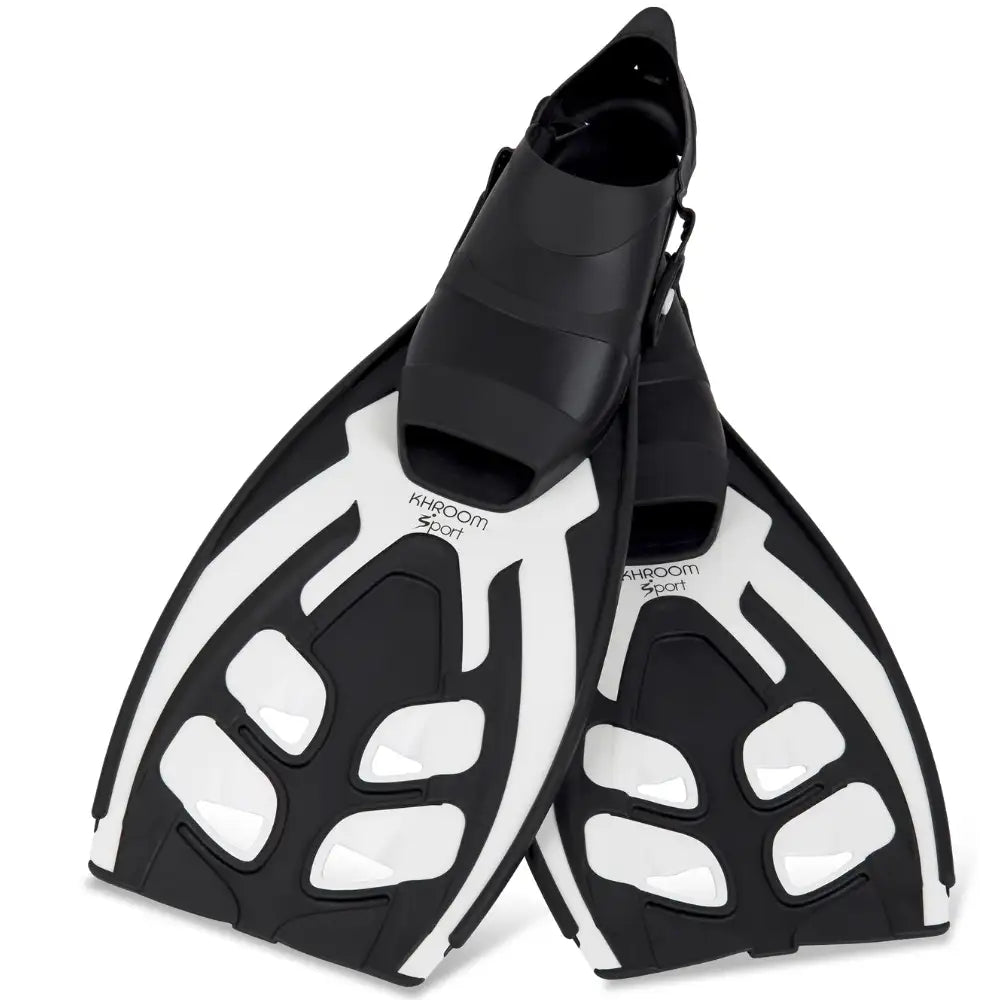
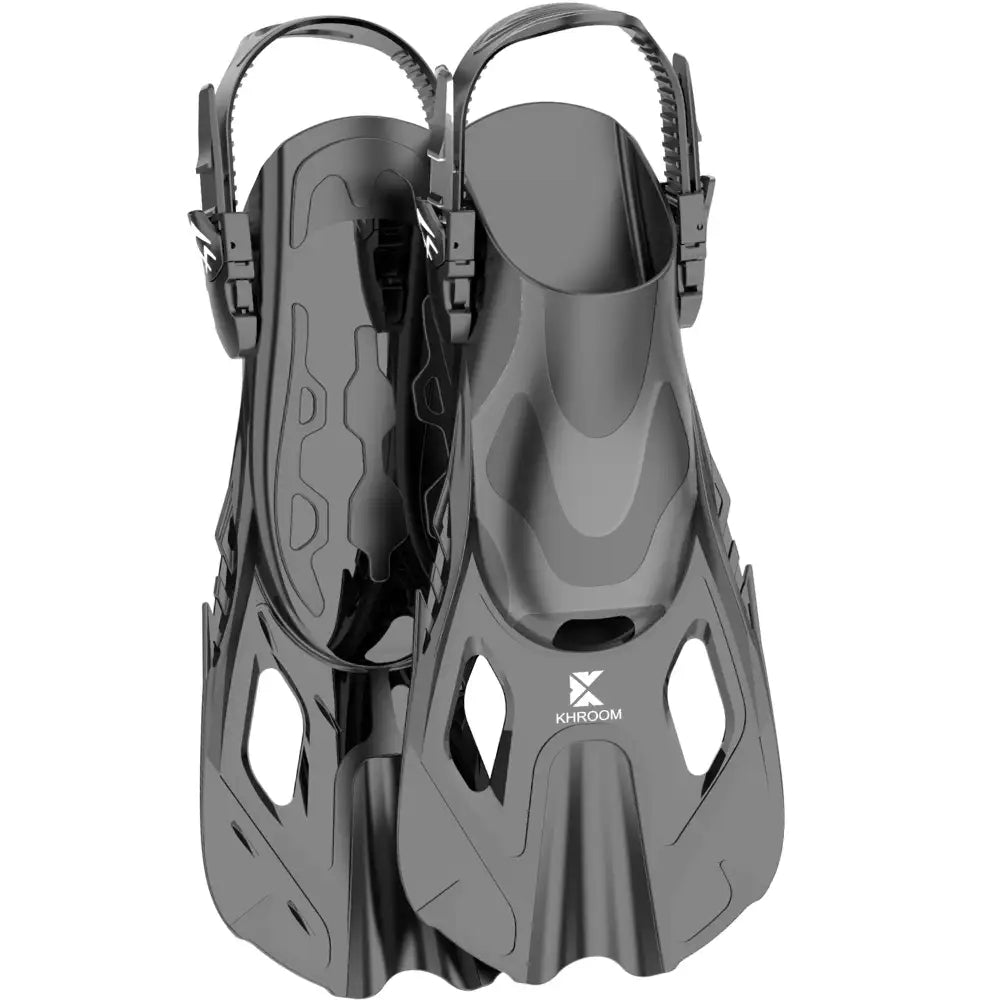
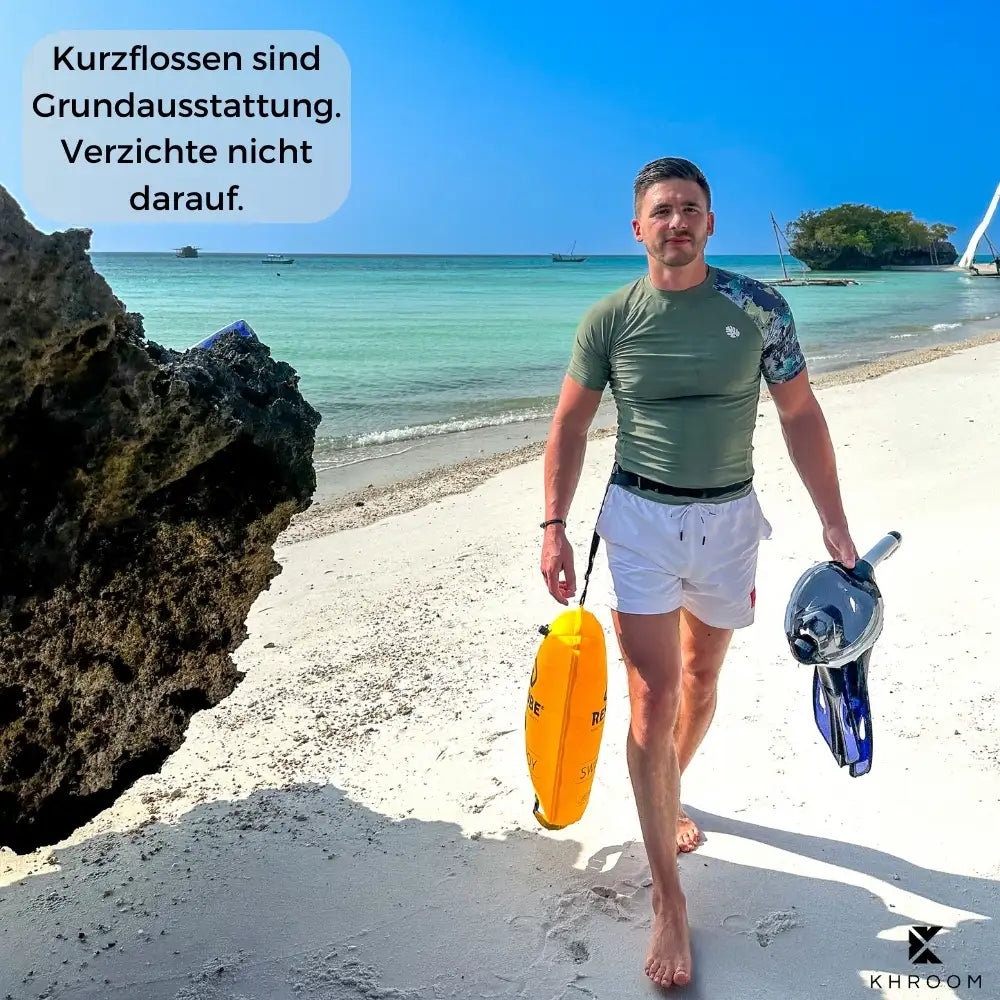
- Adjustable snorkel fins (short) — compact for travel luggage
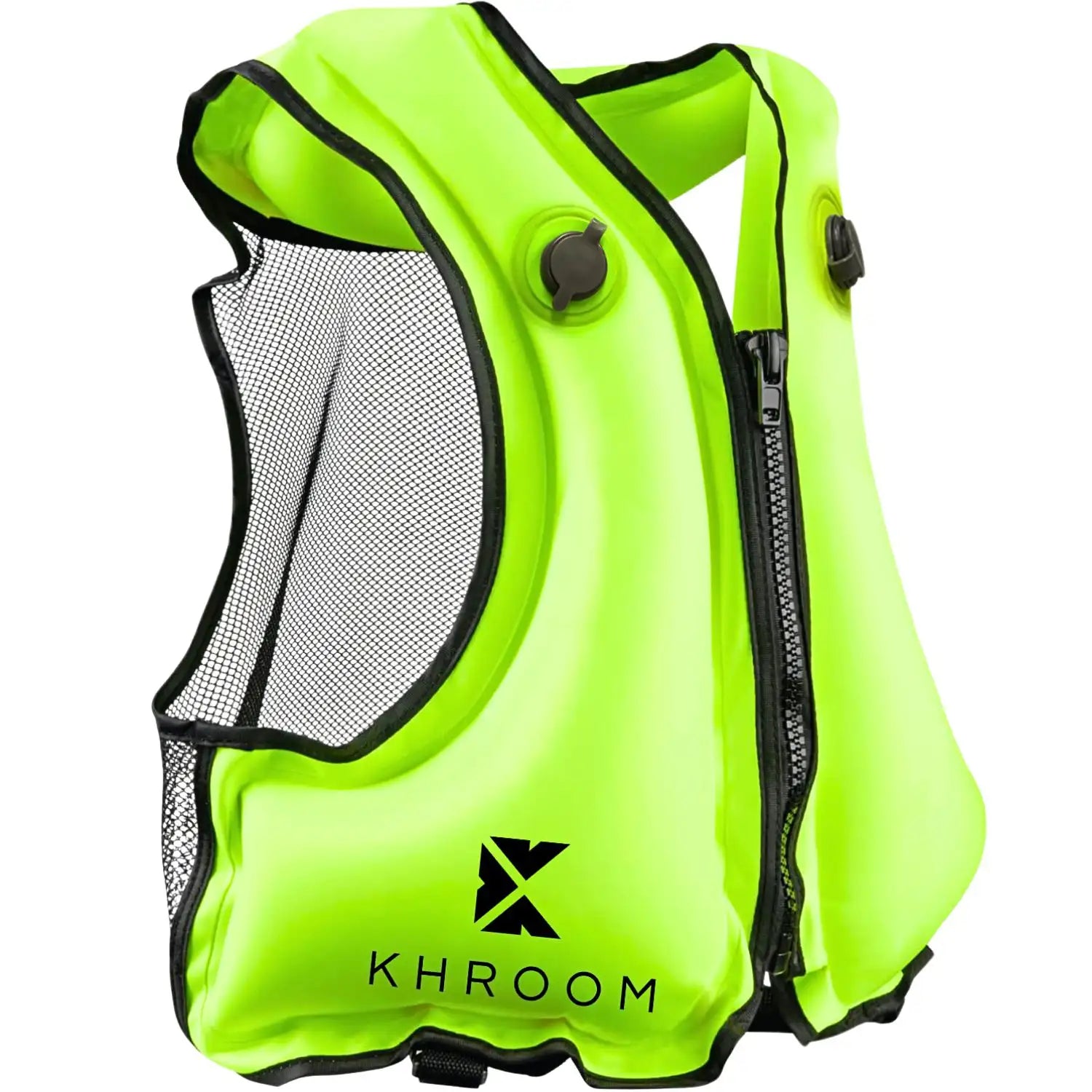
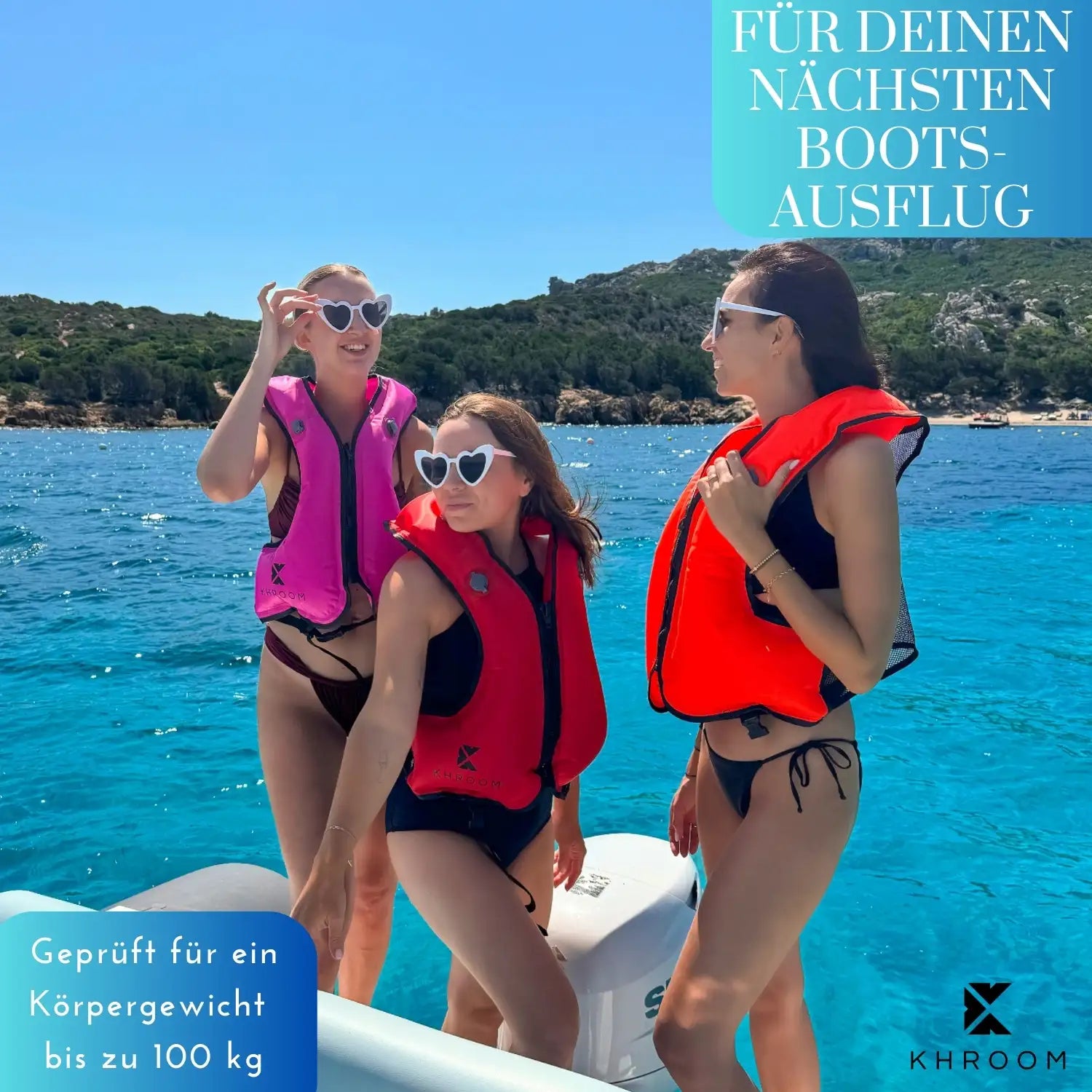
- Snorkel Vest — for beginners and children — especially for longer sessions at the house reef
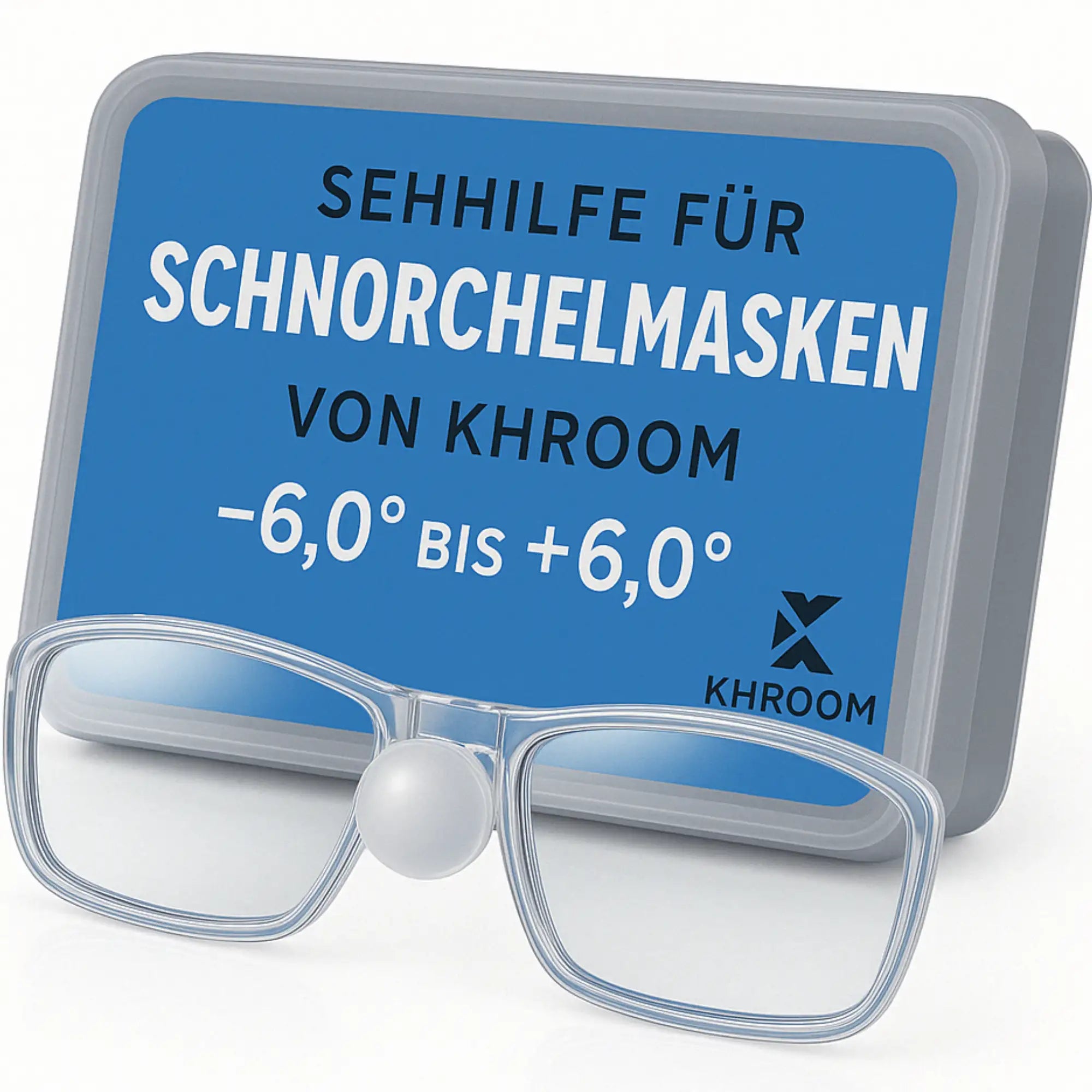
- Optical lens inserts — for glasses wearers. Glasses wearer guide
- UV shirt (rash guard) — a must in the Maldives: the tropical sun is extreme, even underwater
- Reef-safe sunscreen — mineral, without oxybenzone (many resorts ban conventional sunscreens)
- Underwater camera — whale sharks, mantas, and clownfish are the ultimate photo subjects
6. Snorkeling with Kids in the Maldives
The Maldives are a dream destination for family snorkeling, thanks to warm lagoons, shallow house reefs, and clownfish encounters. Many resorts offer kids programs and child-friendly snorkeling gear.
Best Conditions for Kids
- House reefs: Many resorts have reefs right at the beach — no boat needed, children snorkel under supervision near shore.
- Shallow lagoons: The turquoise lagoons within the atolls are shallow, warm, and current-free — perfect for first snorkeling attempts.
- Clownfish: The "Nemo" factor — kids are thrilled when they discover clownfish in sea anemones.
- Kids clubs: Many resorts have supervised kids programs while parents go on whale shark tours.
In detail: Safe snorkeling with kids
7. Travel Tips & Safety Rules
Getting There
Malé Airport (Velana International Airport, MLE). Direct flights from major European hubs (approx. 10 hours), connections via Dubai, Doha, or Istanbul (14–18 hours). Transfer to your resort by speedboat (closer atolls) or seaplane (more distant atolls).
Costs
The Maldives are not a budget destination — but the snorkeling experiences are worth it. Whale shark tours cost approximately $85–130 (€80–120), full-day tours with national park fees from $110 (€100). Many resorts offer free snorkeling gear and unlimited house reef snorkeling. More affordable options are available on local islands (guesthouses) instead of resort islands.
Safety Rules
- Don't touch corals — a single touch destroys years of growth. Many resorts have strict rules.
- Reef-safe sunscreen — mineral, without oxybenzone. Some resorts ban conventional sunscreens.
- Currents in channels: Kandus (atoll channels) can have strong currents — for experienced snorkelers only, or with a guide.
- Whale sharks & mantas: keep your distance — 10 ft (3 m), don't touch, don't chase, don't use flash.
- UV protection — the tropical sun is extreme. A UV shirt is a must.
- Never snorkel alone — especially not at house reefs with currents.
- Only use CO₂-tested masks — Are snorkel masks dangerous?
8. Conclusion & Packing List
The Maldives are the ultimate snorkeling destination. Nowhere else in the world can you swim alongside whale sharks year-round, watch 100 manta rays at once, and have world-class coral reefs right outside your room. The combination of warm, crystal-clear water, overwhelming biodiversity, and the unique house reef concept makes the Maldives a dream destination for every snorkeler — from beginner to experienced.
Our verdict by category:
- For whale sharks: South Ari Atoll (year-round), Baa Atoll
- For manta rays: Hanifaru Bay / Baa Atoll (May–Nov), North Ari Atoll (cleaning stations)
- For families: North Malé Atoll (Bandos, Kurumba — close to the airport), resorts with house reefs
- For experienced snorkelers: Vaavu Atoll (Fotteyo Kandu), South Ari Atoll (Maaya Thila)
- For hidden gems: Lhaviyani Atoll, Raa Atoll
Snorkeling Packing List — Maldives:
Seaview Pro or Seaview Pro Plus — CO₂-tested snorkel mask
Seaview Kids — TÜV-certified, for ages 3–10
Short adjustable fins — compact, travel-friendly
Snorkel Vest — for beginners and children
Optical lens inserts — for glasses wearers
UV shirt — a must! Tropical sun
Reef-safe sunscreen (mineral, without oxybenzone)
Underwater camera — photograph whale sharks & mantas
Further Reading

Written by Christian Hanauer