
Snorkel Mask vs. Dive Mask — Which Is Better? | Comparison 2026
Snorkel Mask vs. Dive Mask — Key Takeaways:
Snorkel mask: Breathe naturally through mouth and nose without an annoying mouthpiece, 180° view, anti-fog and dry-top system (prevents fogging and water entry)
Dive mask + snorkel: More compact, more flexible for diving down, mouth-only breathing with an uncomfortable mouthpiece, lens fogs up.
Our recommendation: For 90% of all snorkelers, a full face snorkel mask is the more comfortable and safer choice.

If you want to get into snorkeling, you will quickly face a fundamental decision: full face snorkel mask or traditional dive mask with a separate snorkel? Both systems work — but they feel completely different. And for most snorkelers, there is a clear answer.
1. What Is a Snorkel Mask?
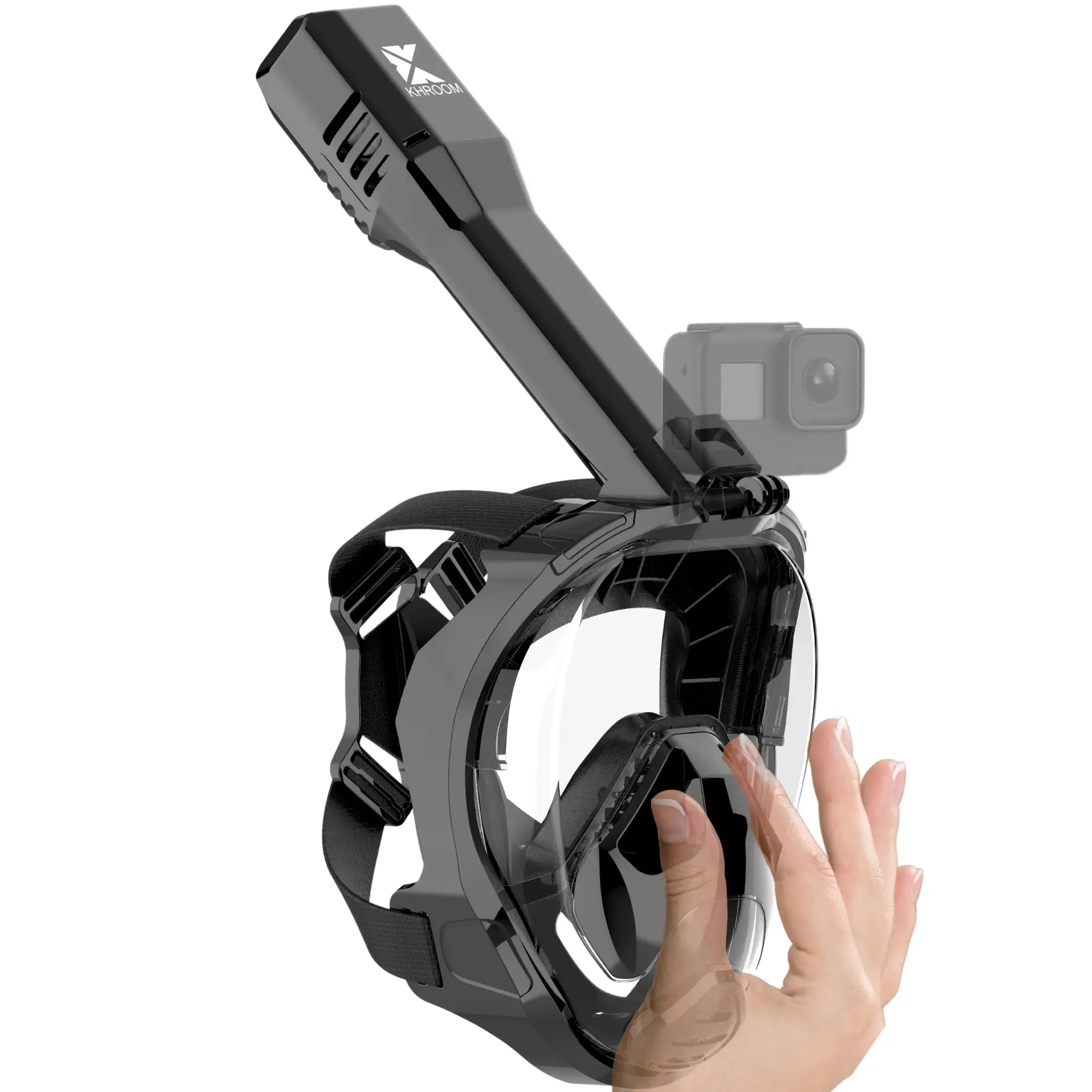
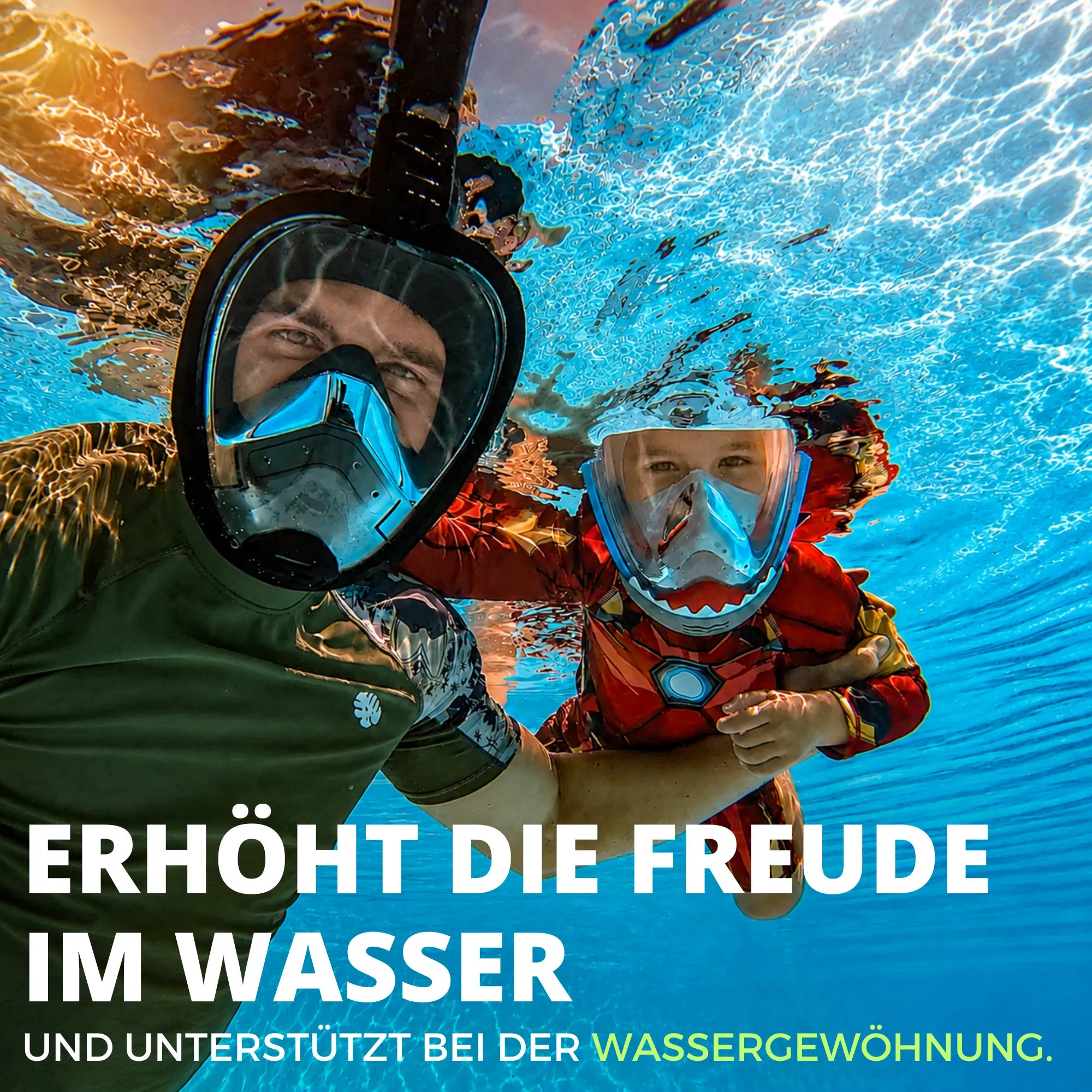
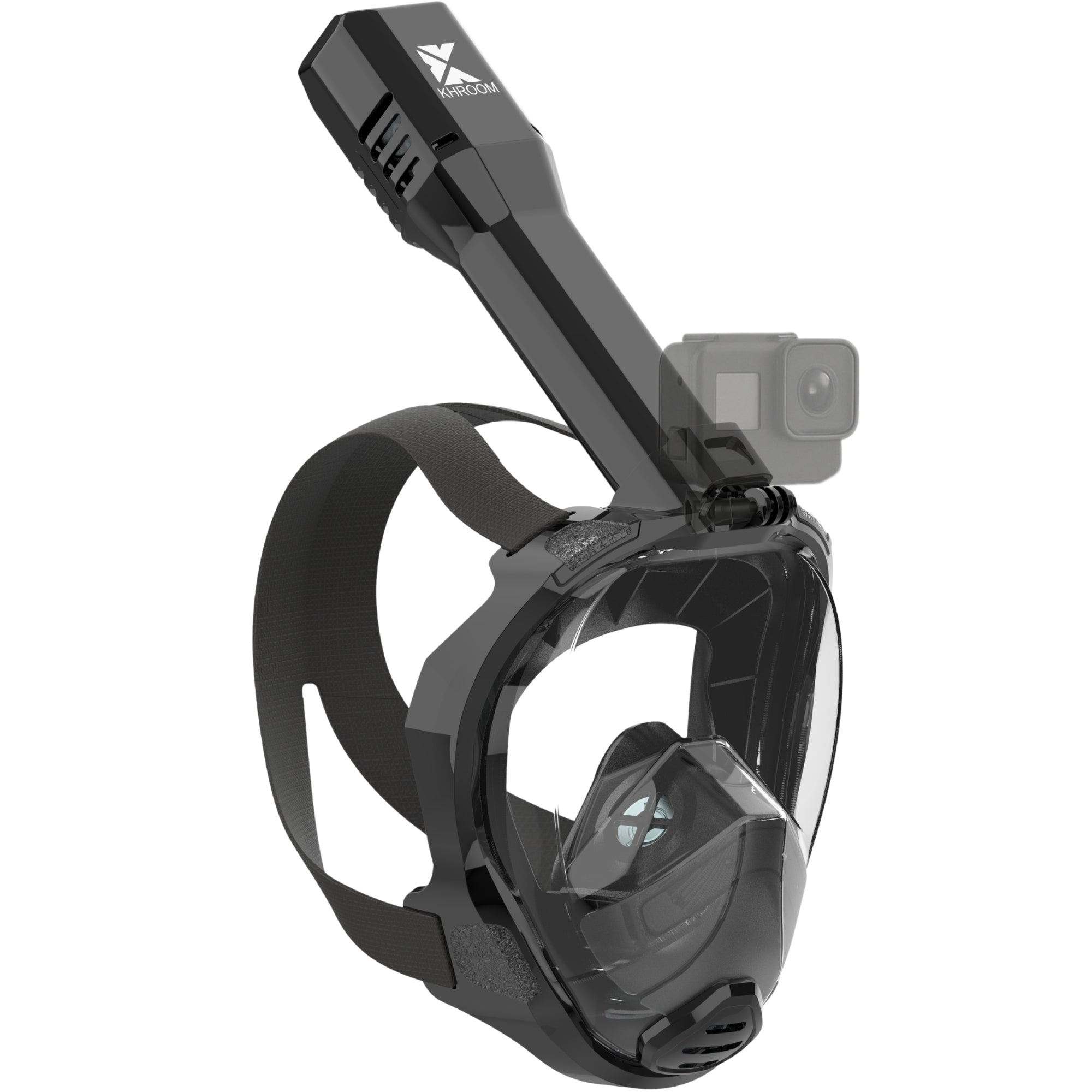
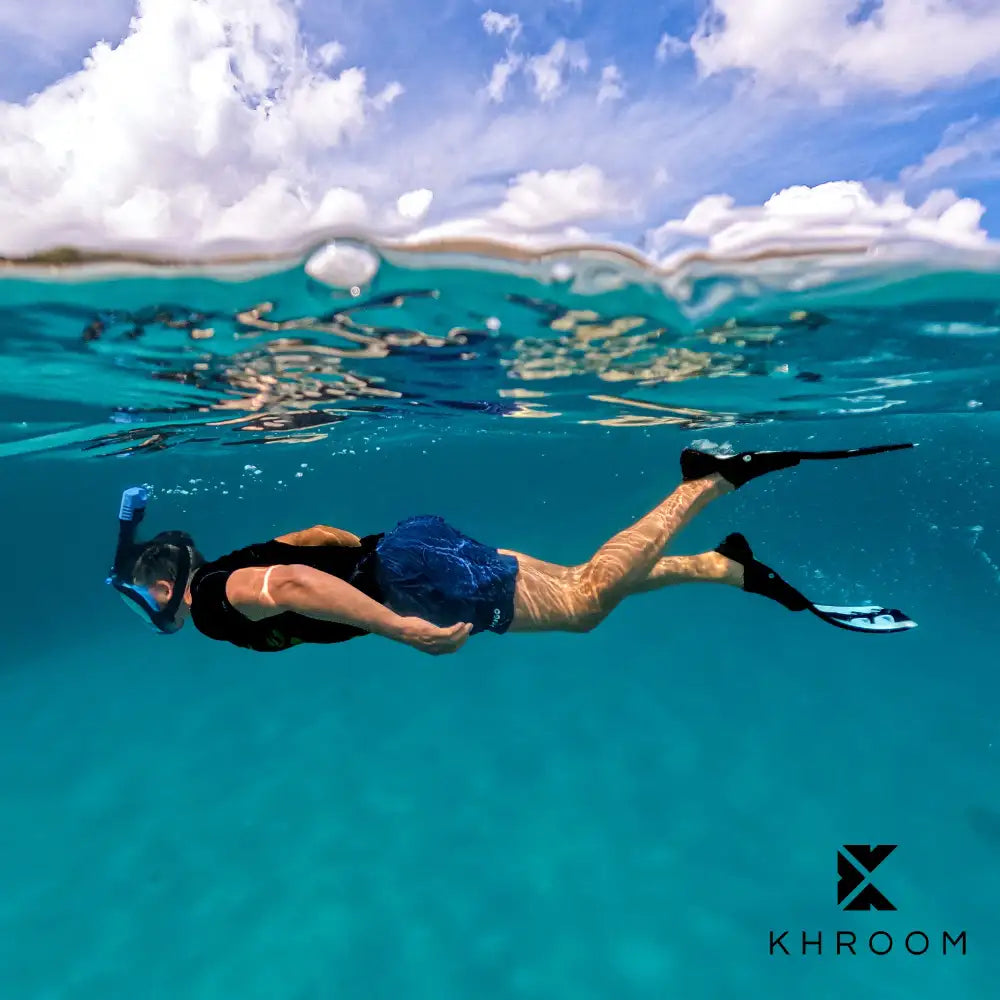
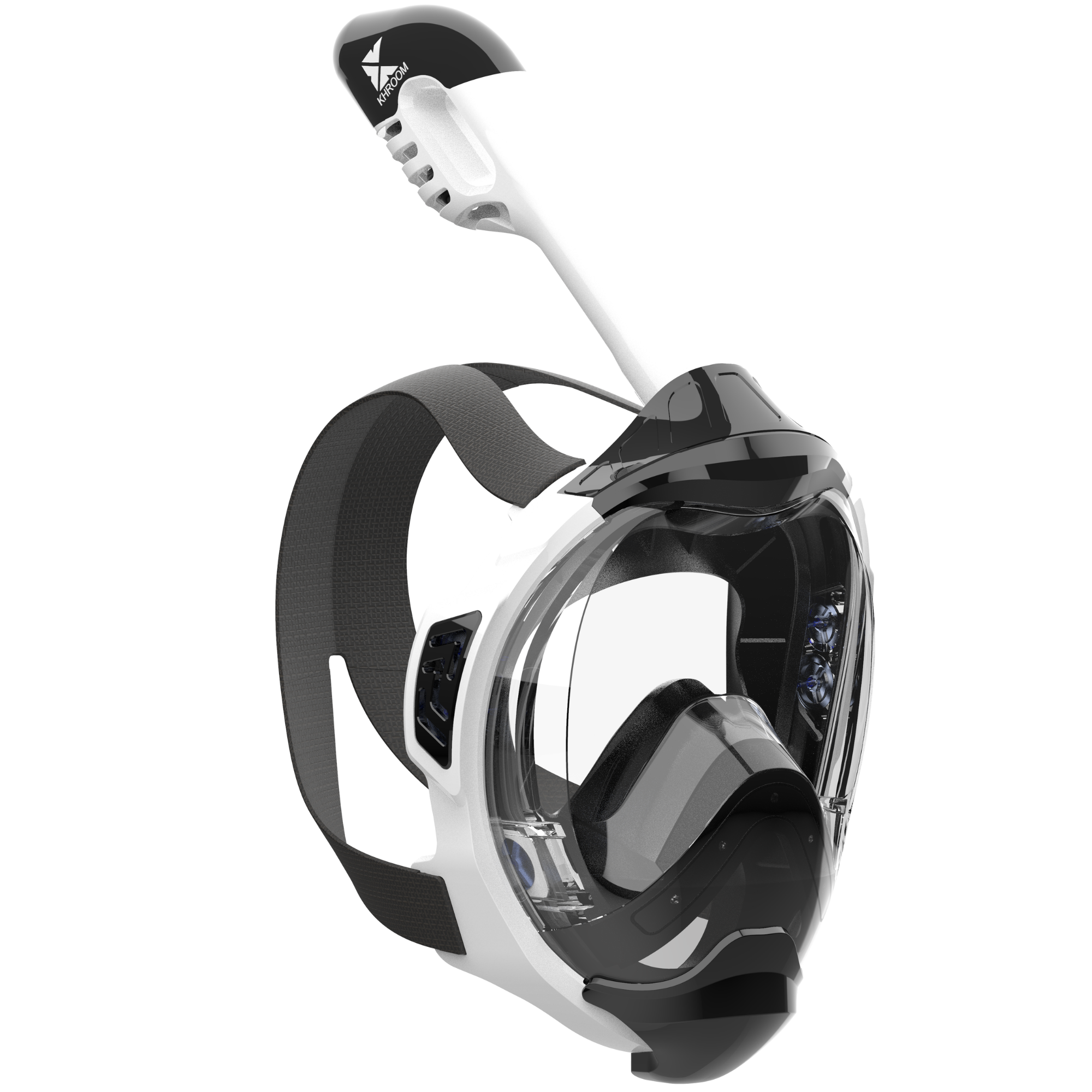
A full face snorkel mask covers your entire face. Mask and snorkel are a single system — you put it on and immediately breathe naturally through your mouth and nose, just like on land. No mouthpiece between your teeth, no separate snorkel to hold in place.
The result: you focus on what is happening below you, not on your gear. Most people forget after two minutes that they are even wearing a mask — and that is exactly the point.
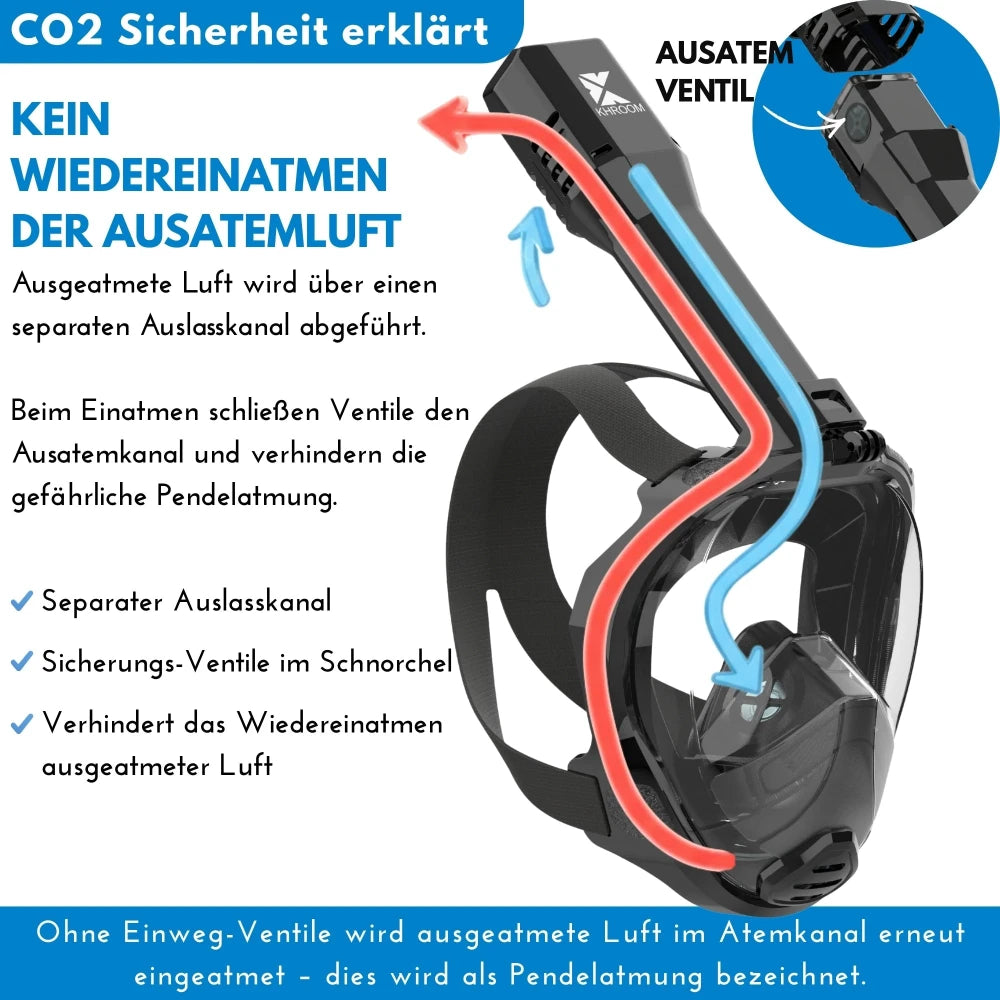
On top of that, you get a 180° panoramic field of view that gives you a completely different perspective on the underwater world compared to the limited view of a traditional dive mask. Modern models like our Seaview Pro also feature an anti-fog system, a dry-top snorkel to prevent water entry, and a CO₂-safe ventilation system with separated breathing channels.
2. What Is a Dive Mask?
A traditional dive mask (also called dive goggles) covers only the eyes and nose. The snorkel is a separate piece attached to the mask strap. You hold the mouthpiece between your teeth and breathe exclusively through your mouth.
The big advantage: you can easily dive down with a dive mask because you equalize pressure through your nose — simply pinch and gently blow. For freedivers and experienced apnea snorkelers, this is the more natural choice.
The downsides, however, are noticeable: the mouthpiece becomes uncomfortable after a while, many people experience a gag reflex, and mouth-only breathing feels unnatural. Additionally, the dive mask limits your field of view to goggle size, while a full face mask offers 180°.
3. The Direct Comparison
| Criterion | Snorkel Mask (Full Face) | Dive Mask + Snorkel |
|---|---|---|
| Breathing | Natural, through mouth and nose | Mouth only (mouthpiece) |
| Field of view | 180° panorama | Limited (goggle format) |
| Comfort | No mouthpiece, no gag reflex, instantly intuitive | Mouthpiece causes pressure, requires getting used to |
| Fogging | Integrated anti-fog system (in quality masks) | Frequent fogging, manual preparation required |
| Diving down | Designed for the surface. Exception: Seaview Pro Plus with pressure equalization (down to approx. 26–33 ft / 8–10 m) | Yes, pressure equalization via the nose |
| CO₂ safety | In certified masks (SGS, TÜV, DEKRA): separated breathing channels, check valves | Not an issue — open system |
| Glasses wearers | Optical lens inserts from −6.0 to +6.0 diopters directly into the mask | Prescription lenses from an optician (more expensive, approx. $160–270 / €150–250) |
| Learning curve | None — put it on and start snorkeling | Mouthpiece breathing, pressure equalization, and snorkel handling require practice |
| Ideal for | Beginners, families, vacationers, casual snorkelers | Experienced divers, freedivers, apnea athletes |
4. CO₂ Safety — The Underestimated Factor
In the "snorkel mask vs. dive mask" discussion, one point is often overlooked: CO₂ safety. With a traditional dive mask, this is not an issue — you inhale and exhale through the open snorkel, and used air escapes directly.
With full face snorkel masks, it is a different story. Here, air circulates within a closed system. If this system is poorly designed — no separated breathing channels, no check valves — exhaled, CO₂-rich air can be re-inhaled. The consequences: headaches, dizziness, and in the worst case, loss of consciousness in the water.
- Seaview Pro: SGS-certified to EN 136:1998, §7.18
- Seaview Pro Plus: SGS-certified, with pressure equalization
- Seaview Y: SGS-certified to EN 136:1998
- Seaview X: DEKRA-certified to EN 136:1998, §7.18
- Seaview Kids: TÜV Rheinland certified — the only TÜV-certified children's snorkel mask
All test reports are publicly available: Test reports and certifications
In depth: Are Full Face Snorkel Masks Dangerous?
5. Which Mask Is Right for You?
You want to snorkel relaxed — at the surface, stress-free?
Then a full face snorkel mask is the right choice. You breathe naturally, see more, and don't need to learn anything. Put it on, start snorkeling.
Our recommendation: Seaview Pro — SGS-certified, 180° panoramic view, anti-fog, bestseller. For vacation as a version with soft case or as a bundle with long fins.
You want to snorkel and occasionally dive down?

The Seaview Pro Plus is the only full face snorkel mask with integrated pressure equalization. Via a silicone nose, you can equalize pressure just like with a traditional dive mask — and dive down in a controlled manner to 26–33 ft (8–10 m). Plus a quick-release buckle for easy removal.
Also available as a bundle with short fins.
You are a freediver or experienced apnea athlete?
Then a traditional dive mask with a separate snorkel is the better choice. The low internal volume makes pressure equalization easier at greater depths, and the separate snorkel does not get in the way when diving down. Full face masks are designed for snorkeling at the surface — not for intensive freediving.
You have a narrow face?
Standard snorkel masks often do not seal properly on narrow faces. The Seaview Y is our narrowest model — SGS-certified, specifically designed for narrow and oval face shapes.
You snorkel with children?

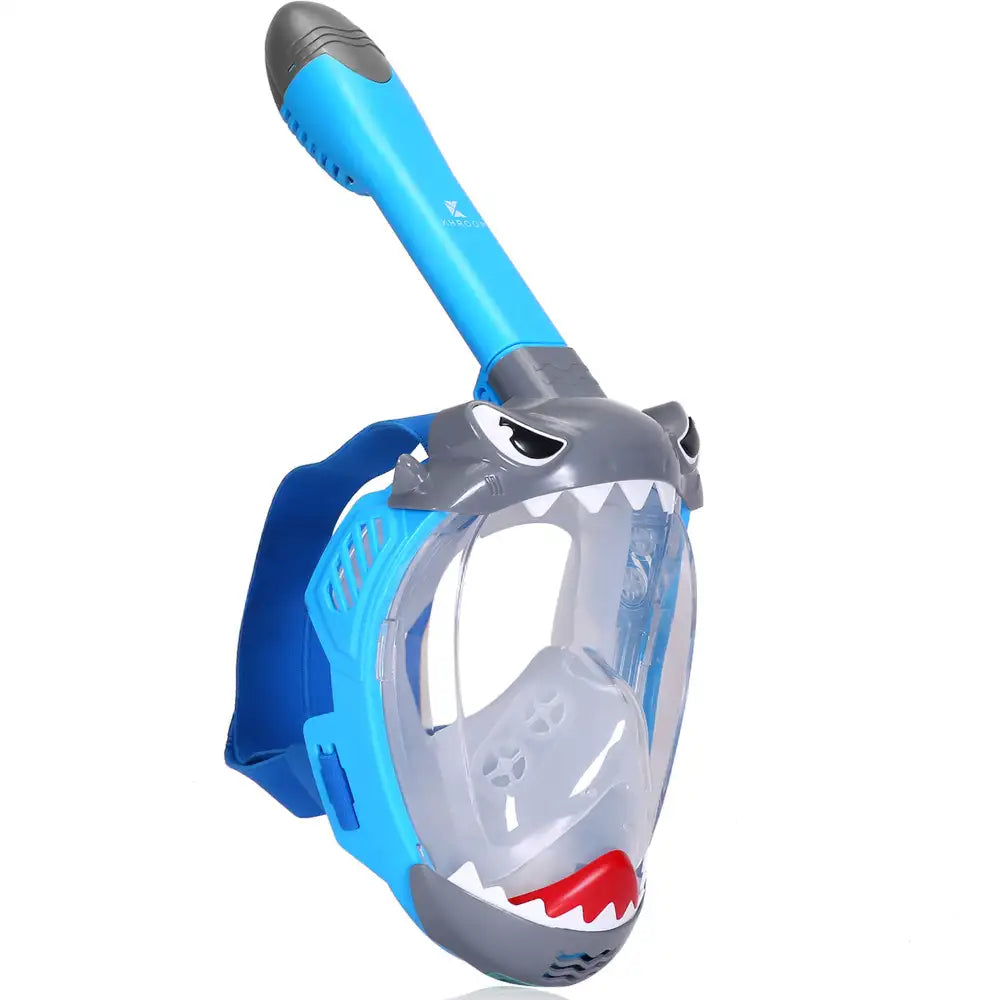
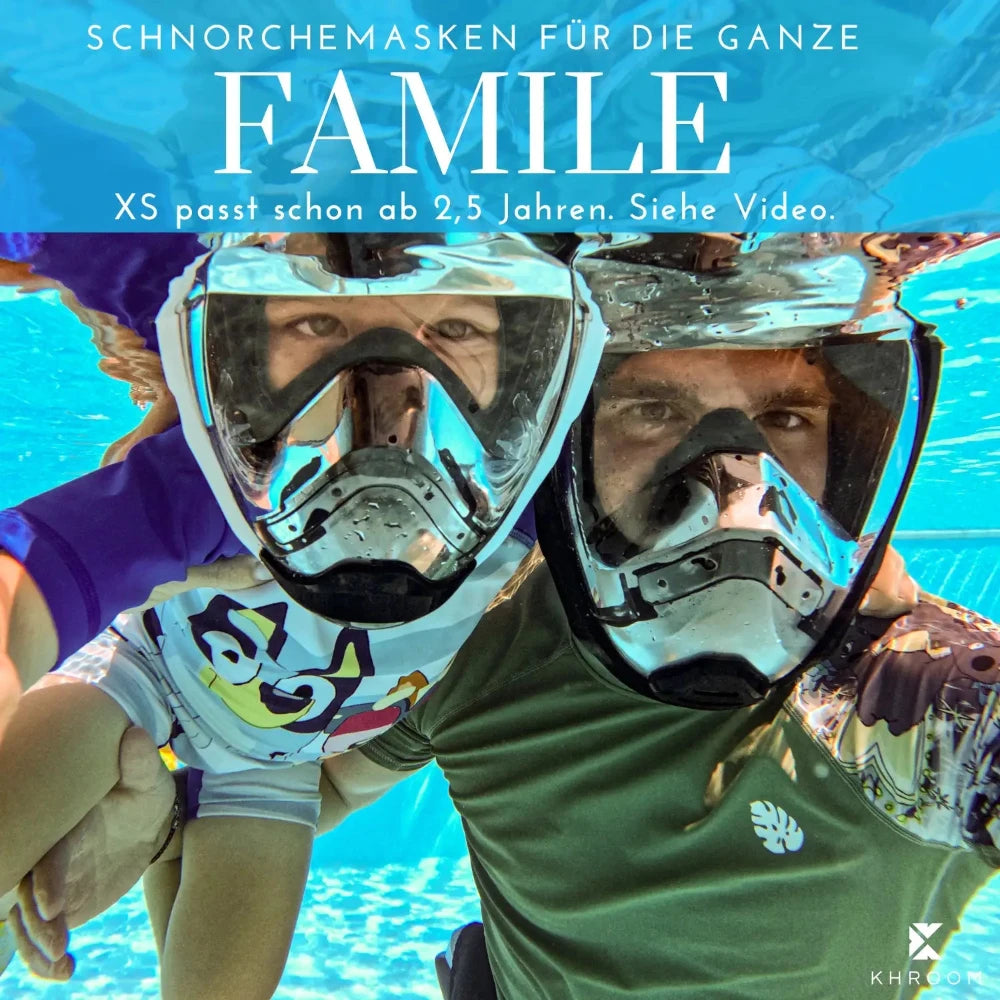
For children ages 4 and up, there is the Seaview Kids — the only children's snorkel mask with a TÜV certificate. Kid-friendly designs (shark, unicorn, dog), extra-soft silicone, and a CO₂-safe ventilation system. Also available as a bundle with free fins.
More on this topic: Safe snorkeling with kids
You wear glasses?
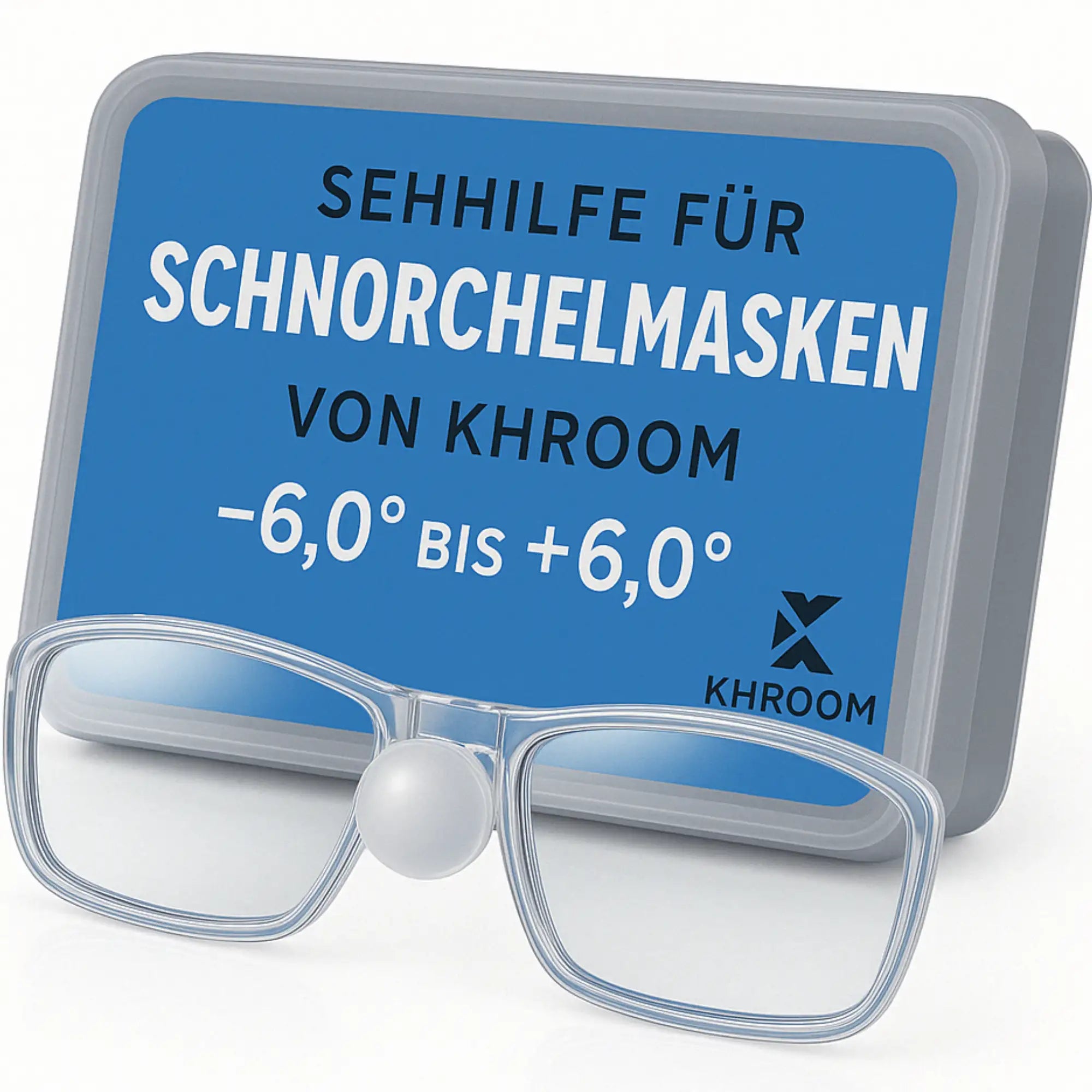
With a full face mask, you don't need expensive custom lenses from an optician. Our optical lens inserts from −6.0 to +6.0 diopters are placed into the mask via suction cup — no tools, in 30 seconds, and compatible with all Khroom masks.
6. Our Masks at a Glance
| Model | Ideal for | Key Feature | Certification |
|---|---|---|---|
| Seaview Pro | Beginners, families, vacationers | 3x enlarged breathing channel, anti-fog, bestseller | SGS (EN 136) |
| Seaview Pro Plus | Intermediate, divers | Pressure equalization (down to 26–33 ft / 8–10 m), quick-release | SGS (EN 136) |
| Seaview Y | Narrow faces | Narrowest model, extra-thick silicone frame | SGS (EN 136) |
| Seaview Kids | Children ages 4+ | TÜV-certified, 3 designs, soft silicone | TÜV Rheinland |
Compare all models: Khroom masks in the shop
Detailed comparison with scores: Snorkel Mask Test 2026 | Buying Guide 2026
Matching Accessories
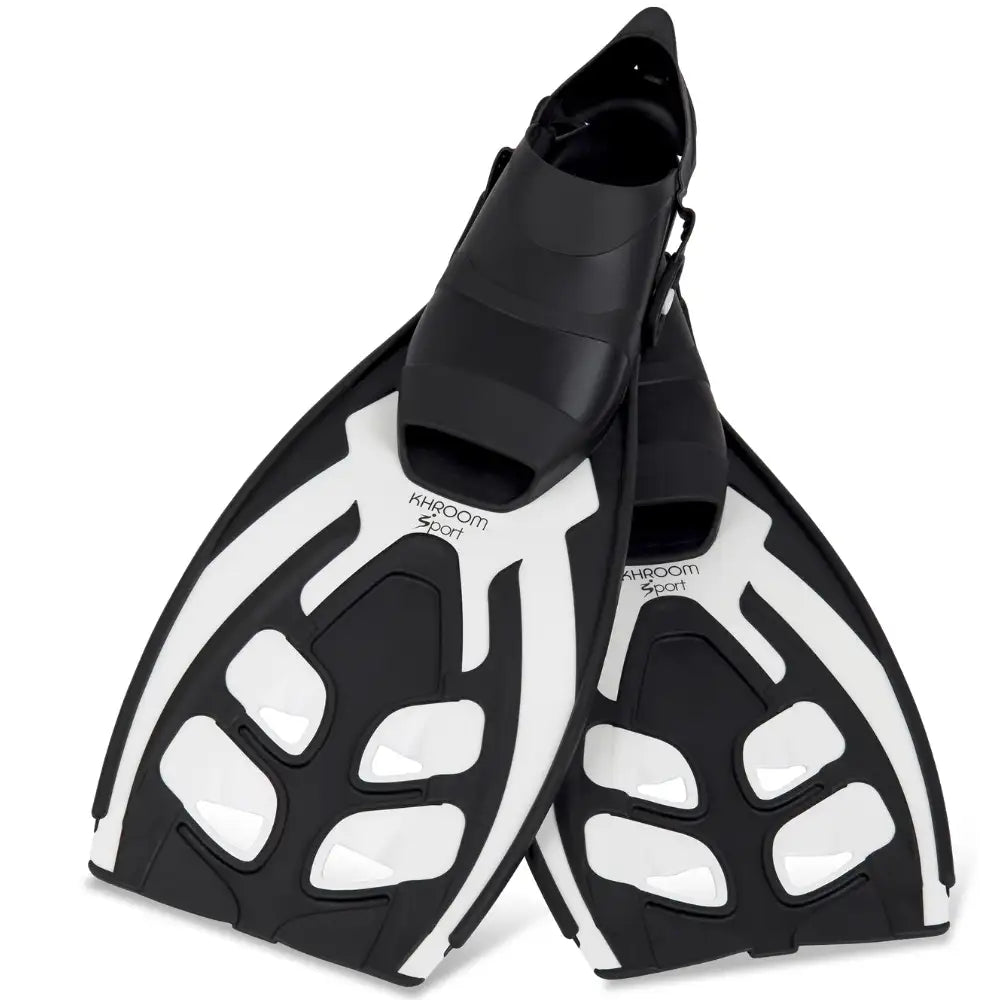
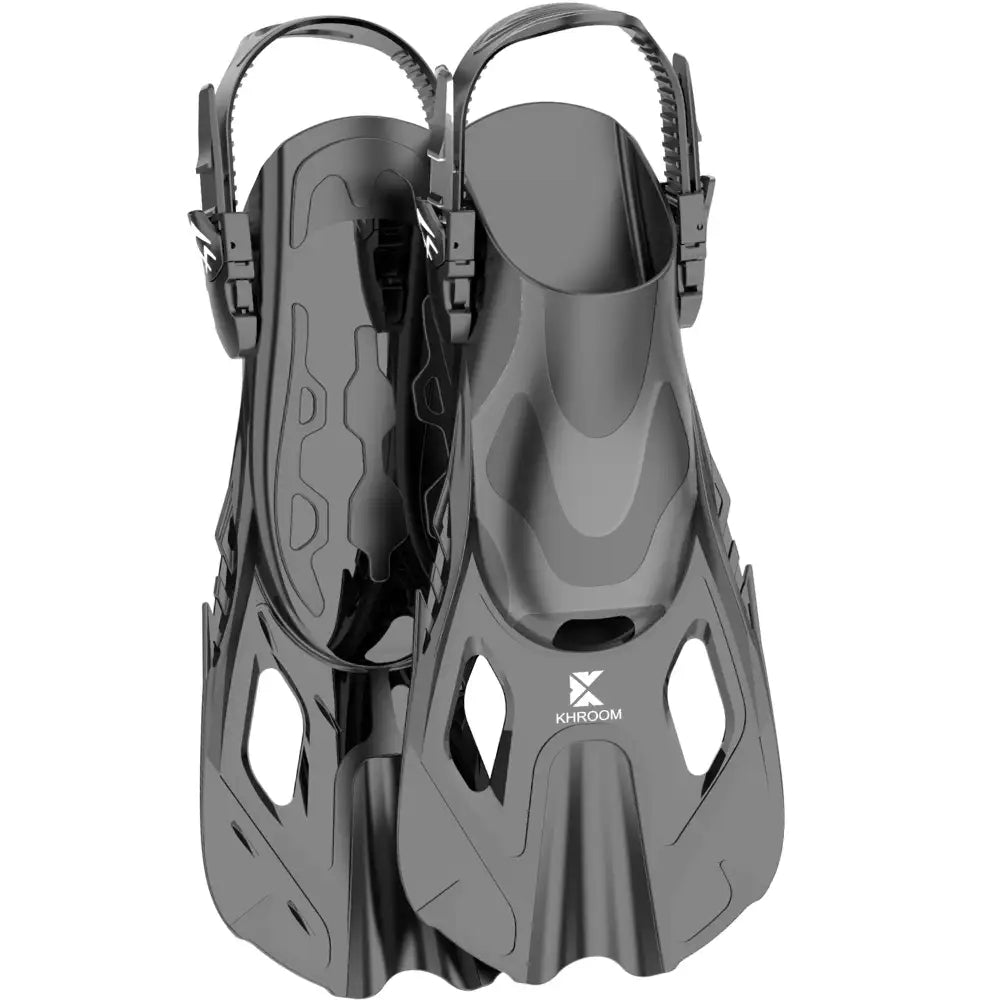
- Short adjustable fins — compact, travel-friendly, gentle propulsion. Comparison: Fin comparison
- Neoprene socks (3 mm) — protection from coral, sea urchins, and hot sand. When do you need them?
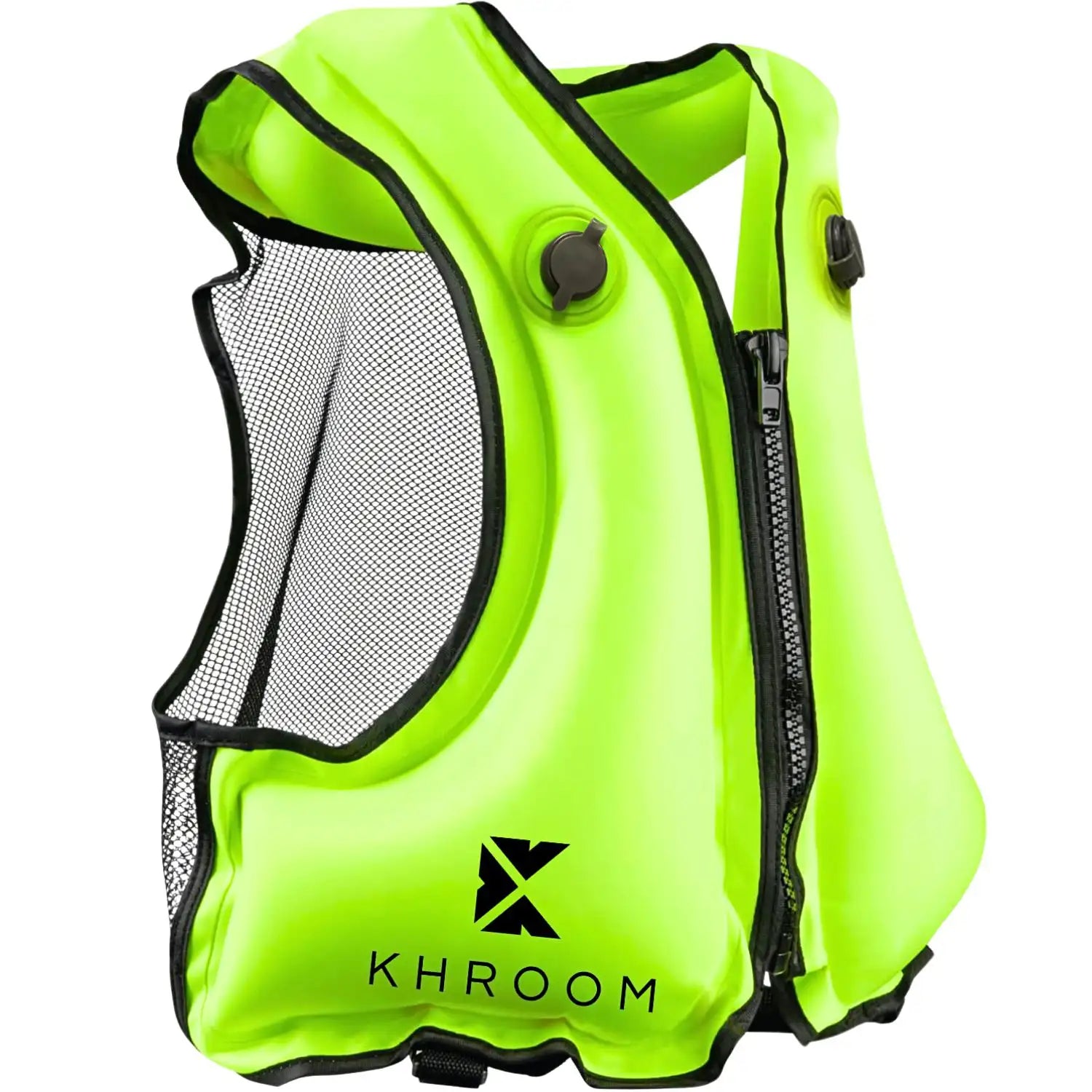
- Snorkel Vest — inflatable swim vest for beginners and children
- Optical lens inserts — for glasses wearers, −6.0 to +6.0 diopters
- Replacement parts — snorkel, valves, and accessories for all masks
Further Reading
- Best Snorkel Mask for Beginners
- Best Snorkel Masks for Adults — Comparison
- Snorkel Mask Test 2026
- Proper Breathing While Snorkeling
- Learning to Snorkel — How to Do It Right
- Frequently Asked Questions About Snorkel Masks
- Snorkel Mask for Glasses Wearers
- Safe Snorkeling with Kids
- How to Handle Currents While Snorkeling

Written by Christian Hanauer