
The right way to deal with currents when snorkeling
Currents While Snorkeling — Key Takeaways:
Golden rule: Never swim against a current — always swim sideways (at a 90° angle) out of the current channel
Spotting them: Foam lines, color differences in the water, and drifting sand indicate currents
Prevention: Lift your head every 2–3 minutes, choose a reference point on shore, never snorkel alone
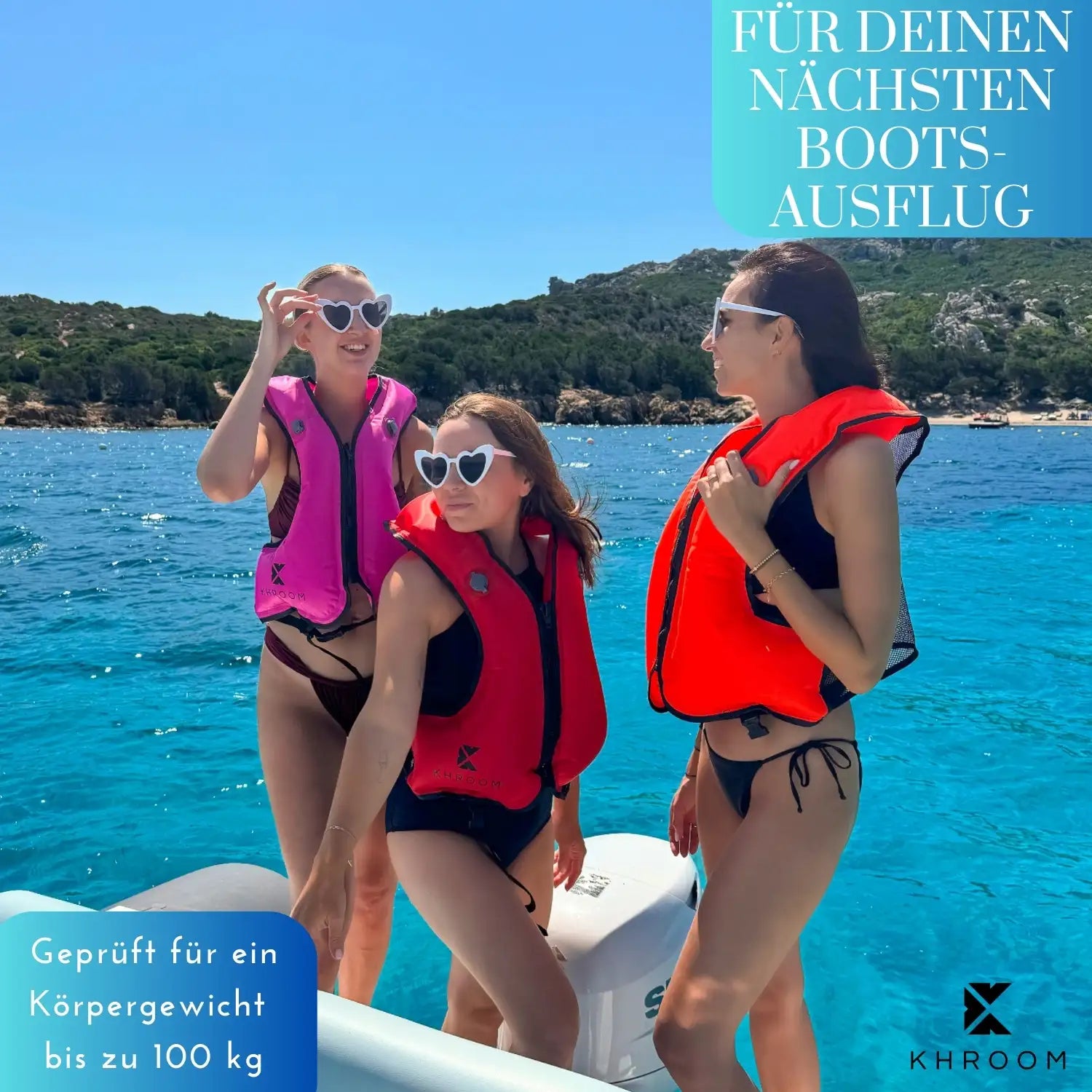
Safety: A snorkel vest provides buoyancy, saves energy, and can save lives in an emergency
Snorkeling is a safe, relaxed hobby — not a high-risk sport. But there is one danger that even experienced snorkelers regularly underestimate: currents. When you are fascinated following a school of fish or floating relaxed at the surface, you often don't notice that the water is slowly but steadily carrying you away from your starting point.
The problem: by the time you notice, you may already be far away — and the instinct to swim straight back against the current is exactly the wrong reaction. In this guide, you will learn how to spot currents before you enter the water, how to react properly if one catches you, and which gear increases your safety.
1. Why Currents Can Become Dangerous
Water never stands still. Whether it's the ocean, a lake, or a river — there is always movement in the water. When snorkeling, this is treacherous because you float face-down at the surface and can't see your surroundings above water. The underwater world captures your full attention — and in exactly those moments, currents carry you away.
The three most common scenarios:
- Gradual drift: Even weak currents (0.3 mph / 0.5 km/h) carry you 820 ft (250 m) from your starting point in 30 minutes — without you noticing.
- Rip current: A narrow, strong stream of water that pulls directly from the beach out to sea. Can catch swimmers in seconds and carry them away from the coast. The most common cause of swimming accidents worldwide.
- Exhaustion from swimming against it: The most dangerous mistake: trying to swim back against the current. You burn enormous energy and make no progress — the most common cause of panic and exhaustion in the water.
Real Case: Tourist Dies While Snorkeling in the Maldives
That currents while snorkeling can be fatal is shown by this tragic case from the Maldives. A tourist lost her life while snorkeling — an accident that very likely could have been prevented with the right preparation and equipment:
The snorkeler was clearly not wearing a snorkel vest — that would have made the decisive difference. An inflatable snorkel vest reliably keeps you at the surface, even when you become exhausted or panic. On top of that, she likely lacked proper equipment: without fins, you lack the propulsion to escape a current sideways. Without a CO₂-tested full face mask, the risk of swallowing water increases in stressful situations.
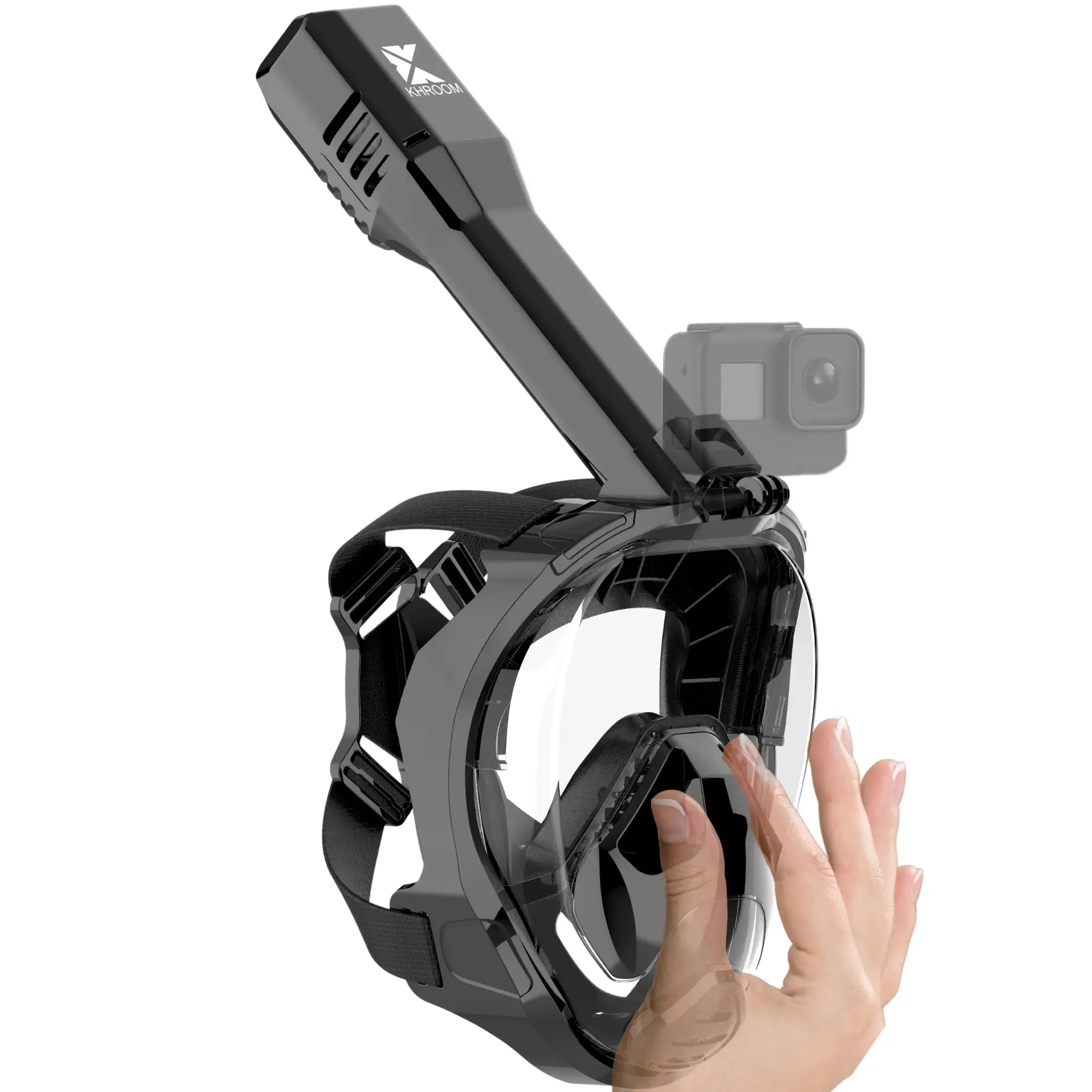
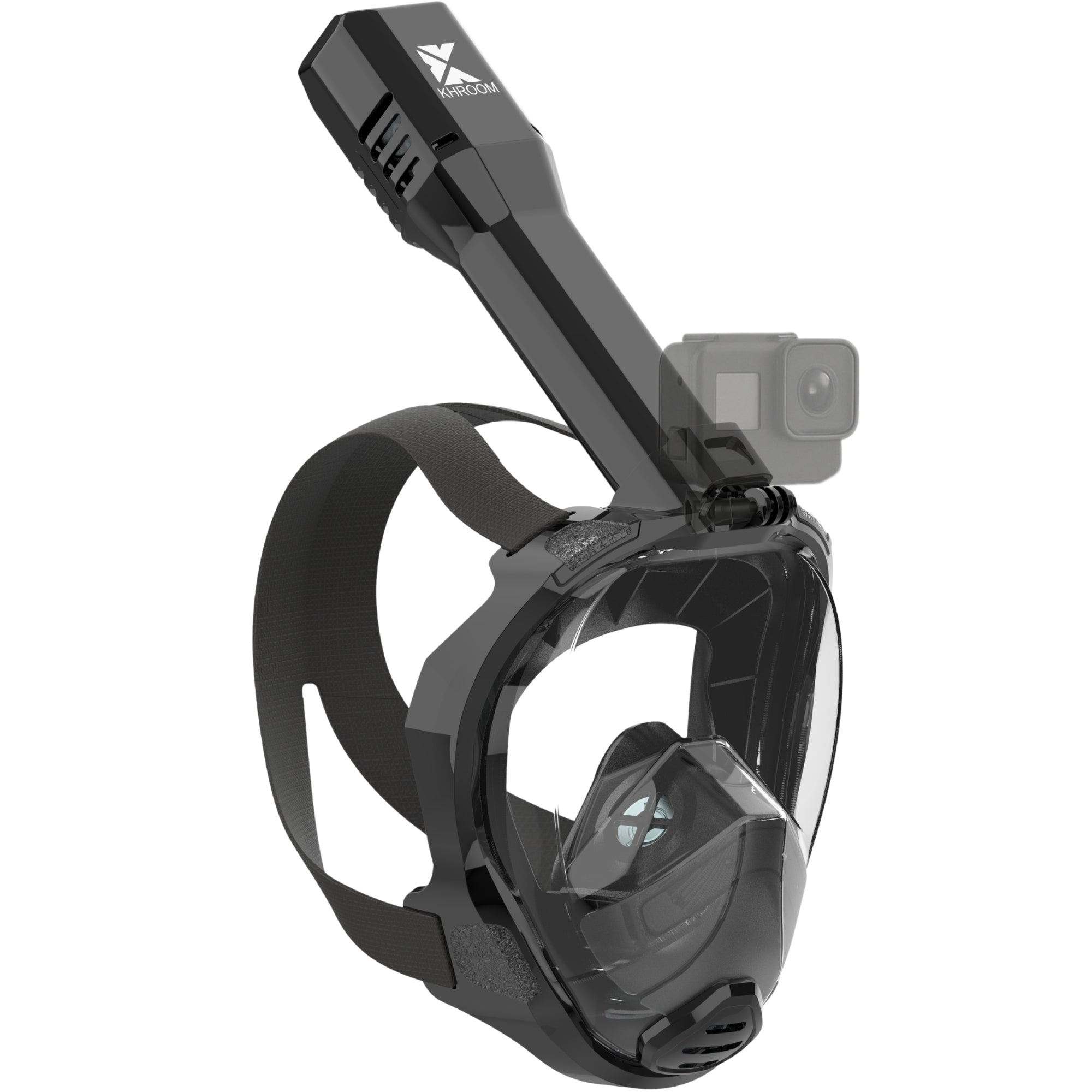
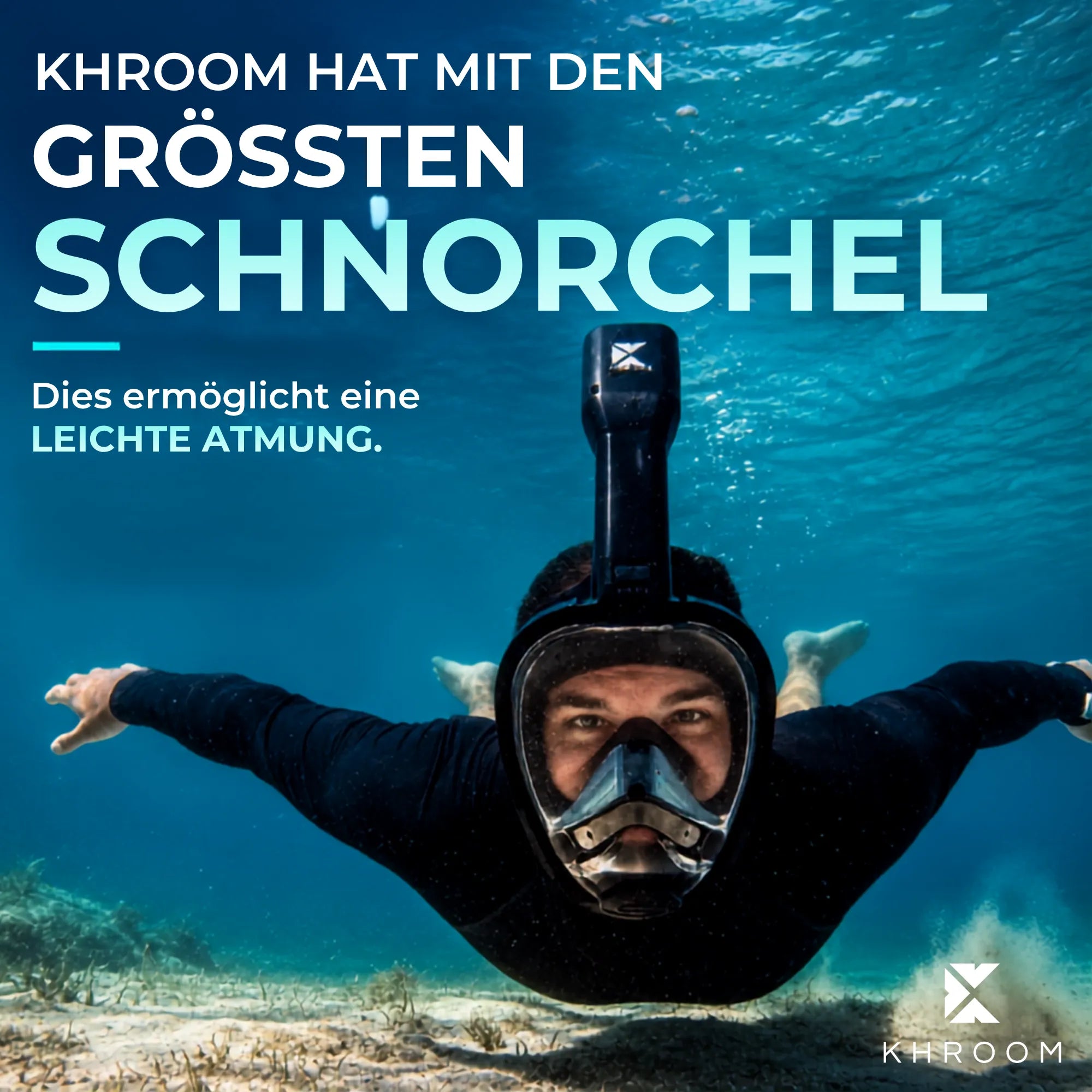
Important to know: Due to the salt content of seawater and the enclosed air volume of a Khroom full face snorkel mask, your head reliably stays above water — sinking is practically impossible. Combined with a snorkel vest and fins, you are well equipped even in a current.
This tragic case underscores why every single tip in this guide matters. The following sections show you exactly how to spot currents, how to react properly, and which gear keeps you safe while snorkeling.
2. The 4 Types of Currents — and How to Spot Them
1 Rip Currents — the Most Dangerous
Cause: Water pushed ashore by breaking waves flows back to the open sea through narrow channels (30–100 ft / 10–30 m wide).
Speed: Up to 5 mph (8 km/h) — faster than an Olympic swimmer.
How to spot: Foamy, choppy water line perpendicular to the beach; brownish discoloration from stirred-up sand; a gap in the surf where no waves break.
Where: On sandy beaches with surf — common in Egypt, the Canary Islands, and open Atlantic beaches.
2 Tidal Currents
Cause: Ebb and flow move large volumes of water through narrow channels, reef passages, and bay entrances.
Speed: 0.6–3 mph (1–5 km/h), predictable using tide tables.
How to spot: Particularly strong at narrow passages (e.g., between islands, at reef edges). Direction changes with the tide.
Where: Maldives (kandus/atoll channels), Brittany, North Sea, Atlantic coasts.
3 Wind-Driven Currents
Cause: Sustained wind pushes the water surface in the wind direction.
Speed: 0.3–2 mph (0.5–3 km/h), depending on wind strength.
How to spot: Drifting in the wind direction. Noticeable at the surface, weaker at depth.
Where: Everywhere — especially with Meltemi winds (Cyclades), trade winds (Canary Islands), and Mistral (France).
4 Thermohaline Currents
Cause: Temperature and salinity differences in the water — the Gulf Stream is the most famous example.
Relevance for snorkeling: Low — you barely feel these large-scale currents during coastal snorkeling. However, local effects (cooler current from below) can cause sudden temperature changes.
3. Spotting Currents from Shore
The best protection is spotting currents before you enter the water. Take 5 minutes to observe the water from the beach or an elevated position.
- Color differences: Brownish or murky streaks in otherwise clear water indicate stirred-up sand — a sign of rip currents.
- Foam lines: Foam trailing in a line away from the beach follows the current channel.
- Gaps in the surf: Where no waves break, water is flowing back — that is the rip current. It looks calmer but is actually dangerous.
- Watch for debris: Leaves, algae, or foam on the water show you the current direction.
- Check flags: Red flags on the beach mean no swimming — often because of currents.
- Ask locals: Lifeguards, dive shops, and locals know the local current conditions best.
4. The 7 Rules of Conduct for Currents
1 Every 2–3 minutes: lift your head and get your bearings
As fascinating as the underwater world is — regularly lift your head above water and orient yourself. Before entering the water, choose a prominent point on shore (tree, building, rock) and keep checking whether you are still nearby. This way you spot drift immediately — not when you are already far away.
2 Never snorkel alone — buddy system
Always enter the water with at least one other person. Your buddy notices if you are drifting and can get help in an emergency. Agree on a hand signal for "current" and "back to shore" before snorkeling.
3 Start against the current
If you notice a mild current, start your snorkeling session against the current direction. This way you tackle the strenuous part first (when you are still fresh) and let the current carry you back to your starting point on the return.
4 Prefer sheltered bays
Bays, lagoons, and reef-protected areas have significantly less current than open coastlines. Always the first choice for beginners and families. Our destination guides explicitly mark low-current spots.
5 Know the tides
On tidal coasts (Atlantic, North Sea, Maldives), check the tide table before snorkeling. The strongest currents occur during incoming and outgoing water — at high tide and low tide (slack water), the current is at its weakest.
6 Snorkel in the morning
Early morning is when the sea is calmest at most coasts — less wind, less swell, less current. Throughout the day, wind picks up (especially on Meltemi and trade wind coasts) and so does the current.
7 Wear a snorkel vest
A snorkel vest is not a life jacket but a lightweight buoyancy aid. Barely noticeable under normal conditions — but if a current catches you, inflate it with a few breaths and save enormous energy. The vest keeps you at the surface while you swim sideways out of the current. For beginners and children: mandatory.
5. Emergency Plan: What to Do When a Current Catches You
NEVER swim against the current. You waste energy and make no progress. Instead: swim sideways at a 90° angle out of the current channel. Most current channels (including rip currents) are only 30–100 ft (10–30 m) wide — a few strong strokes to the side and you are out.
Step by Step in an Emergency
1 Stay calm
Panic is the biggest enemy in the water. Currents carry you away from shore, but they do not pull you underwater. As long as you stay calm and float at the surface, you are not in immediate danger.
2 Inflate your snorkel vest
If you are wearing a snorkel vest: inflate it now. A few breaths are enough. The buoyancy saves you enormous energy for the next steps.
3 Swim sideways out of it
Swim parallel to the beach (at a 90° angle to the current) until you have left the current channel. Usually that is only 30–100 ft (10–30 m). As soon as you notice the current weakening, swim diagonally back to shore.
4 Don't go back to the same spot
Don't swim back to the spot where the current caught you — it will catch you again. Instead, keep swimming sideways and land at a different section of the beach.
5 If your strength fades: float
If you are too exhausted to swim sideways: float on your back. Rip currents lose their power after 150–300 ft (50–100 m). Once the current weakens, swim diagonally back to shore. Make yourself visible: raise your arm, call out.
6. Gear That Protects You
The right gear does not replace knowledge about currents — but it gives you a crucial safety margin.
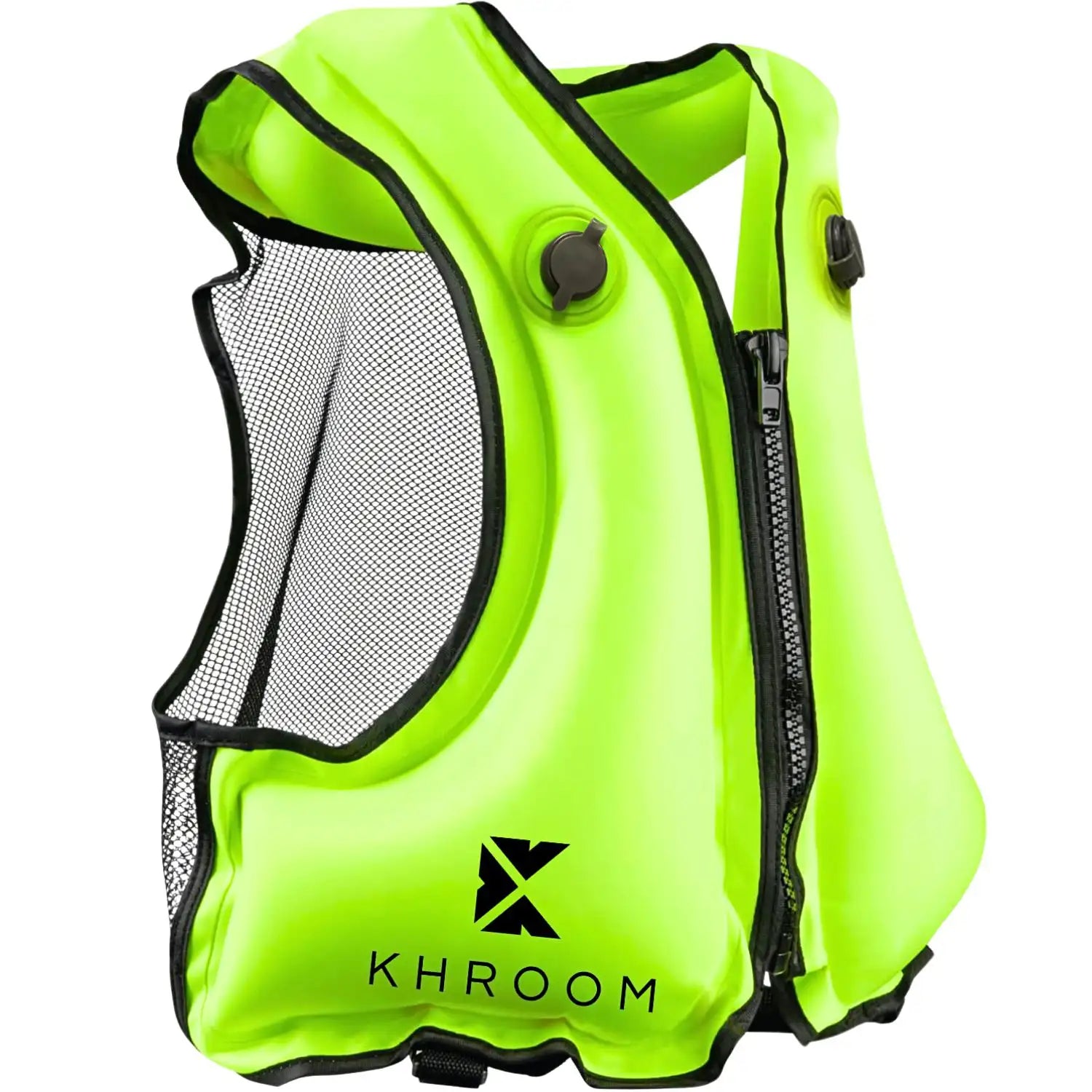
- Snorkel vest — the most important safety gear: Inflatable buoyancy vest that is barely noticeable under normal conditions. Can be inflated with a few breaths when facing a current, exhaustion, or panic. Keeps you at the surface while you swim sideways out of the current. For beginners, children, and weaker swimmers: mandatory.
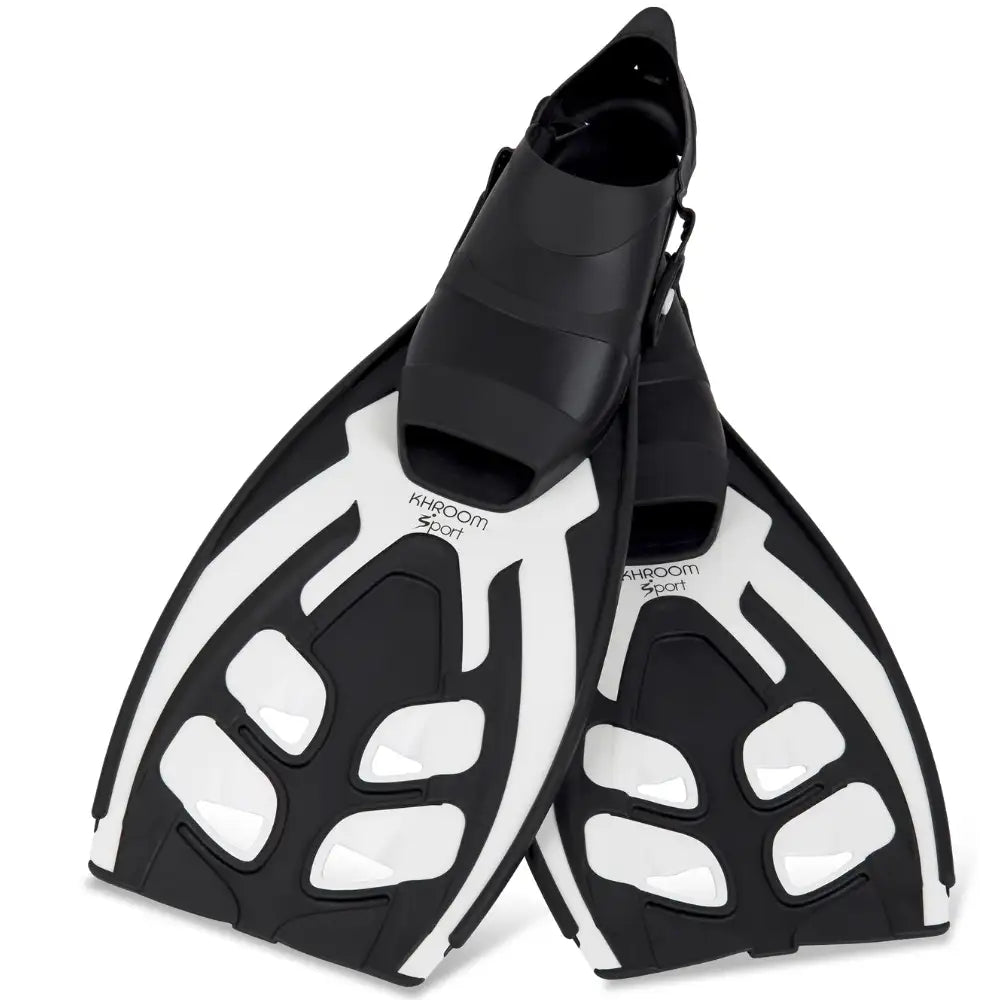
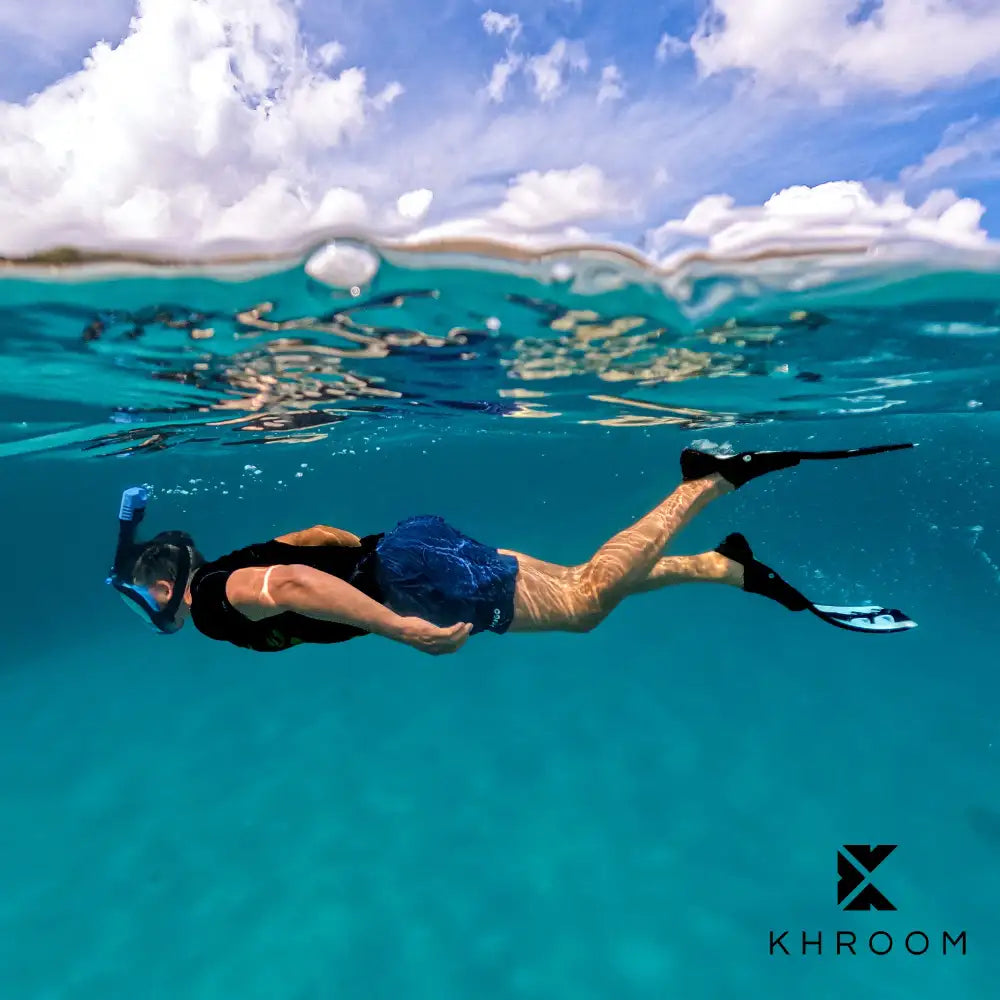
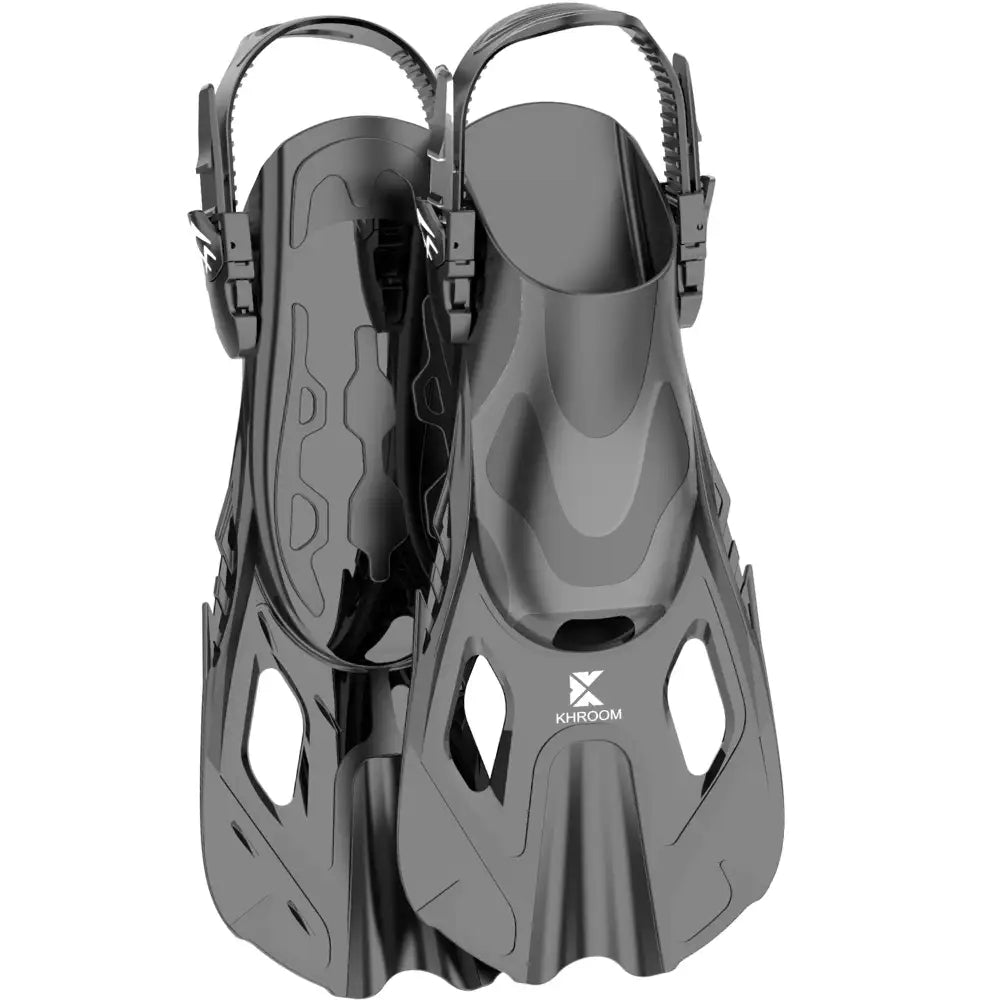
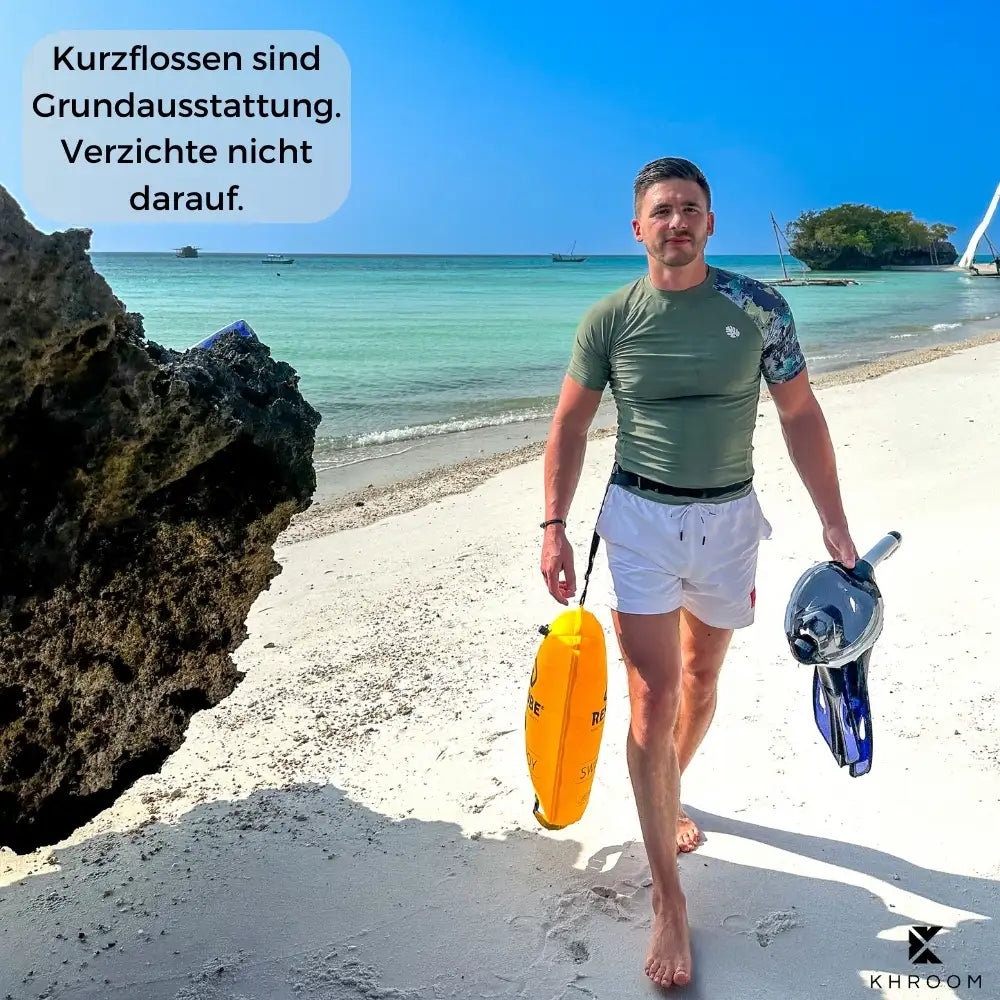
- Snorkel fins — more propulsion with less energy: Fins double your propulsion and halve your energy expenditure. That is exactly the difference that counts when you need to overcome a mild current. Short, adjustable fins are compact and travel-friendly.
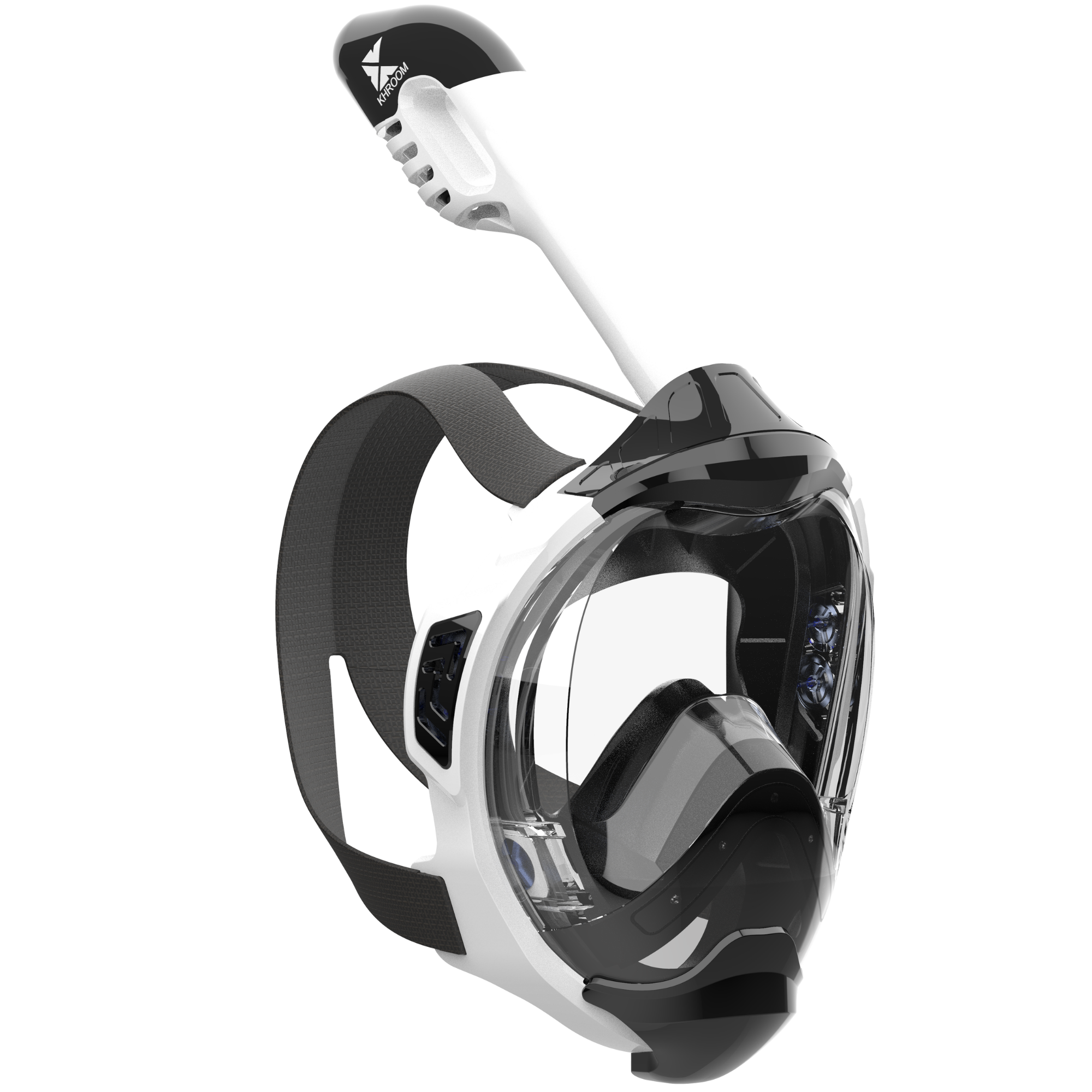
- CO₂-tested snorkel mask: In stressful situations, you breathe faster and deeper. A mask with clean airflow and no CO₂ rebreathing is then critical. The Seaview Pro (SGS test report) and Seaview Pro Plus are CO₂-tested.
- Dry-top snorkel: All Khroom masks have a dry-top system that prevents water from entering during choppy conditions. Especially important in currents with swell — you don't want to be swallowing water while fighting a current.
7. Currents & Children — Extra Caution
Children are especially vulnerable in currents: less body strength, lower endurance, and less experience in recognizing dangers. At the same time, they get distracted more easily and forget to lift their heads.
- Always within arm's reach: One adult per 1–2 children in the water, always within grabbing distance.
- Sheltered bays only: No open coastlines with surf. Lagoons, reef-protected areas, and calm bays are a must.
- Snorkel vest always: For children, a snorkel vest is not optional — it is mandatory, even in calm water.
- Short sessions: 15–30 minutes, then a break. Less time in the water = less drift risk.
- Teach the current rules: Even children aged 8 and up should learn the "swim sideways" rule. Practice on the beach first.
8. Low-Current Snorkeling Spots in Europe
In our destination guides, we explicitly mark low-current spots. Here is a selection of the best:
- Mallorca: Caló des Moro, Cala Santanyí — sheltered bays. Mallorca Guide
- Tenerife: El Puertito (Turtle Bay), La Caleta — calm water. Tenerife Guide
- Gran Canaria: Las Canteras (natural reef), Playa Chica (max. 16 ft / 5 m depth). Gran Canaria Guide
- Crete: Elafonisi (lagoon), Voulisma — shallow and sheltered. Crete Guide
- Croatia: Kvarner Bay (Lošinj, Krk) — low current, family-friendly. Croatia Guide
- Sardinia: Cala Brandinchi, Capo Coda Cavallo — marine reserve, shallow. Sardinia Guide
- Greece: Paleokastritsa (Corfu), Nissaki — sheltered bays. Greece Guide
All destination guides at a glance: Spain | Italy | Greece | Croatia | Turkey | Egypt | Thailand | Maldives
Further Reading

Written by Christian Hanauer