
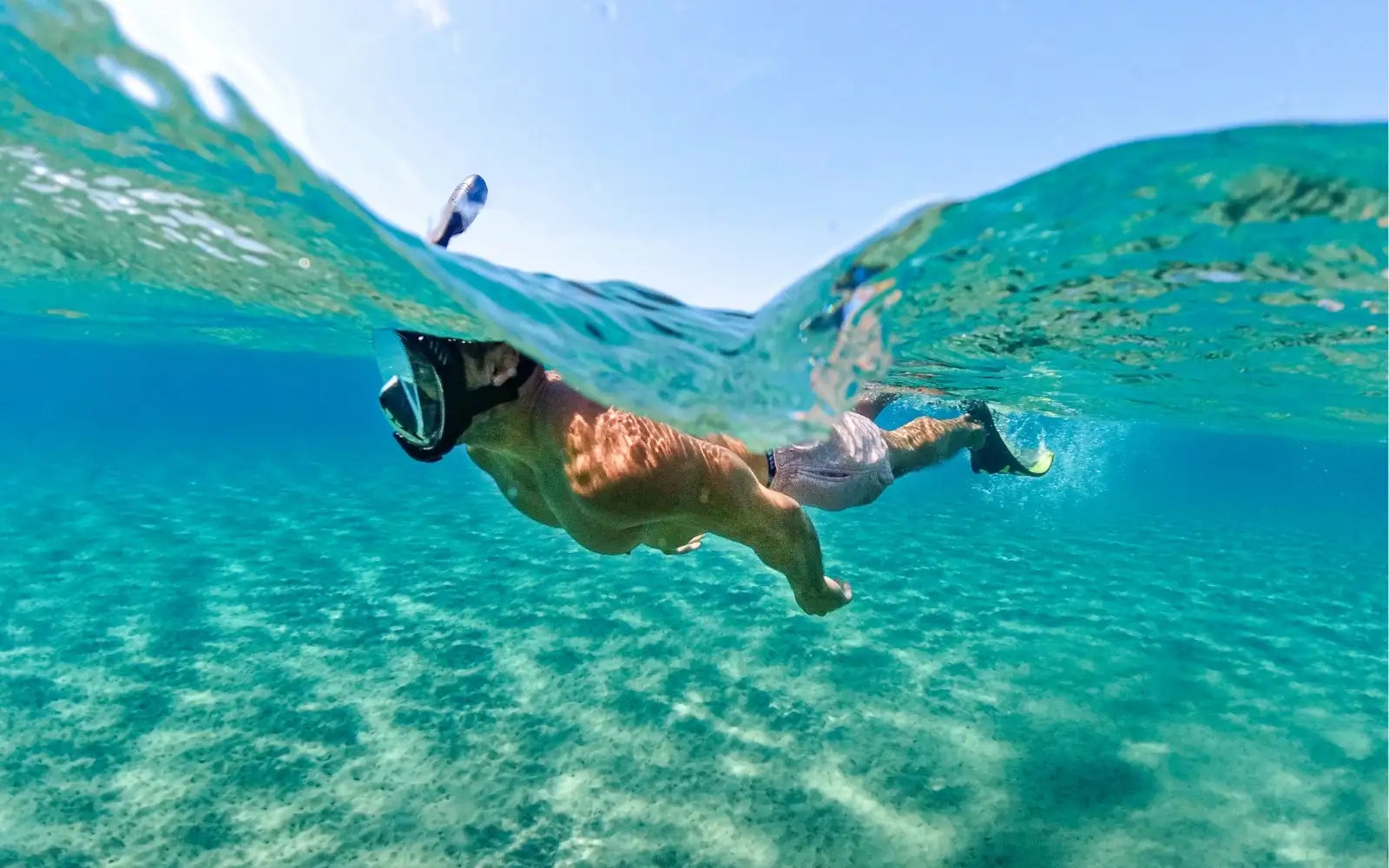
Snorkeling in Greece: Sea Turtles & the Best Islands
Snorkeling in Greece – Key Facts at a Glance:
#1 Sea Turtle Hotspot: Zakynthos (Laganas Bay) – regular Caretta caretta encounters
Most Famous Spot: Navagio Beach (Zakynthos) – snorkeling at the iconic shipwreck beach
Family Favorite: Paleokastritsa (Corfu) – turquoise bays with easy water entry
Best Time to Visit: June to September (22–28 °C / 72–82 °F), ideal: June & September
6,000+ Islands: From the Ionian Islands to the Cyclades and Dodecanese – endless variety
Greece and snorkeling are a perfect match. With more than 6,000 islands and islets, crystal-clear waters of the Aegean and Ionian Seas, sea turtles, shipwrecks, volcanic underwater landscapes, and a coastline longer than France’s, Greece offers a perfect experience for every snorkeler.
From the turtle beaches of Zakynthos to the dramatic caves of Corfu and the volcanic reefs of Santorini, each island group has its own character. In this guide, we highlight the best snorkeling spots across Greece’s most popular islands – including water temperatures, marine life, and the right equipment.
For Crete, we created a separate in-depth guide: Snorkeling in Crete: Sunken Cities & the 10 Best Spots
1. Why Greece Is a Snorkeling Paradise
- Guaranteed turtles on Zakynthos: Laganas Bay is one of the most important nesting sites of the loggerhead sea turtle in the Mediterranean – encounters are common.
- Unique variety: Ionian Islands (lush greenery, dramatic cliffs), Cyclades (volcanic landscapes, deep blue water), Dodecanese (sun-drenched and biodiverse) – every island group offers a completely different snorkeling experience.
- Shipwreck snorkeling: At Navagio Beach on Zakynthos you can snorkel next to one of the most photographed shipwrecks in the world.
- Volcanic underwater worlds: Santorini’s red and white beaches reveal underwater landscapes made of lava and pumice – unique in Europe.
- Excellent visibility: In the Cyclades often 20–30 meters, and 15–25 meters around the Ionian Islands.
- Easy access: 2–3.5 hour flights from Central Europe. Corfu from Munich in just 2 hours.
2. The Best Islands & Their Top Spots
Zakynthos – The Turtle Island
Zakynthos (Zante) is Greece’s number one sea turtle hotspot. Laganas Bay is one of the most important nesting areas for the loggerhead sea turtle in the Mediterranean, protected by the conservation organization ARCHELON. The island also offers spectacular caves, the famous shipwreck beach, and emerald-green bays.
Cameo Island & Laganas Bay
Level: All levels · Visibility: 15–25 m
Laganas Bay is the heart of the sea turtle protection area. Here you can encounter loggerhead turtles (Caretta caretta) throughout the year – they surface every few minutes to breathe. Nearby Marathonisi (Turtle Island) also offers sea caves and can only be reached by boat.
Navagio Beach – The Shipwreck Beach
Level: Advanced · Visibility: 20–30 m · Access: Boat only
One of the most photographed beaches in the world – and just as impressive underwater. Around the stranded smuggler ship, schools of fish gather in the crystal-clear water surrounded by towering cliffs. Visibility often exceeds 25 meters.
Blue Caves (Cape Skinari) & Porto Limnionas
Level: Advanced · Visibility: 15–25 m
The Blue Caves at the northern tip of Zakynthos offer a magical experience: sunlight reflects through cave openings and turns the water into glowing blue shades. Porto Limnionas on the west coast surprises with emerald water – cooled by an underwater spring – and spectacular underwater caves.
Corfu – The Green Island
Corfu is the greenest of the Greek islands – and just as impressive underwater as above. Dramatic cliffs drop into turquoise Ionian waters, sheltered bays provide ideal conditions for families, and visibility can reach 20 meters on calm days.
Paleokastritsa
Level: All levels · Visibility: 15–20 m
Corfu’s most famous bay and a snorkeling paradise: turquoise water, dramatic cliffs, and rich marine life including fish, starfish, and sea urchins. Multiple bays offer different difficulty levels – from family-friendly beaches to rocky exploration routes. Boat tours also access hidden caves.
Nissaki Beach
Level: Beginner · Visibility: up to 20 m
An ideal beginner spot in Corfu: visibility up to 20 meters in calm conditions, rocky seabeds with diverse fish species, and a quiet sheltered atmosphere. Easily accessible directly from the beach.
Rhodes – The Sunshine Island
Rhodes is the sunniest Greek island with more than 300 sunny days per year. The east coast features sheltered bays with emerald waters, underwater caves, and dive centers directly on the beach. The legendary Anthony Quinn Bay is considered one of the most beautiful snorkeling spots in the Mediterranean.
Anthony Quinn Bay
Level: All levels · Visibility: 15–25 m
Named after the actor who fell in love with this bay: emerald water surrounded by dramatic rock formations and rich marine life accessible directly from the gently sloping beach. Suitable for families and experienced snorkelers alike.
Traganou Beach & Kallithea
Level: Advanced · Visibility: 15–20 m
Traganou offers spectacular sea caves that can be explored from the water. Kallithea features a dive center directly on the beach – perfect for guided snorkeling tours and beginner courses. St. Paul’s Bay near Lindos adds another highlight: calm waters protected from currents with an Acropolis backdrop above the water.
Cyclades – Naxos, Santorini & Mykonos
The Cyclades offer the clearest waters in Greece with visibility up to 30 meters in the deep-blue Aegean Sea. Naxos surprises with turtle encounters, Santorini with volcanic underwater landscapes, and Mykonos proves it offers world-class snorkeling in addition to its famous nightlife.
Plaka Beach – Naxos
Level: All levels · Visibility: 20–30 m
Naxos is the hidden gem of the Cyclades: crystal-clear water, colorful fish, octopus – and possible encounters with sea turtles. Plaka Beach offers long, shallow areas that are also ideal for families. Naxos Wildlife Protection monitors the island’s turtle population.
Red Beach & White Beach – Santorini
Level: Advanced · Visibility: 20–30 m
Snorkeling on a volcano – something you can only experience on Santorini. At Red Beach (Kokkini Paralia) near Akrotiri, red volcanic cliffs descend into crystal-clear water, creating an underwater landscape unique in Europe. White Beach (accessible only by boat) features white pumice cliffs and hidden reefs. Ammoudi Bay below Oia surprises with underwater caves between volcanic formations.
Lia Beach & Agios Sostis – Mykonos
Level: All levels · Visibility: 15–25 m
Away from the party beaches, Mykonos offers surprisingly good snorkeling spots. Lia Beach on the remote southeast coast features lively rocky seabeds with few tourists. Agios Sostis in the north is an unorganized beach with deep-blue, untouched water. Paraga Beach is the quieter family alternative to the neighboring Paradise Beach.
3. Best Travel Season & Water Temperatures
Greece’s snorkeling season runs from May to October, with peak conditions in midsummer. Water temperatures vary slightly depending on the island group – the Cyclades are typically a bit cooler than the Ionian Islands and the Dodecanese.
| Period | Water Temp. | Conditions | Wetsuit? |
|---|---|---|---|
| Jul & Aug | 24–28 °C | Optimal – warmest water, longest days | Not necessary |
| Jun & Sep | 22–25 °C | Ideal – warm, fewer tourists, better prices | Not necessary |
| May & Oct | 18–22 °C | Good – pleasant, often very clear water | Optional (2–3 mm) |
| Nov – Apr | 15–19 °C | Limited – cooler water, rougher seas, many operators closed | Required (3–5 mm) |
4. Marine Life: From Sea Turtles to Octopus
Sea Turtles – The Stars
The loggerhead sea turtle (Caretta caretta) is the flagship species of Greek waters. Zakynthos (Laganas Bay) is its most important nesting site in the Mediterranean, monitored by the conservation organization ARCHELON. Nesting season runs from May to September, when turtles are most frequently seen close to the coast. Increasing sightings are also reported around Naxos.
Fish & Marine Animals
- Parrotfish: Large and colorful – the bright highlights of every Greek reef.
- Sea bream & groupers: Found both in schools and solitary along rocky reefs.
- Octopus: Often hidden between rocks – look carefully.
- Shrimp swarms: Especially in caves and grottos (Rhodes, Zakynthos).
- Gorgonians & sponges: Fan corals and colorful sponges in rock crevices.
- Sea anemones & starfish: Common along rocky coastlines.
- Sea urchins: Everywhere on rocky ground – neoprene socks are essential.
5. The Right Snorkeling Equipment
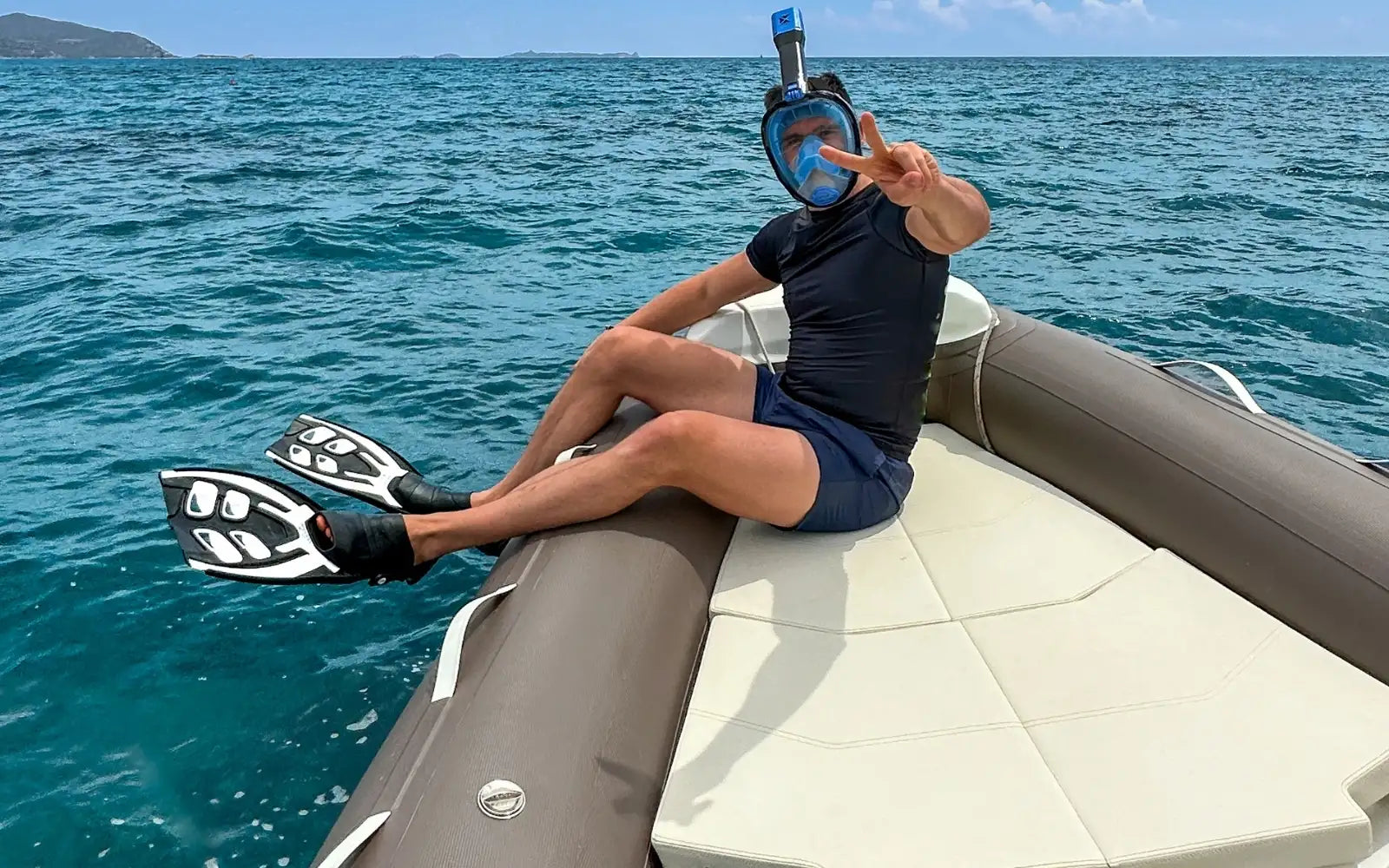
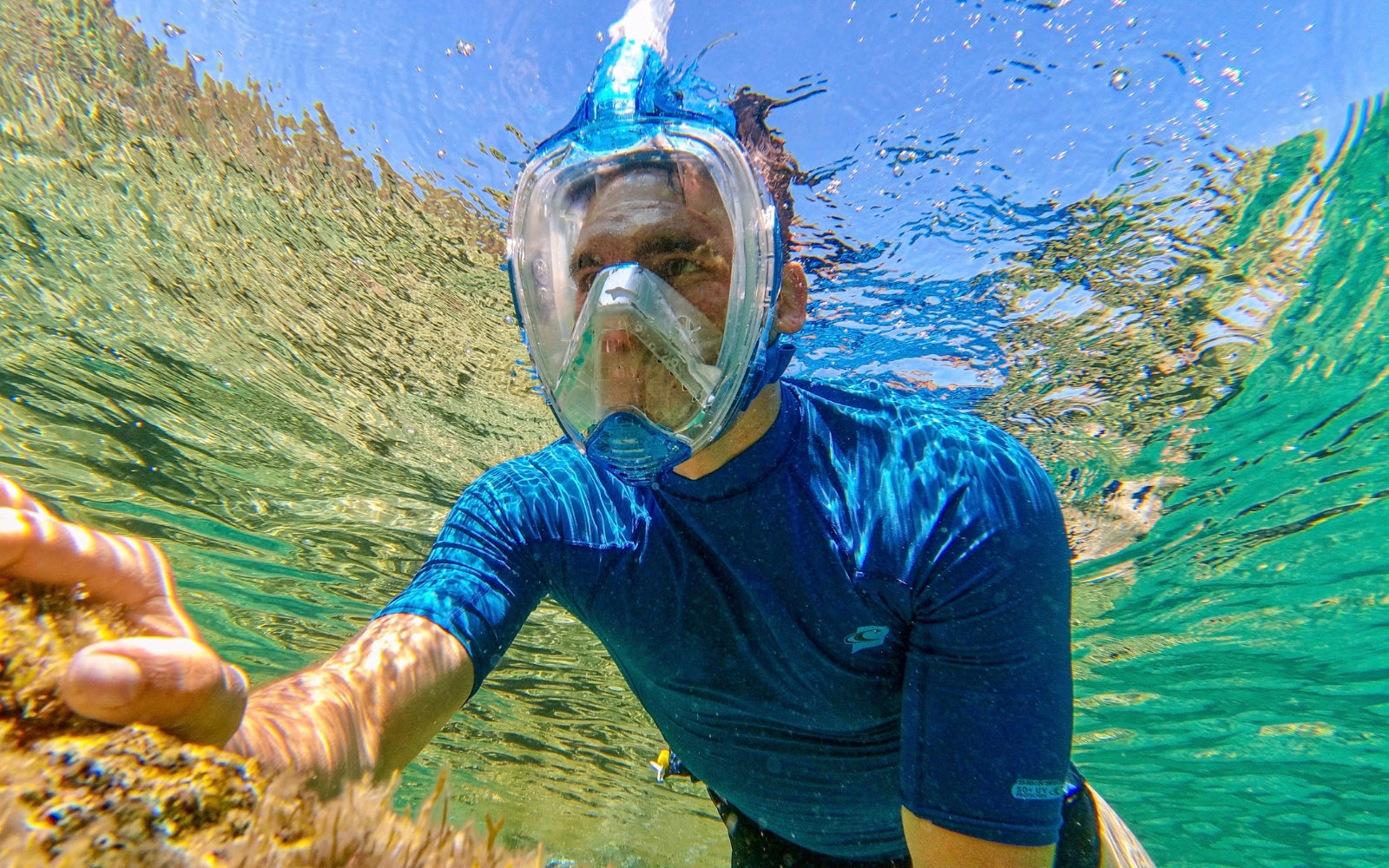
Bringing your own equipment is particularly worthwhile in Greece, as many of the best snorkeling spots are remote and have no rental facilities. In Greece’s clear water, a panoramic mask makes a noticeable difference.
Recommended Masks
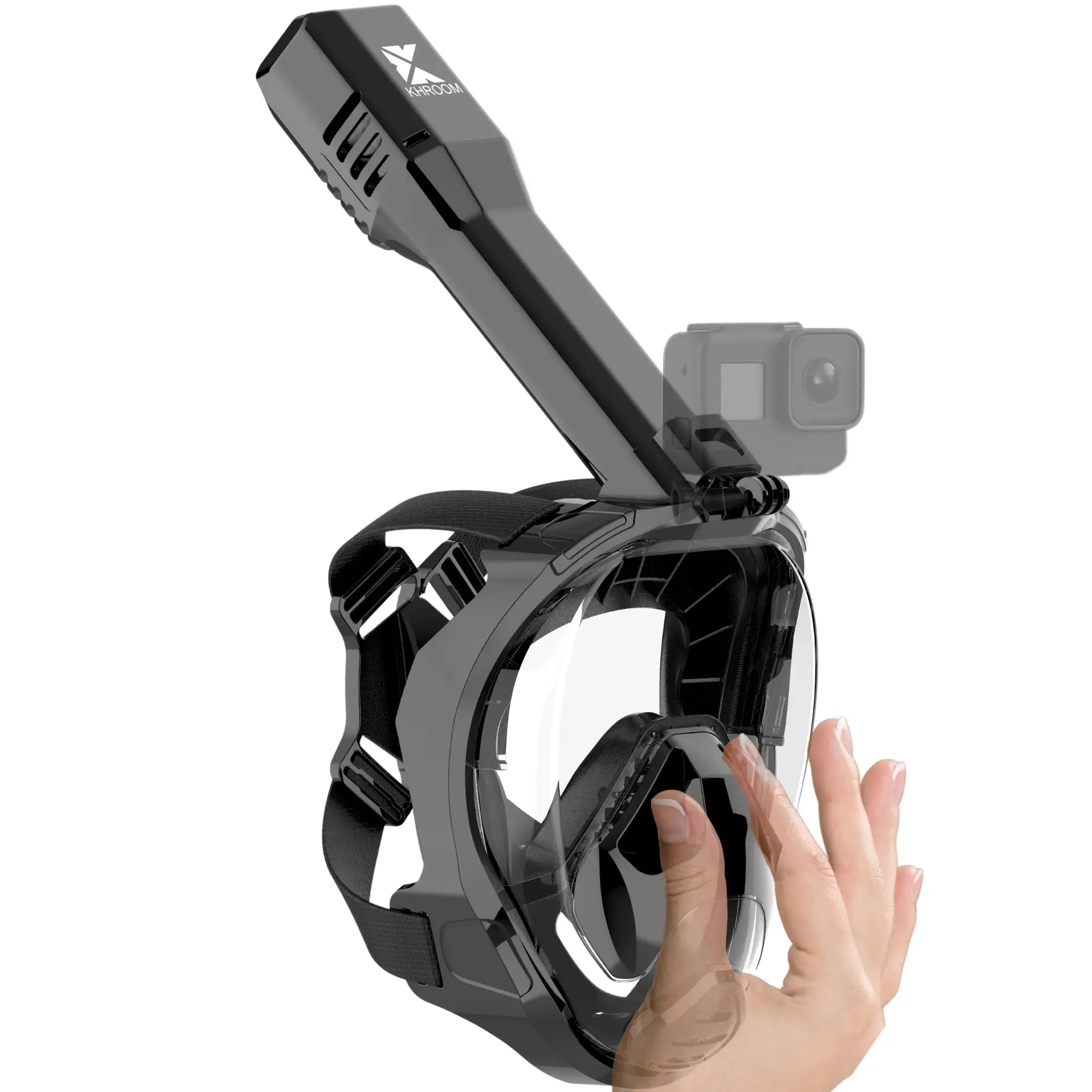
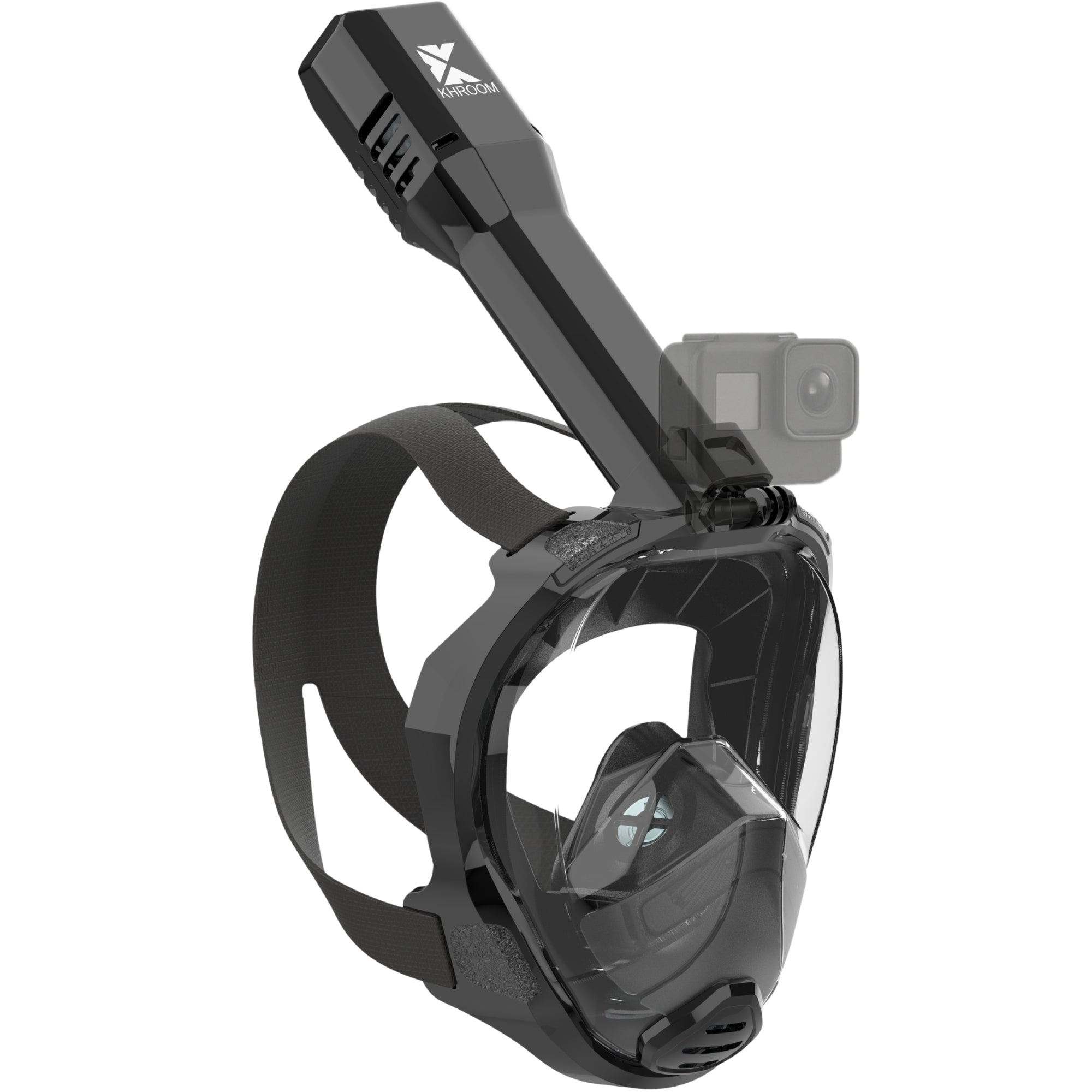
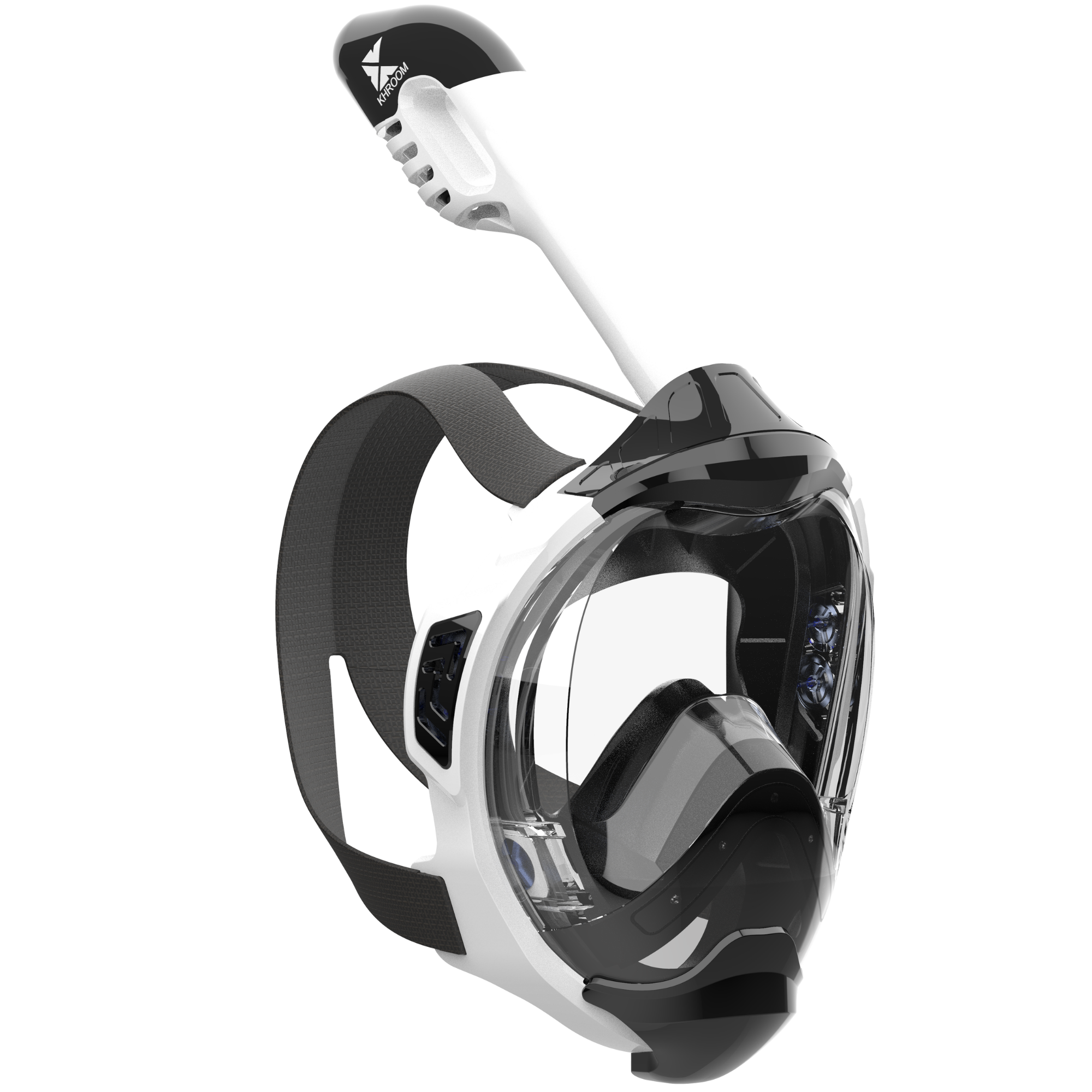
- Khroom Seaview Pro – SGS-certified with a 180° panoramic view. Bestseller and best value option – the wide field of vision shines in Greece’s crystal-clear waters.
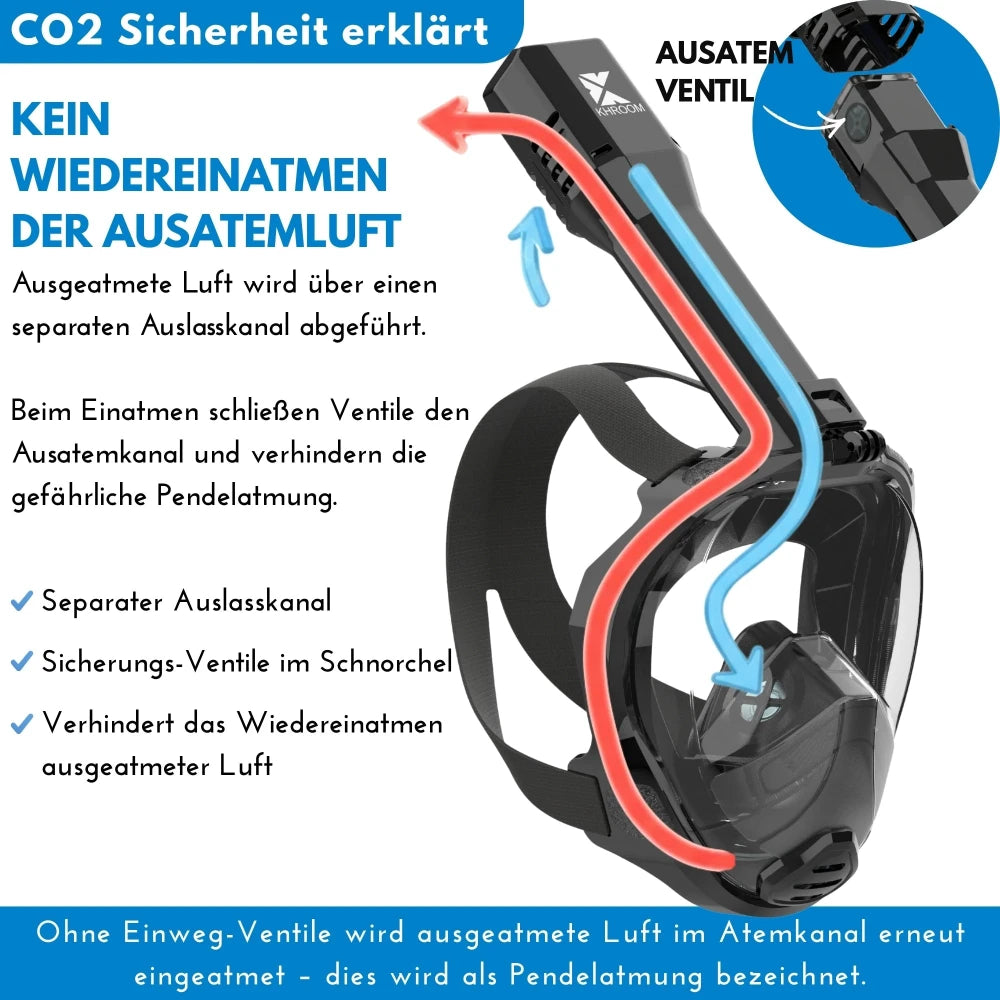
- Khroom Seaview Pro Plus – CO₂-tested with pressure equalization. Ideal for underwater caves on Zakynthos and Rhodes.
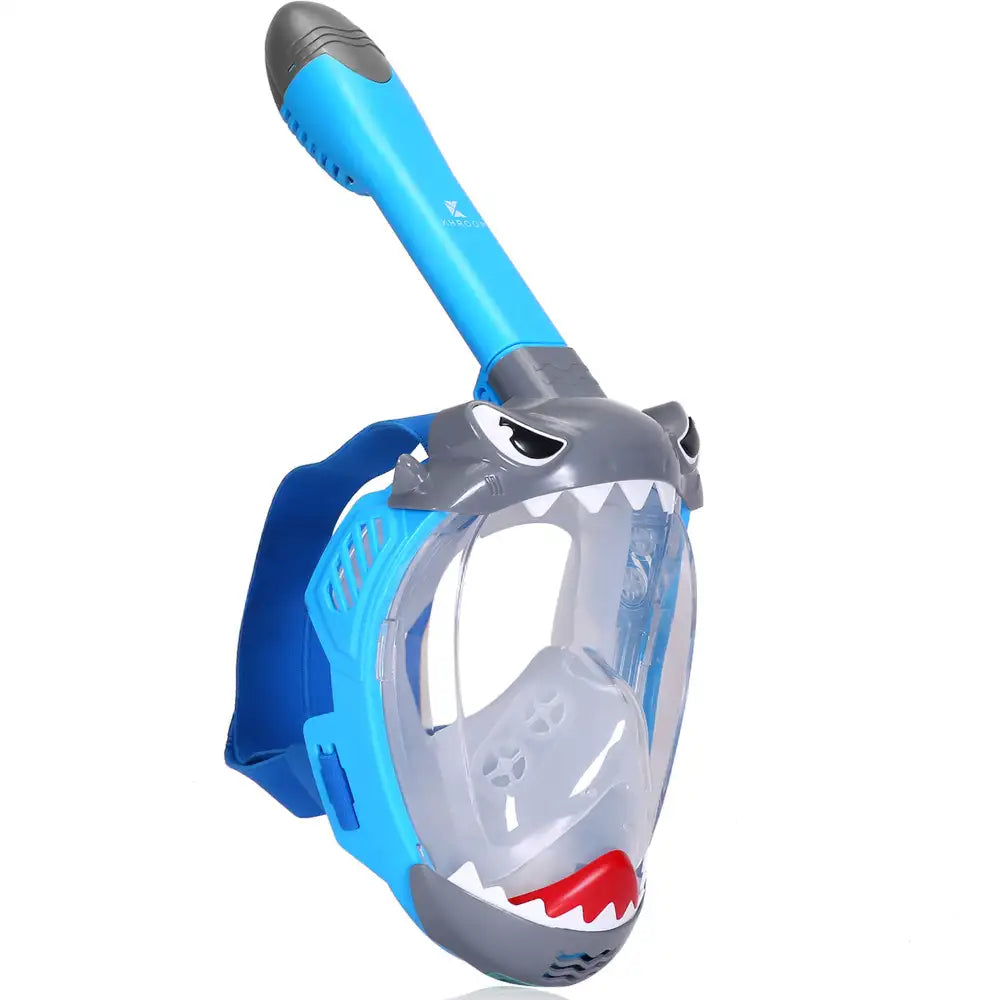
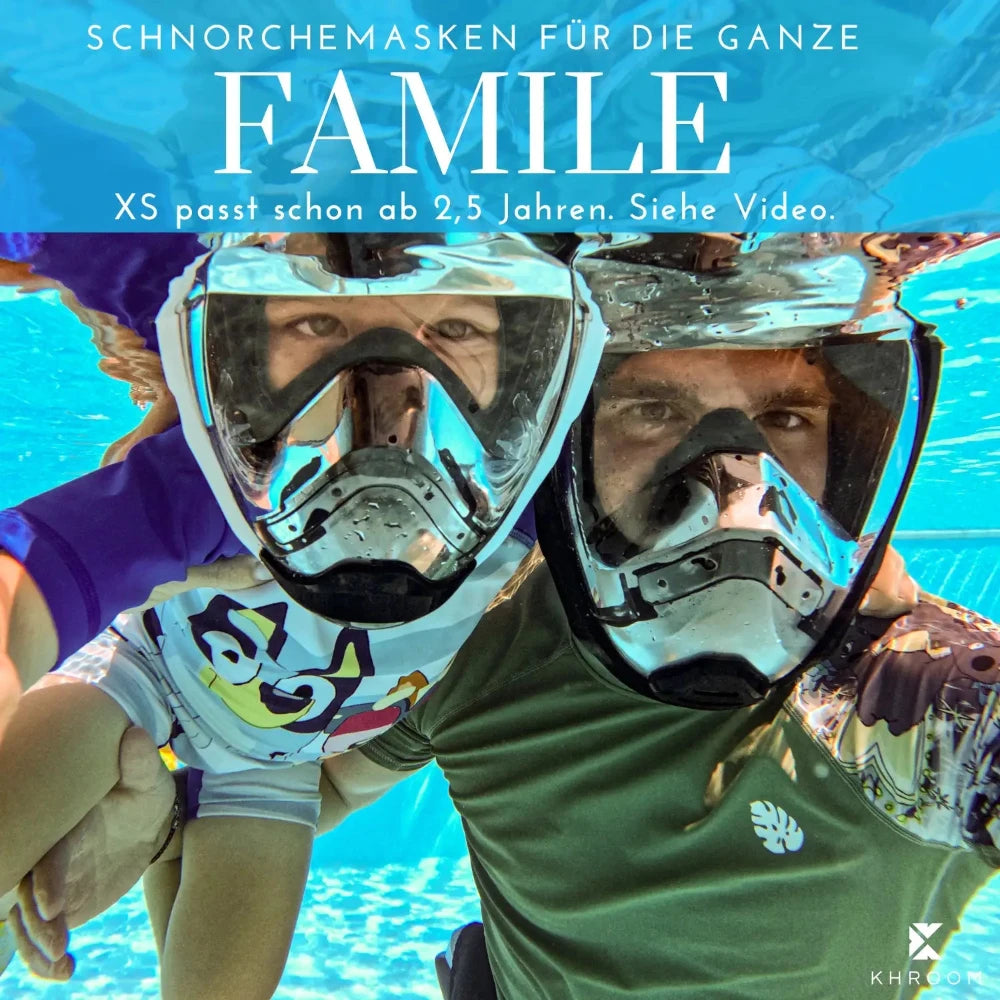
- Khroom Seaview Kids – the only TÜV-certified children’s snorkel mask. The turtles of Zakynthos will amaze your kids.
Why CO₂ safety matters: Guide: CO₂-safe snorkel masks | Snorkel Mask Test 2026
Additional Equipment
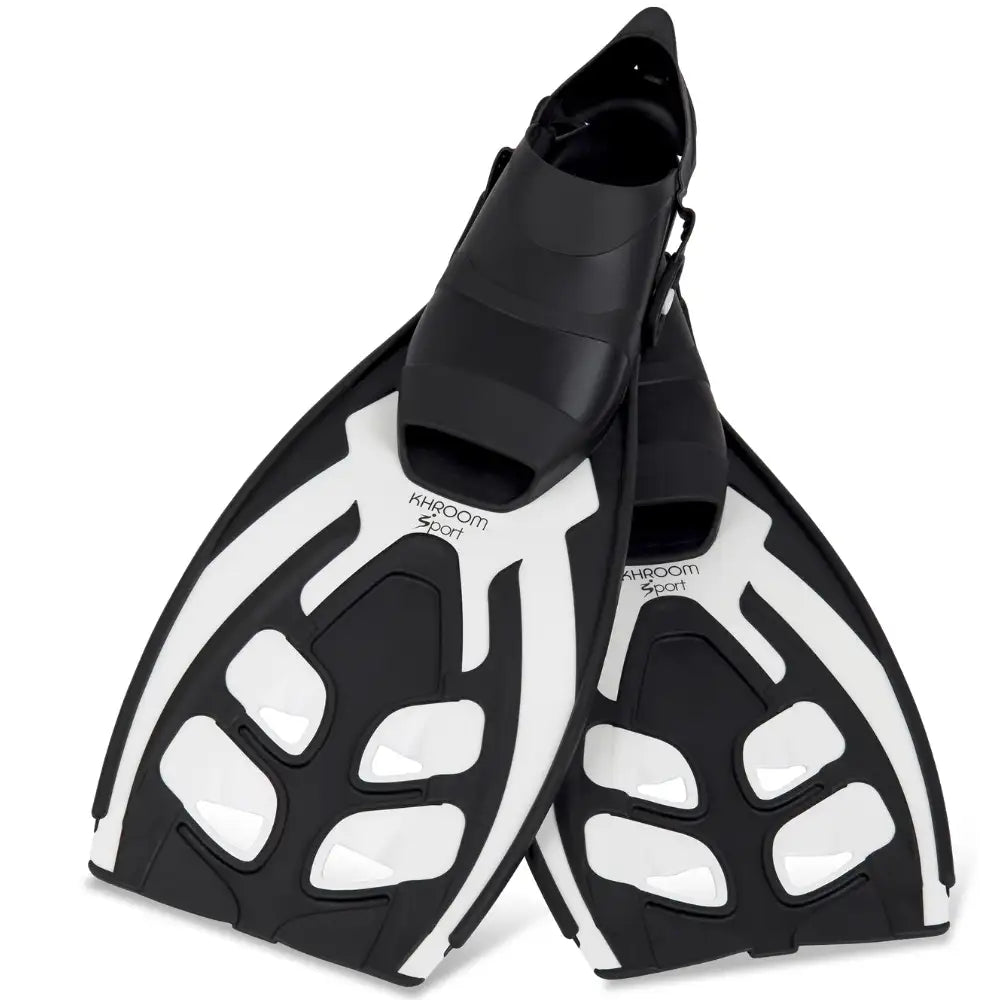
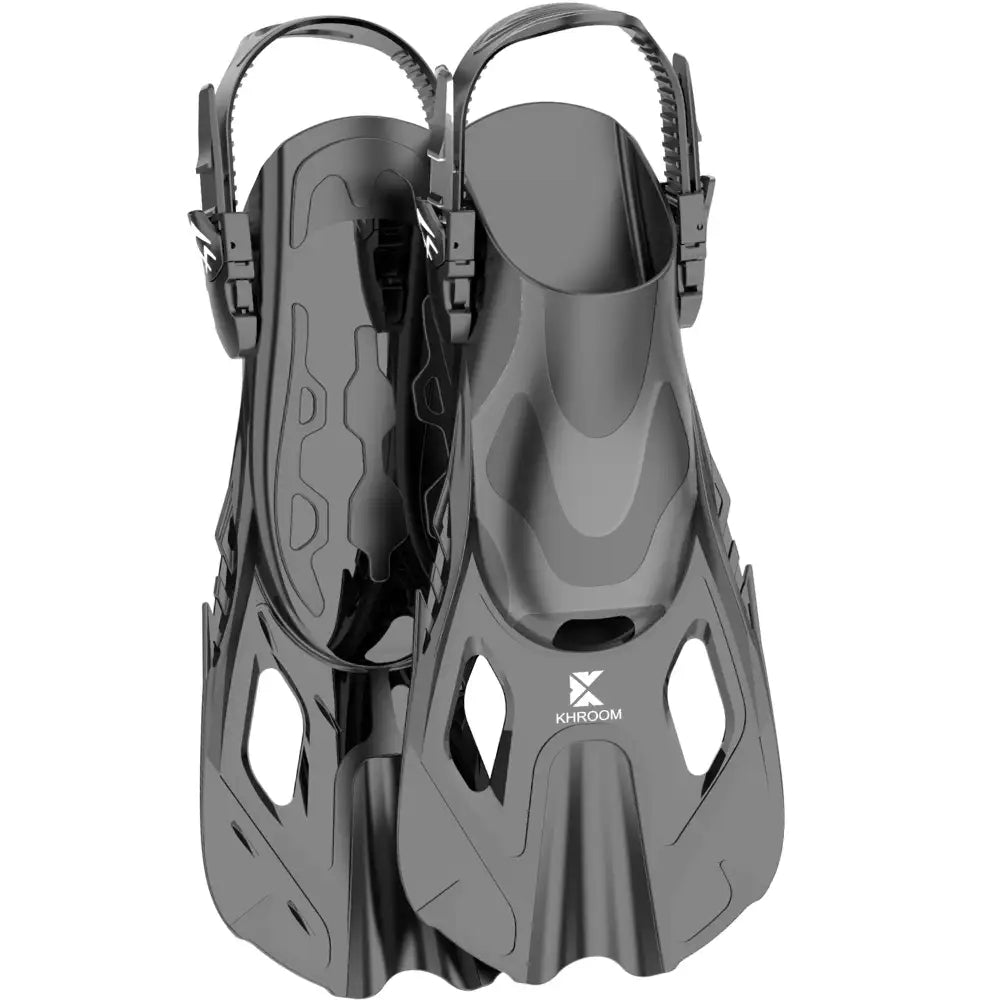
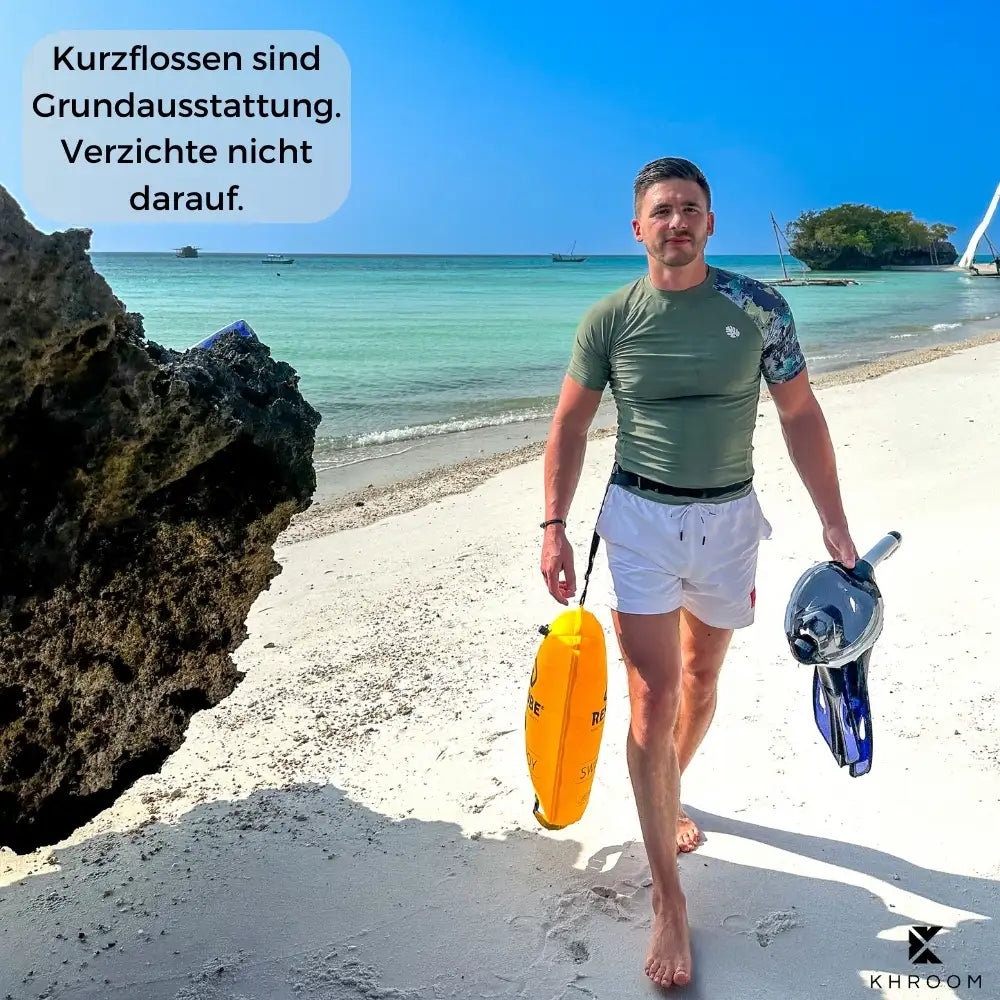
- Adjustable snorkeling fins (short) – compact for travel
- Neoprene socks (3 mm) – essential in Greece: sea urchins and weever fish make them indispensable
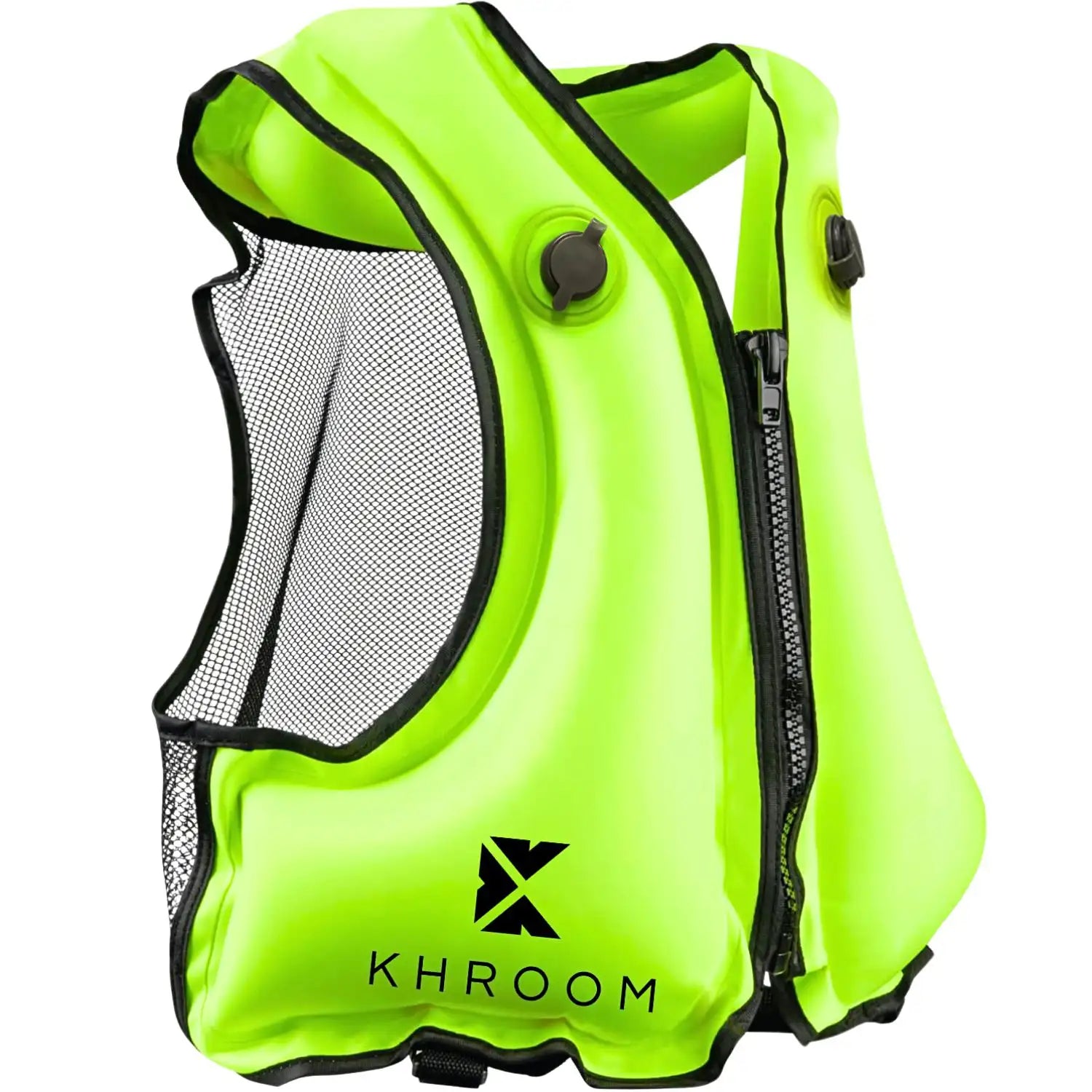
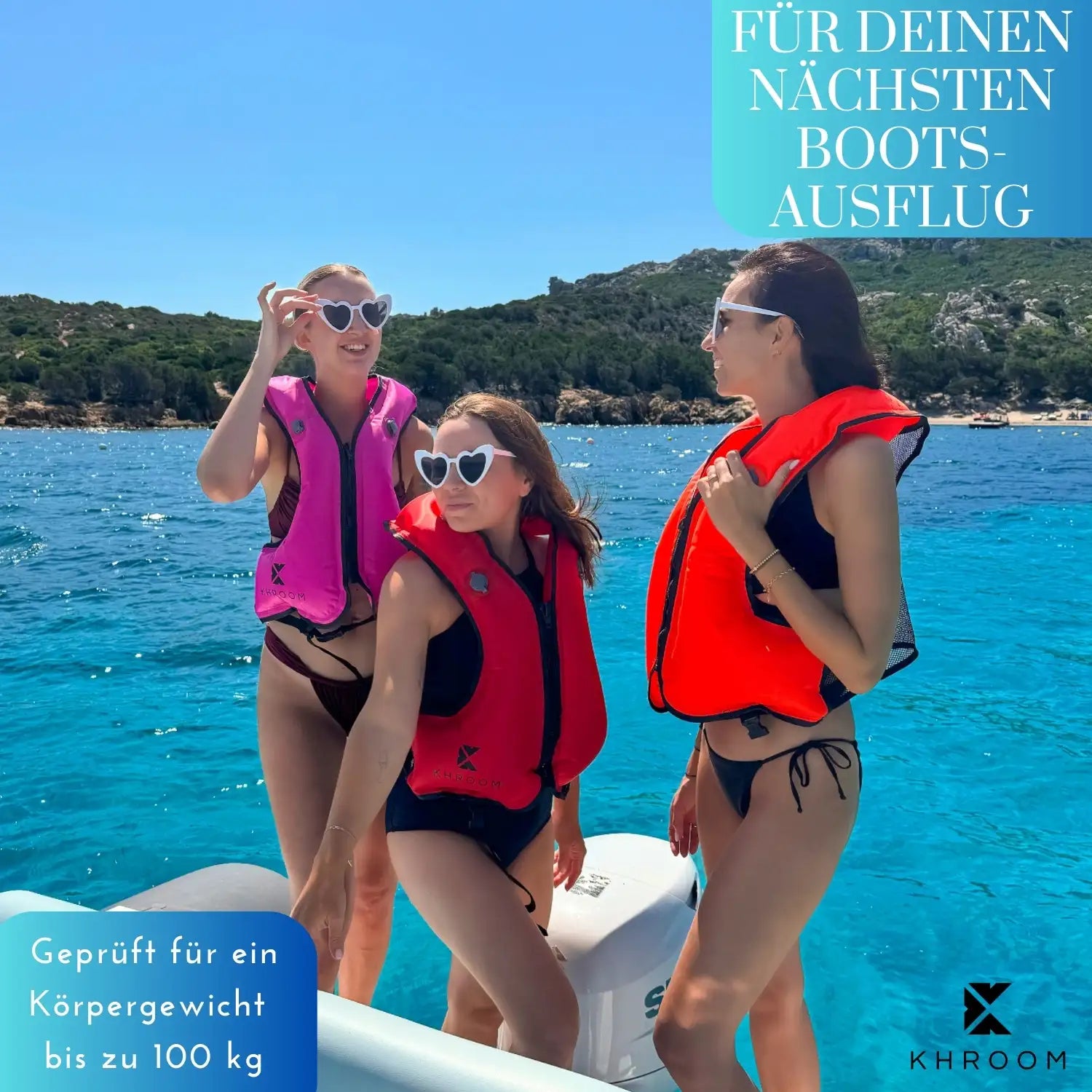
- Snorkel Vest – for beginners and children
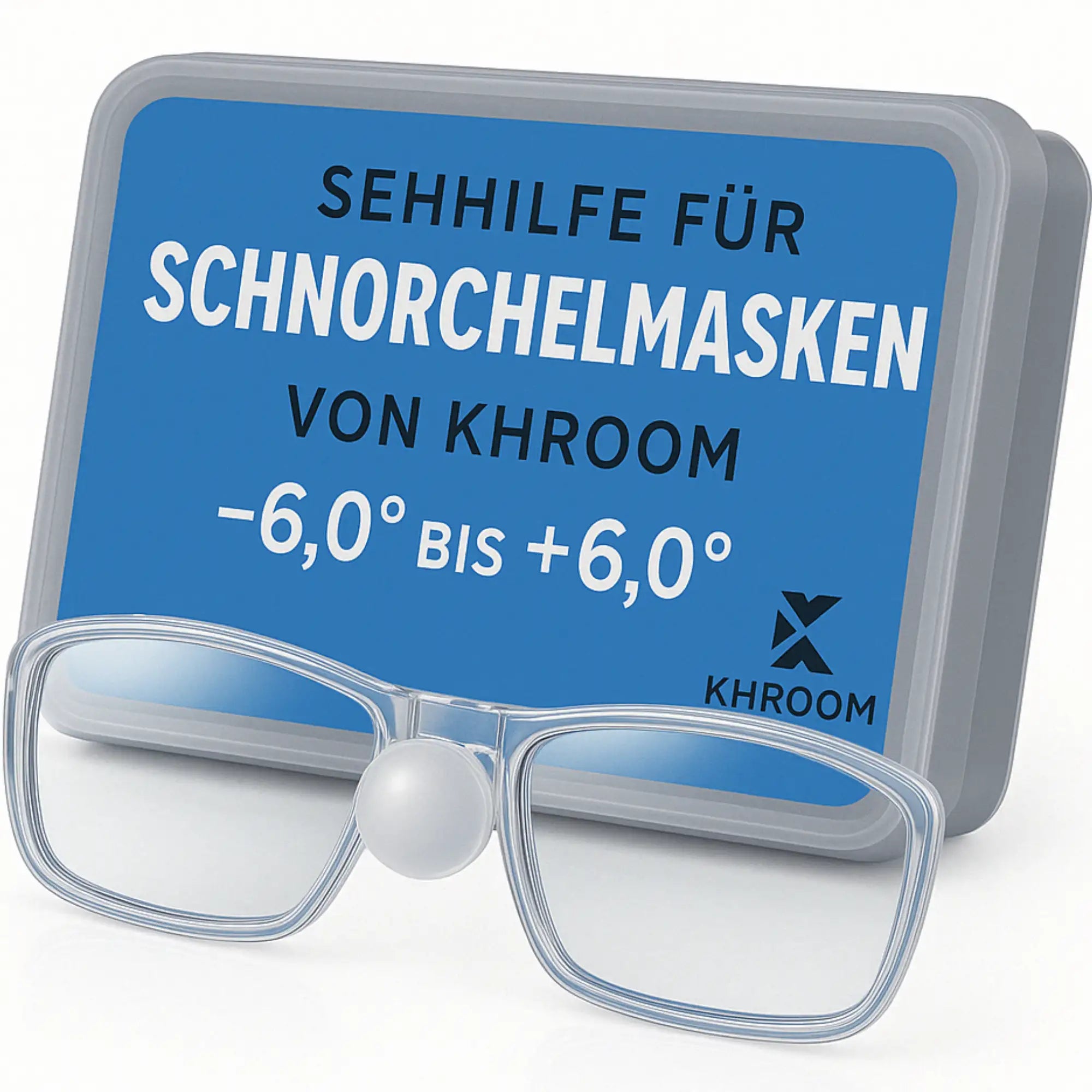
- Optical inserts – for glasses wearers. Guide for glasses wearers
6. Snorkeling with Kids in Greece
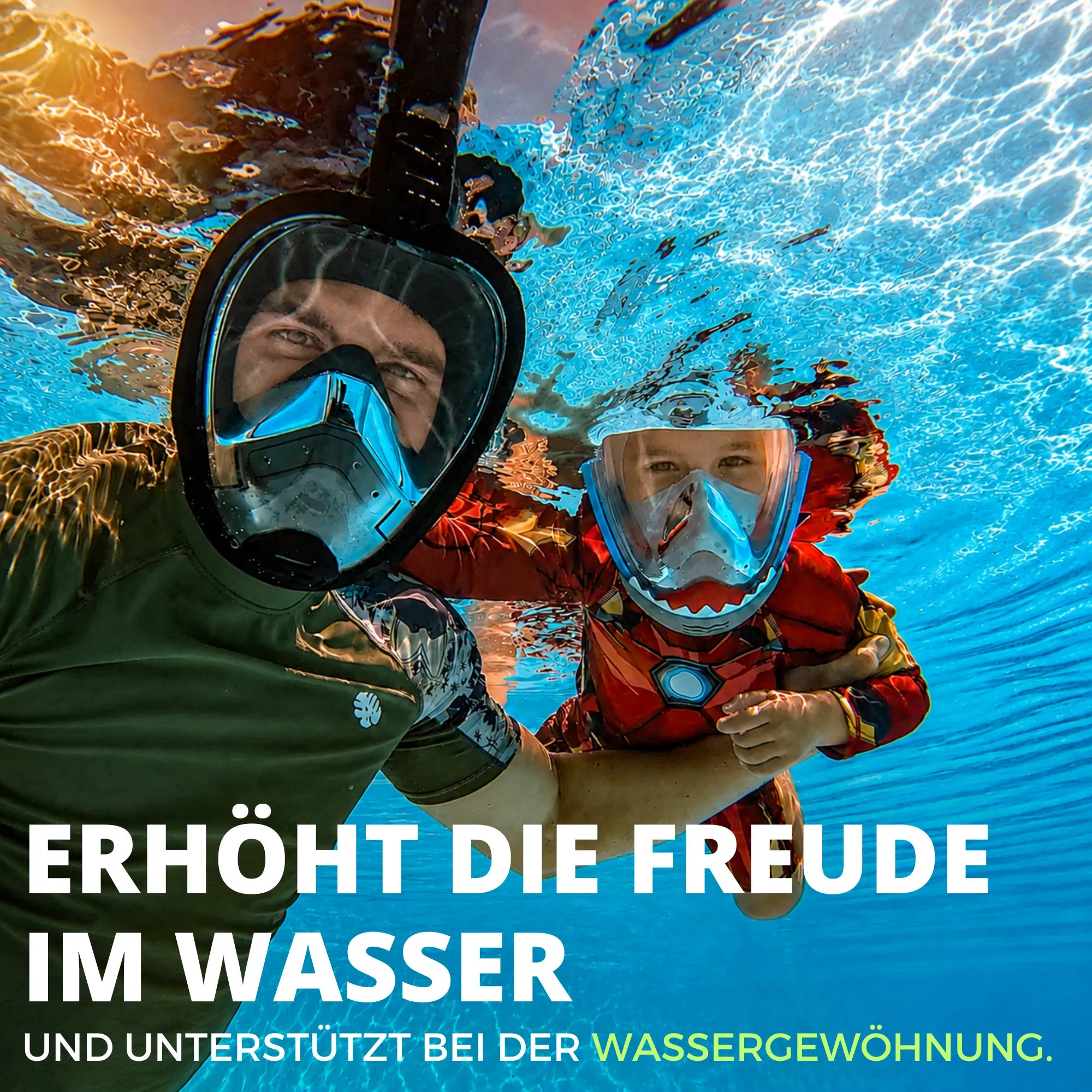
Thanks to shallow sheltered bays and warm water temperatures, Greece is one of the best family snorkeling destinations in Europe. The combination of turtle encounters and child-friendly spots makes it especially magical.
Best Family Spots
- Gerakas Beach (Zakynthos): Protected area with shallow water – turtles included.
- Paleokastritsa (Corfu): Multiple bays with varying difficulty levels – something for every age.
- Anthony Quinn Bay (Rhodes): Gentle entry, colorful fish right from the beach – from age 6.
- Nissaki Beach (Corfu): Perfect beginner spot with up to 20 m visibility – from age 8.
- Plaka Beach (Naxos): Long shallow areas, warm water, possible turtle sightings – from age 5.
- Agios Prokopios (Naxos): Golden sandy beach with warm shallow water – ideal for toddlers.
More details: Snorkeling safely with children | When can children start snorkeling?
7. Safety Rules & Hazards
- Weever fish: Buries itself in sand with venomous dorsal spines. Neoprene socks provide protection. If stung: place foot in hot water (40–45 °C / 104–113 °F).
- Luminous jellyfish (Pelagia noctiluca): Possible from May–October, painful stings. Keep distance. If stung: DO NOT rinse with fresh water – heat helps.
- Fireworms: Colorful bristle worms on rocks – skin irritation if touched. Do not touch.
- Sea urchins: Common on rocky seabeds. Neoprene socks are essential.
- Scorpionfish: Well camouflaged between rocks – avoid touching the seabed.
General Safety Rules
- Never snorkel alone – always with a buddy.
- Keep distance from turtles – do not touch or chase them. Follow ARCHELON rules.
- Watch the Meltemi wind: In July/August strong northern winds can create rough seas in the Cyclades. Switch to south-facing beaches.
- UV protection: The Greek sun is intense. Wear a UV shirt or reef-safe sunscreen.
- Use CO₂-tested masks only – Are snorkel masks dangerous?
- Explore underwater caves only with a buddy – never alone in caves around Zakynthos or Rhodes.
8. Conclusion & Packing List
Greece is Europe’s most diverse snorkeling destination. No other country offers sea turtle encounters, shipwreck snorkeling, volcanic underwater landscapes, and turquoise caves in such a compact area – spread across island groups with completely different characters.
Our recommendations by interest:
- For sea turtles: Zakynthos (Laganas Bay), Naxos (Plaka Beach)
- For families: Corfu (Paleokastritsa, Nissaki), Rhodes (Anthony Quinn Bay), Naxos
- For caves & adventure: Zakynthos (Blue Caves, Porto Limnionas), Rhodes (Traganou)
- For volcanic landscapes: Santorini (Red Beach, White Beach, Ammoudi Bay)
- For sunken cities: Crete (Elounda & Itanos)
- For iconic scenery: Navagio Beach (Zakynthos) – snorkeling at the shipwreck
Snorkeling Packing List for Greece:
Seaview Pro or Seaview Pro Plus – CO₂-tested snorkel mask
Seaview Kids – TÜV-certified for ages 3–10
Short adjustable fins – compact and travel-friendly
Neoprene socks (3 mm) – essential for sea urchins & weever fish
Snorkel Vest – for beginners and children
Optical inserts – for glasses wearers
UV shirt – the Greek sun is intense
Waterproof camera – turtles, wrecks & volcanic reefs
Further Reading
- Snorkeling in Crete: Sunken Cities & the 10 Best Spots
- Snorkel Mask Test 2026: The Best Masks Compared
- Snorkeling Safely with Children
- Guide: CO₂-Safe Snorkel Masks
- Best Snorkel Mask for Beginners
- Risks of CO₂ Build-Up in Snorkel Masks
- How to Breathe Properly While Snorkeling
- How to Learn Snorkeling

Written by Christian Hanauer


%20%E2%80%93%20regular%20Caretta%20caretta%20encounters%0A%20%20%20%20%0A%20%20%20%20%0A%20%20%20%20%20%20%20%20Most%20Famous%20Spot...)