
Dangers of the snorkeling mask due to CO2 build-up
CO₂ Dangers in Snorkel Masks — Key Takeaways:
The problem: Cheap full face masks without separated breathing channels allow CO₂ to accumulate in the viewing area — this can lead to dizziness, headaches, and loss of consciousness.
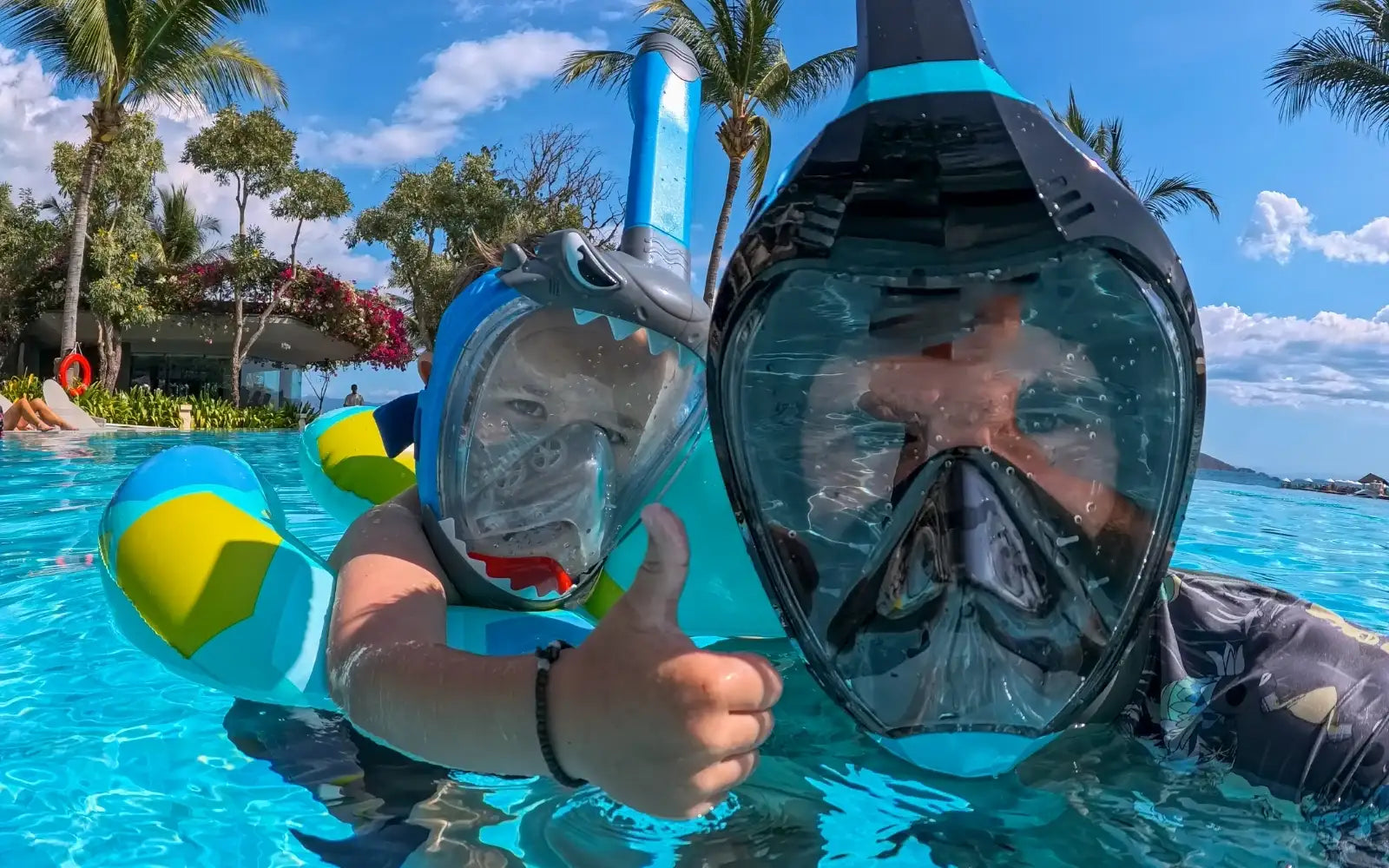
The warning sign: A fogged-up viewing window is a clear indicator of poor air circulation.
The solution: Only buy masks with verifiably separated inhale/exhale channels and independent CO₂ testing (SGS, TÜV, DEKRA).
1. The Trigger: Deaths in Hawaii 2018
In 2018, American news outlets reported a dramatic spike in fatal snorkeling accidents in Hawaii. Within a single month, ten people died — compared to a typical average of about 17 per year. What happened?
2. Beware of Cheap Brands
According to reports, the cause was not snorkel masks in general, but cheap copies from Asia. These masks were often sold without verified safety standards. The manufacturers remained anonymous, making quality control impossible.
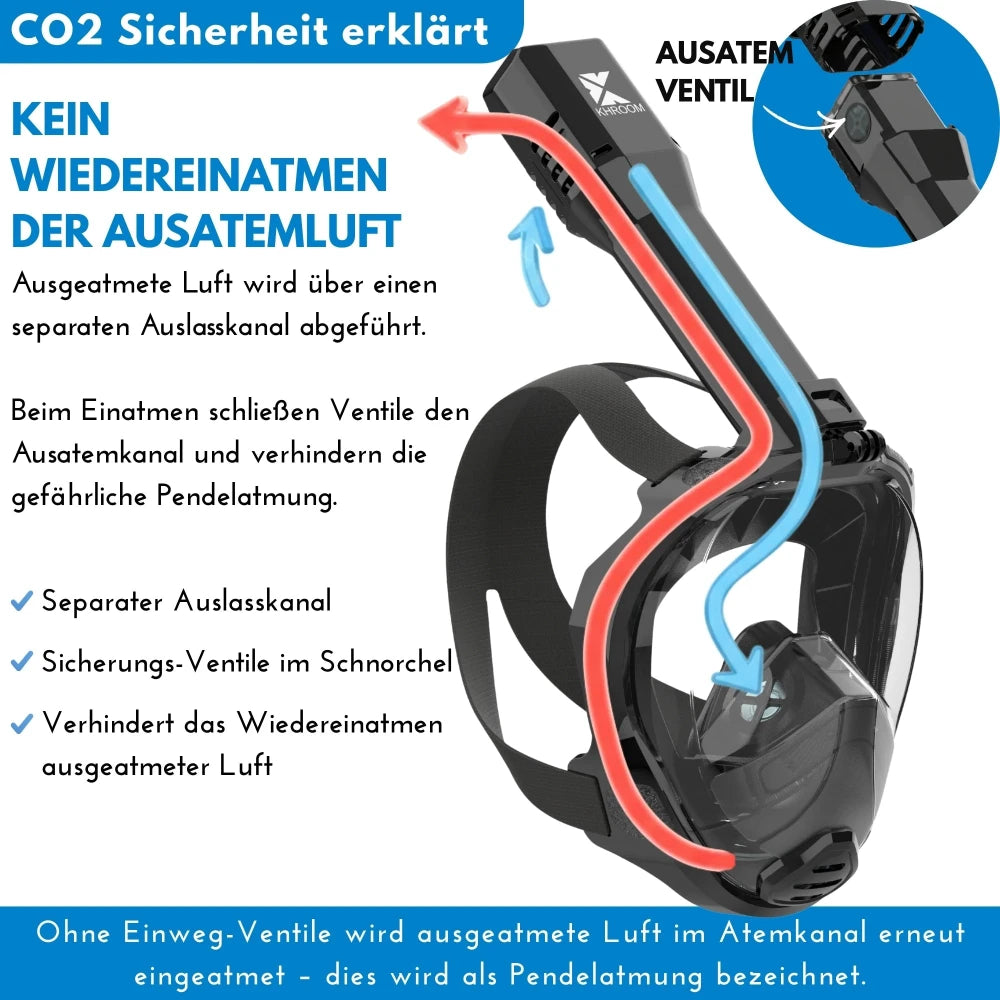
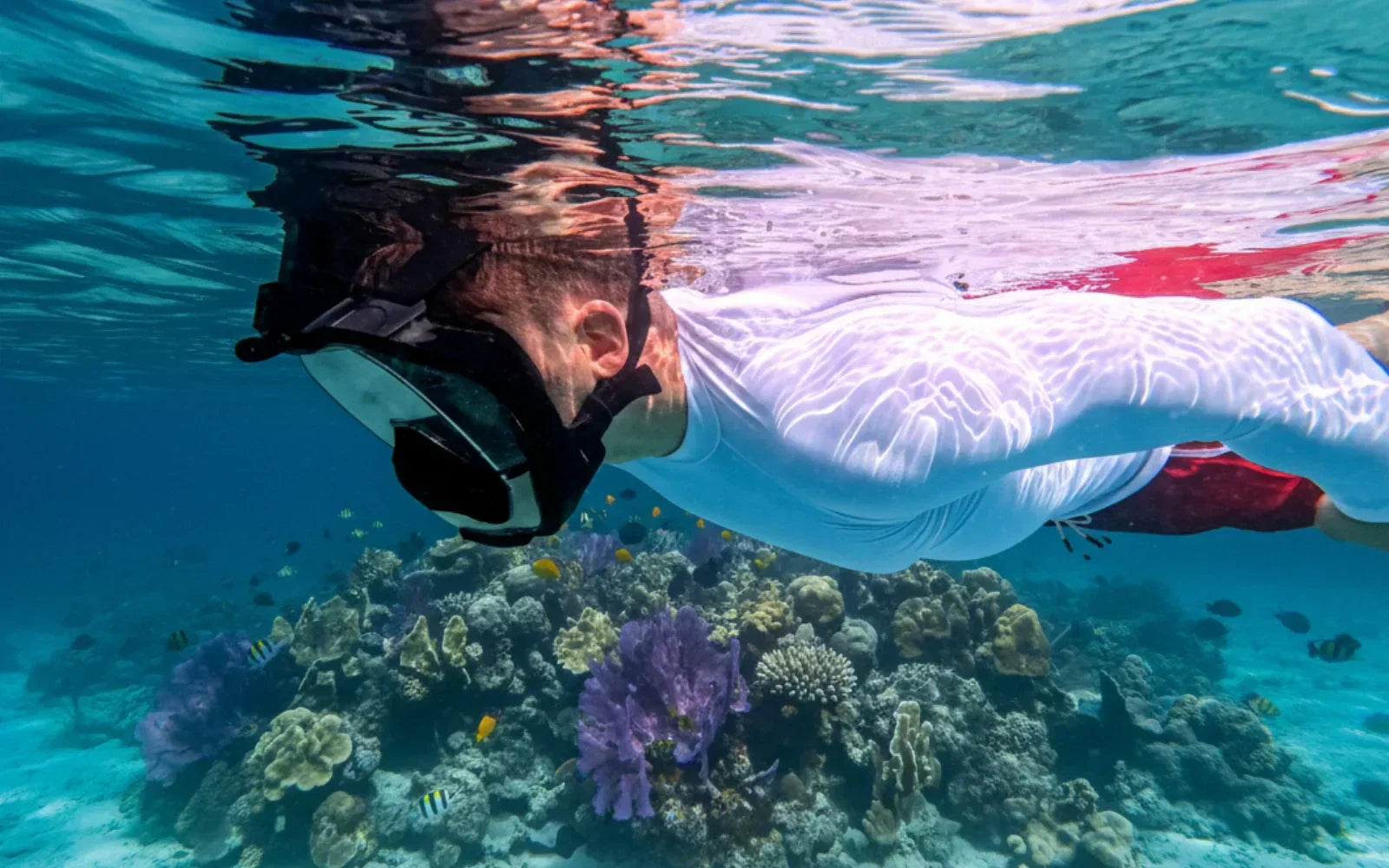
The main issue was that these masks failed to fully channel exhaled air out of the mask. The result: CO₂ accumulates in the viewing area, gets re-inhaled — potentially leading to dangerous carbon dioxide poisoning.
A particularly alarming example is the Kaimana snorkel mask, which received numerous negative reviews on Amazon. Buyers complained about heavily fogged lenses and poor air circulation — a clear sign of inadequate CO₂ venting.

3. Are Snorkel Masks Dangerous in General?
Absolutely not. The danger does not come from the mask itself, but from untested cheap products without a safe ventilation system. Reputable manufacturers rely on solid research and certified safety.
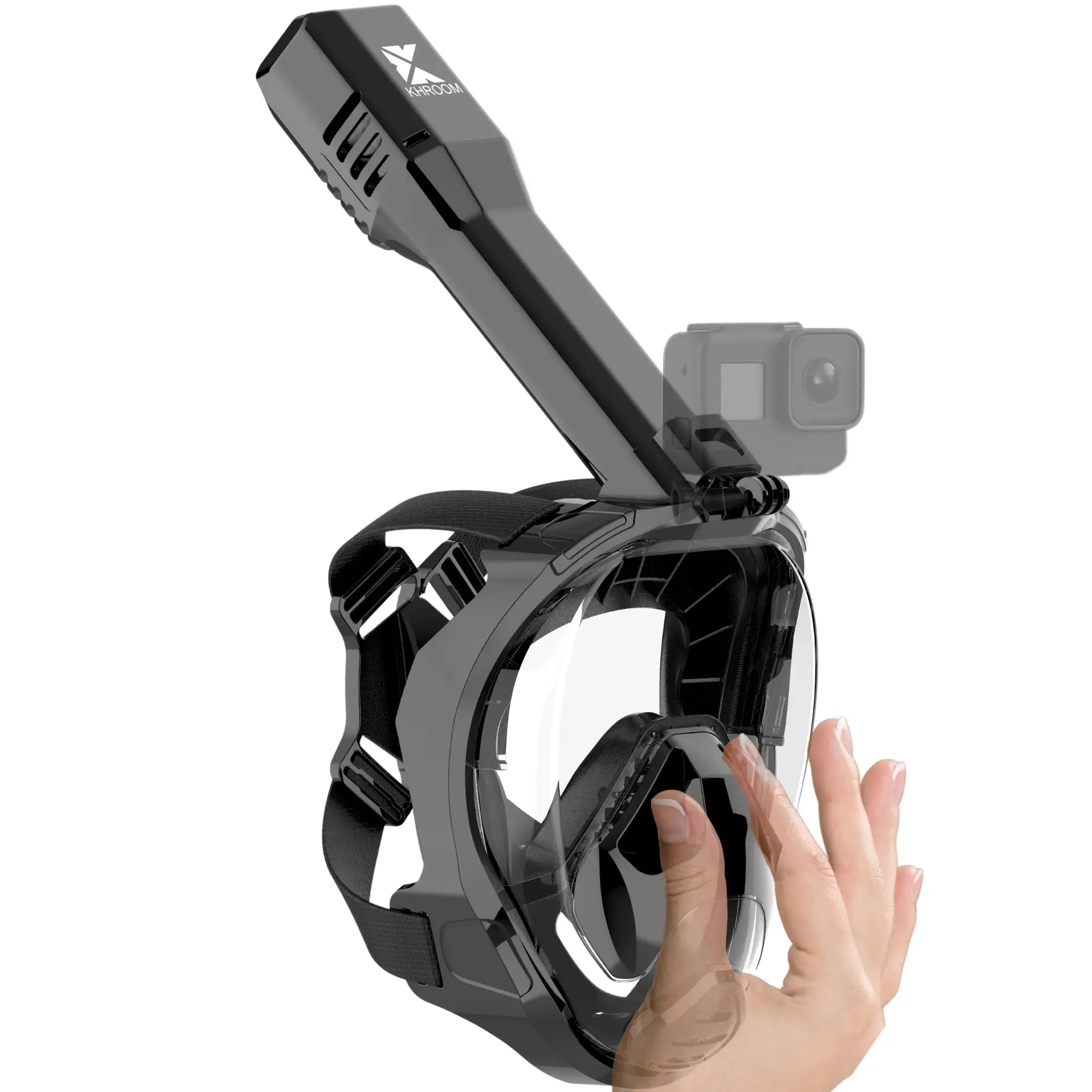
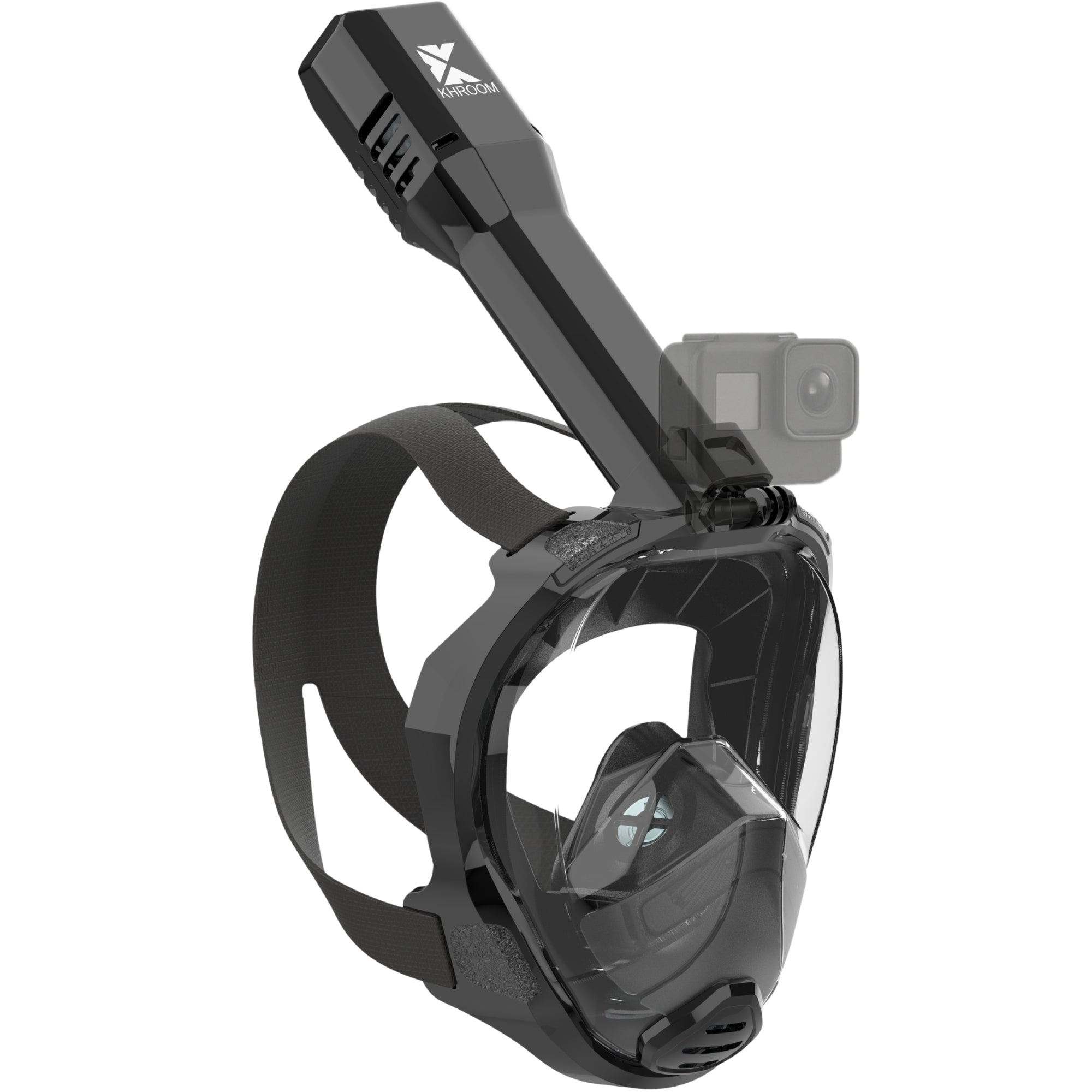
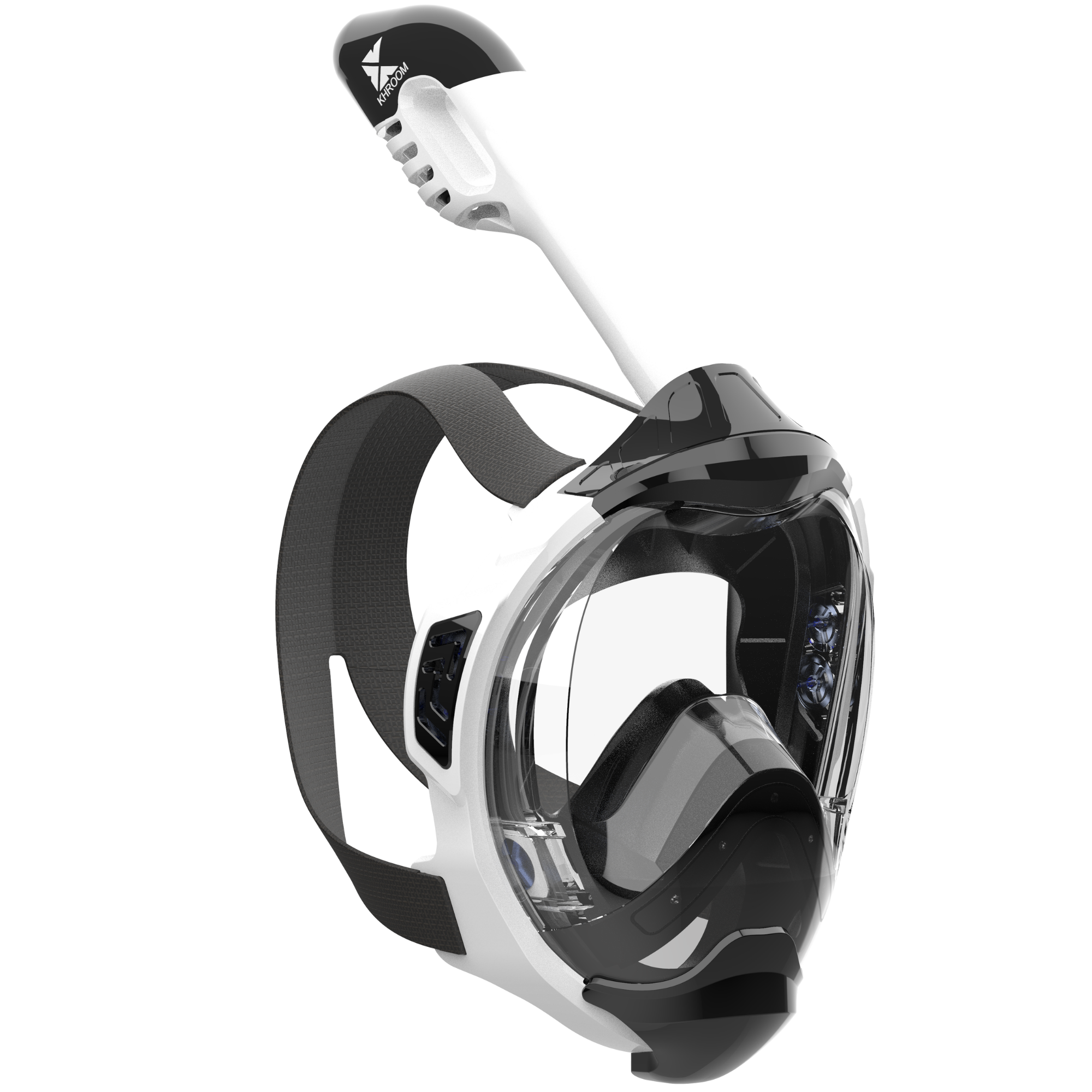
4. Khroom Seaview Pro — State-of-the-Art CO₂ Safety
The Seaview Pro by Khroom sets the standard for safety:
- Tested according to DIN EN 136:1998 — unified European safety standard
- Unique valve system that prevents rebreathing
- Extra-large air volume for effortless breathing
- Extra-wide silicone frame for a perfect fit and seal
- Transparent CO₂ test report (PDF)
The carefully engineered airflow and one-way valves ensure that exhaled CO₂ is reliably vented out. This guarantees that you always breathe fresh air — even during long snorkeling sessions.
5. CO₂ Test Results at a Glance
In an internal comparison of four popular snorkel masks, the Khroom Seaview Pro stood out clearly:
1,600 ppm is a completely safe level, comparable to being in a well-ventilated room. For reference: the workplace exposure limit is 5,000 ppm.
6. What to Look for When Buying
❌ Stay away from:
- Bargain deals with no recognizable certification marks or origin
- Masks that regularly fog up (= poor airflow design)
- Sellers without transparent test reports
- "Certification seals" from commercial providers instead of independent laboratories
✅ Look for:
- Genuine safety standards (DIN EN 136, CE marking)
- Test reports from independent laboratories (SGS, TÜV, DEKRA)
- Separated inhale and exhale channels
- Read reviews — frequent fogging = warning sign
7. Conclusion: Snorkel Safely with the Right Mask
Snorkeling is a wonderful experience — as long as you use the right equipment. The danger does not come from snorkel masks in general, but from untested cheap products. With a certified mask featuring separated breathing channels, you are on the safe side.
→ View Seaview Pro → View Seaview Pro Plus
Video: CBS Report on Snorkel Mask Safety (2018)
▶ CBS News: Investigation into snorkel mask accidents in Hawaii — Why cheap masks are dangerous
Further reading:

Written by Christian Hanauer