Snorkeling in the Maldives: Whale Sharks, Mantas & the Best Atolls
Snorkeling in the Maldives: whale sharks year-round in South Ari Atoll, 100 mantas in Hanifaru Bay, and house reefs right off the beach. The 6 best atolls for 2026.
Snorkeling in the Maldives – The Essentials at a Glance:
Unique in the world: Swim with whale sharks all year round – South Ari Atoll is one of the few places in the world where this is possible
UNESCO highlight: Hanifaru Bay (Baa Atoll) – up to 100 manta rays at once (May–November)
House reef paradise: Many resorts have their own reefs – snorkel straight from the beach, no boat required
Water temperature: 27–30 °C all year round – never need a wetsuit
Best time to visit: December to April (dry season, best visibility), May–November for mantas & whale sharks
The Maldives is the snorkeling destination every other place has to measure up to. 1,200 coral islands across 26 atolls, water that stays 27–30 °C all year with visibility up to 30 meters, more than 200 coral species and over 1,000 fish species – plus the chance to swim with the world's biggest fish: whale sharks and manta rays.
What makes the Maldives special: many resorts have their own house reefs right on the doorstep. You don't need a boat, a guide, or a tour – just slip into the water from the beach or jetty and dive into a world that looks like someone cranked the color saturation up to maximum.
In this guide you'll find the 6 best atolls for snorkeling, everything about the split season (dry season vs. manta season), the fascinating wildlife, and the right gear for your underwater adventure in paradise.
1. Why the Maldives is the ultimate destination
- Whale sharks – year-round: South Ari Atoll is one of the few places on earth where whale sharks are spotted all year round – the gentle giants of the ocean, up to 12 meters long and completely harmless.
- Manta ray spectacle: In Hanifaru Bay (Baa Atoll, a UNESCO biosphere reserve), up to 100 manta rays gather at once between May and November – a natural spectacle found nowhere else on the planet.
- House reefs: The concept behind Maldivian resort islands is unique: every island is surrounded by a reef. Many resorts offer first-class snorkeling right from the beach – no boat trip needed, just swim right in.
- 1,000+ fish species, 200+ coral species: From clownfish to reef sharks to eagle rays – the biodiversity is overwhelming.
- Never need a wetsuit: 27–30 °C all year round – swimwear is always enough.
- Every level: Shallow lagoons for beginners and families, current-swept channels for advanced snorkelers, whale shark tours for adventurers.
2. The 6 best atolls & their top spots
2.1 South Ari Atoll – Whale sharks all year round
Highlights: Whale sharks, manta rays, turtles, reef sharks · Visibility: 20–30 m
South Ari Atoll is the most famous snorkeling spot in the Maldives – and one of the few places in the world where you can swim with whale sharks all year round . Off Dhigurah and Maamigili (‘Whale Shark Island’), organized tours run to ‘Whale Shark Point’ – a 10 km stretch where the gentle giants surface regularly. There are also manta rays (especially May–November at the cleaning stations), turtles, and colorful coral reefs.
Top spots: Maaya Thila (one of the best snorkeling and diving spots in the Maldives), Maamigili Reef, Manta Point
Tip: About a 30-minute flight or 1.5-hour speedboat ride from Malé. Book whale shark tours early.
2.2 Baa Atoll – Hanifaru Bay & 100 mantas
Highlights: Mass manta ray gatherings, whale sharks, pristine reefs · Visibility: 15–25 m
The Hanifaru Bay in Baa Atoll is a UNESCO biosphere reserve and one of the most famous snorkeling spots in the world. Between May and November, up to 100 manta rays gather here at once, drawn in by the plankton-rich water – a natural spectacle like no other. Important: Hanifaru Bay is a snorkel-only site – scuba diving is prohibited. Even outside manta season, Baa Atoll offers excellent snorkeling with whale sharks, reef fish, and colorful corals.
Top spots: Hanifaru Bay, Dhonfanu, Thulhaadhoo
Tip: Many resorts in Baa Atoll (Soneva Fushi, Anantara Kihavah, Milaidhoo) offer guided manta tours to Hanifaru Bay.
2.3 North Malé Atoll – Banana Reef & house reefs
Highlights: Banana Reef, wrecks, reef sharks, nurse sharks · Visibility: 15–25 m
The atoll surrounding the capital Malé is the quickest to reach and still offers first-class snorkeling. The Banana Reef (named for its shape) is one of the most famous spots in the Maldives – overhangs and coral blocks shelter schools of blue-striped snapper, moray eels, and bannerfish. Many resorts (Bandos, Baros, Kurumba) have excellent house reefs just meters from the beach. Reef sharks and nurse sharks are regular visitors.
Tip: Bandos is just 7 km from the airport – ideal for families who want to reach the reef quickly.
2.4 Vaavu Atoll – Hammerhead sharks & manta channels
Highlights: Hammerhead sharks, reef sharks, mantas, barracudas · Visibility: 15–25 m
The small Vaavu Atoll, with only 19 islands, is a true insider tip for experienced snorkelers. Fotteyo Kandu is considered one of the best diving and snorkeling spots in the entire Maldives – healthy coral reefs, huge schools of fish, and, with a bit of luck, hammerhead sharks. The Miyaru Kandu channel is known for its variety of large fish. Caution: currents can be strong – for experienced snorkelers only.
2.5 North Ari Atoll – Manta cleaning stations
Highlights: Manta rays, coral gardens, turtles · Visibility: 20–30 m
North Ari Atoll is home to several manta cleaning stations – spots where smaller fish pick parasites off the manta rays. Here you can watch these majestic animals up close as they glide slowly over the reef. The Kandolhu resort offers dozens of snorkeling spots nearby – schools of mackerel, turtles, reef sharks, and occasionally dolphins.
2.6 Lhaviyani Atoll (Faadhippolhu) – An untouched gem
Highlights: Untouched reefs, moray eels, turtles, rays · Visibility: 20–30 m
Away from the more well-known atolls, Lhaviyani Atoll offers a breathtaking underwater world that has largely escaped mass tourism. The reefs lie just a few meters below the surface – perfect for snorkelers. Colorful schools of fish, curious moray eels, turtles, and numerous species of rays. The Hinnavaru Kandu snorkeling spot is a real highlight.
3. Best time to visit – two seasons, one advantage
The Maldives offer excellent snorkeling conditions all year round – but each of the two seasons brings its own advantages.
| Season | Months | Conditions | Special encounters |
|---|---|---|---|
| Dry season (northeast monsoon) | December – April | Sunny, calm seas, best visibility (up to 30 m), little rain | Whale sharks (year-round in Ari Atoll), turtles, reef sharks |
| Rainy season (southwest monsoon) | May – November | Short showers, slightly rougher seas, but warm and clear, fewer tourists | Manta ray high season (Hanifaru Bay!), whale sharks, more plankton = more big fish |
4. Underwater world: whale sharks, mantas & 1,000 fish species
The Maldives are in a league of their own – the underwater world is so species-rich and colorful that every snorkeling session feels like a new experience.
The giants
- Whale sharks: Up to 12 meters long, completely harmless, and feed on plankton. Found year-round in South Ari Atoll – an experience you'll never forget.
- Manta rays: Up to 5 meters across, elegant and majestic. Found in Hanifaru Bay (May–Nov) and Ari Atoll (cleaning stations).
- Reef sharks: Blacktip and whitetip reef sharks, nurse sharks – harmless and regularly seen at house reefs.
- Eagle rays & stingrays: Gliding elegantly over sandy seabeds.
- Sea turtles: Green sea turtles and hawksbill turtles – commonly seen at house reefs.
- Dolphins: Spinner dolphins and bottlenose dolphins – often spotted from the boat, occasionally while snorkeling.
The colorful ones
- Clownfish (anemonefish): Living in sea anemones – the ‘Nemo’ factor is a huge hit, especially with kids.
- Parrotfish: Large, vividly colored, and audible as they munch on coral.
- Emperor angelfish & sweetlips: Spectacular colors and patterns.
- Blue-striped snapper: Found in huge schools along the reefs.
- Moray eels: Large giant morays hiding in rock crevices – impressive, but don't touch.
- Octopuses: Masters of camouflage among the corals.
The reefs
More than 200 coral species form the backbone of this Maldivian underwater paradise: table corals, staghorn corals, soft corals, and colorful sea fans. The house reefs at many resorts are in excellent condition – and reachable straight from the beach.
5. The right snorkeling gear
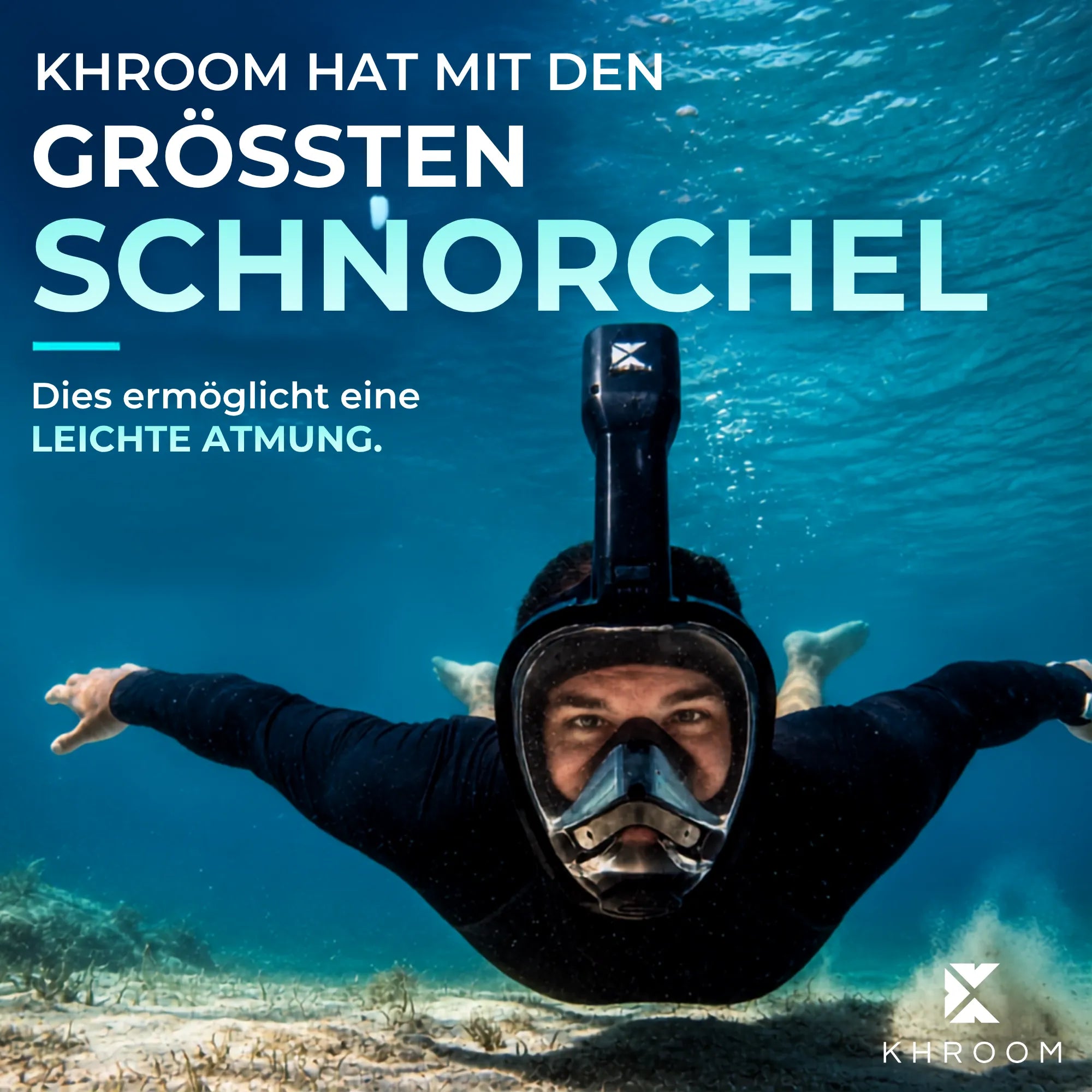
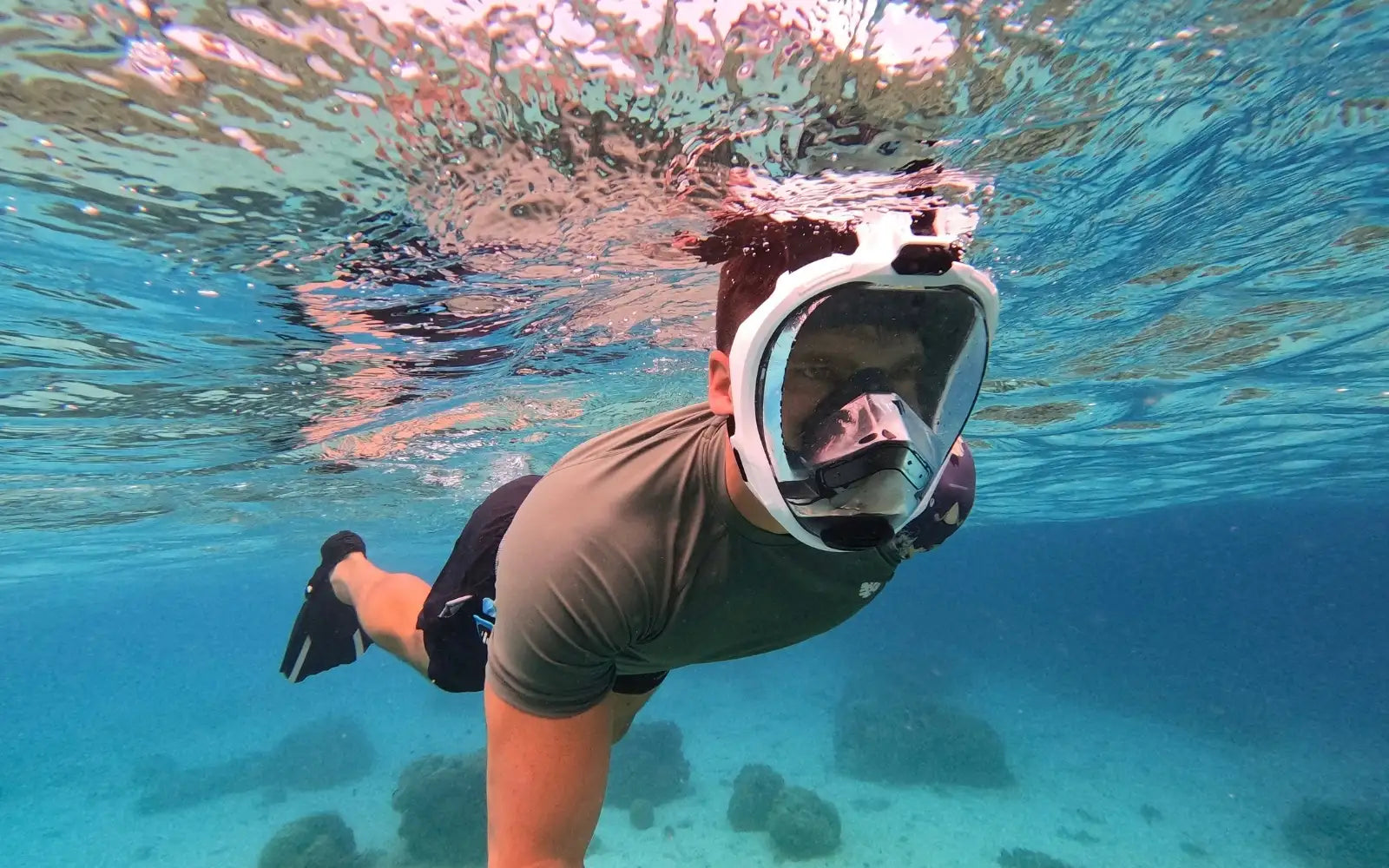
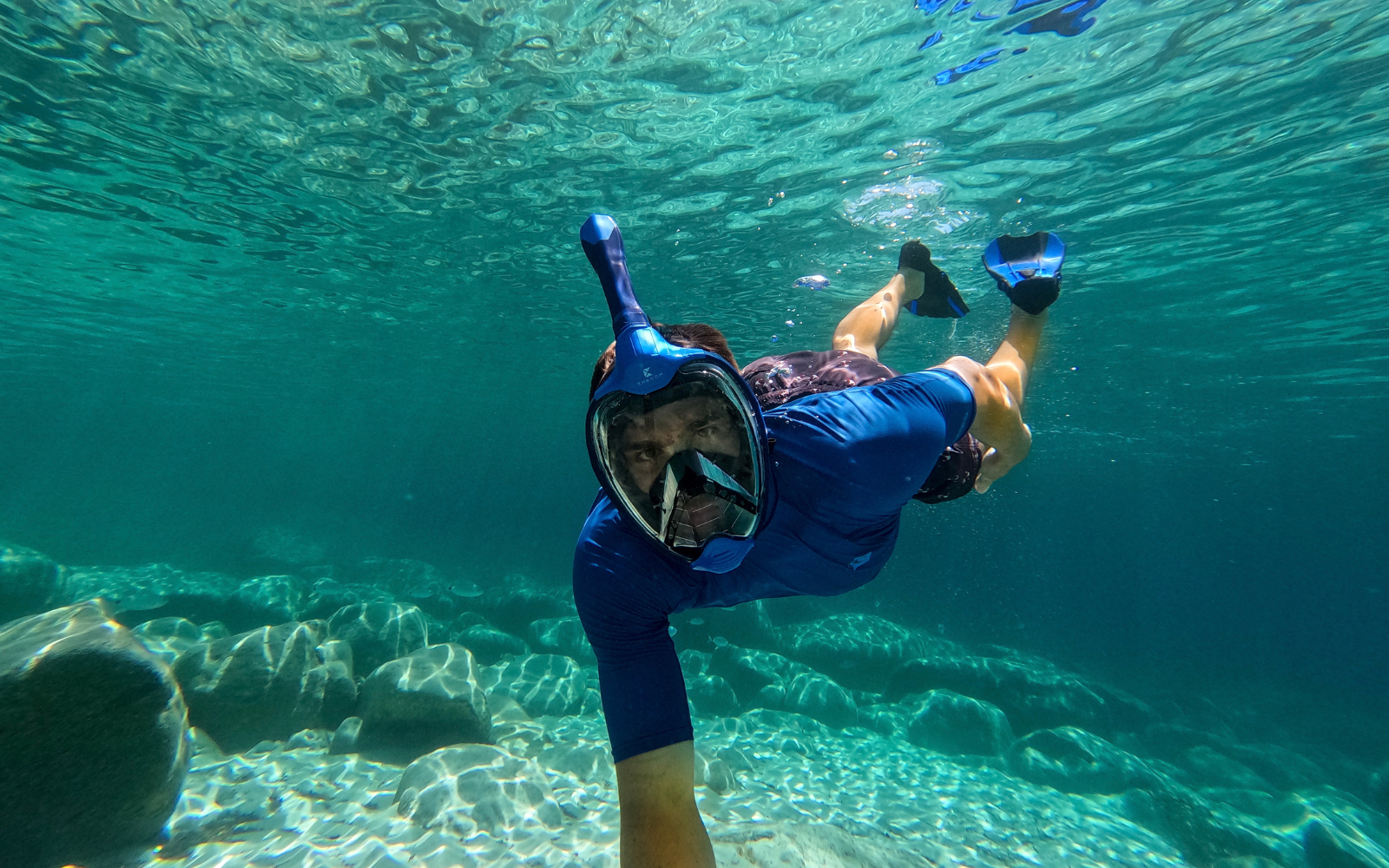
Many resorts offer free rental masks – though the quality varies widely. In the Maldives, bringing your own gear is especially worthwhile: you'll often be snorkeling 2–3 hours a day straight from the house reef, and a high-quality panoramic mask makes all the difference amid this riot of color.
Mask recommendation
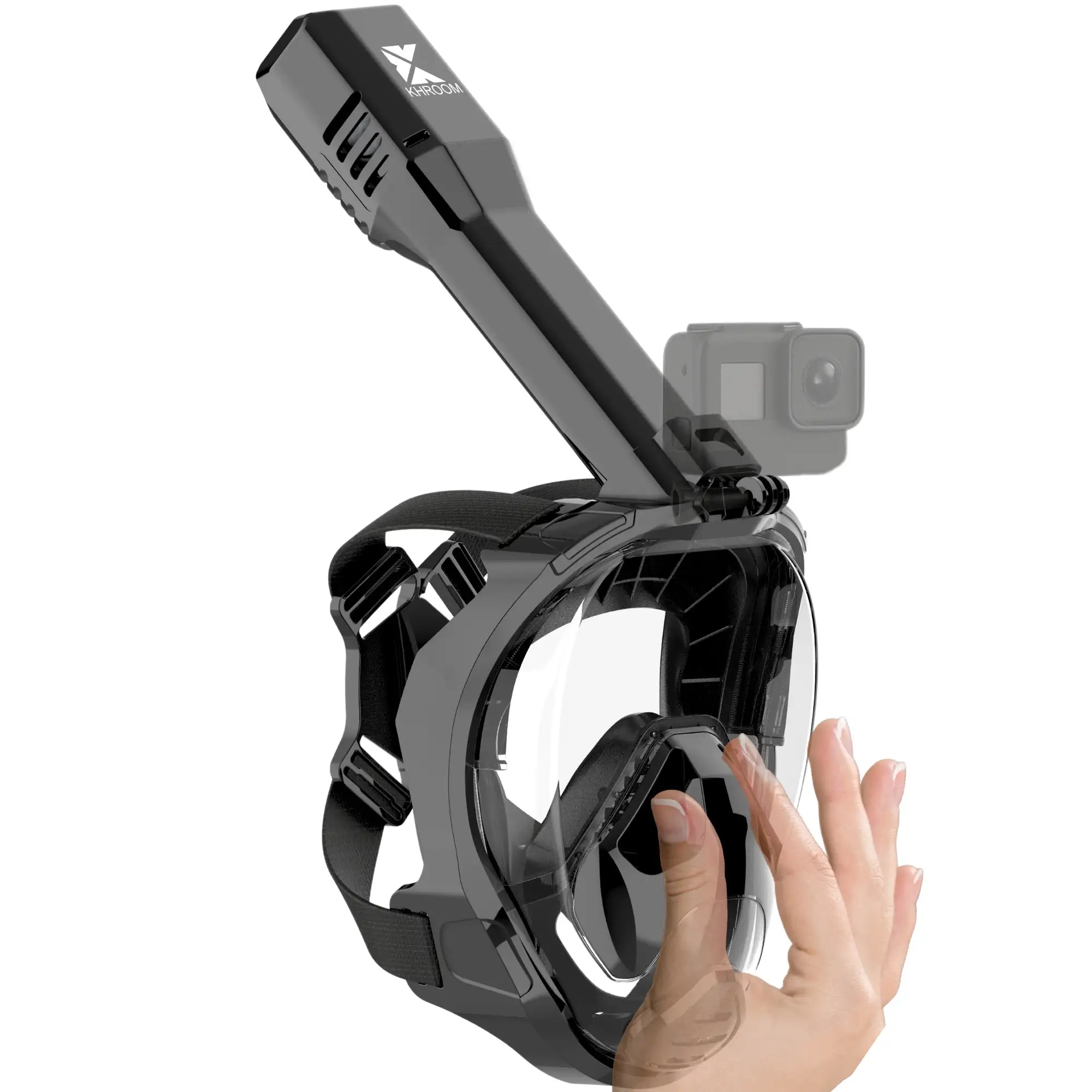
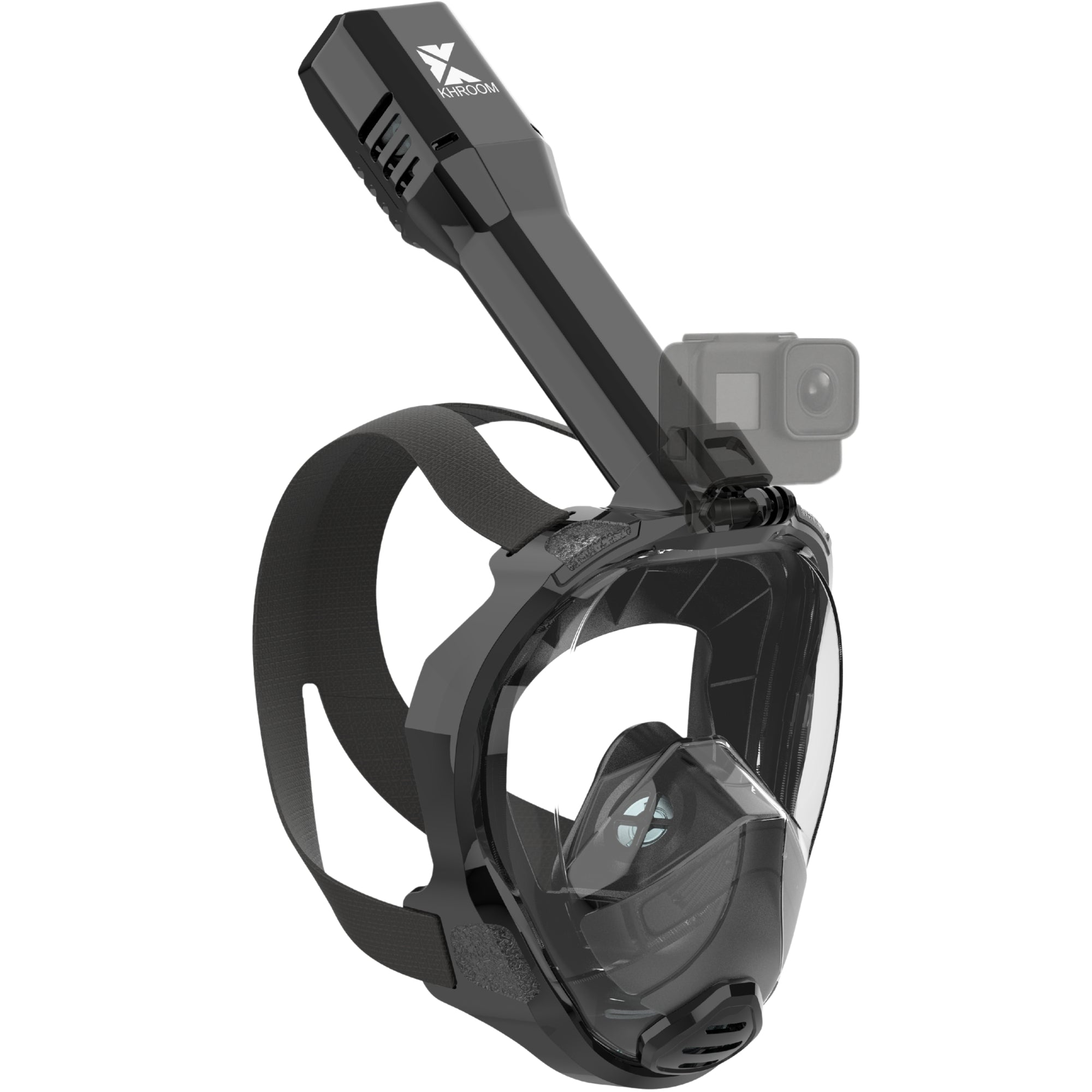
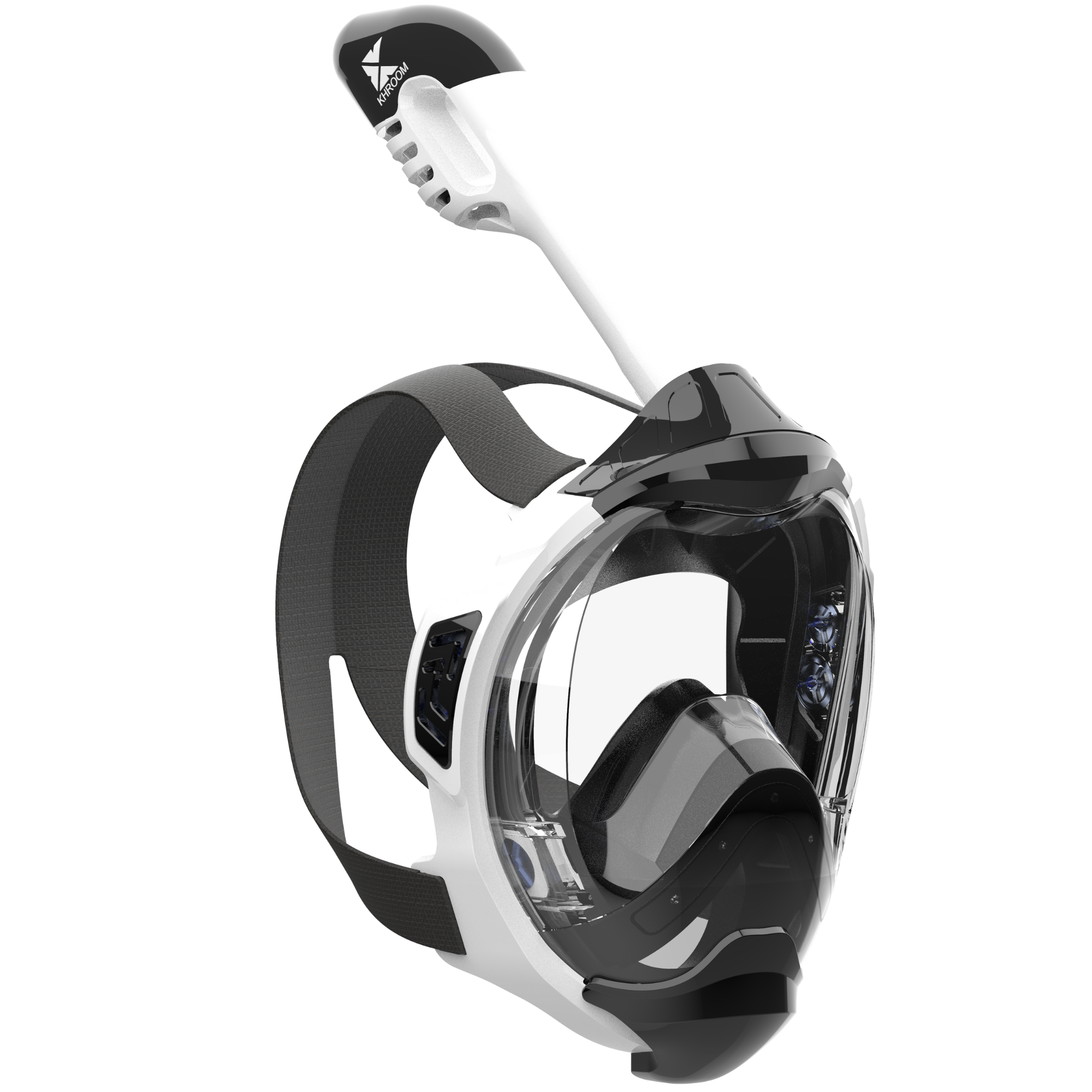
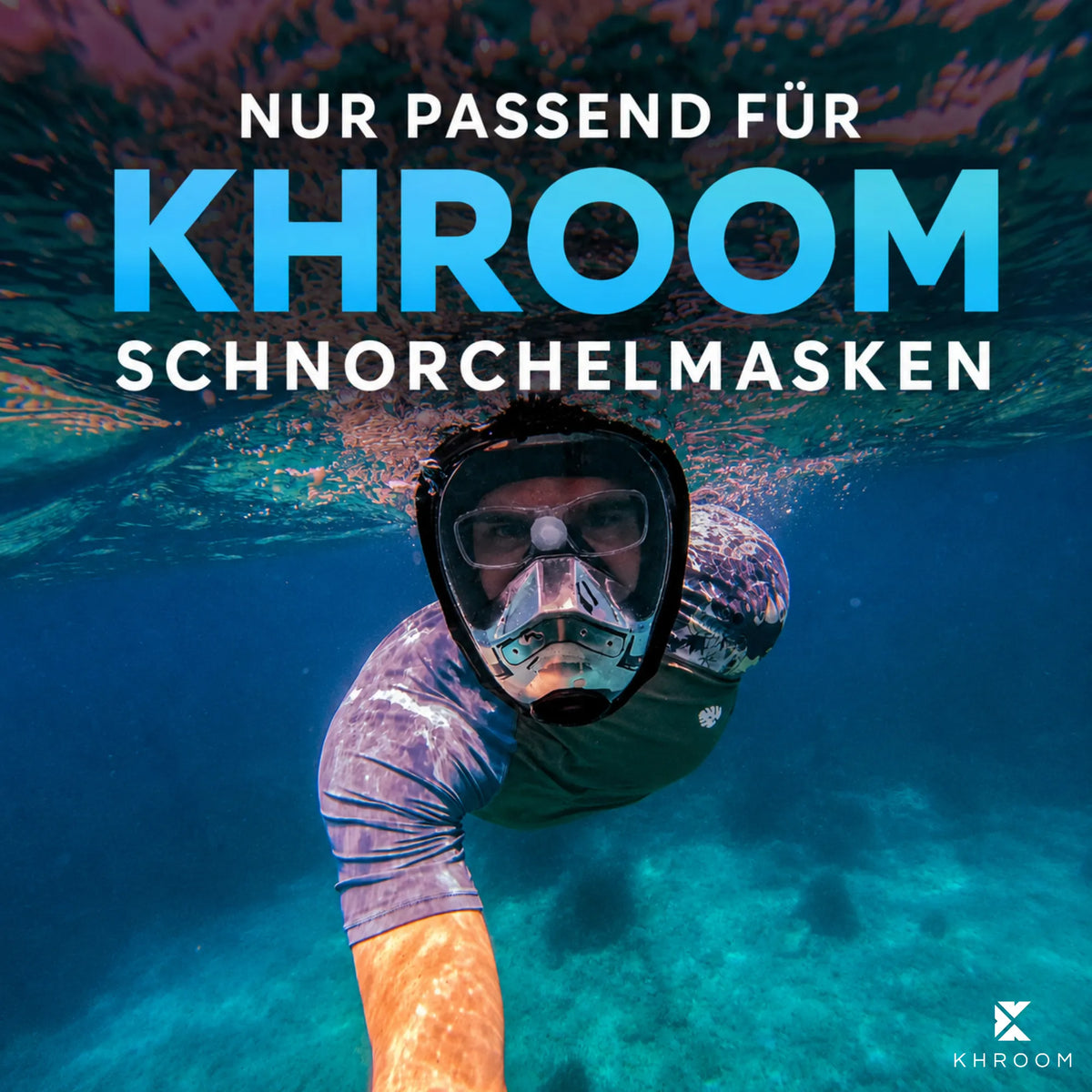
- Khroom Seaview Pro – SGS-certified, 180° panoramic view. Amid the Maldives' riot of color, the full field of view really comes into its own like nowhere else. Our bestseller and best value for money.
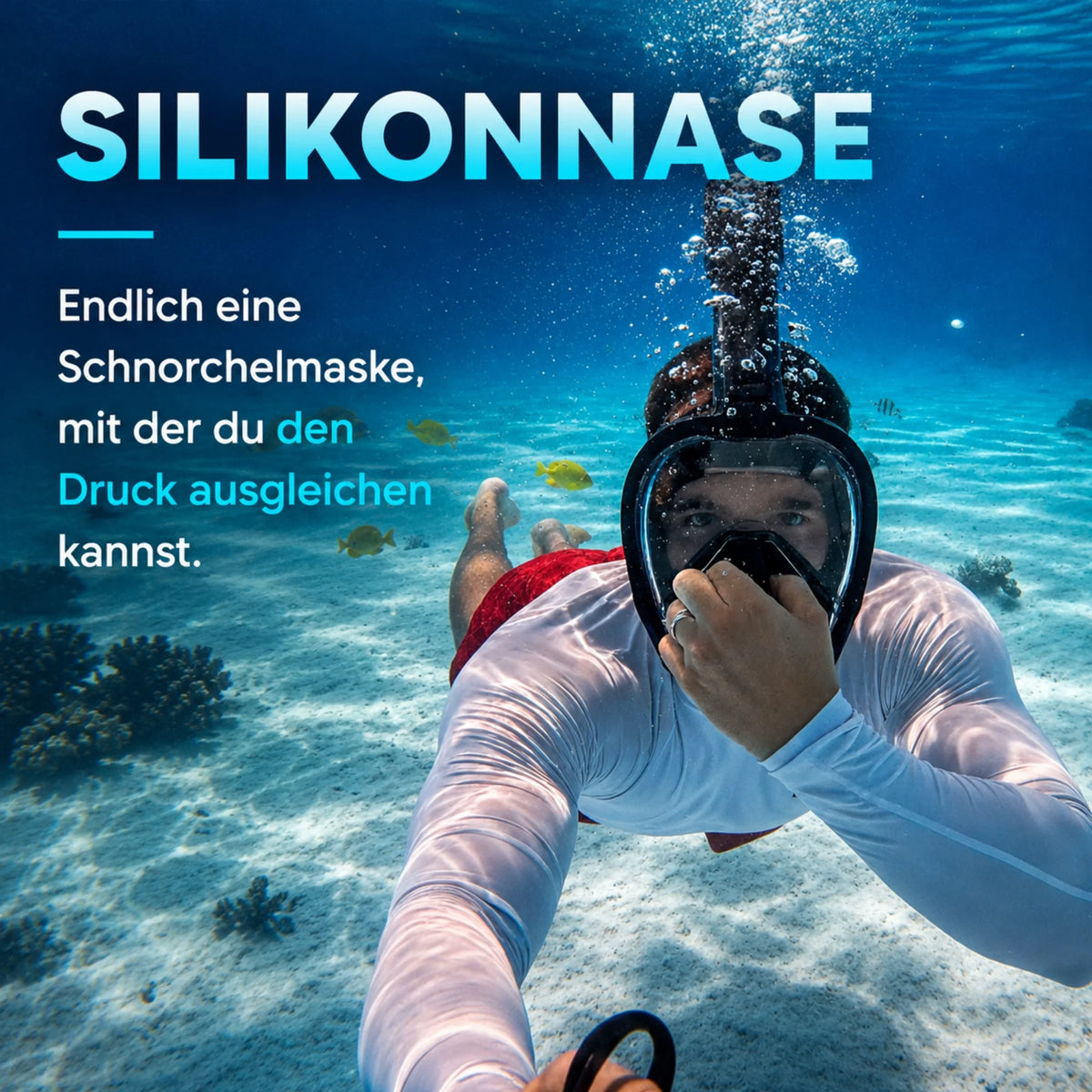
- Khroom Seaview Pro Plus – CO₂-tested, with pressure equalization. Ideal if you want to free dive down a few meters to the coral gardens now and then.
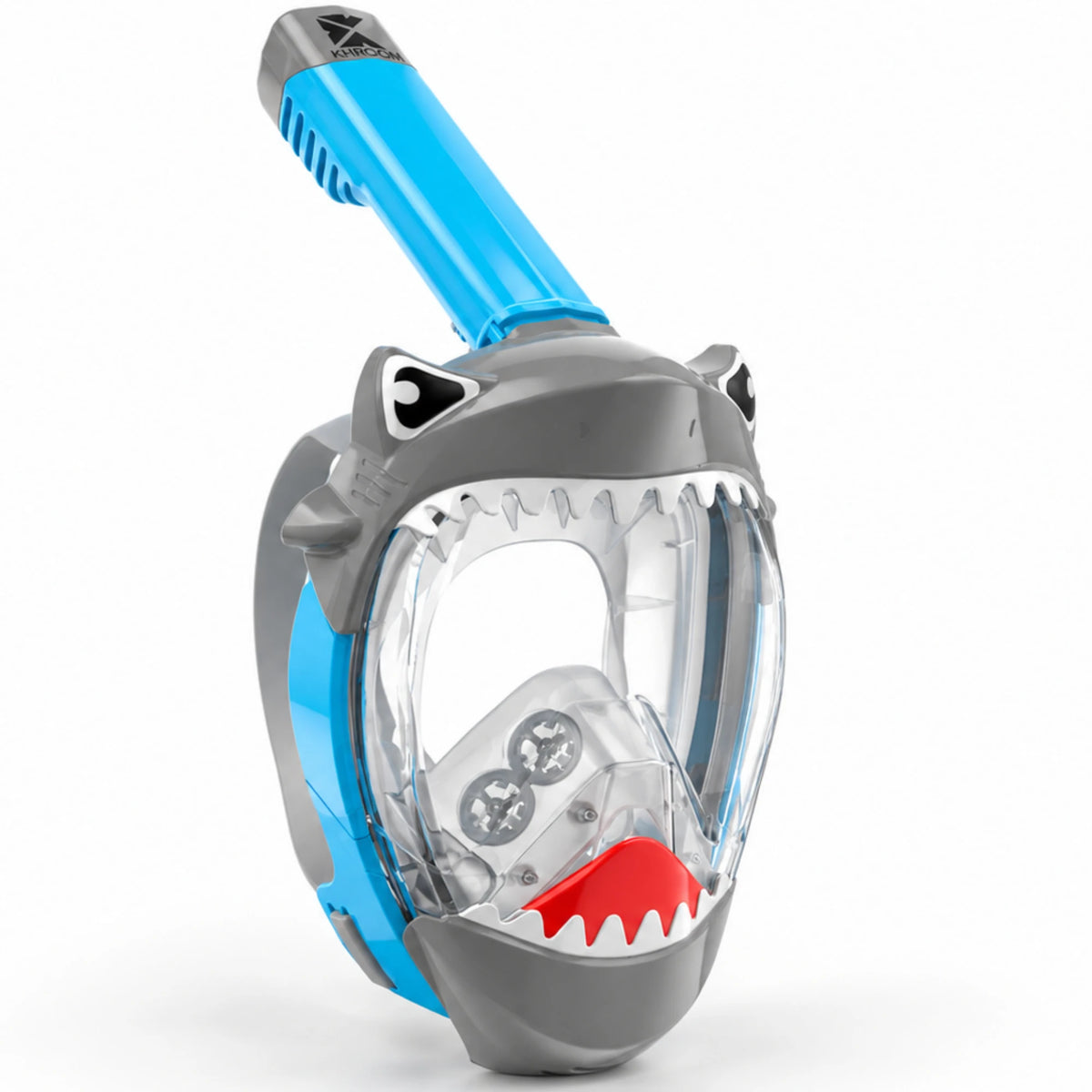
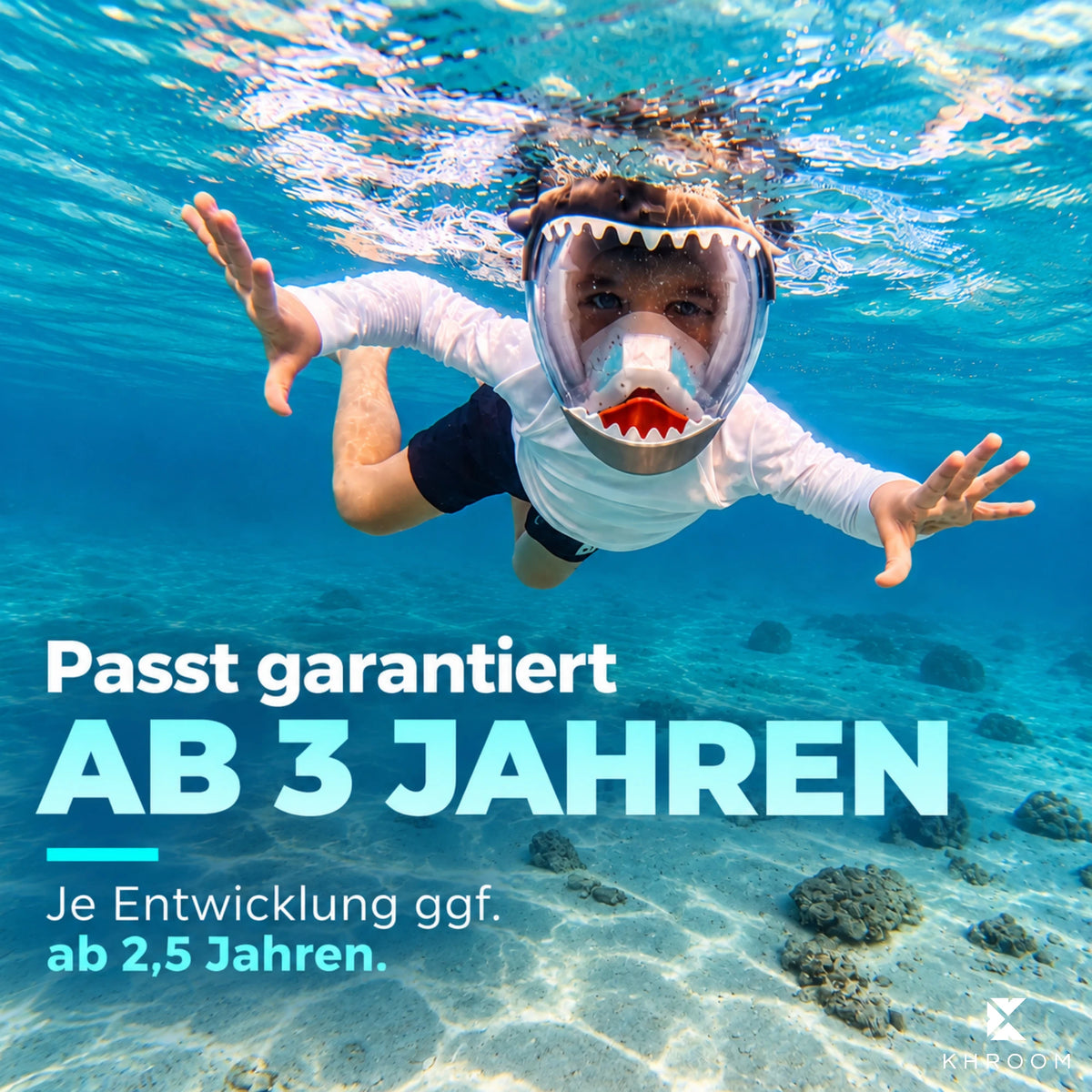
- Khroom Seaview Kids – a CO₂-safe kids' snorkel mask with separate airways. Clownfish, turtles, and reef sharks – your child will be thrilled by the Maldives.
Why CO₂ safety matters: Guide: CO₂-safe snorkel masks | Snorkel mask test 2026
Additional equipment
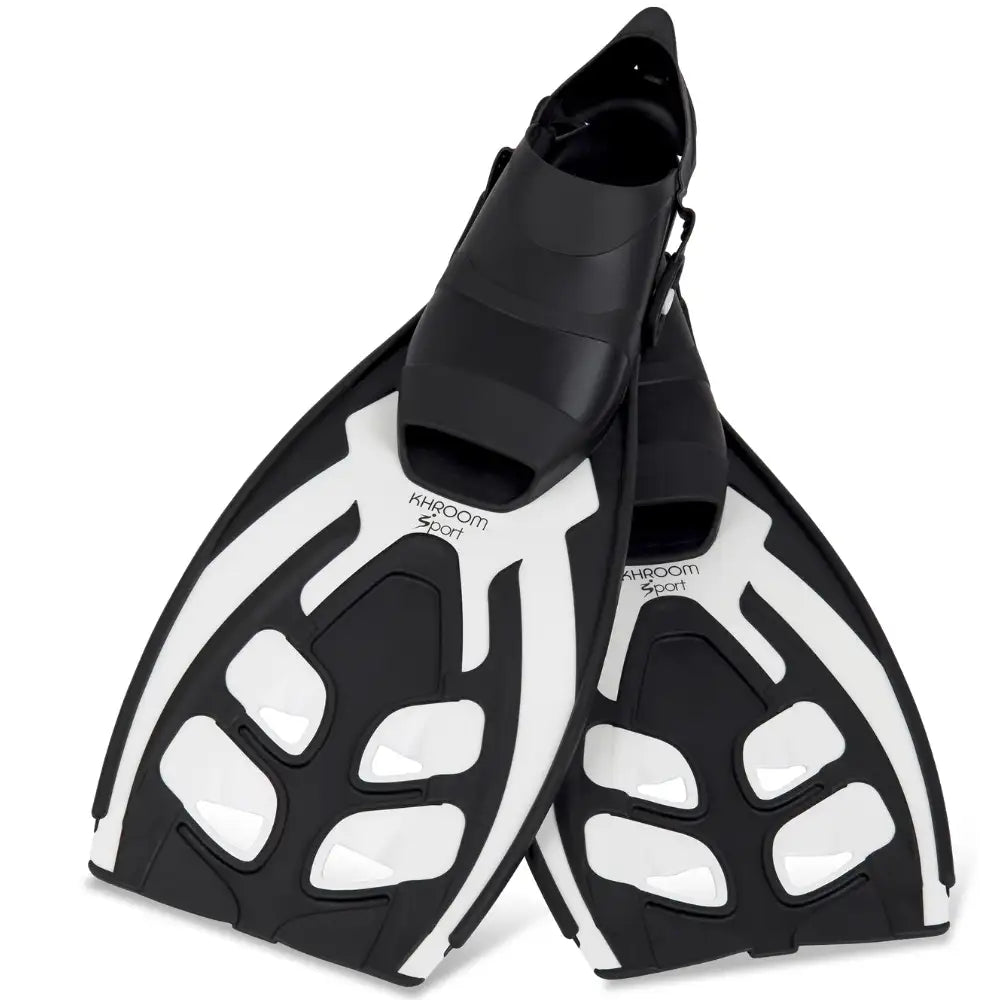
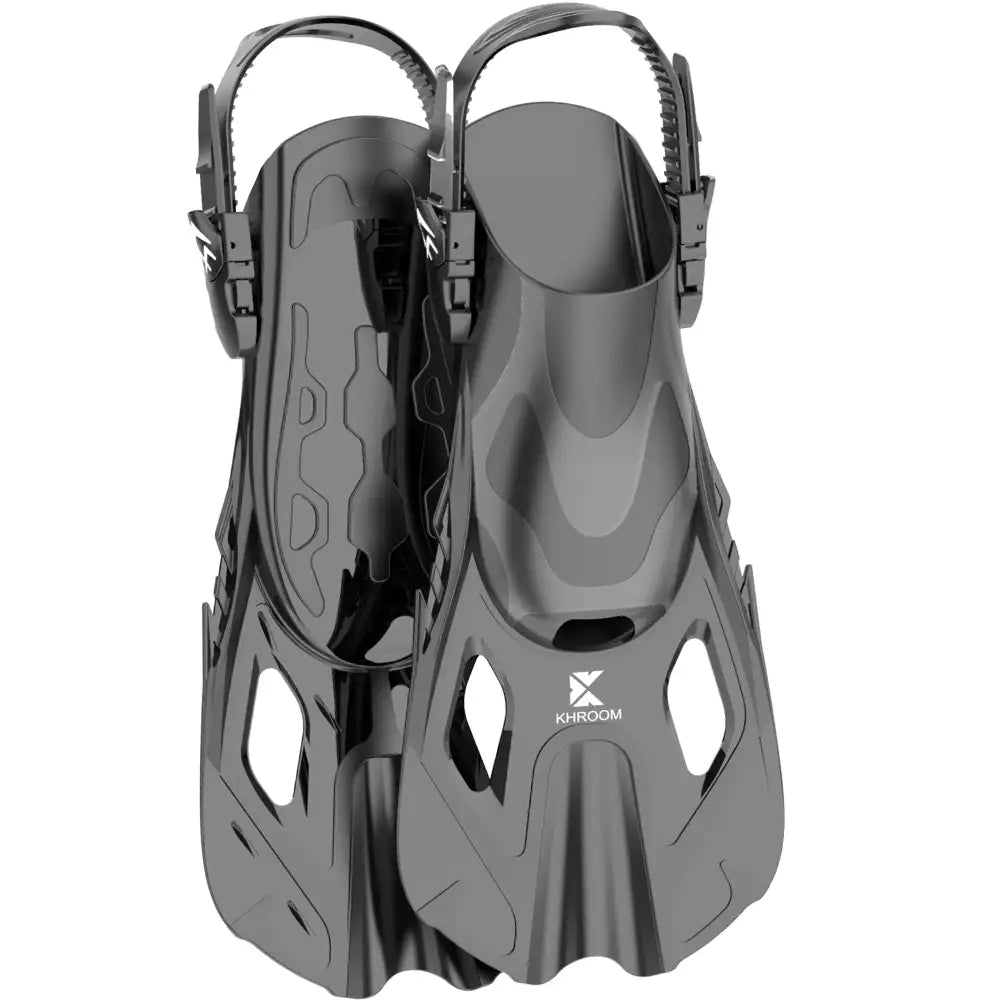
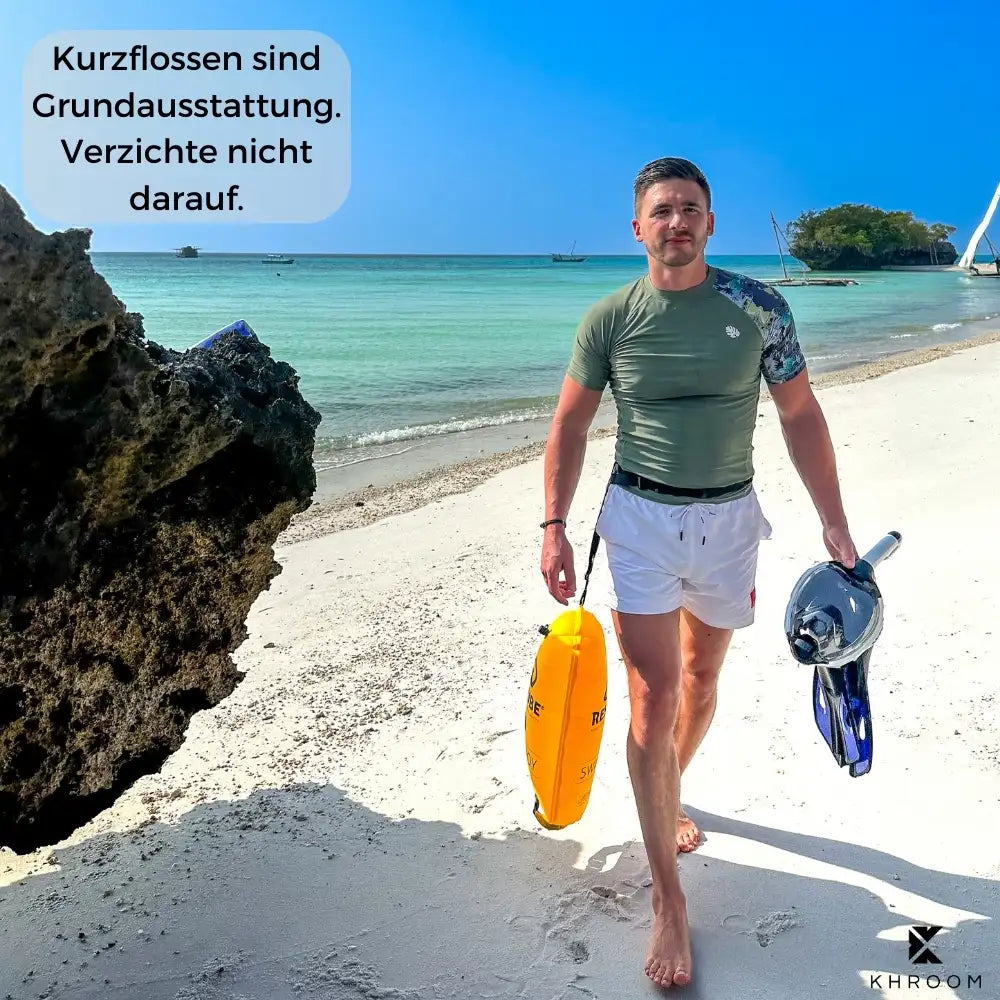
- Adjustable snorkel fins (short) – compact for your luggage
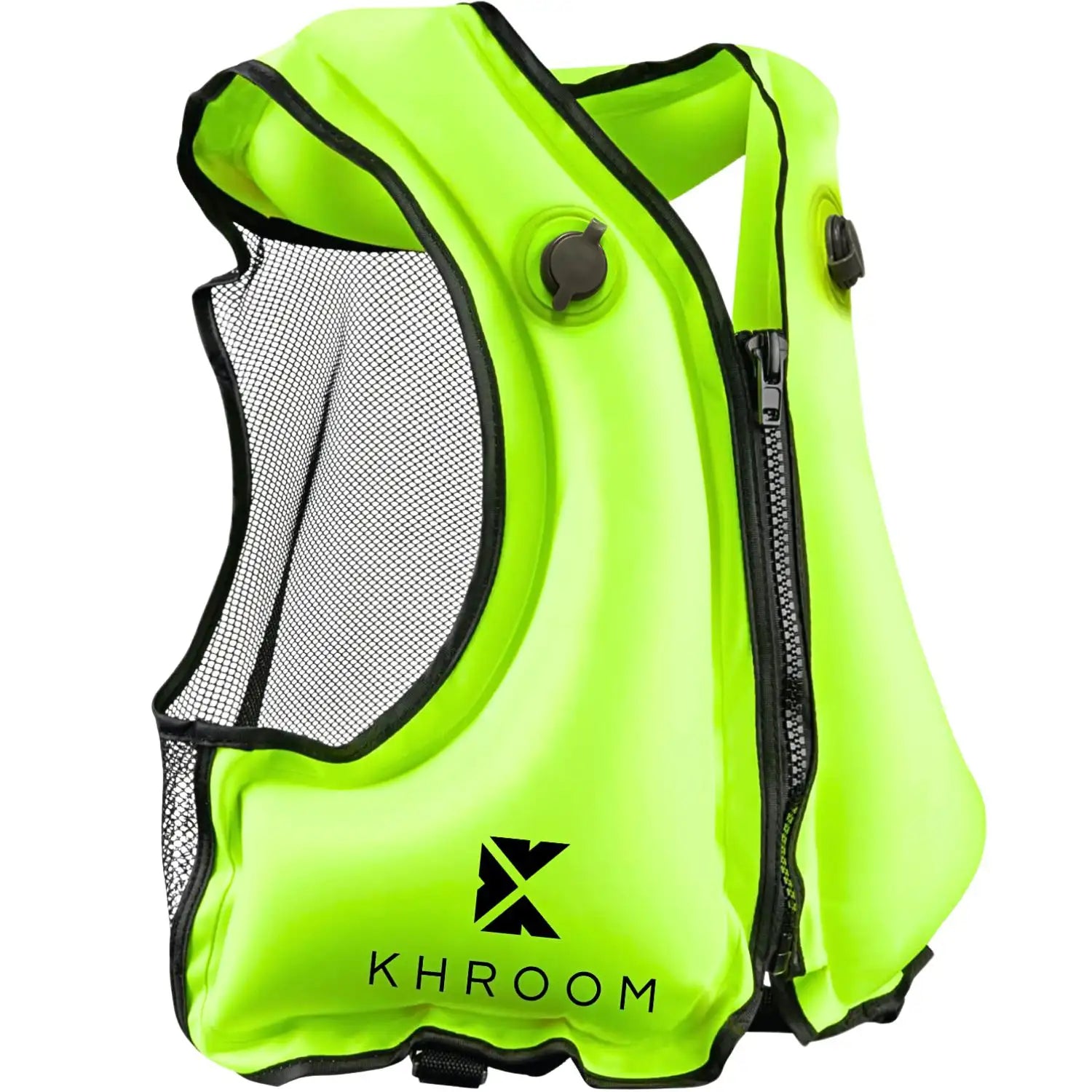
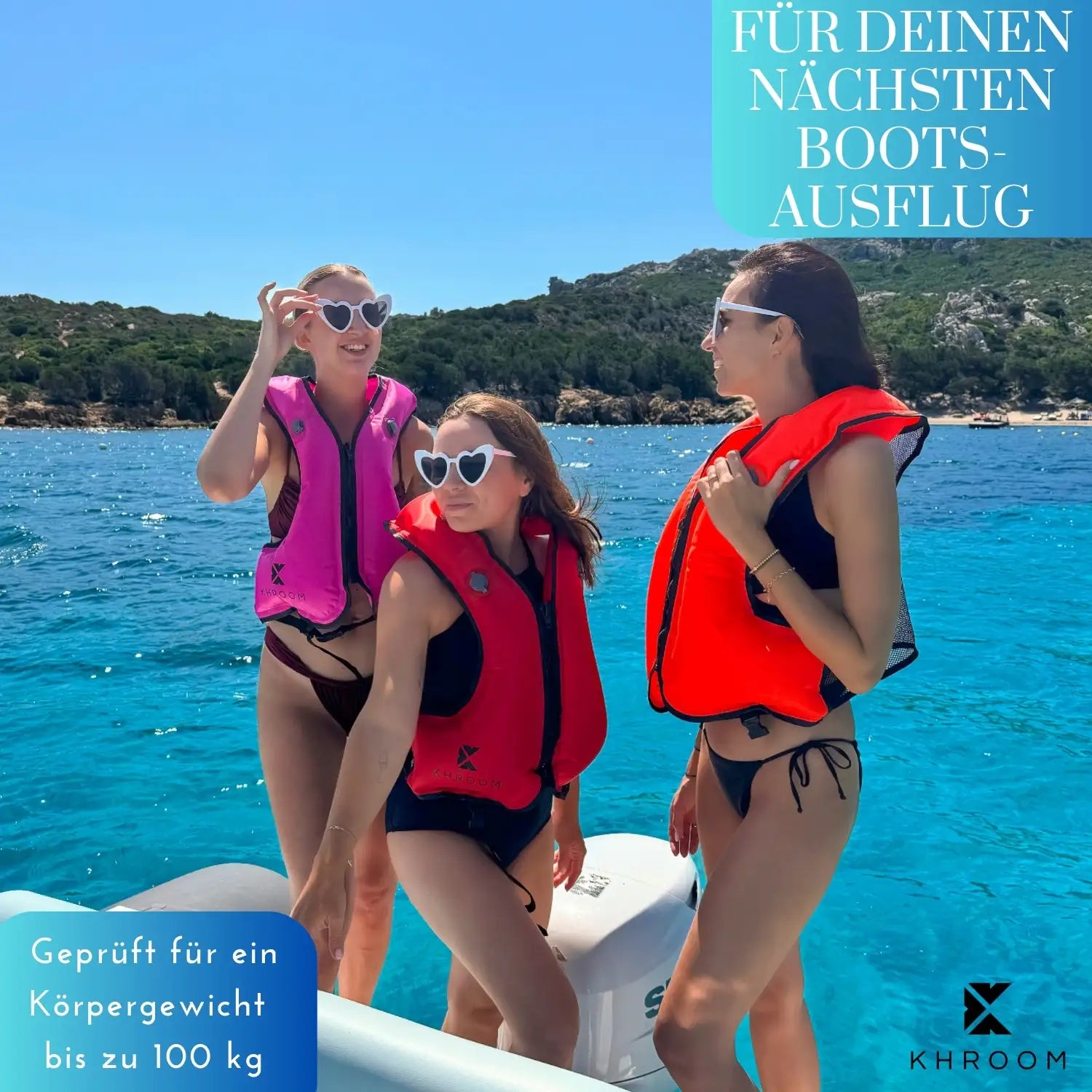
- Snorkel vest – for beginners and kids, especially for longer sessions at the house reef
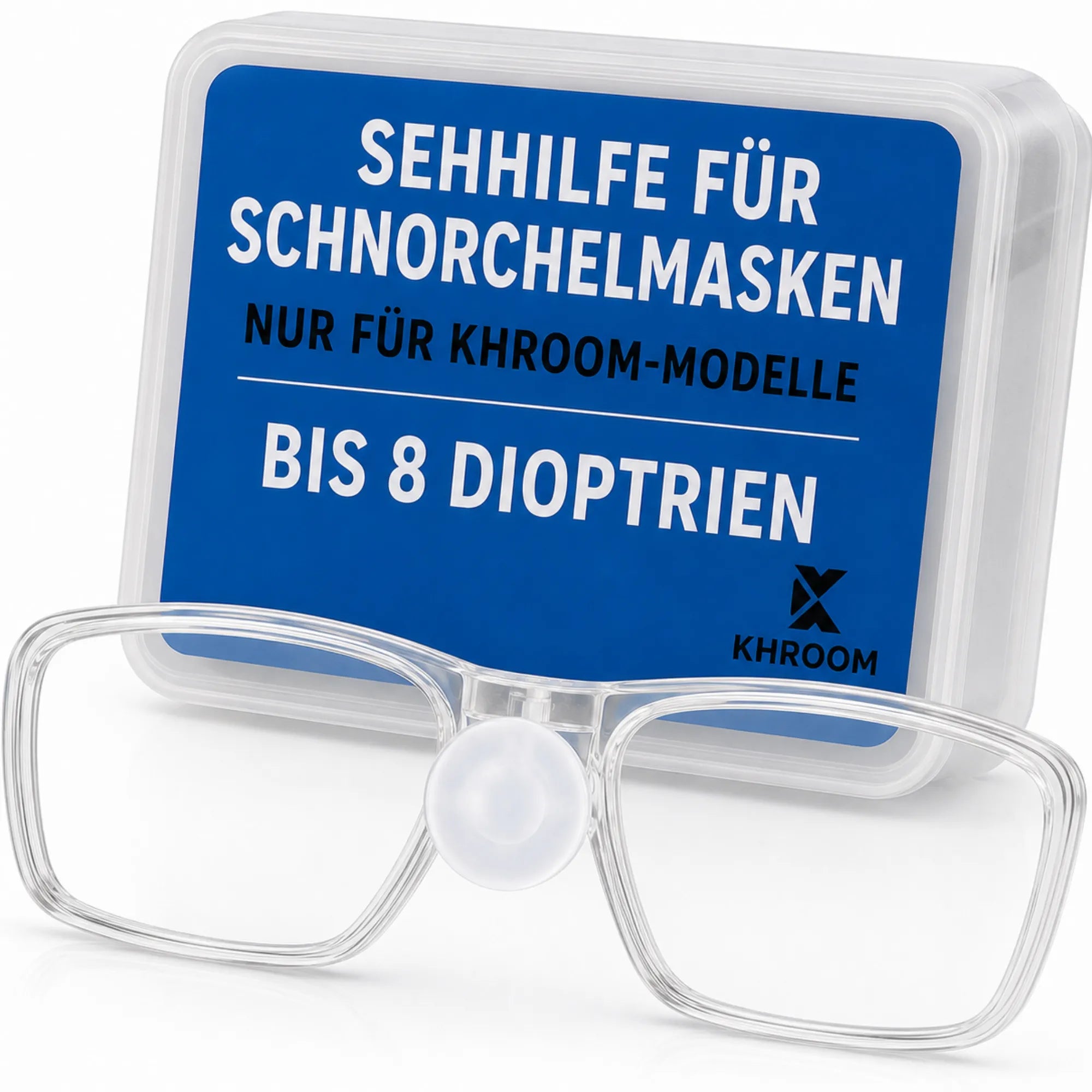
- Prescription lens inserts – for glasses wearers. Guide for glasses wearers
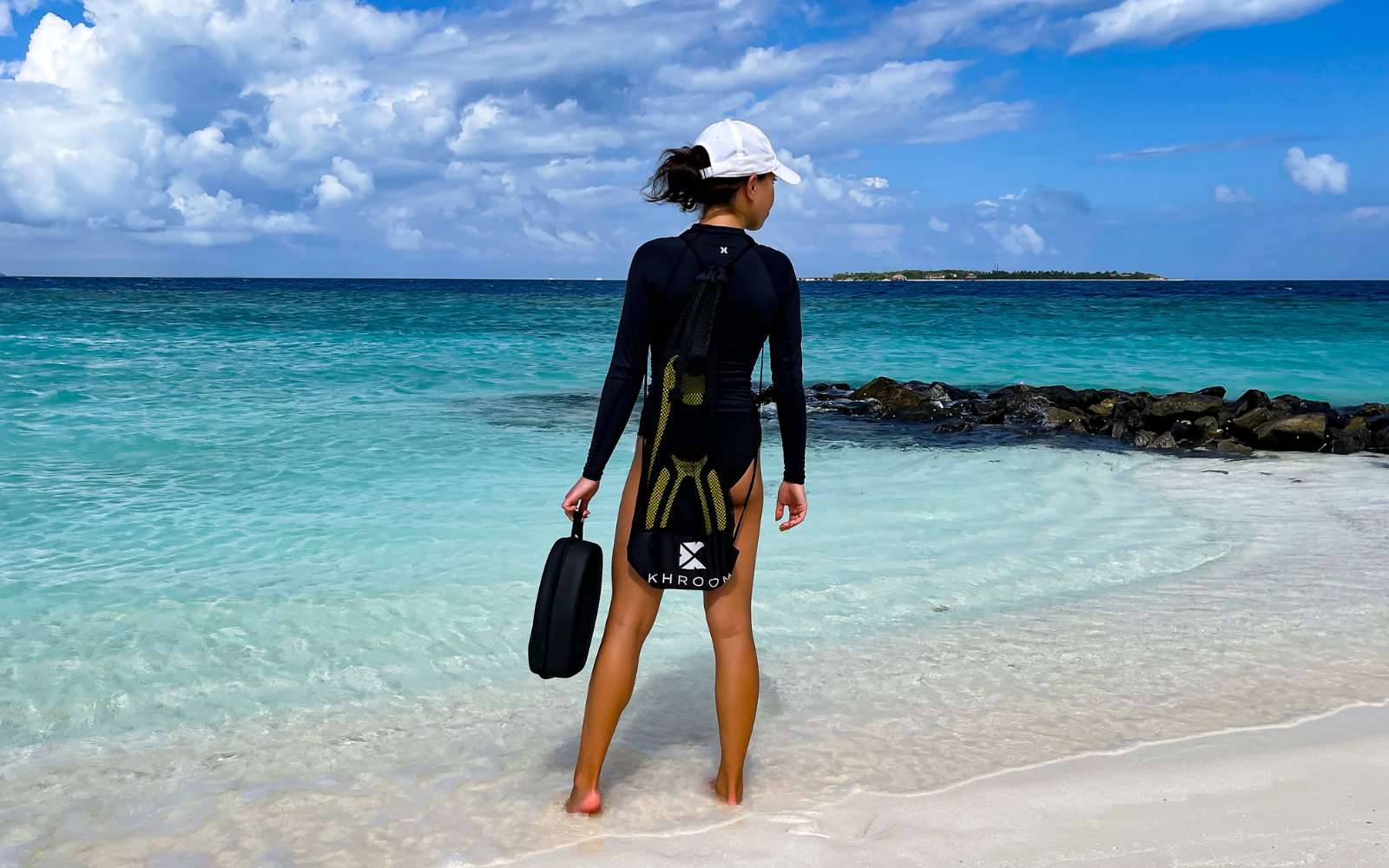
- UV shirt (rash guard) – A must in the Maldives: The tropical sun is intense, even underwater
- Reef-safe sunscreen – mineral-based, without oxybenzone (many resorts ban conventional sunscreens)
- Underwater camera – whale sharks, mantas, and clownfish make the ultimate photo subjects
6. Snorkeling with kids in the Maldives
Thanks to warm lagoons, shallow house reefs, and clownfish encounters, the Maldives is a dream destination for family snorkeling. Many resorts offer kids' programs and child-friendly snorkel gear.
Best conditions for kids
- House reefs: Many resorts have reefs right off the beach – no boat needed, so kids can snorkel close to shore under supervision.
- Shallow lagoons: The turquoise lagoons inside the atolls are shallow, warm, and current-free – perfect for a first attempt at snorkeling.
- Clownfish: The ‘Nemo’ factor – kids light up when they spot clownfish hiding in sea anemones.
- Kids clubs: Many resorts offer supervised kids' programs while parents head out on a whale shark tour.
In detail: Snorkeling safely with kids | At what age can kids start snorkeling?
7. Travel tips & safety rules
Getting there
Malé Airport (Velana International Airport, MLE). Direct flights from Frankfurt and Munich (about 10 hours), or connections via Dubai, Doha, or Istanbul (14–18 hours). Transfer to the resort is by speedboat (for closer atolls) or seaplane (for more distant atolls).
Costs
The Maldives isn't a budget destination – but the snorkeling experiences are worth it. Snorkeling tours to whale shark spots cost around €80–120, full-day tours including national park fees start at €100. Many resorts provide free snorkel gear and unlimited house reef snorkeling. Cheaper options are available on local islands (guesthouses) rather than resort islands.
Safety rules
- Don't touch coral – a single touch destroys years of growth. Many resorts enforce strict rules on this.
- Reef-safe sunscreen – mineral-based, without oxybenzone. Some resorts ban conventional sunscreens entirely.
- Currents in channels: Kandus (atoll channels) can have strong currents – for experienced snorkelers only, or with a guide.
- Whale sharks & mantas: keep your distance – stay 3 meters away, don't touch, don't chase after them, and don't use flash.
- UV protection – the tropical sun is intense. A UV shirt is a must.
- Never snorkel alone – especially not at house reefs with currents.
- Only CO₂-tested masks – Are snorkel masks dangerous?
Maldives: which island is best for snorkeling?
The best choice is an island with an intact house reef reachable straight from the beach – often called a ‘fried-egg island’, with a round 360° reef. Long, narrow ‘towel islands’, by contrast, usually have only a shallow lagoon with little reef and no real snorkeling area to speak of.
When choosing a resort, pay close attention to the type of house reef rather than just the sandy beach. The best conditions – calm water and top visibility – run from October to March; you'll find details on the individual atolls above.
8. Conclusion & packing list
The Maldives is the ultimate snorkeling destination. Nowhere else in the world can you swim alongside whale sharks year-round, watch 100 manta rays gather at once, and have world-class coral reefs right outside your door. The combination of warm, crystal-clear water, overwhelming biodiversity, and the unique house reef concept makes the Maldives a dream destination for every snorkeler – from beginner to expert.
Our verdict by category:
- For whale sharks: South Ari Atoll (year-round), Baa Atoll
- For manta rays: Hanifaru Bay / Baa Atoll (May–Nov), North Ari Atoll (cleaning stations)
- For families: North Malé Atoll (Bandos, Kurumba – close to the airport), resorts with house reefs
- For advanced snorkelers: Vaavu Atoll (Fotteyo Kandu), South Ari Atoll (Maaya Thila)
- For an insider tip: Lhaviyani Atoll, Raa Atoll
Maldives snorkeling packing list:
Seaview Pro or Seaview Pro Plus – CO₂-tested snorkel mask
Seaview Kids – CO₂-safe, for ages 3–10
Short adjustable fins – compact and travel-friendly
Snorkel vest – for beginners and kids
Prescription lens inserts – for glasses wearers
UV shirt – a must! Tropical sun
Reef-safe sunscreen (mineral-based, without oxybenzone)
Underwater camera – photograph whale sharks & mantas
Further reading

Written by Christian Hanauer