Snorkeling in Egypt
Snorkeling in Egypt – the essentials at a glance:
Where's best? Hurghada with Makadi Bay and El Gouna for beginners and families, Marsa Alam and El Quseir for the finest house reefs, Sharm El Sheikh with Ras Mohammed for coral walls, and Dahab for shore snorkeling without a boat.
When? Year-round. The water is 22 to 30 °C, with the most pleasant conditions from March to May and September to November.
What to pack? A mask that fits snugly and doesn't fog up, water shoes or neoprene socks for getting in, and reef-safe sunscreen. Rental masks at the hotel are often worn out or poorly cleaned.
The Red Sea is the tropical snorkeling destination that's quickest to reach from Germany. After a four- to five-hour flight, you're at coral reefs that can rival the Maldives. And the best part: at many hotels, the reef starts right at the jetty. You don't need a boat or a tour, just a good mask.
In this guide, you'll learn where to find the best snorkeling in Egypt, why the house reefs are so well preserved, and which gear suits which type of trip.
1. Where's the best snorkeling in Egypt?
In short: wherever a fringing reef lies right off the coast. And on the Red Sea, that's the case almost everywhere. The regions do differ quite a bit, though, in who they suit best.
| Region | Ideal for | What makes it special |
|---|---|---|
| Hurghada, Makadi Bay, El Gouna | Beginners, families | Many hotels with a house reef, calm bays, boat trips to Giftun Island |
| Soma Bay, Safaga | Snorkelers learning the ropes | Several house reefs with varying difficulty levels |
| El Quseir | Those seeking peace and quiet | Long, intact fringing reef, far less hustle and bustle than Hurghada |
| Marsa Alam | Anyone wanting plenty of wildlife | Very well-preserved house reefs, turtles in the seagrass meadows, and dolphins if you're lucky |
| Sharm El Sheikh, Ras Mohammed | Advanced snorkelers | Steep coral walls, a national park, large schools of fish |
| Dahab | Independent snorkelers | Reefs right off the beach, a coral garden at the edge of the Blue Hole |
2. House reefs: roped off, supervised and teeming with life
If you're standing at an Egyptian house reef for the first time, you might be surprised by the ropes and buoys in the water. There's a good reason for them: many reef sections in front of hotels are marked off with nets or buoy lines and are supervised by lifeguards. Snorkeling takes place in the designated areas and via jetties that lead out over the shallow reef edge into deeper water.
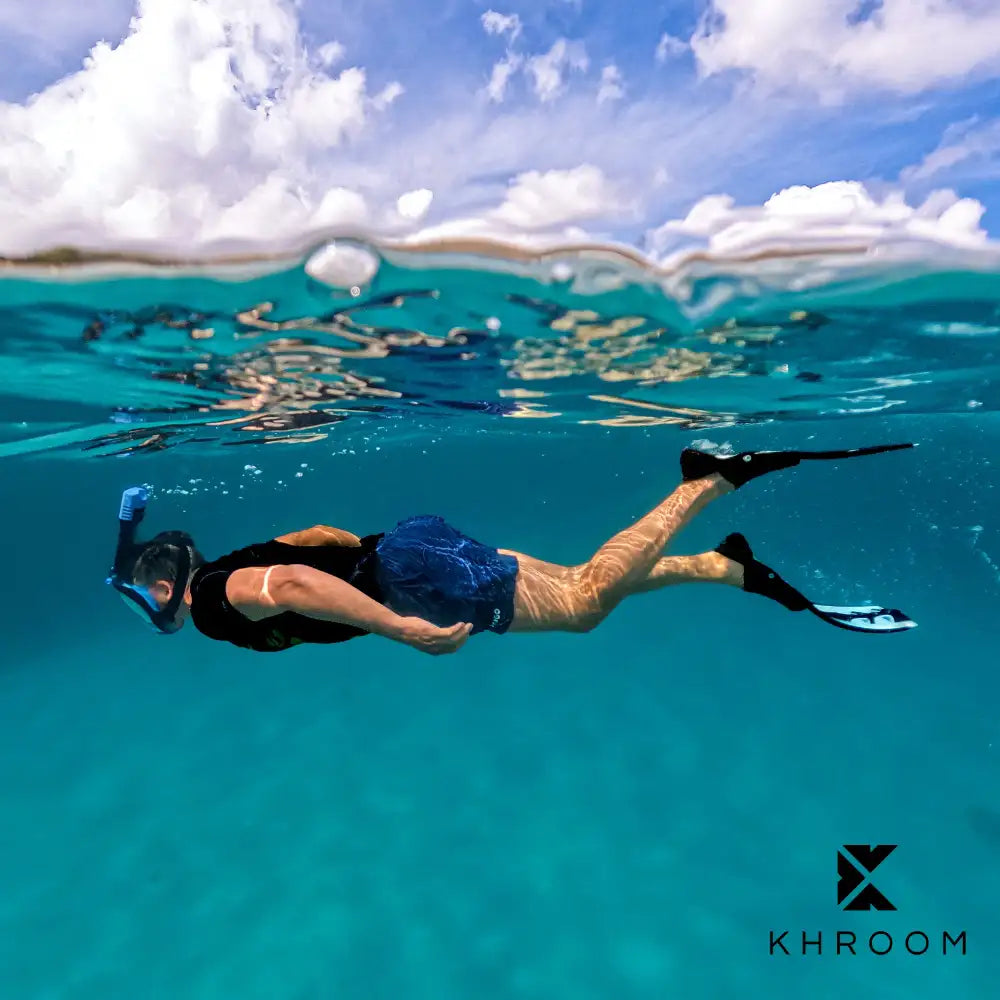
That way, the reef itself is largely left undisturbed. No one stands on the corals, no one breaks off pieces, and the corals can grow in peace. You'll see the results within the first few meters: hard and soft corals in every color, with surgeonfish, butterflyfish, anemonefish, and often a curious Napoleon wrasse swimming among them.
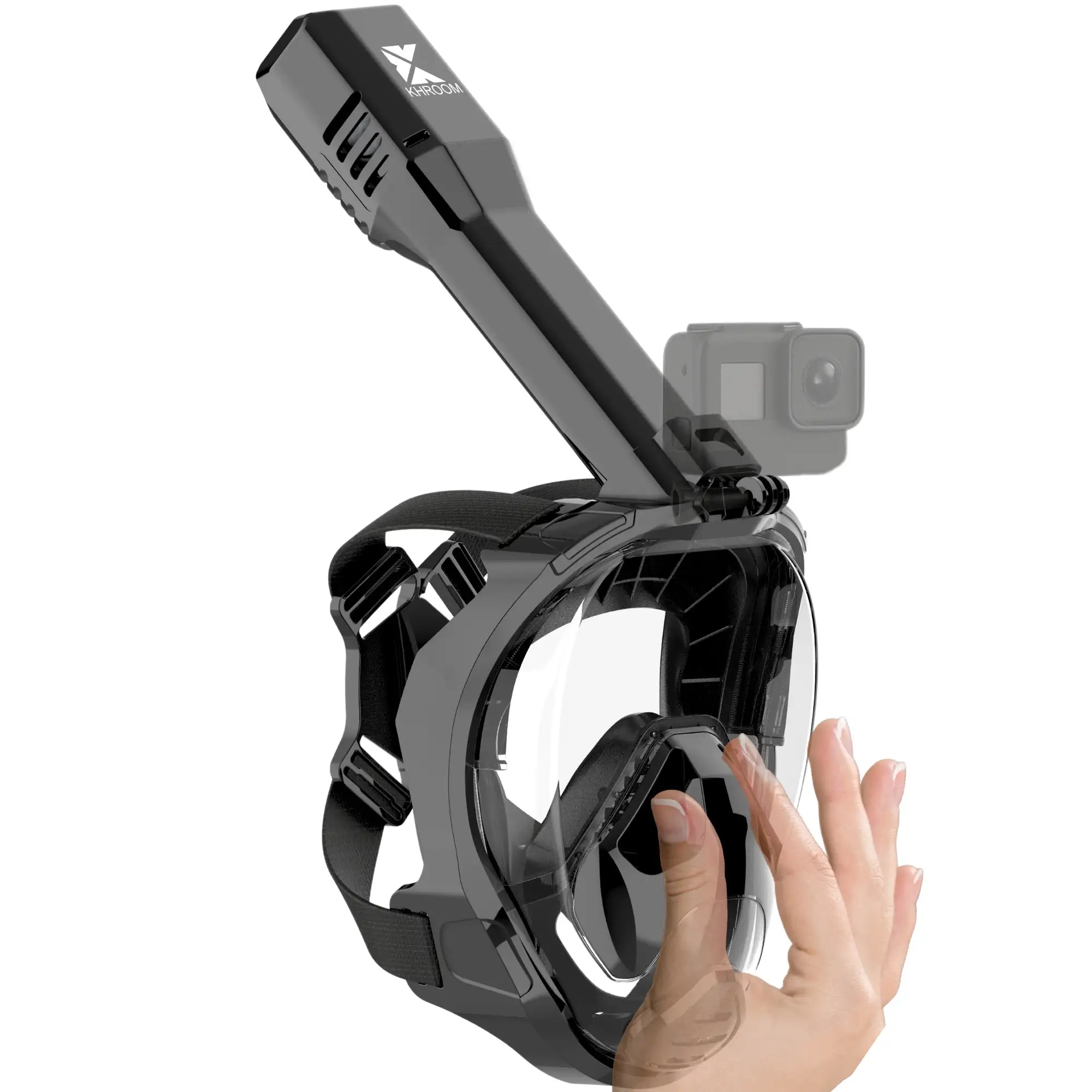
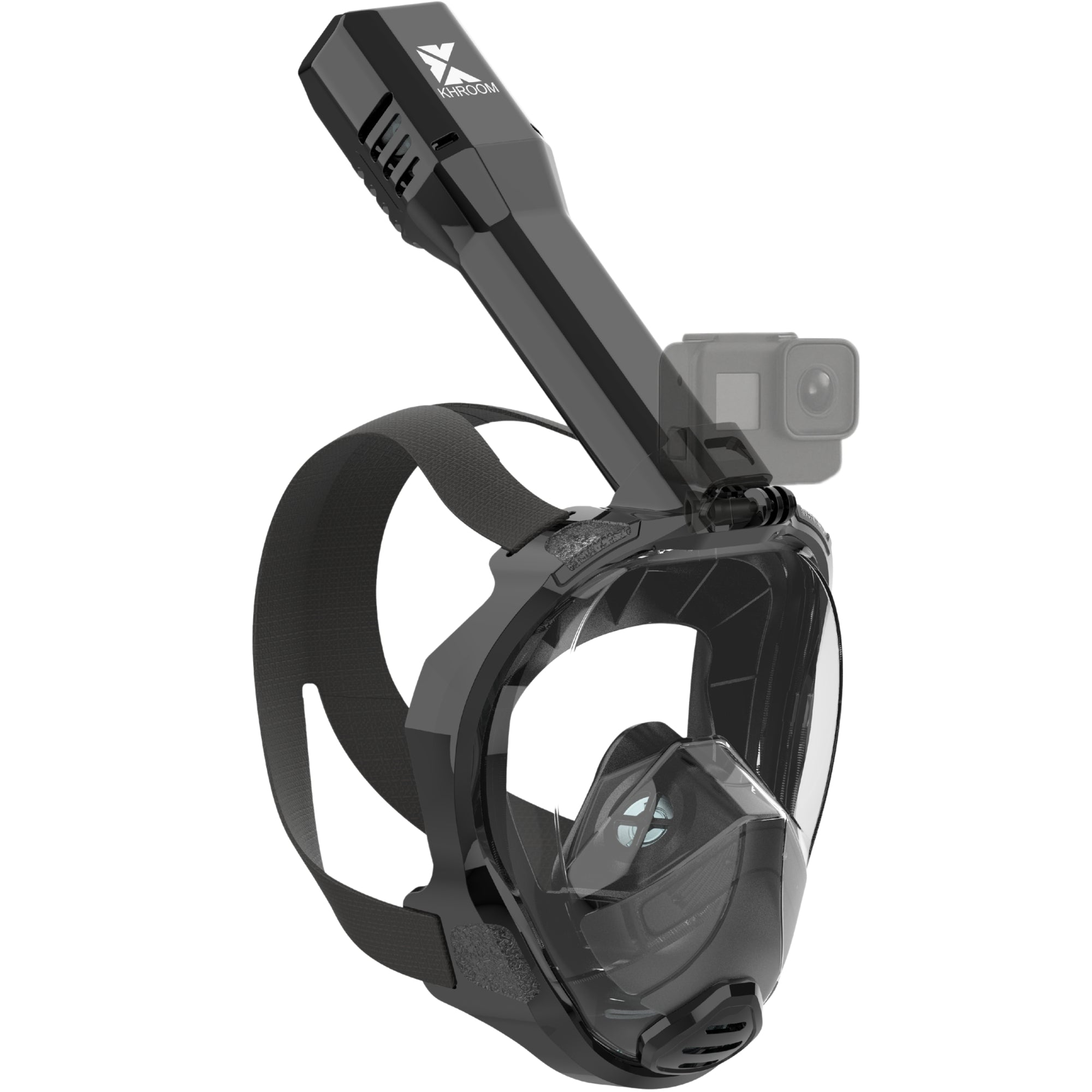
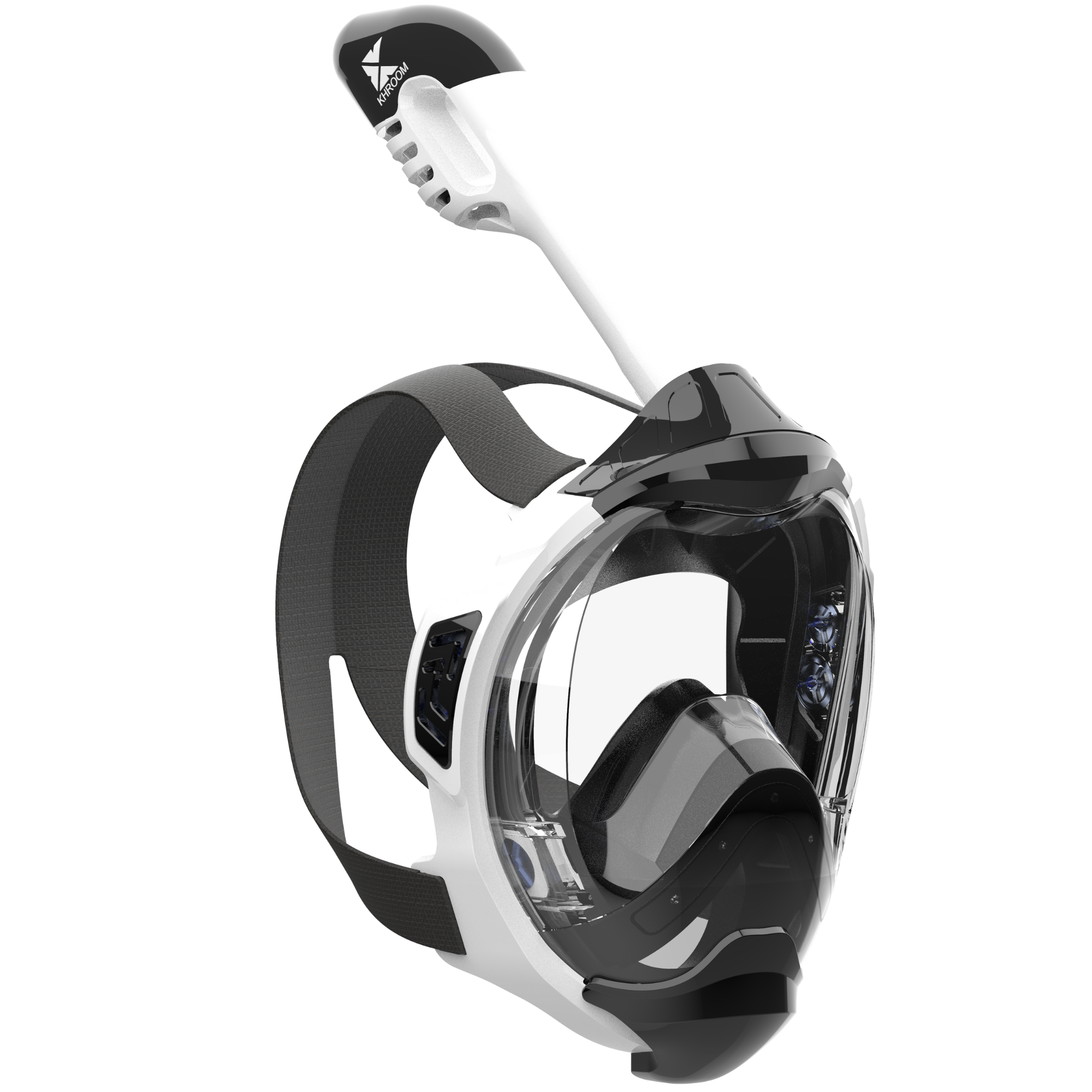
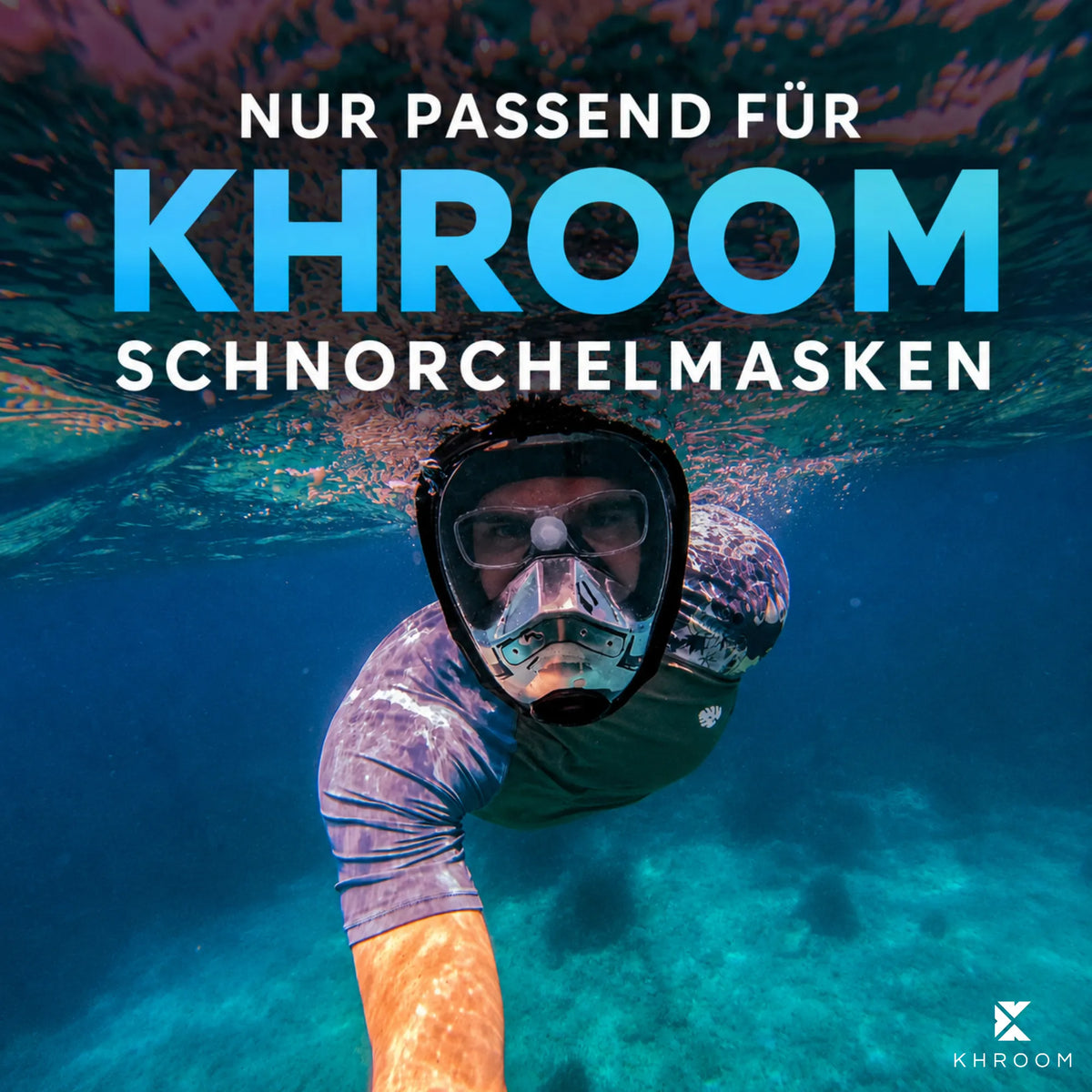
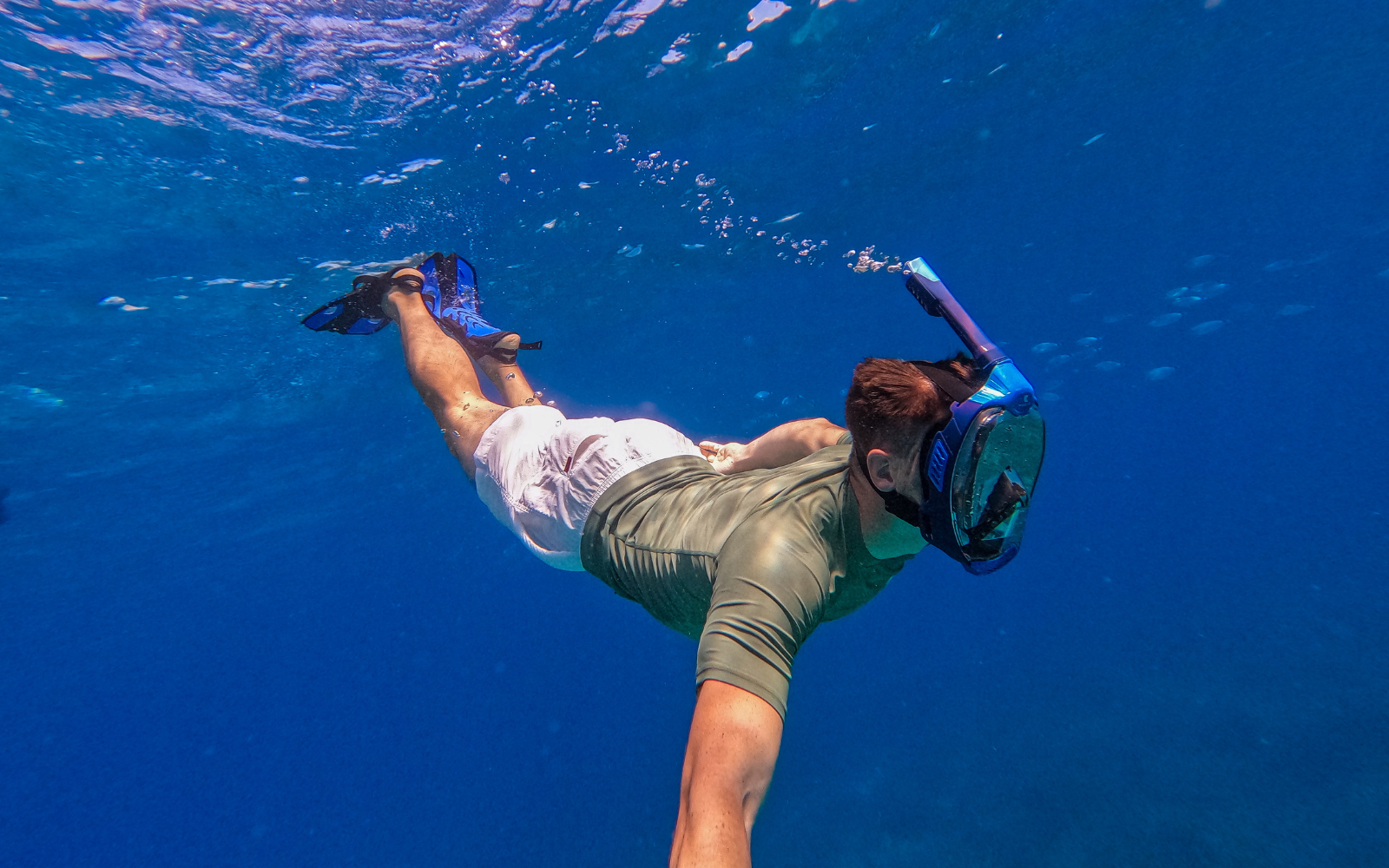
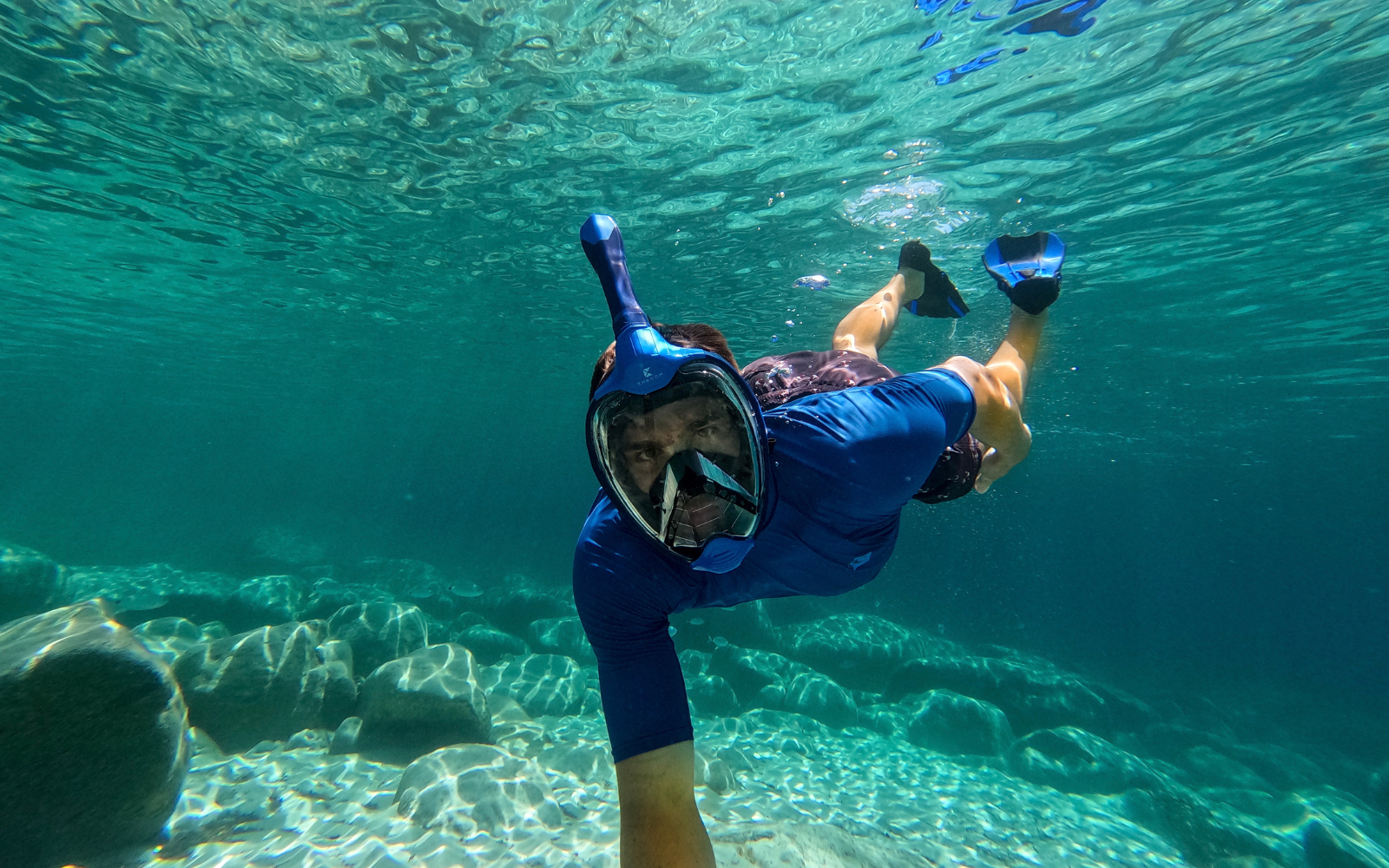
It's exactly this kind of beauty that makes a mask with a wide field of view worthwhile. At a house reef, you'll often swim slowly along the reef edge for hours. With the Khroom Seaview Pro you get 180° panoramic vision and breathe completely naturally through your mouth and nose. That way you'll spot the turtle at the edge and the lionfish under the overhang without constantly having to turn your head.

- Only enter the water via jetties or designated entry points, never walk across the reef flat
- Stay within the roped-off areas and watch for the lifeguard's signals
- Keep your distance from the corals, don't touch anything, and don't feed the fish
- In wind and waves, stick to the sheltered part of the reef
3. Snorkeling in Hurghada, Makadi Bay and El Gouna
Hurghada is the gateway to the Red Sea and, for many, the place where their snorkeling journey begins. The infrastructure is excellent, there's a huge choice of hotels with a house reef, and distances are short.
Makadi Bay and Sahl Hasheesh
About 30 kilometers south of Hurghada are some of the region's finest house reefs. The entry is usually shallow, the reefs are accessible via jetties, and turtles and bluespotted rays are a common sight in the seagrass beds. Ideal for families and anyone snorkeling for the first time.
El Gouna
This lagoon town north of Hurghada has sheltered bays with calm water. Snorkeling here is relaxed, though you'll need a boat to reach the best reefs.
Boat trips from Hurghada
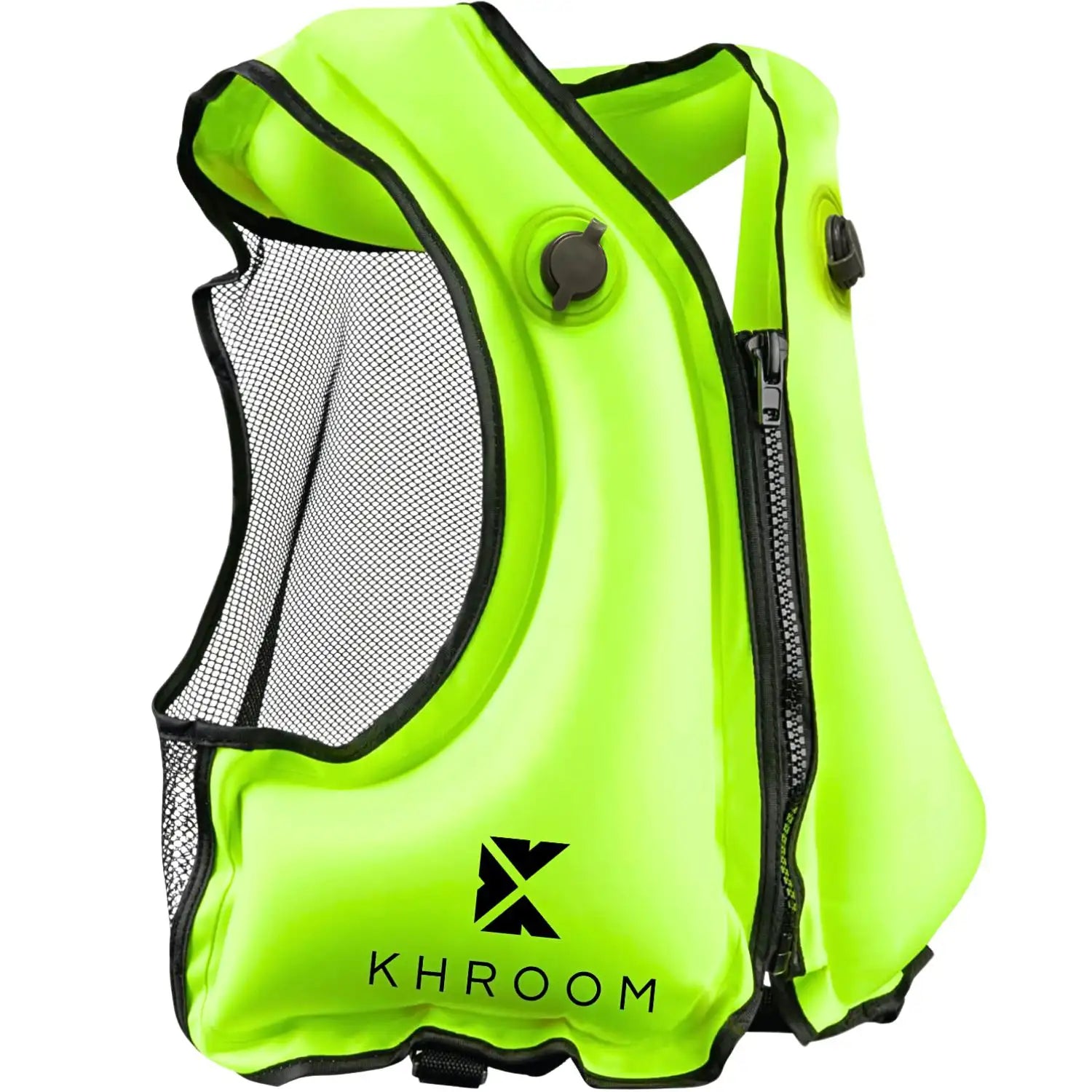
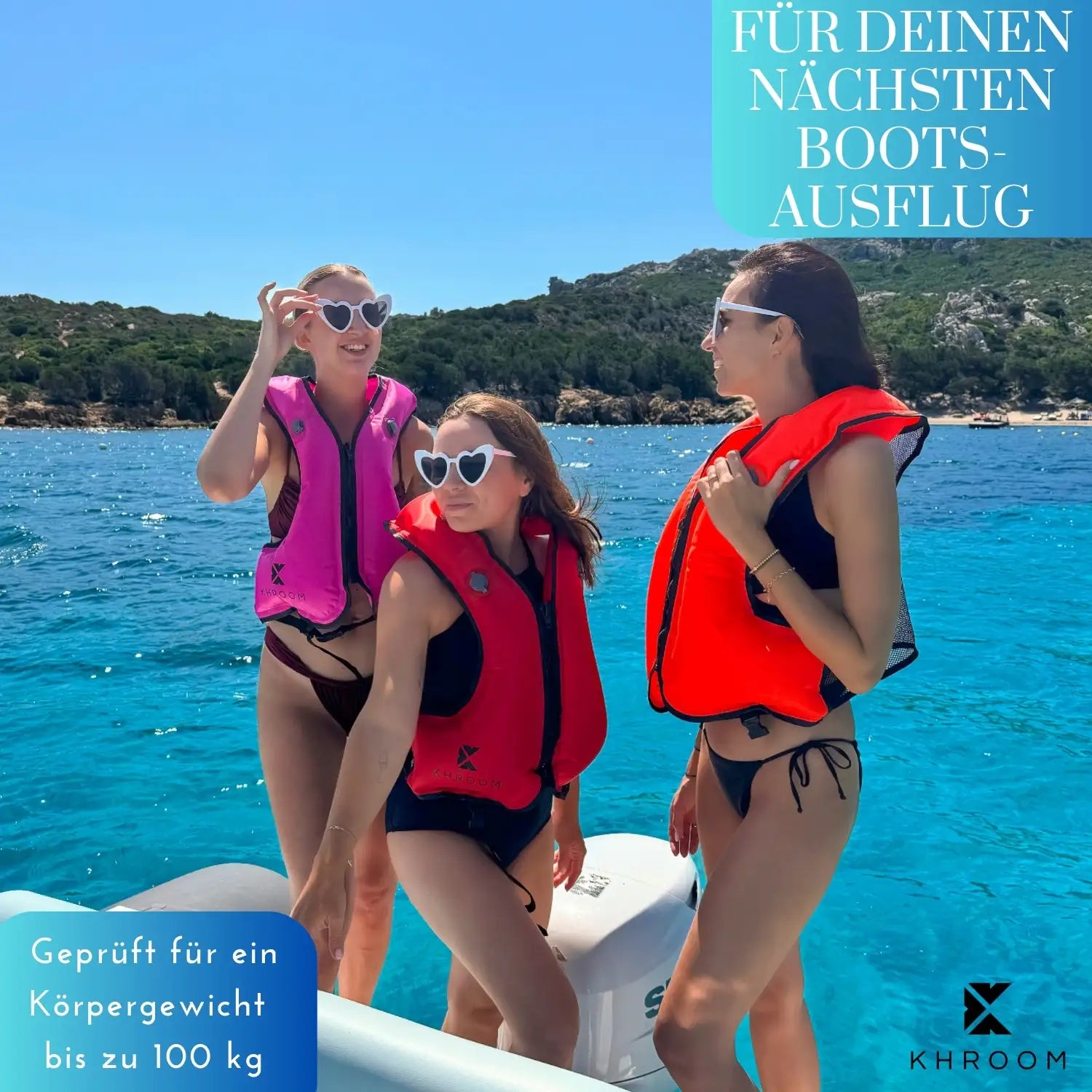
Popular destinations include Giftun Island, Orange Bay and Paradise Island. On trips out in open water, there's often current and swell. An inflatable life vest gives you extra buoyancy here, letting you focus entirely on the underwater world. You can read how to handle current correctly in our guide Der richtige Umgang mit Strömungen.
Snorkeling in Hurghada: the quick answer
Hurghada ranks among the most popular snorkeling destinations in the world: clear water, hundreds of fish and coral species, and many hotels with their own house reef right off the beach. Well-known spots include the Giftun Islands/Orange Bay, Abu Ramada and Sharm El Naga.
4. Marsa Alam: house reef, turtles and seagrass meadows
Marsa Alam, in the south, is quieter than Hurghada, and the reefs are noticeably better preserved. Many resorts have long house reefs with jetties where you can snorkel for hours on end.
The bay of Abu Dabbab is known for its seagrass meadows. Green sea turtles graze here regularly, and with a lot of luck you might even spot a dugong, though they're now a rare sight. At Sha'ab Samadai ('Dolphin House'), spinner dolphins live here, though access is strictly regulated to protect them. The Coraya Bay is a sheltered lagoon with a shallow entry and is ideal for families.
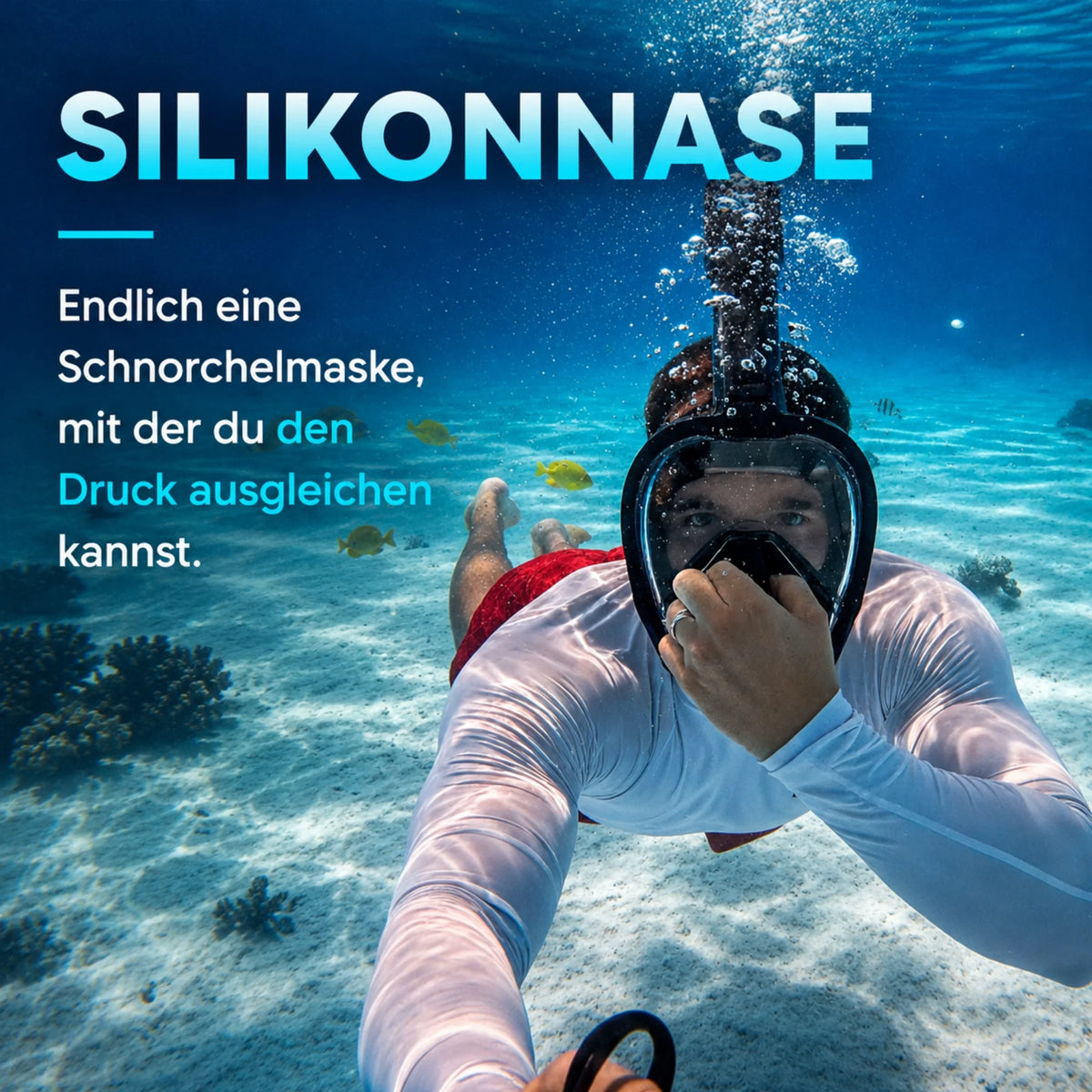
In Marsa Alam, it's also worth diving down a few meters now and then, for example to get a close-up look at a turtle grazing on the seagrass. With a standard full-face mask, that's only possible down to about three meters, because you can't reach your nose. The Seaview Pro Plus has a silicone nose pocket for pressure equalization. You pinch your nose shut just like with a diving mask, which lets you go a bit deeper.

Marsa Alam house reef snorkeling: the quick answer
Marsa Alam is known for its intact house and fringing reefs, reachable directly from the beach or a hotel jetty. Dugongs and turtles are regularly spotted in Marsa Mubarak bay. The best conditions are from March to June and September to November.
5. Sharm El Sheikh, Ras Mohammed and Dahab
Sharm El Sheikh and Ras Mohammed National Park
At the southern tip of the Sinai lies Egypt's best-known marine national park. The coral walls drop off steeply here, and visibility is often outstanding. You'll need a boat to reach the best spots. The reefs around Tiran Island are also worth experiencing. Because it gets deep quickly there and current is common, Sharm is better suited to confident swimmers.
Dahab
Dahab, on the Gulf of Aqaba, is the destination for anyone who likes to snorkel independently. The reefs lie right off the beach, and at the edge of the famous Blue Hole is a coral garden that's impressive even from the surface. The Blue Hole itself is a diving site. As a snorkeler, please stay at the edge.
6. Best time to visit and water temperature
Egypt is a year-round destination. Even in winter, the water rarely drops below 22 °C.
| Period | Water | Air | Assessment |
|---|---|---|---|
| March – May | 22–26 °C | 25–35 °C | Very good: pleasantly warm, less crowded |
| June – August | 27–30 °C | 35–40 °C | Warmest water, very hot on land |
| September – November | 25–28 °C | 28–35 °C | Very good: warm water, often the best visibility |
| December – February | 22–24 °C | 20–25 °C | Good, but it gets chilly after extended time in the water |
In winter, you'll notice yourself cooling down during long snorkeling sessions. A thin wetsuit or a lycra shirt helps, and neoprene socks keep your feet warm while also protecting them when entering the water.
7. Advice: Which gear suits your trip?
You don't need a lot of gear for the Red Sea. What matters most is that your mask suits you and your type of trip.
- Mask with a wide field of view
- Water shoes or neoprene socks for getting in
- Reef-safe sunscreen, a T-shirt to prevent sunburn
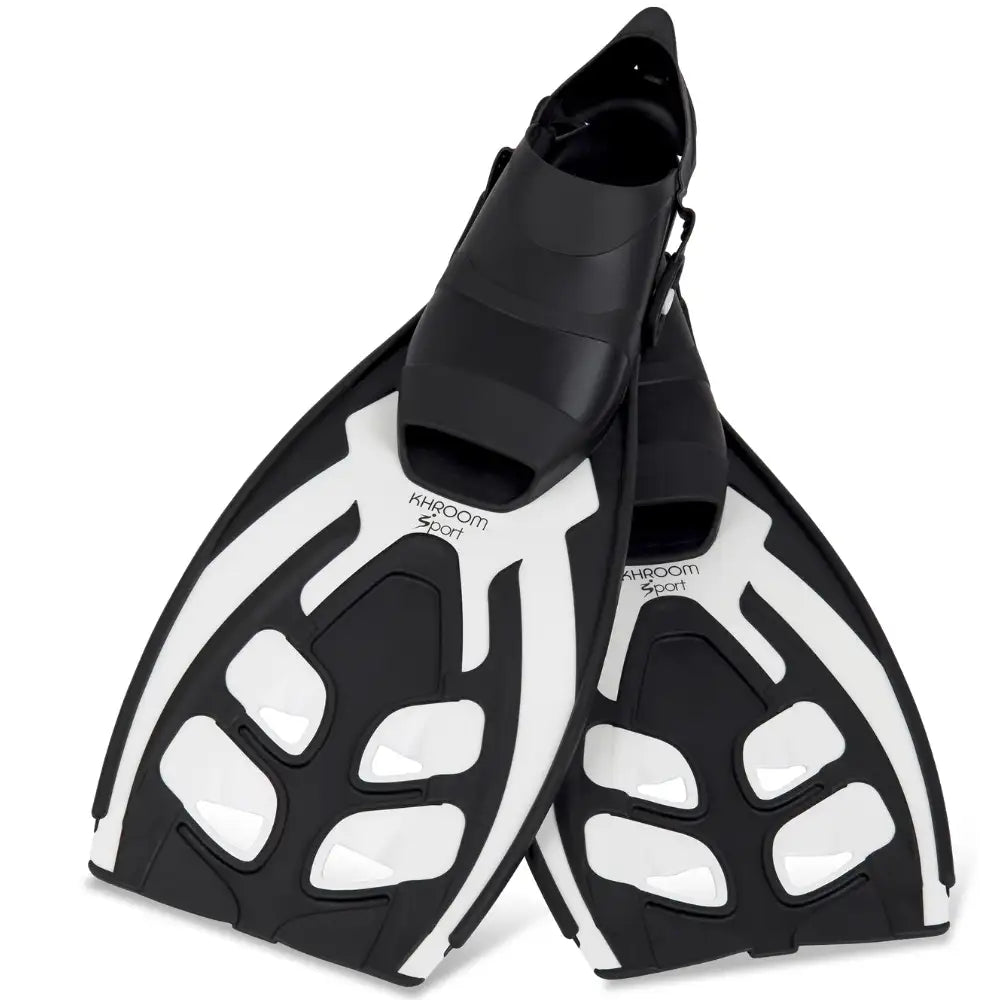
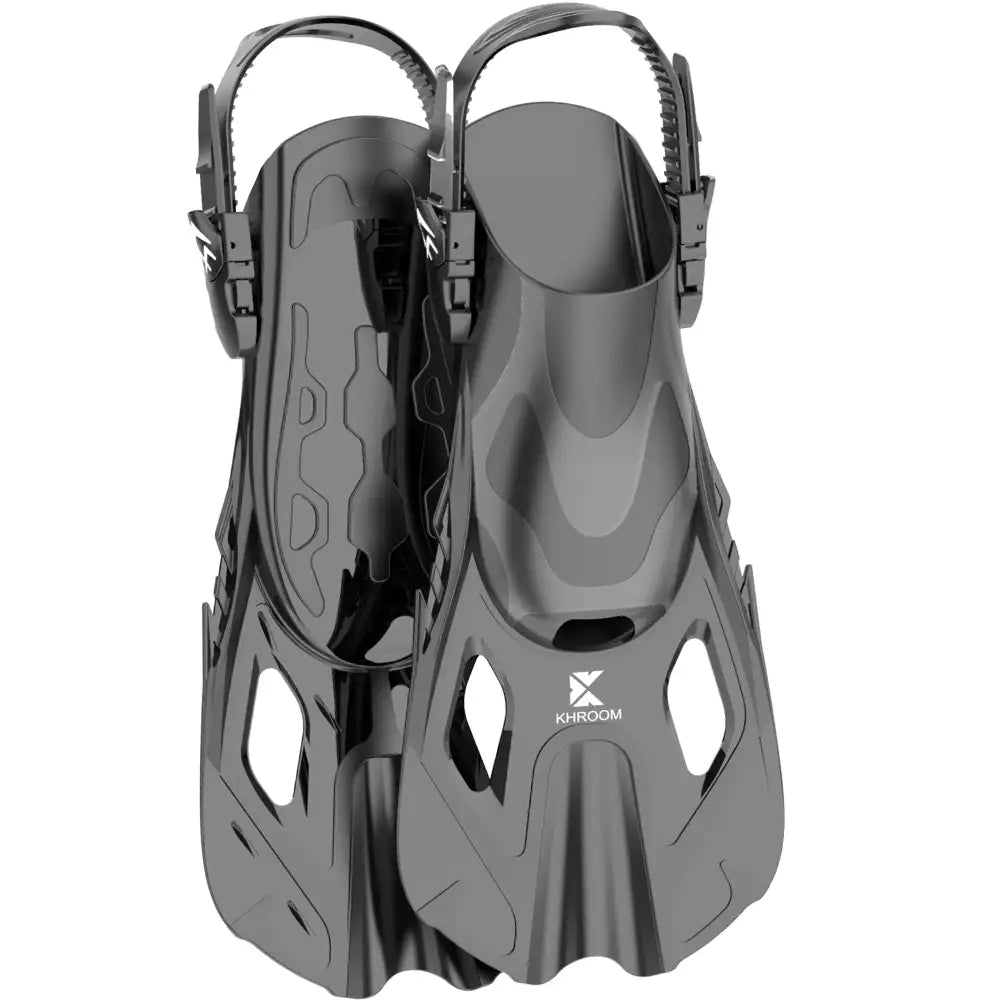
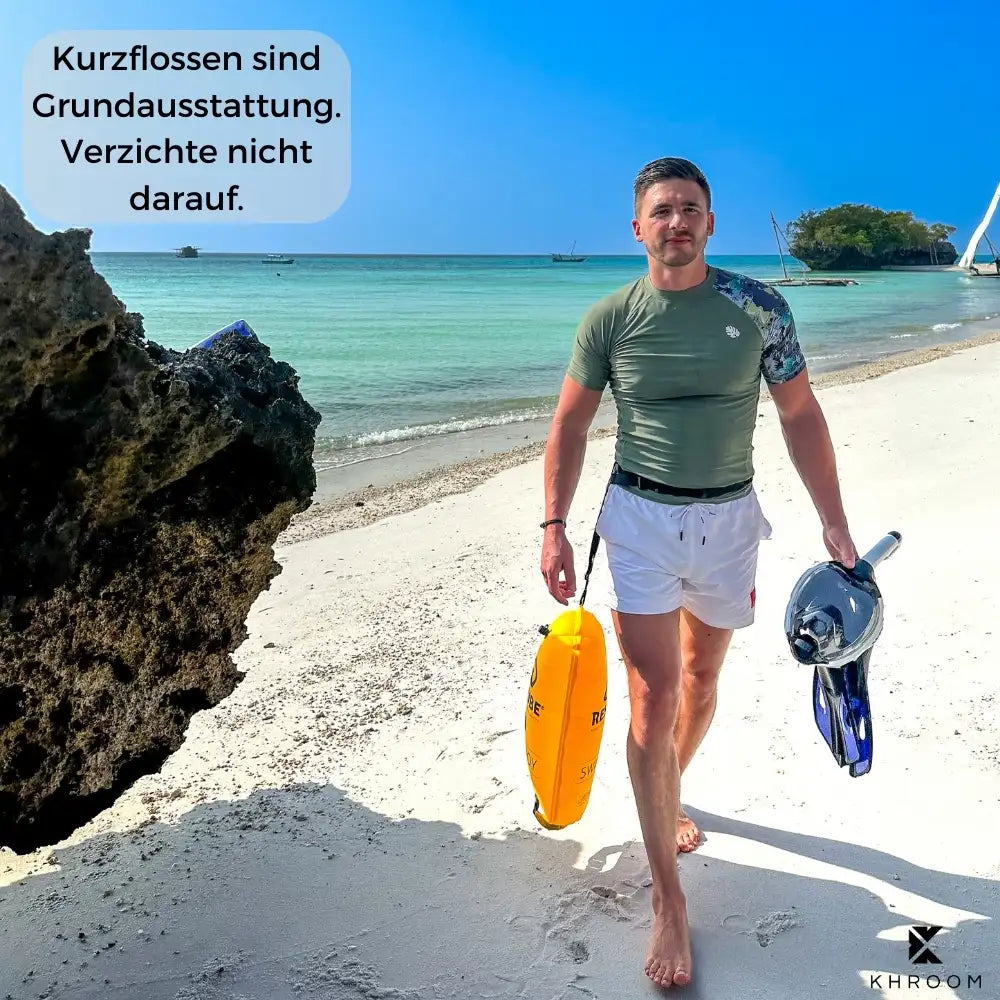
- Short fins for longer stretches along the reef
- No life vest needed if you're a confident swimmer
- Your own mask instead of a rental
- Life vest for waves and current
- Fins for extra propulsion in open water
- Camera mount for dolphin encounters
- No diving down at steep walls without experience
You're snorkeling for the first time or taking it easy at the house reef
Then a full-face snorkel mask is the simplest solution. You breathe just like on land, there's no mouthpiece between your teeth, and you get the full view of the reef right away. Our recommendation is the Seaview Pro with separated airways and check valves. SGS measured the CO₂ level of the inhaled air for this mask: an average of 0.29 vol%. If you swim along reefs a lot, get it as part of the set with long fins.
You want to see turtles and corals up close
Then go for the Seaview Pro Plus. Thanks to the silicone nose pocket and pressure equalization, you can dive down a few meters. For travel luggage, it's also available as a set with short fins, which barely take up any room in your suitcase.
You have a narrow face
Standard masks often don't form a tight seal on narrower faces, which means water keeps leaking in at the reef. The Seaview X is designed for narrower face shapes.
You wear glasses
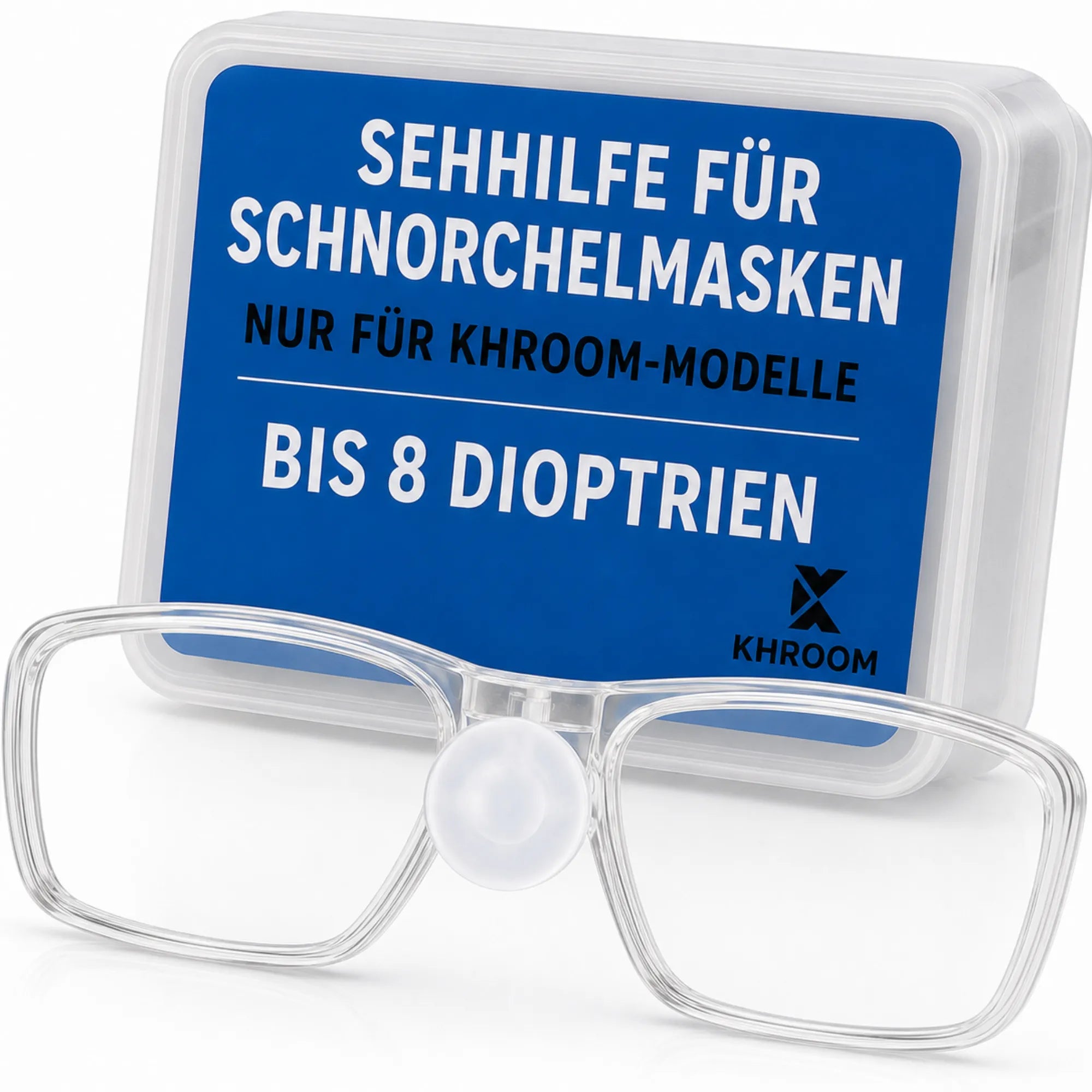
Without vision correction, the reef is just a blur of colorful patches. Our optical inserts from −8.0 to +8.0 diopters click into the mask without any tools. You can read exactly how that works in our guide Schnorchelmaske für Brillenträger.
You want to take memories home with you
Turtles, dolphins, a Napoleon wrasse right in front of your mask — these are moments you'll want to capture. With the action cam mount you attach your camera directly to the Seaview Pro or Pro Plus and keep both hands free.
8. Snorkeling with kids in the Red Sea
Egypt is one of the best destinations for showing kids the underwater world. Shallow lagoons like those in Makadi Bay, El Gouna or Coraya Bay, along with supervised house reefs, make it easy to get started. Colorful fish swim even in knee-deep water, and there's plenty to discover around the jetties.

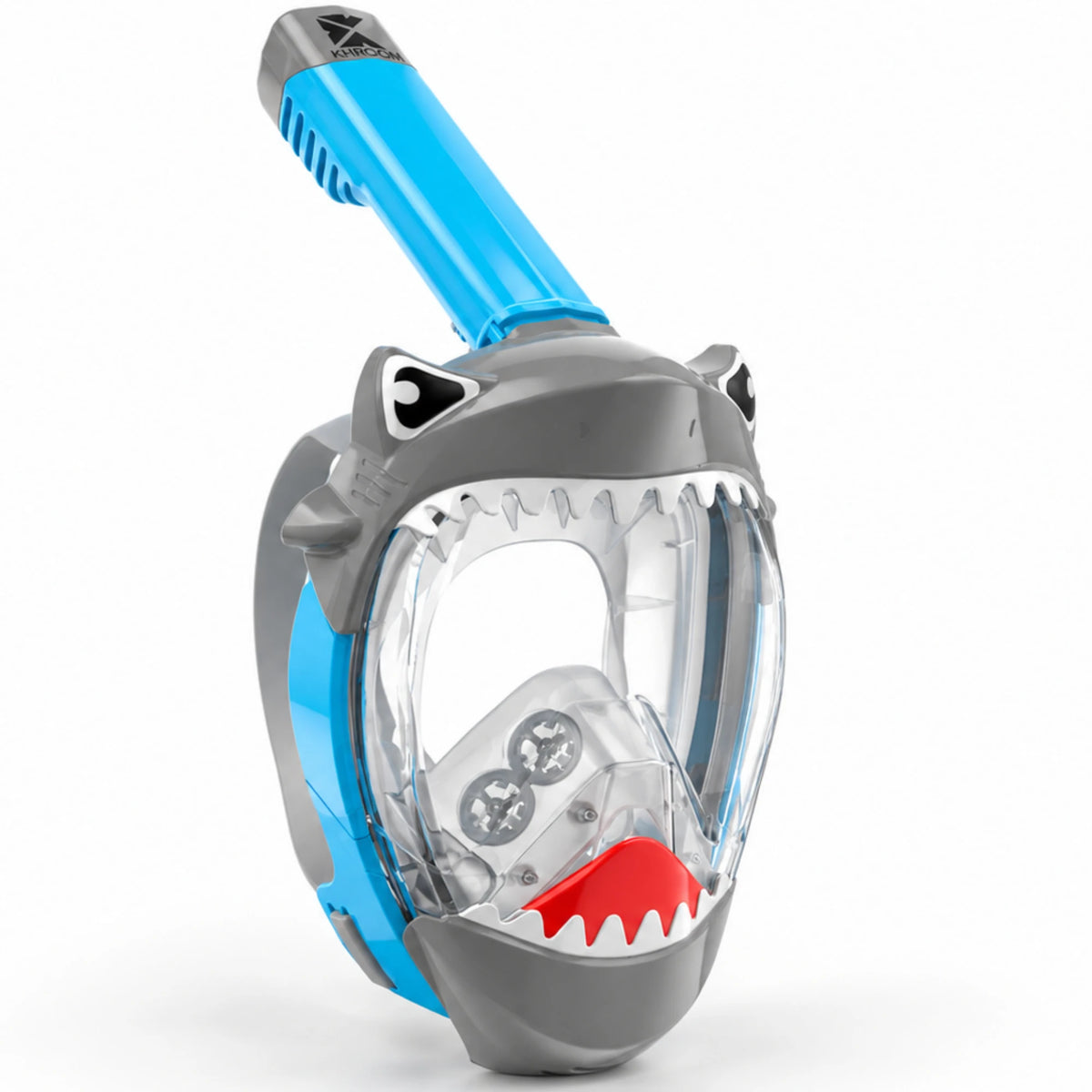
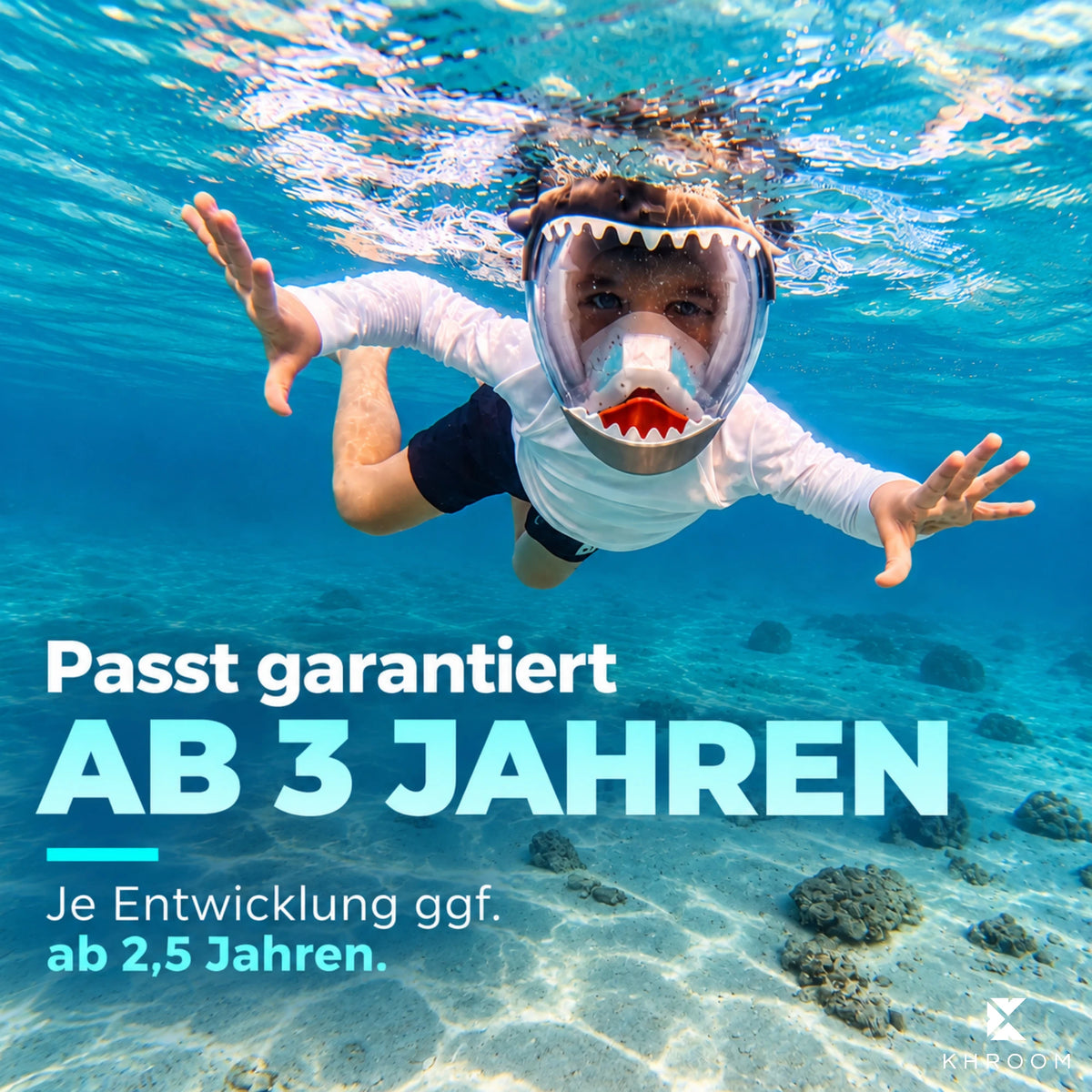
What matters is a mask in the right size. An adult mask won't seal properly on a child and has too much dead space, where exhaled air can build up. The Seaview Kids is made for children aged 3 to 10. You'll find more tips in our guide Sicher schnorcheln mit Kindern.
9. Reef rules and safety
- Don't touch anything: Corals die when touched, and some creatures, such as lionfish, stonefish or fire coral, are venomous or can sting.
- Don't stand on the reef: To rest, roll onto your back or swim back to the jetty.
- Don't feed the fish and don't take shells or corals with you. Exporting them is illegal in Egypt.
- Sun protection: Reef-safe sunscreen and a T-shirt while snorkeling. Your back burns especially fast at the surface.
- Never snorkel alone, especially outside supervised zones and when there's current.
- Pay attention to your mask: If you get a headache or feel dizzy, surface immediately, take off the mask and rest. More on this background: Sind Vollgesichts-Schnorchelmasken gefährlich?.
If you're still unsure, it's worth taking a look at our guides before your trip: Schnorcheln lernen and Richtig atmen beim Schnorcheln.
10. Conclusion and packing list
Egypt is the easiest gateway to tropical reefs. The roped-off, supervised house reefs protect the corals while making snorkeling safe and relaxed at the same time. If you're after peace and quiet and intact reefs, head to Marsa Alam or El Quseir. Hurghada and Makadi Bay are ideal for families and beginners, and if you want to see steep walls, head to Sharm El Sheikh.
Red Sea packing list:
Your own snorkel mask, for example the Seaview Pro or, for diving down a bit, the Seaview Pro Plus
Short, adjustable finsthat fit into any suitcase
Neoprene socks or water shoes for getting in
Life vest for boat trips
Reef-safe sunscreen, a UV shirt and a water bottle for the beach
More destinations and guides
- Snorkeling in the Maldives
- Snorkeling in Mallorca
- The best snorkel mask for beginners
- Snorkel mask comparison 2026

Written by Christian Hanauer